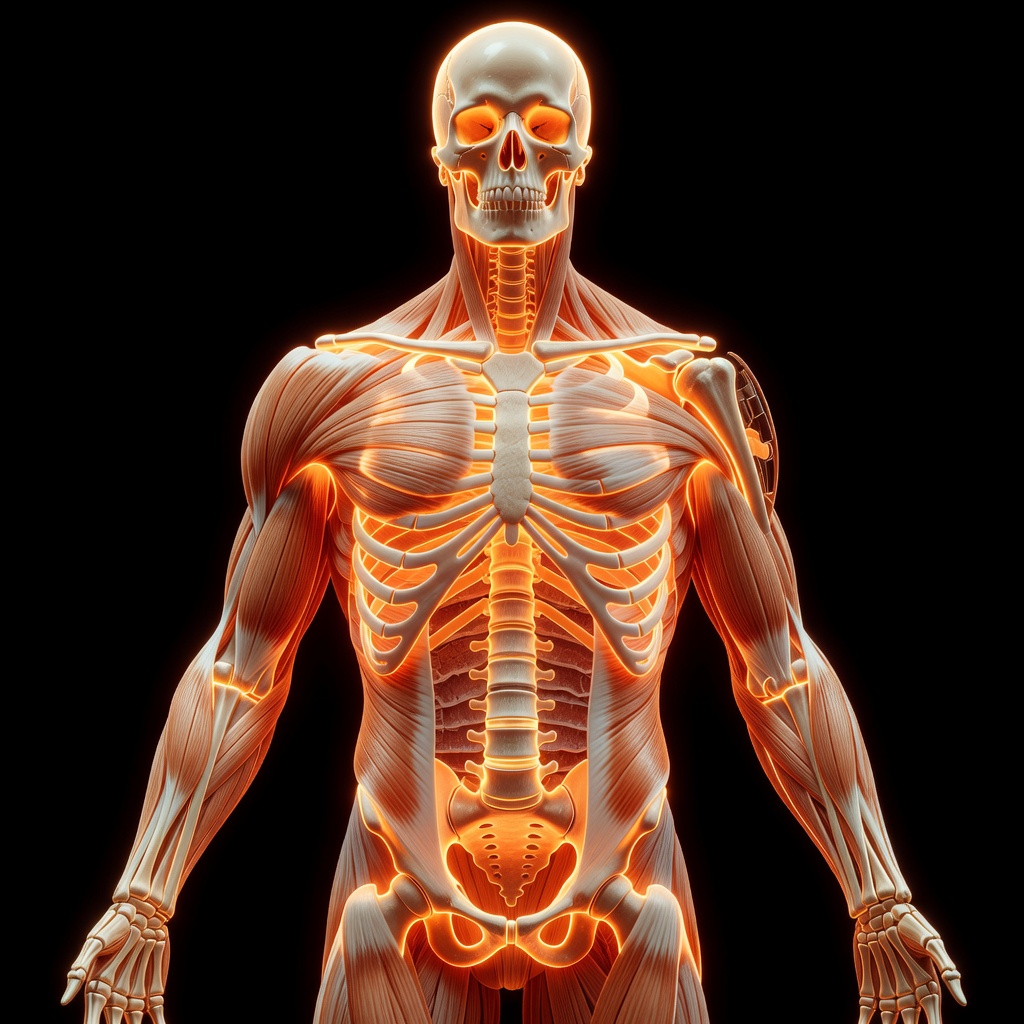
Superoxide Dismutase 1 (SOD1) Stability: The Structural Necessity of Trace Metal Equilibrium
An educational exploration into the biochemical architecture of the SOD1 enzyme, focusing on the critical roles of zinc and copper in maintaining protein stability and preventing neurodegenerative misfolding.
# Superoxide Dismutase 1 (SOD1) Stability: The Structural Necessity of Trace Metal Equilibrium
In the intricate landscape of human biochemistry, the maintenance of cellular health relies heavily on the neutralisation of reactive oxygen species (ROS). Among the frontline defenders is Superoxide Dismutase 1 (SOD1), a metalloenzyme whose function is entirely dependent on the delicate equilibrium between two essential trace minerals: zinc and copper. At INNERSTANDING, we focus on root-cause physiological mechanics; understanding the structural necessity of these metals within SOD1 provides a profound look into why mineral balance is not merely a nutritional recommendation, but a fundamental requirement for protein stability and genomic protection.
The Architecture of a Guardian
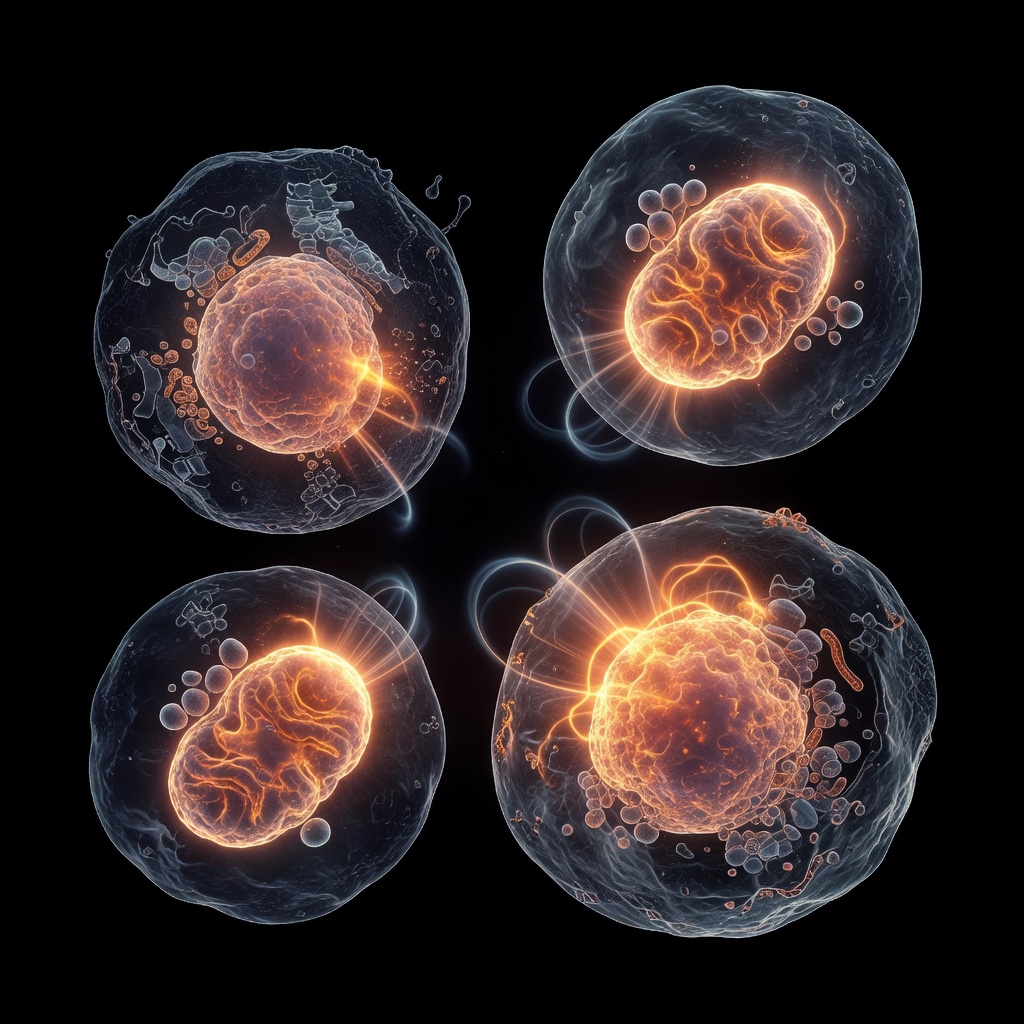
SOD1, often referred to as CuZn-SOD, is primarily located in the cytosol, though it also resides in the mitochondrial intermembrane space and the nucleus. Structurally, it is a homodimer—a protein composed of two identical subunits. Each subunit contains one copper ion and one zinc ion, held in place by a sophisticated network of amino acid residues.
The primary function of SOD1 is the dismutation of the superoxide radical (O2-) into molecular oxygen (O2) and hydrogen peroxide (H2O2). This reaction is critical because superoxide, while a natural byproduct of mitochondrial respiration, is highly reactive and can damage lipids, proteins, and DNA if left unchecked. However, for SOD1 to perform this task, it must maintain a very specific three-dimensional shape, a "fold" that is dictated by its metal cofactors.

Immuno – Daily Support for the Immune System
Immuno is a targeted daily formula combining high-potency Vitamin C, NAC, and Zinc to provide consistent support for your body’s natural defense systems. This blend avoids synthetic fillers, focusing instead on bioavailable nutrients and plant compounds to maintain long-term resilience and vitality.
Vetting Notes
Pending
Zinc: The Structural Anchor
While zinc is often discussed in the context of immune function or DNA synthesis, its role in SOD1 is purely structural. The zinc ion (Zn2+) is coordinated by three histidine residues and one aspartic acid residue. Unlike copper, zinc does not participate in the redox (electron transfer) reactions of the enzyme. Instead, it acts as a "scaffold."
The presence of zinc is essential for the proper folding of the "zinc-binding loop" and the "electrostatic loop." These loops are regions of the protein that help guide the superoxide radical into the active site where the copper resides. Without zinc, the SOD1 protein becomes thermally unstable and prone to misfolding. In a state of zinc deficiency, the enzyme may lose its structural integrity, leading to "apo-SOD" (a metal-depleted version), which is notoriously unstable and likely to aggregate—a process linked to neurodegenerative conditions such as Amyotrophic Lateral Sclerosis (ALS).
Copper: The Catalytic Engine
If zinc is the scaffold, copper is the engine. The copper ion (Cu2+/Cu+) is the active site's catalytic center. It undergoes a cyclic reduction and oxidation process (redox cycling) to neutralise the superoxide:
- —The first superoxide molecule reduces Cu2+ to Cu+, yielding O2.
- —The second superoxide molecule, along with two protons, oxidises Cu+ back to Cu2+, yielding H2O2.
Without copper, the enzyme is "catalytically dead." However, copper is a double-edged sword. Free, unbound copper is highly toxic as it can participate in Fenton-type reactions, creating the even more dangerous hydroxyl radical. Therefore, the body uses specialised "chaperone" proteins, such as the Copper Chaperone for SOD (CCS), to deliver copper directly to the SOD1 molecule, ensuring it never travels freely through the cytosol.
The Bridging Histidine and Metal Equilibrium
The most fascinating aspect of SOD1’s structure is the "bridging histidine" (His63). This specific amino acid residue acts as a physical bridge between the zinc and copper ions. It is this bridge that facilitates the communication between the structural stability of the enzyme and its catalytic power.
This bridge exemplifies why the ratio of zinc to copper is more important than the absolute amount of either mineral alone. In the UK, where modern dietary patterns often shift toward high-copper/low-zinc profiles (due to soil depletion and high intake of copper-rich seeds or grains without adequate shellfish or organ meats), this bridge can be compromised. If copper levels significantly outweigh zinc, copper may attempt to occupy the zinc-binding site. Because copper has different electronic properties and coordination preferences, it cannot provide the same structural rigidity as zinc. This "mismatch" leads to a dysfunctional enzyme that may actually increase oxidative stress rather than quenching it.
Root Cause: Misfolding and the ALS Connection
The importance of SOD1 stability is nowhere more evident than in Amyotrophic Lateral Sclerosis (ALS), or Motor Neurone Disease. Approximately 20% of familial ALS cases are caused by mutations in the SOD1 gene. Interestingly, many of these mutations do not eliminate the enzyme’s activity; rather, they decrease the protein's affinity for zinc.
When SOD1 loses its zinc ion, it becomes "zinc-deficient SOD1." This version of the protein is highly unstable and begins to aggregate into toxic clumps within motor neurones. These aggregates are a hallmark of the disease. From a root-cause perspective, this suggests that maintaining intracellular zinc levels and ensuring copper does not displace zinc is vital for long-term neurological health. Even in the absence of a genetic mutation, chronic trace metal imbalances can mimic some of these "misfolding" pressures on the protein, leading to sub-clinical cellular aging.
Systemic Homeostasis: The 15:1 Paradigm
To maintain SOD1 stability, the body requires a steady supply of both minerals in a specific proportion. While the ideal serum ratio is often cited around 1:1, the dietary ratio is frequently recommended at approximately 15:1 (Zinc to Copper). This is because zinc and copper compete for absorption via the protein metallothionein in the intestinal lining.
High intake of supplemental zinc without copper can lead to copper deficiency, as the body produces more metallothionein which binds copper more tightly. Conversely, high copper intake (often seen in copper pipe leaching, certain contraceptives, or high-stress states that deplete zinc) can lead to a functional zinc deficiency. At INNERSTANDING, we advocate for the measurement of "Zinc-Copper Balance" as a foundational marker of antioxidant capacity. If the structural necessity of SOD1 is not met due to mineral displacement, the entire cellular defence system is weakened.
Conclusion: Stability through Equilibrium
The stability of Superoxide Dismutase 1 is a masterclass in biological engineering. By using zinc for strength and copper for chemistry, the body creates a shield against the inevitable byproducts of life. However, this shield is only as strong as the mineral balance supporting it.
Recognising the structural necessity of trace metal equilibrium shifts our focus from simply "taking antioxidants" to "building antioxidant structures." By ensuring adequate zinc status and preventing copper toxicity, we provide the raw materials required for SOD1 to remain folded, functional, and protective. In the quest for cellular longevity, the root cause is often found in these minute, metallic pivots.
This article is provided for informational and educational purposes only. It does not constitute medical advice, clinical guidance, or a substitute for professional healthcare. Information reflects cited research at time of publication. Always consult a qualified healthcare professional before acting on any health information.
RESEARCH FOUNDATIONS
Biological Credibility Archive
Citations provided for educational reference. Verify via PubMed or institutional databases.
Medical Disclaimer
The information in this article is for educational purposes only and does not constitute medical advice, diagnosis, or treatment. Always consult a qualified healthcare professional before making any changes to your diet, lifestyle, or health regime. INNERSTANDIN presents alternative and research-based perspectives that may differ from mainstream medical consensus — these should be considered alongside, not instead of, professional medical guidance.
Read Full DisclaimerReady to learn more?
Continue your journey through our classified biological research.
THE ARSENAL
Based on Zinc & Copper Balance — products curated by our research team for educational relevance and biological support.
Rejuvenation Pack – Essential Vitamins and Minerals for Health Restoration
Albedextrin – Specialist Cyclodextrin Complex
MSM Sulphur – Nature’s Forgotten Mineral
INNERSTANDING may earn a commission on purchases made through these links. All products are selected based on rigorous educational relevance to our biological research.
RABBIT HOLE
Follow the biological thread deeper