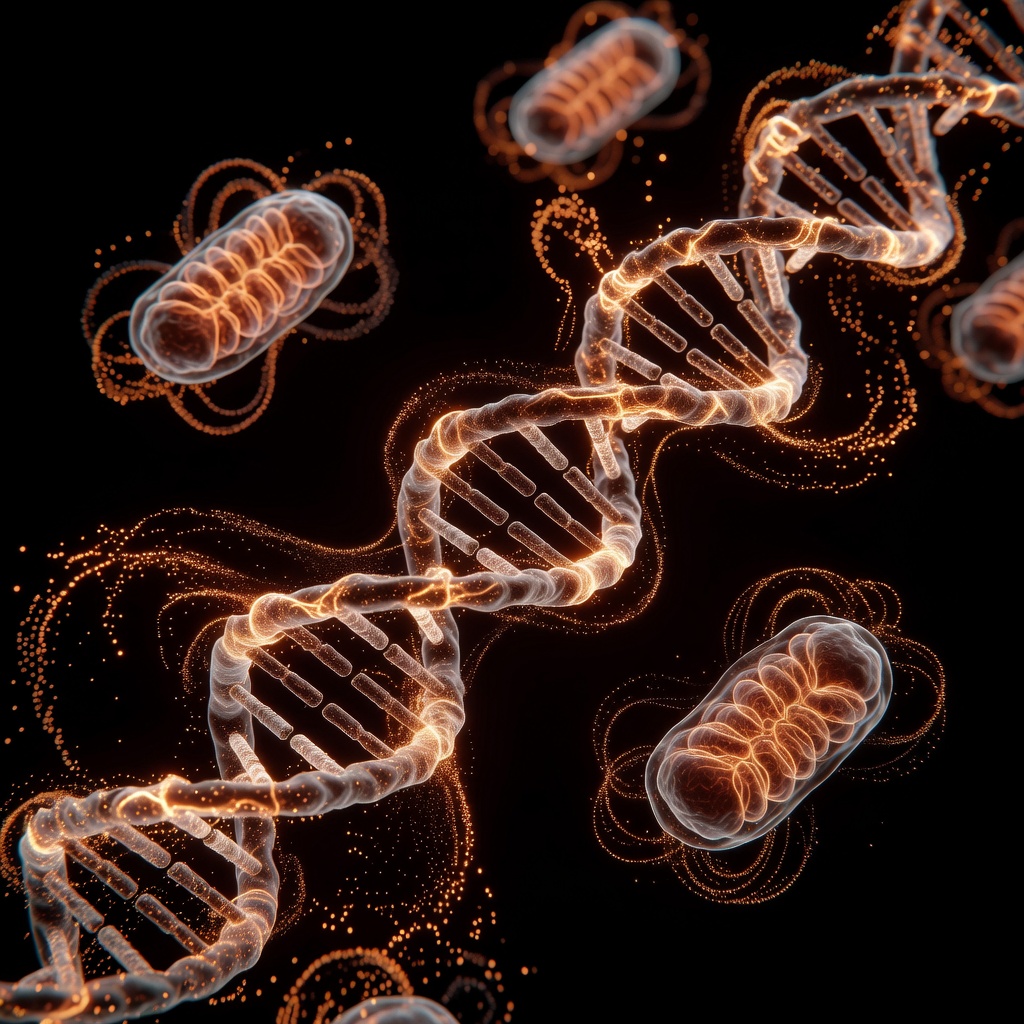
Epigenetic Modulation of the SLC30A and SLC31A Transporter Families by Trace Mineral Fluctuations
This comprehensive analysis explores the intricate epigenetic mechanisms by which zinc and copper fluctuations regulate the SLC30A and SLC31A transporter families, providing a root-cause perspective on mineral homeostasis and metabolic health.
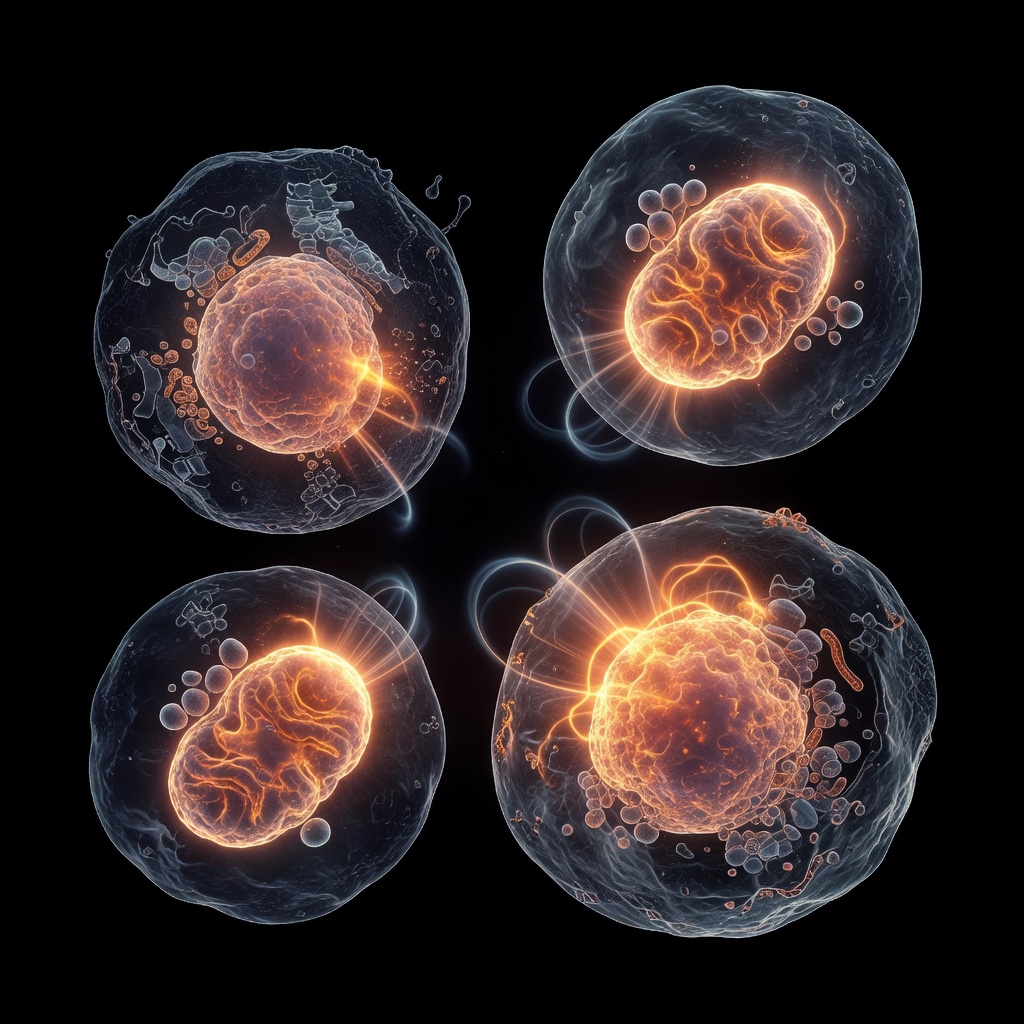
# Epigenetic Modulation of the SLC30A and SLC31A Transporter Families by Trace Mineral Fluctuations ## Introduction In the realm of precision biochemistry, few relationships are as delicate or as vital as the antagonism between zinc (Zn) and copper (Cu). At the cellular level, this balance is maintained not merely through passive diffusion, but through a sophisticated network of transport proteins. The Solute Carrier (SLC) families, specifically SLC30A (Zinc Transporters or ZnTs) and SLC31A (Copper Transporters or CTRs), serve as the primary gatekeepers. Emerging research now highlights that these transporters are not static; they are dynamically regulated by epigenetic modifications—heritable changes in gene expression that do not alter the DNA sequence itself. Understanding how trace mineral fluctuations modulate these epigenetic marks offers a profound 'root-cause' insight into chronic metabolic, neurological, and immunological disorders. ## The Architecture of Trace Mineral Transport To appreciate the epigenetic layer, we must first understand the hardware.
The SLC30A family comprises ten members (ZnT1–10) primarily responsible for transporting zinc from the cytosol to the extracellular space or into intracellular organelles, thereby reducing cytosolic zinc concentrations. Conversely, the SLC31A family, notably SLC31A1 (CTR1), facilitates the high-affinity uptake of dietary copper into the cell. Under ideal conditions, these families work in a synchronous rhythm. However, when the systemic supply of zinc or copper fluctuates due to dietary imbalances, environmental stressors, or malabsorption, the body initiates a 'genomic recalibration.' This recalibration is driven by epigenetic mechanisms including DNA methylation, histone modification, and the action of non-coding RNAs. ## DNA Methylation: The Silence of the Transporters DNA methylation involves the addition of a methyl group to the 5-carbon position of the cytosine ring, typically leading to gene silencing. In the context of the SLC30A family, studies have demonstrated that chronic zinc deficiency can lead to paradoxical hypermethylation of the promoter regions for specific ZnT transporters.
When the body senses low zinc, it may attempt to conserve intracellular levels by 'shutting down' the efflux pumps via epigenetic silencing. However, if this state persists, the cell loses its ability to respond to future zinc surges, leading to a state of functional deficiency even when supplementation is introduced. For the SLC31A1 (CTR1) gene, copper overload has been shown to induce epigenetic shifts that downregulate its expression. This is a protective mechanism to prevent copper toxicity. Yet, in the modern landscape of environmental toxicity, excessive exposure to divalent cations can 'hijack' these methylation patterns, leading to a permanent downregulation of copper uptake even when the body requires it for vital enzymatic functions like cytochrome c oxidase activity. ## Histone Modification and the Zinc-Copper Seesaw Histones are the proteins around which DNA is wrapped, and their chemical modification (acetylation, methylation, phosphorylation) determines how 'open' or 'closed' a gene is to transcription.
Zinc is a critical structural component of many histone-modifying enzymes, particularly Histone Deacetylases (HDACs). Fluctuations in zinc levels directly influence HDAC activity. When zinc is deficient, HDAC activity can be compromised, leading to an aberrant state of histone hyperacetylation. This can cause the over-expression of certain SLC30A transporters while suppressing others, shattering the delicate copper-zinc ratio. Furthermore, the Metal-regulatory Transcription Factor 1 (MTF-1) acts as the primary sensor for these fluctuations.
MTF-1 recruits chromatin-remodelling complexes to the Metal Response Elements (MREs) located in the promoter regions of SLC genes. In the presence of optimal zinc, MTF-1 ensures the SLC30A1 (ZnT1) gene is accessible. If copper begins to displace zinc on the MTF-1 molecule—a common occurrence in 'Copper Overload' scenarios—the transcriptional machinery is misdirected, often resulting in the epigenetic silencing of zinc efflux pathways and the promotion of inflammatory signalling. ## Root-Cause Implications: Metabolic and Neurological Health Why does this molecular minutiae matter for the average person? The epigenetic 'scarring' of the SLC30A and SLC31A families is increasingly linked to the root causes of modern epidemics. 1. Metabolic Syndrome: ZnT8 (SLC30A8) is expressed almost exclusively in the beta cells of the pancreas. Epigenetic downregulation of SLC30A8 due to mineral fluctuations can impair insulin crystallisation and secretion, serving as a primary driver for Type 2 Diabetes. 2. Neurodegeneration: The brain requires precise copper and zinc concentrations for synaptic transmission.

Rejuvenation Pack – Essential Vitamins and Minerals for Health Restoration
The Rejuvenation Pack is a foundational toolkit designed to restore your biological baseline by replenishing the essential vitamins and minerals often stripped from modern diets. This comprehensive set targets your metabolic and immune systems to help you reclaim energy, mental clarity, and physical resilience.
Vetting Notes
Pending
Epigenetic dysregulation of CTR1 (SLC31A1) in the blood-brain barrier can lead to copper accumulation in the parenchyma, a hallmark of Alzheimer’s disease. 3. Immune Resilience: T-cell activation depends on a 'zinc signal.' If the SLC30A transporters are epigenetically silenced, the cell cannot generate the necessary zinc flux, leading to chronic immunosenescence and increased susceptibility to viral infections. ## Restoring Homeostasis: A Clinical Perspective Addressing the epigenetic modulation of these transporters requires more than just high-dose supplementation. In fact, aggressive supplementation can often worsen the epigenetic 'lock-down' by triggering further compensatory silencing. A root-cause approach focuses on: - Mineral Synergy: Ensuring that zinc and copper are introduced in ratios that mimic whole-food sources (typically 8:1 to 15:1 Zn:Cu). - Cofactor Support: Utilising methyl donors (like B12, folate, and TMG) to support healthy DNA methylation patterns, ensuring the 'switches' on the SLC genes can be flipped back to their healthy states. - Toxicant Removal: Identifying and removing heavy metals like cadmium or lead, which compete for the same SLC transporters and disrupt the epigenetic signalling of MTF-1. ## Conclusion The SLC30A and SLC31A families are not merely passive pipes; they are dynamic, 'intelligent' systems governed by the epigenetic environment. By understanding that trace mineral fluctuations leave a lasting genomic imprint, we move away from reactive medicine toward a proactive, biophysiological restoration. At INNERSTANDING, we believe that true health is found when we harmonise our external intake with our internal genetic requirements, ensuring that the gatekeepers of our cells—our SLC transporters—are functioning in perfect equilibrium.
This article is provided for informational and educational purposes only. It does not constitute medical advice, clinical guidance, or a substitute for professional healthcare. Information reflects cited research at time of publication. Always consult a qualified healthcare professional before acting on any health information.
RESEARCH FOUNDATIONS
Biological Credibility Archive
Citations provided for educational reference. Verify via PubMed or institutional databases.
Medical Disclaimer
The information in this article is for educational purposes only and does not constitute medical advice, diagnosis, or treatment. Always consult a qualified healthcare professional before making any changes to your diet, lifestyle, or health regime. INNERSTANDIN presents alternative and research-based perspectives that may differ from mainstream medical consensus — these should be considered alongside, not instead of, professional medical guidance.
Read Full DisclaimerReady to learn more?
Continue your journey through our classified biological research.
DISCUSSION ROOM
Members of THE COLLECTIVE discussing "Epigenetic Modulation of the SLC30A and SLC31A Transporter Families by Trace Mineral Fluctuations"
SILENT CHANNEL
Be the first to discuss this article. Your insight could help others understand these biological concepts deeper.
THE ARSENAL
Based on Zinc & Copper Balance — products curated by our research team for educational relevance and biological support.
Rejuvenation Pack – Essential Vitamins and Minerals for Health Restoration
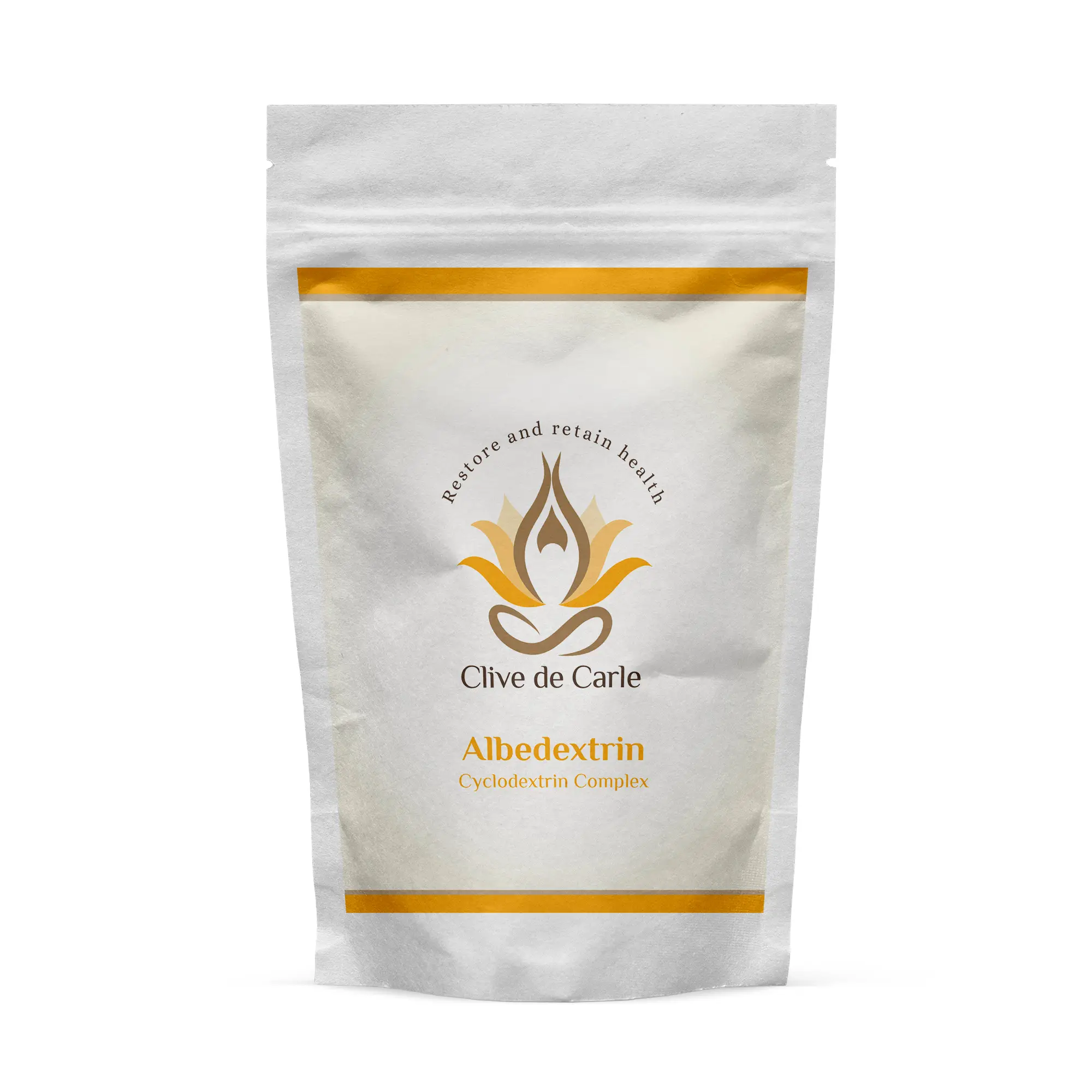
Albedextrin – Specialist Cyclodextrin Complex
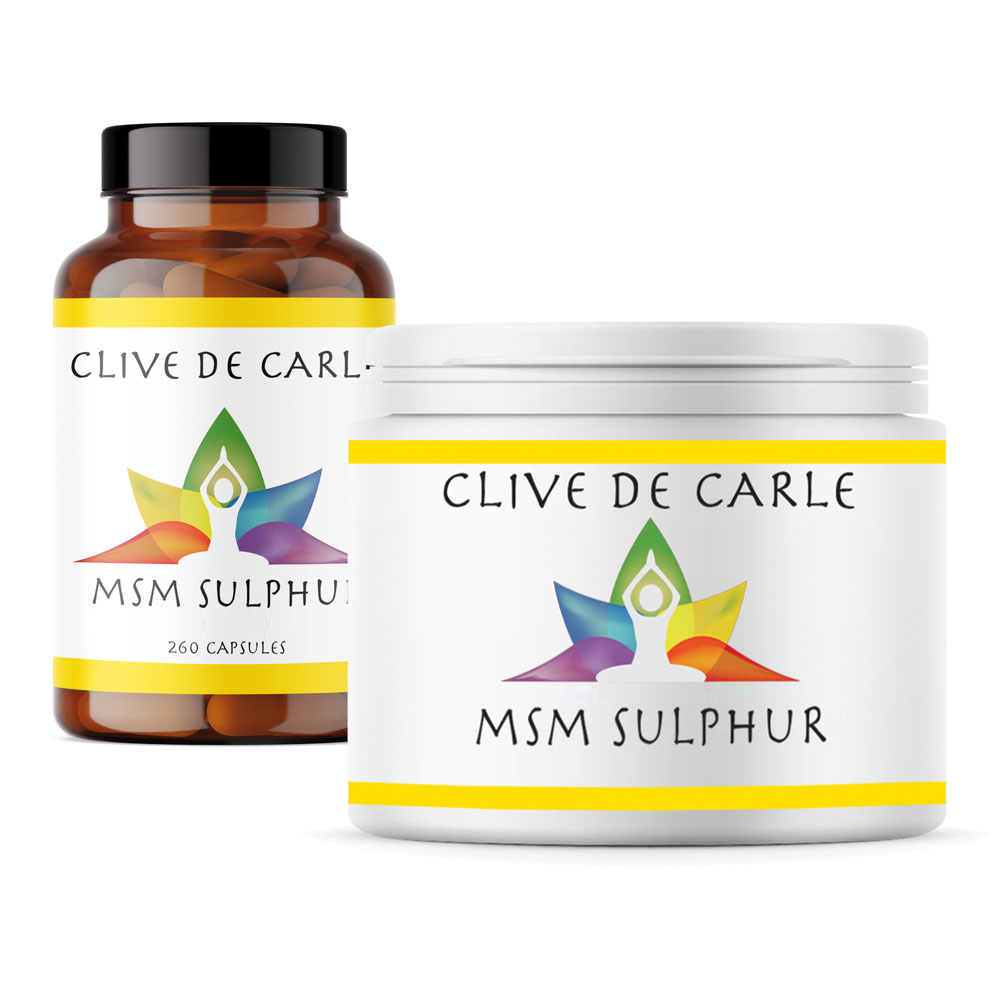
MSM Sulphur – Nature’s Forgotten Mineral
INNERSTANDING may earn a commission on purchases made through these links. All products are selected based on rigorous educational relevance to our biological research.
RABBIT HOLE
Follow the biological thread deeper