
Metallothionein Induction: The Role of Zinc in Modulating Copper Absorption
Updated May 2026
An in-depth exploration of the biochemical mechanism by which zinc supplementation induces metallothionein production in the gut, resulting in the sequestration and inhibited absorption of copper, and the clinical implications for long-term mineral balance.
Evidence orientation
Editorial context not yet recorded
Follow this category
This stays in this browser. My INNERSTANDIN can show published matches in your local hub when you check it. It does not send email, push, or alert notifications.
Local learning review
A private browser aid for revisiting ideas. It is not an alert or a health recommendation.
Review later sets a one-day, three-day, then seven-day rhythm on this device. Choose it only when you want to revisit this article.
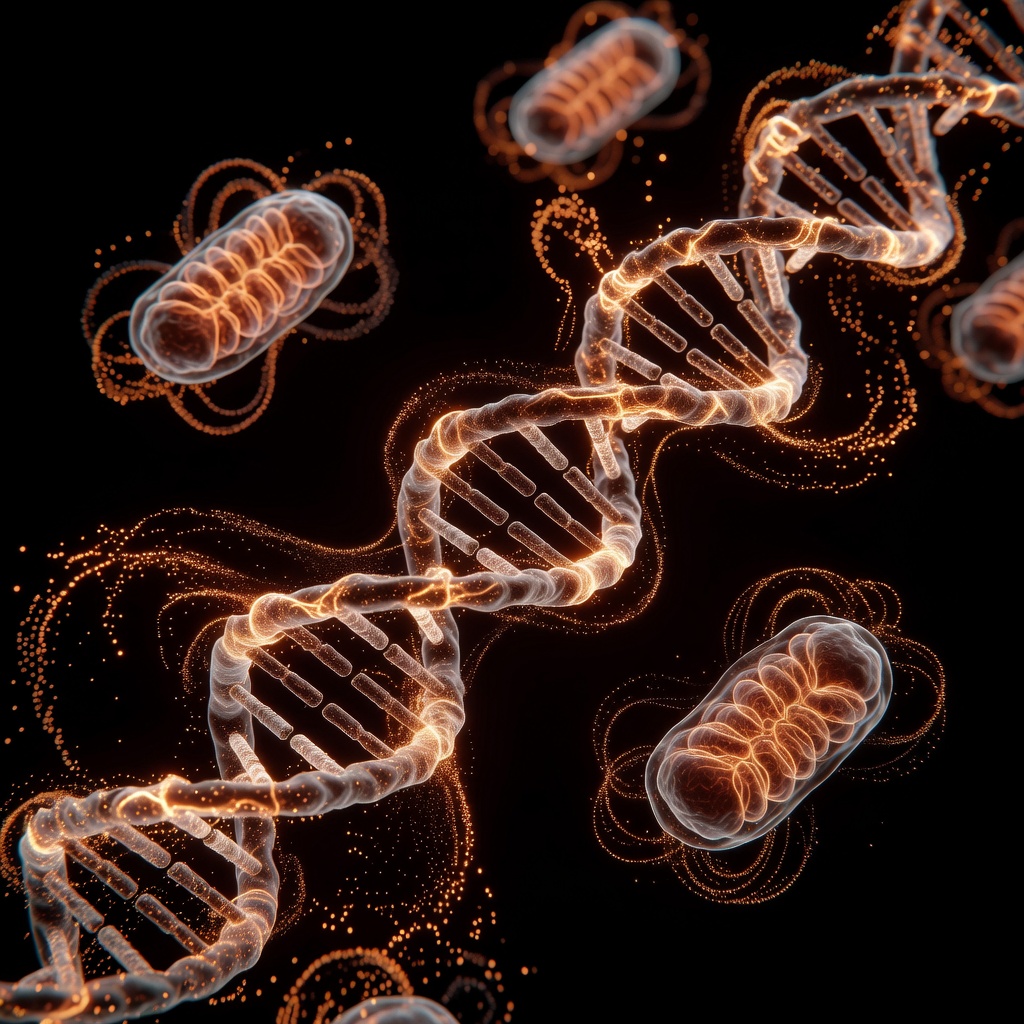
However, because both minerals are divalent cations, they often compete for the same transport mechanisms within the human body. The body has evolved a sophisticated regulatory system to prevent the over-accumulation of these metals, and metallothionein sits at the heart of this system.\n\n## What is Metallothionein?\n\nMetallothionein is a family of low-molecular-weight proteins found in the cytosol of cells, particularly in the liver, kidneys, and the intestinal mucosa. Its most striking feature is its high content of cysteine residues, which allow it to bind to heavy metals with high affinity. While MT serves as a storage vessel for essential minerals like zinc, it also acts as a detoxifying agent by sequestering toxic heavy metals like cadmium and lead.\n\nIn the context of the zinc-copper relationship, MT acts as a buffer. When zinc levels in the body rise, the synthesis of MT is upregulated to manage the excess.
However, this increase in MT has a secondary, profound effect on how the body handles copper.\n\n## The Mechanism: Zinc-Induced Induction\n\nWhen we ingest zinc, it enters the enterocytes (the cells lining the small intestine) through specific transporters like ZIP4. Once inside the cell, an abundance of zinc triggers a genetic response. It binds to a regulatory protein called Metal-responsive Transcription Factor-1 (MTF-1). Once activated, MTF-1 translocates into the cell nucleus and binds to Metal Response Elements (MREs) located in the promoter region of the metallothionein gene.\n\nThis process stimulates the production of MT mRNA, leading to the rapid synthesis of MT proteins within the intestinal cell. This is known as \"induction.\" Under normal physiological conditions, MT levels are relatively low, but in the presence of high-dose zinc supplementation, the enterocytes become saturated with MT.\n\n## The Copper Trap: Competitive Binding\n\nHerein lies the crux of the zinc-copper antagonism.
Although zinc is the primary inducer of metallothionein in the gut, MT actually has a significantly higher binding affinity for copper than it does for zinc. When copper enters the enterocyte from the intestinal lumen, it finds itself in an environment crowded with zinc-induced metallothionein.\n\nDue to its higher affinity, copper effectively displaces zinc from the MT protein or binds to vacant sites on the protein more readily. Once copper is bound to metallothionein, it becomes sequestered within the enterocyte. It is no longer free to be transported across the basolateral membrane into the bloodstream via the ATP7A transporter. \n\n## The Mucosal Block and Excretion\n\nThe final stage of this process is what nutritionists call the \"mucosal block.\" The cells lining our digestive tract have a very short lifespan, typically being replaced every three to five days. When the enterocytes reach the end of their life cycle, they are sloughed off into the intestinal lumen and excreted in the faeces. \n\nBecause the copper is trapped inside the metallothionein within these dying cells, it is never absorbed into systemic circulation.
Instead, it is eliminated from the body along with the cell. Therefore, high intakes of zinc effectively \"starve\" the body of copper by locking it away in the gut lining before it can ever reach the liver or the brain.\n\n## Clinical Significance: The Risk of Zinc-Induced Copper Deficiency\n\nAt INNERSTANDING, we frequently encounter individuals who have supplemented with high doses of zinc (often exceeding 50mg per day) for extended periods to support immunity or skin health, unaware of the metallurgical consequences. Chronic high-dose zinc intake can lead to profound copper deficiency, which manifests in several ways:\n\n1. Haematological Issues: Copper is required for the enzyme ferroxidase (ceruloplasmin), which converts iron into a form that can be transported. Without copper, iron becomes trapped in storage, leading to a microcytic anaemia that does not respond to iron supplementation.\n2. Neurological Decline: Copper is essential for maintaining the myelin sheath. Deficiency can lead to subacute combined degeneration of the spinal cord, causing numbness, tingling, and loss of coordination.\n3. Immune Suppression: Ironically, while people take zinc for immunity, copper deficiency leads to neutropenia (a low white blood cell count), making the body more vulnerable to infection.\n\n## Therapeutic Applications\n\nThis mechanism is not always a negative.
In clinical medicine, zinc-induced MT induction is used as a primary treatment for Wilson\u2019s Disease, a genetic disorder where the body cannot properly excrete copper, leading to toxic accumulation in the liver and brain. By administering high doses of zinc, doctors can induce MT in the gut to prevent the patient from absorbing any further copper from their diet, safely managing the condition through the mucosal block.\n\n## Root Cause Focus: Achieving Mineral Balance\n\nTo maintain optimal health, we must move away from the \"more is better\" approach to supplementation. The root cause of many mineral imbalances is not a lack of intake, but a lack of ratio awareness. For the average healthy adult, a zinc-to-copper ratio of approximately 10:1 or 15:1 is generally considered ideal. \n\nWhen supplementing with zinc, it is vital to consider:\n- Duration: Short-term high-dose zinc for an acute cold is unlikely to cause depletion, but long-term use requires copper balancing.\n- Bioavailability: Factors like phytates in grains can inhibit both minerals, while animal proteins can enhance absorption.\n- Testing: We recommend monitoring not just serum zinc, but also ceruloplasmin and copper levels to ensure the MT induction is not overreaching.\n\n## Conclusion\n\nThe relationship between zinc and copper is a masterclass in biological complexity. Through the induction of metallothionein, zinc acts as a powerful modulator of copper bioavailablity.
While this mechanism protects us from metal toxicity, it also demands that we treat mineral supplementation with the respect it deserves. By understanding the gatekeeper role of MT, we can better navigate our nutritional choices, ensuring that in our quest for one nutrient, we do not inadvertently lose another.", "tags": ["Zinc", "Copper", "Metallothionein", "Mineral Balance", "Nutritional Biochemistry", "Bioavailability"], "reading_time": 8}
This article is provided for informational and educational purposes only. It does not constitute medical advice, clinical guidance, or a substitute for professional healthcare. Information reflects cited research at time of publication. Always consult a qualified healthcare professional before acting on any health information.
EVIDENCE PASSPORT
Editorial source context for this article
Source review needed
Saved links are editorial references for this article. They may support specific claims rather than every sentence. Open and assess each source in context. This passport does not independently verify them.
Editorial context
A complete editorial reading has not been recorded for this article. Source links remain available for you to open and assess directly.
Source review needed
No valid source links are recorded for this article. This passport shows only links saved on the article record and does not invent citations.
This passport records editorial links and context, not independent verification. Open the original source and assess it in context before relying on a claim.
Medical Disclaimer
The information in this article is for educational purposes only and does not constitute medical advice, diagnosis, or treatment. Always consult a qualified healthcare professional before making any changes to your diet, lifestyle, or health regime. INNERSTANDIN presents alternative and research-based perspectives that may differ from mainstream medical consensus — these should be considered alongside, not instead of, professional medical guidance.
Read Full DisclaimerContinue the thread
Keep this question moving.
Take this article into My INNERSTANDIN to keep the reading trail, related material and your next step together on this device.
Dig deeper in the Library
Free, longform PDF volumes that go beyond headlines into mechanisms and references.