Circadian Rhythm Disruption and Melatonin’s Role in Protecting Cervical Tissue from Oxidative Hormonal Stress
An in-depth exploration of how the body's internal clock and the 'master antioxidant' melatonin safeguard cervical cellular integrity against lifestyle-induced oxidative stress and hormonal fluctuations.
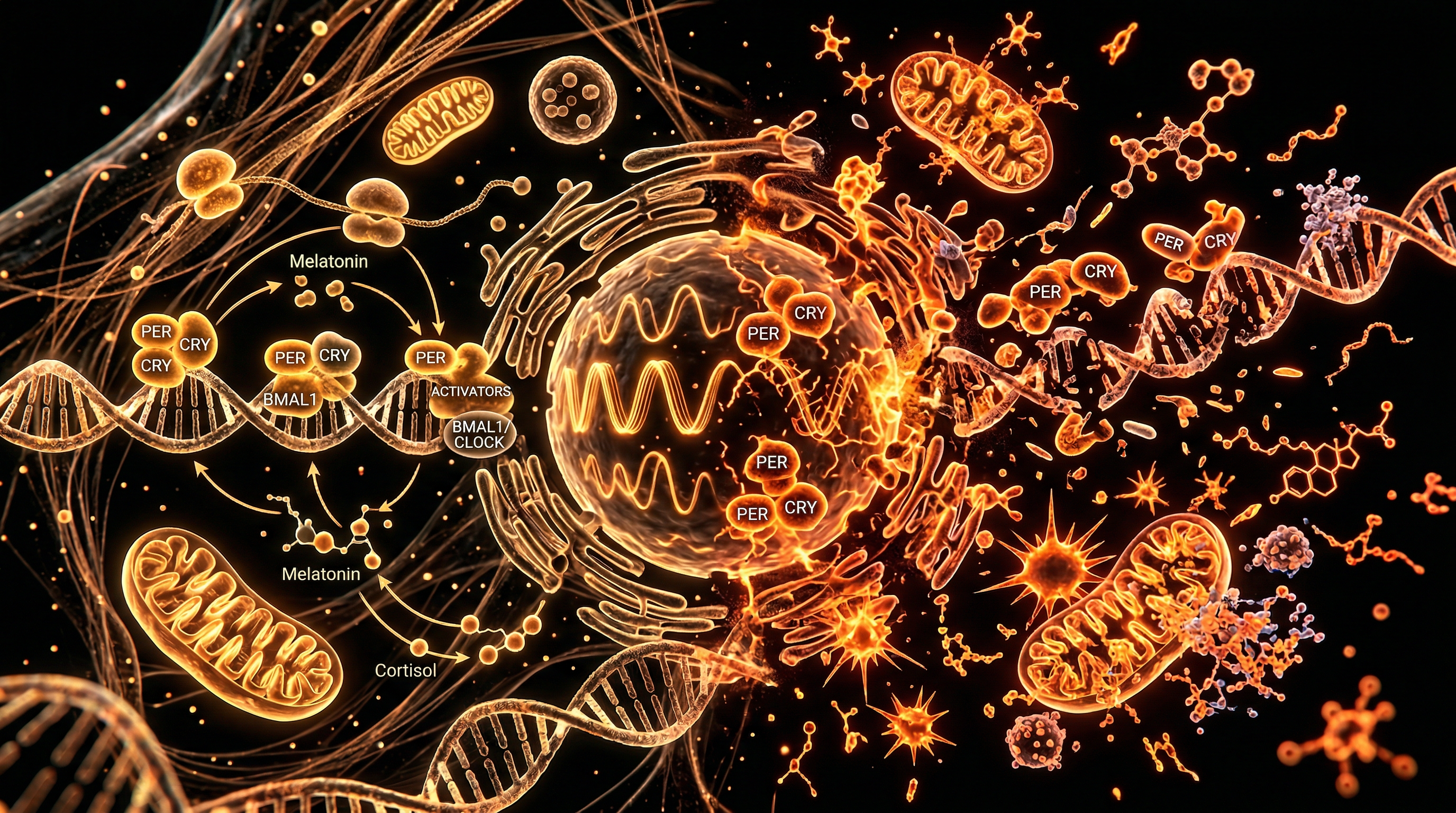
# Circadian Rhythm Disruption and Melatonin’s Role in Protecting Cervical Tissue from Oxidative Hormonal Stress\n\n## The Symphony of Chronobiology in Reproductive Health\n\nIn the landscape of modern health, we often separate our lifestyle choices from our cellular function. However, the emerging field of chronobiology—the study of biological rhythms—suggests that the timing of our lives is as critical as the substances we consume. For the female reproductive system, and specifically the cervical tissue, this internal timing is governed by a master clock in the brain (the suprachiasmatic nucleus or SCN) and peripheral clocks located within the tissues themselves. When these clocks fall out of sync, a state known as circadian disruption occurs, leading to profound physiological consequences. Central to this narrative is melatonin, a hormone whose role extends far beyond the induction of sleep into the realm of systemic cellular protection and oxidative stress mitigation.\n\n## Understanding Melatonin: The Master Antioxidant Beyond Sleep\n\nMelatonin (N-acetyl-5-methoxytryptamine) is primarily synthesized in the pineal gland during hours of darkness, a process triggered by the absence of blue light on the retina.
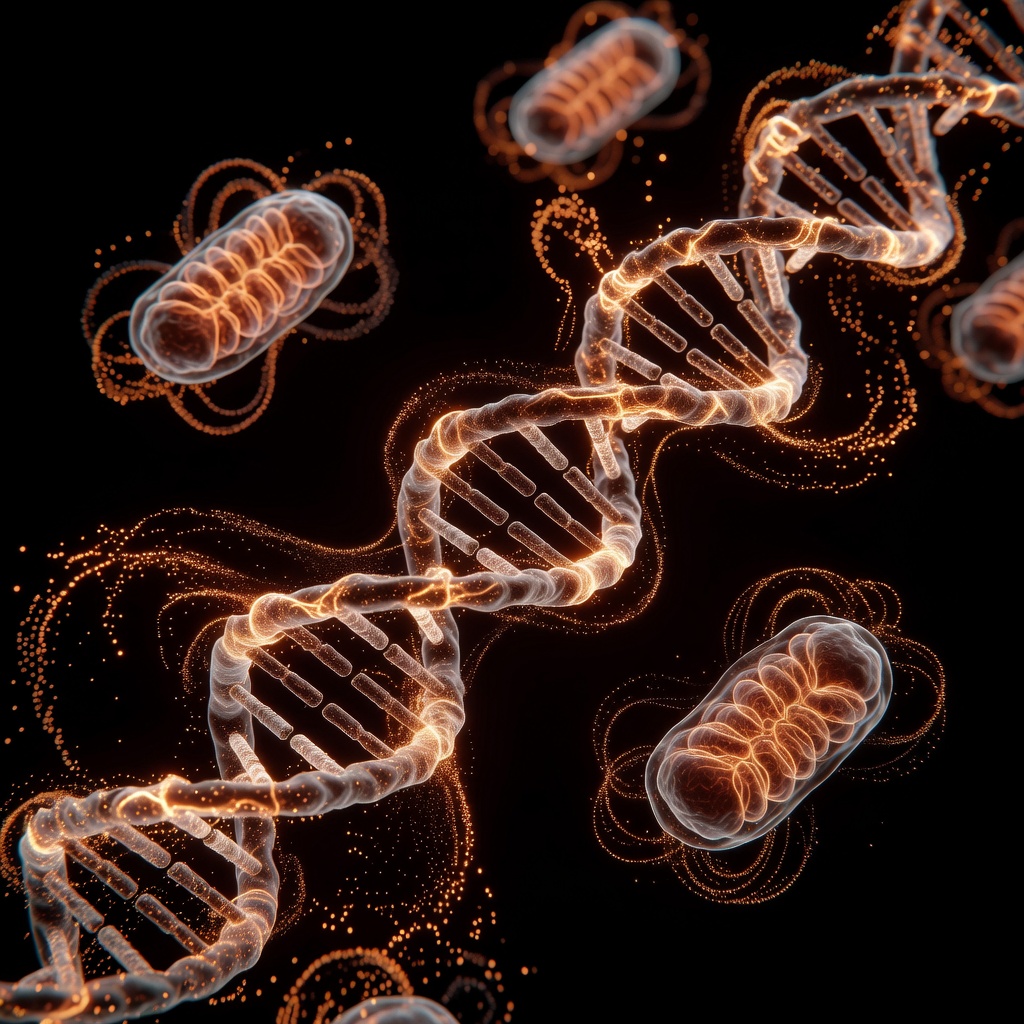
While its role in regulating the sleep-wake cycle is well-documented, its function as a potent intracellular antioxidant is perhaps its most vital contribution to cervical health. Unlike many other antioxidants, melatonin is amphiphilic, meaning it is both lipid- and water-soluble. This unique property allows it to cross all biological membranes and enter every cellular compartment with ease. It reaches the mitochondria and the nucleus, where it provides a protective shield for DNA against oxidative attack.\n\nFurthermore, melatonin operates via a 'cascaded' mechanism. When a molecule of melatonin neutralizes a free radical, it transforms into several metabolites, such as N1-acetyl-N2-formyl-5-methoxykynuramine (AFMK), which are themselves potent antioxidants.
This means a single molecule of melatonin can scavenge multiple reactive species, making it significantly more effective than traditional antioxidants like vitamins C or E. In the context of the cervix, this provides a multi-layered defense against the stressors of the reproductive cycle.\n\n## The Vulnerability of Cervical Tissue to Oxidative Stress\n\nThe cervix serves as a critical biological interface, acting as the gateway between the external environment and the internal reproductive tract. It is a tissue characterized by high metabolic activity, constantly regenerating its epithelial lining and secreting complex mucus in response to fluctuating hormones. This high rate of turnover makes it particularly susceptible to oxidative stress—an imbalance between the production of reactive oxygen species (ROS) and the body's ability to detoxify these intermediates. In cervical tissue, excessive ROS can lead to lipid peroxidation of cell membranes, protein carbonylation, and DNA strand breaks.
These cellular 'scars' are often the precursors to more serious conditions, including cervical dysplasia and increased susceptibility to viral integration.\n\n## Estrogen, Progesterone, and the Oxidative Load\n\nThe cervical environment is heavily influenced by the ebb and flow of estrogen and progesterone. Estrogen, while essential for fertility and tissue health, can act as a pro-oxidant under certain conditions. When estrogen is metabolized, it can follow various pathways; the 'catechol estrogen' pathway can produce metabolites (such as 4-hydroxyestradiol) that generate free radicals through redox cycling. Under normal conditions, melatonin acts to modulate the expression of estrogen receptors and dampen the pro-oxidative effects of these metabolites. However, when the circadian rhythm is disrupted and melatonin levels are suppressed, the cervical tissue is left vulnerable to 'hormonal oxidative stress.' This creates a state where the very hormones meant to maintain tissue function become drivers of cellular damage due to the lack of an antioxidant 'buffer.'\n\n## How Circadian Disruption Triggers Cellular Damage\n\nModern life is inherently anti-circadian.
The ubiquity of blue-light-emitting devices (phones, tablets, LEDs) after sunset, shift work, and the '24-hour society' has led to a widespread suppression of nocturnal melatonin levels. This suppression, often termed 'Light at Night' (LAN) syndrome, does more than cause fatigue; it disrupts the hypothalamic-pituitary-ovarian (HPO) axis. When the pineal gland fails to produce a robust peak of melatonin, the peripheral clocks in the cervical cells lose their temporal coordination. This leads to 'internal desynchrony,' where cellular repair processes—which should occur during the antioxidant-rich phase of sleep—are truncated or bypassed entirely. The result is an accumulation of unrepaired DNA damage and a weakened local immune response within the cervical mucosa.\n\n## The Mechanisms of Melatonin-Mediated Protection\n\nMelatonin protects the cervix through several distinct pathways:\n1. Direct Scavenging: It directly neutralizes highly reactive hydroxyl radicals and singlet oxygen, which are known to damage the delicate cervical epithelium.\n2. Enzymatic Stimulation: Melatonin upregulates the activity of endogenous antioxidant enzymes, such as glutathione peroxidase and superoxide dismutase (SOD), which provide a second line of defense.\n3. Anti-inflammatory Action: It inhibits the activation of pro-inflammatory transcription factors like NF-κB, thereby reducing chronic low-grade inflammation in the cervical canal.\n4. Genomic Stability: By protecting the p53 tumor suppressor gene and enhancing DNA repair enzymes, melatonin helps prevent the cellular mutations that lead to dysplasia.\n\n## Root Causes: Why Modern Life Challenges Cervical Longevity\n\nTo understand the root cause of cervical vulnerability, we must look at the environmental factors that diminish our 'melatonin pool.' Beyond light pollution, nutritional deficiencies play a significant role.
The synthesis of melatonin requires the amino acid tryptophan as a precursor, along with cofactors like magnesium, B6, and folate. A diet high in processed foods and low in these essential nutrients directly impairs the body's ability to produce its primary protective hormone. Furthermore, chronic stress leads to elevated cortisol levels at night, which further suppresses melatonin production. From a root-cause perspective, many gynecological challenges are not just localized issues but are manifestations of a systemic failure to align with natural light/dark cycles and maintain nutritional adequacy.\n\n## Practical Strategies for Rhythmic Alignment\n\nAt INNERSTANDING, we believe in actionable education. To restore the circadian rhythm and protect cervical tissue, one should consider the following:\n- Optimise Light Exposure: Seek 10–20 minutes of direct morning sunlight to 'prime' the pineal gland.
Conversely, use amber-tinted glasses or 'night mode' on devices after sunset to prevent melatonin suppression.\n- Create a Sleep Sanctuary: Ensure the bedroom is completely dark; even small amounts of light from a standby LED can impact hormone production.\n- Nutritional Support: Prioritize magnesium-rich foods (spinach, seeds, cacao) and tryptophan sources (turkey, eggs, pumpkin seeds) to provide the building blocks for melatonin.\n- Mindful Timing: Aligning meal times with daylight hours helps synchronize the peripheral clocks in the reproductive tract with the master clock in the brain.\n\n## Conclusion: Reclaiming the Rhythms of Health\n\nTrue health is found in the alignment of our internal biology with the external rhythms of the planet. The cervix, as a sentinel of the reproductive system, requires the protective 'darkness' of melatonin to withstand the oxidative pressures of modern life and hormonal cycling. By addressing the root causes of circadian disruption, we do more than improve our sleep; we fortify our cellular integrity at its most fundamental level. Understanding the role of melatonin is not merely about supplementation; it is about reclaiming the natural cycles that have governed human health for millennia. Through the lens of 'Innerstanding,' we see that cervical protection is a holistic endeavor—one that begins with the simple act of honoring the light and the dark.
This article is provided for informational and educational purposes only. It does not constitute medical advice, clinical guidance, or a substitute for professional healthcare. Information reflects cited research at time of publication. Always consult a qualified healthcare professional before acting on any health information.
RESEARCH FOUNDATIONS
Biological Credibility Archive
Citations provided for educational reference. Verify via PubMed or institutional databases.
Medical Disclaimer
The information in this article is for educational purposes only and does not constitute medical advice, diagnosis, or treatment. Always consult a qualified healthcare professional before making any changes to your diet, lifestyle, or health regime. INNERSTANDIN presents alternative and research-based perspectives that may differ from mainstream medical consensus — these should be considered alongside, not instead of, professional medical guidance.
Read Full DisclaimerReady to learn more?
Continue your journey through our classified biological research.
DISCUSSION ROOM
Members of THE COLLECTIVE discussing "Circadian Rhythm Disruption and Melatonin’s Role in Protecting Cervical Tissue from Oxidative Hormonal Stress"
SILENT CHANNEL
Be the first to discuss this article. Your insight could help others understand these biological concepts deeper.
THE ARSENAL
Based on Cervical Health & Hormonal Influence — products curated by our research team for educational relevance and biological support.
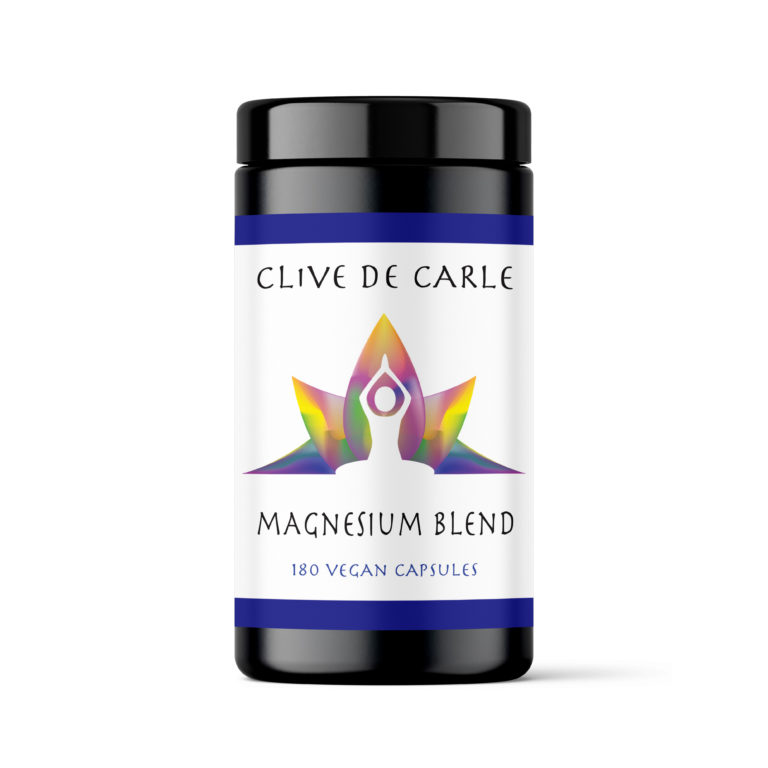
Magnesium Blend – The Most Important Mineral
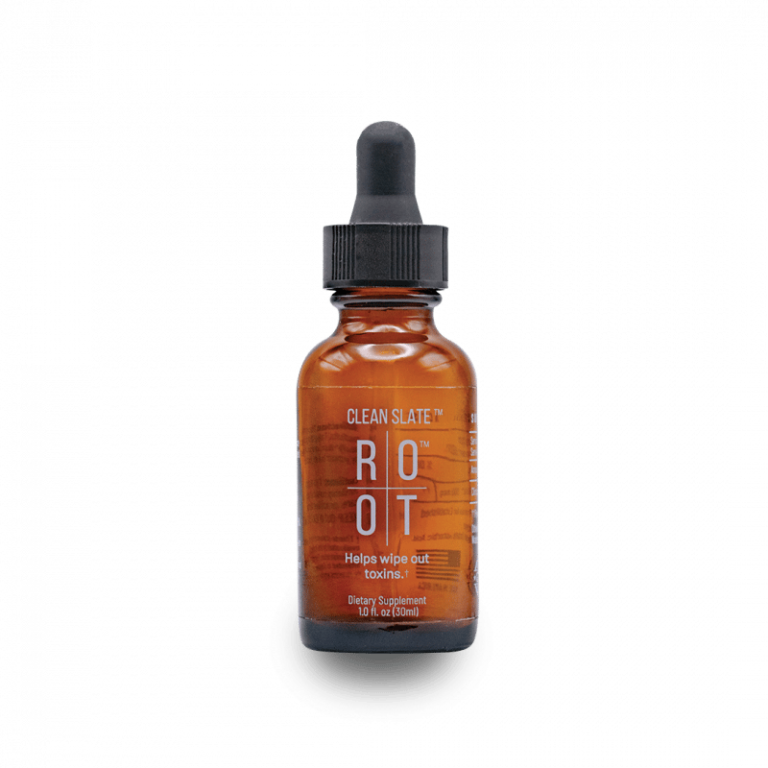
Clean Slate – Detoxes thousands of chemicals,heavy metals, pesticides, allergens, mold spores and fungus
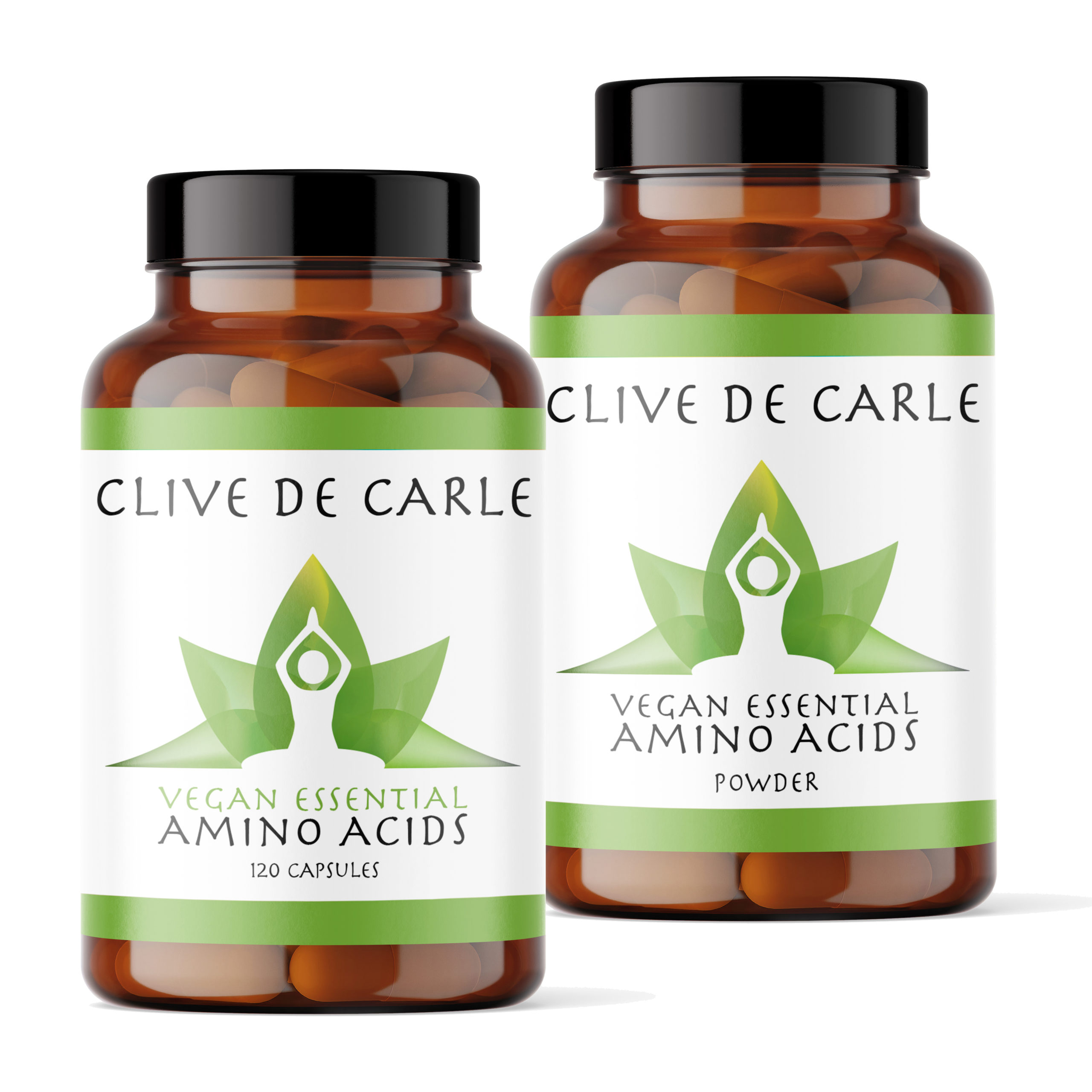
Vegan Essential Amino Acids – Plant-Powered Protein Building
INNERSTANDING may earn a commission on purchases made through these links. All products are selected based on rigorous educational relevance to our biological research.
RABBIT HOLE
Follow the biological thread deeper