
Endocrine Disruptors and Cervical Dysplasia: Mapping the Xenoestrogen Pathway
Discuss this resourceUpdated August 2026
An in-depth investigation into how environmental endocrine-disrupting chemicals (EDCs) influence the cervical microenvironment, potentially exacerbating cervical dysplasia and hindering immune clearance of high-risk HPV.
Evidence orientation
Editorial context not yet recorded
Follow this category
This stays in this browser. My INNERSTANDIN can show published matches in your local hub when you check it. It does not send email, push, or alert notifications.
Local learning review
A private browser aid for revisiting ideas. It is not an alert or a health recommendation.
Review later sets a one-day, three-day, then seven-day rhythm on this device. Choose it only when you want to revisit this article.
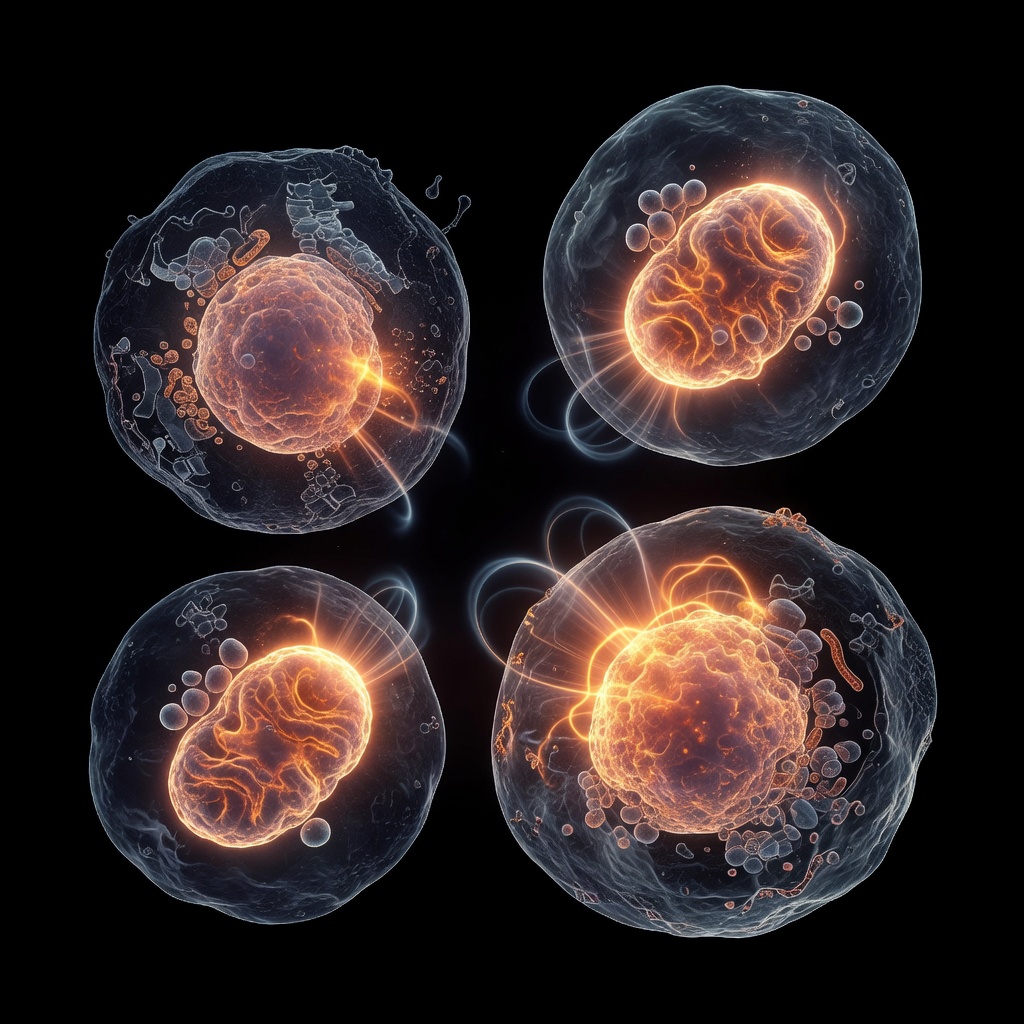
The Invisible Influence on Cervical Health
At INNERSTANDING, we advocate for a root-cause approach to women's health. While cervical dysplasia is often discussed strictly in the context of persistent Human Papillomavirus (HPV) infection, the cervical microenvironment plays a critical role in whether that virus is cleared or allowed to trigger cellular dysregulation. Emerging evidence points to an invisible culprit: endocrine-disrupting chemicals (EDCs). By mimicking or blocking natural hormones, these compounds—specifically xenoestrogens—may fundamentally alter the integrity of the cervical epithelium.
What are Xenoestrogens?
Xenoestrogens are synthetic or naturally occurring chemical compounds that mimic the structure and function of endogenous estrogen. Unlike our body's natural 17β-estradiol, these compounds do not always follow the body's tight regulatory feedback loops. They bind to estrogen receptors (ERs) throughout the body, including those present in the cervical transformation zone. Common culprits include Bisphenol-A (BPA) found in plastics, phthalates in personal care products, and persistent organic pollutants (POPs) that bioaccumulate in the food chain.
The Cervical Transformation Zone and Hormone Sensitivity
The cervical transformation zone is a site of active metaplasia, where columnar epithelium is replaced by squamous epithelium. This process is inherently sensitive to hormonal fluctuations. When xenoestrogens saturate the cellular environment, they can trigger an exaggerated estrogenic response. Research suggests that excessive estrogen signaling can promote cellular proliferation and potentially prolong the survival of HPV-infected cells, creating an environment conducive to the progression of dysplasia.
Immune Evasion and the Estrogen Connection
The ability of the immune system to clear an HPV infection depends heavily on local cytokine signaling and the integrity of the mucosal barrier. Estrogen is known to be immunomodulatory; however, the chaotic signaling provided by xenoestrogens can disrupt this delicate balance. By inducing a state of estrogen dominance, these chemicals may suppress the local cell-mediated immune response, effectively 'blinding' the body to the presence of viral proteins, thereby allowing persistent infection and subsequent dysplastic changes.
Pathways of Exposure and Mitigation
To manage the EDC load, one must look at daily exposures. Plastics, synthetic fragrances in menstrual products, and non-organic conventional agriculture are the primary vectors. Moving toward a 'hormone-conscious' lifestyle involves: 1) Eliminating endocrine-disrupting plastics in food storage; 2) Choosing organic, fragrance-free hygiene products; and 3) Supporting liver detoxification pathways, which are responsible for conjugating and excreting excess estrogens—both natural and synthetic. By mapping the xenoestrogen pathway, we move beyond reactive medicine and into proactive, systemic support for cervical resilience.
This article is provided for informational and educational purposes only. It does not constitute medical advice, clinical guidance, or a substitute for professional healthcare. Information reflects cited research at time of publication. Always consult a qualified healthcare professional before acting on any health information.
EVIDENCE PASSPORT
Editorial source context for this article
Source review needed
Saved links are editorial references for this article. They may support specific claims rather than every sentence. Open and assess each source in context. This passport does not independently verify them.
Editorial context
A complete editorial reading has not been recorded for this article, and no source links are saved on its record.
Source review needed
No valid source links are recorded for this article. Supplementary research, where available, is listed separately below.
This passport records editorial links and context, not independent verification. Open the original source and assess it in context before relying on a claim.
Medical Disclaimer
The information in this article is for educational purposes only and does not constitute medical advice, diagnosis, or treatment. Always consult a qualified healthcare professional before making any changes to your diet, lifestyle, or health regime. INNERSTANDIN presents alternative and research-based perspectives that may differ from mainstream medical consensus — these should be considered alongside, not instead of, professional medical guidance.
Read Full DisclaimerContinue the thread
Keep this question moving.
Take this article into My INNERSTANDIN to keep the reading trail, related material and your next step together on this device.
Explore this in the Body Map
Explore related body structures and their educational pages in the interactive Body Map.
Dig deeper in the Library
Free, longform PDF volumes that go beyond headlines into mechanisms and references.