Oxidative Stress Mechanisms in the Progression of Cervical Intraepithelial Lesions
Discuss this resourceUpdated August 2026
An in-depth exploration of how oxidative stress acts as a catalyst in the development of cervical intraepithelial lesions, linking cellular damage, viral persistence, and the systemic hormonal environment.
Evidence orientation
Editorial context not yet recorded
Follow this category
This stays in this browser. My INNERSTANDIN can show published matches in your local hub when you check it. It does not send email, push, or alert notifications.
Local learning review
A private browser aid for revisiting ideas. It is not an alert or a health recommendation.
Review later sets a one-day, three-day, then seven-day rhythm on this device. Choose it only when you want to revisit this article.

At INNERSTANDING, we advocate for a root-cause approach to cervical health. Understanding the progression of Cervical Intraepithelial Lesions (CIN) requires moving beyond the singular focus on Human Papillomavirus (HPV) to examine the cellular environment that allows this virus to thrive—specifically, the mechanism of oxidative stress.
Understanding Oxidative Stress
Oxidative stress is an imbalance between the production of reactive oxygen species (ROS) and the body's antioxidant defense systems. In the context of the cervical transformation zone, chronic inflammation often serves as the primary engine for this imbalance. When cervical epithelial cells are subjected to prolonged oxidative pressure, the integrity of their DNA is compromised, facilitating the integration of high-risk HPV oncogenes.
The HPV-ROS Connection
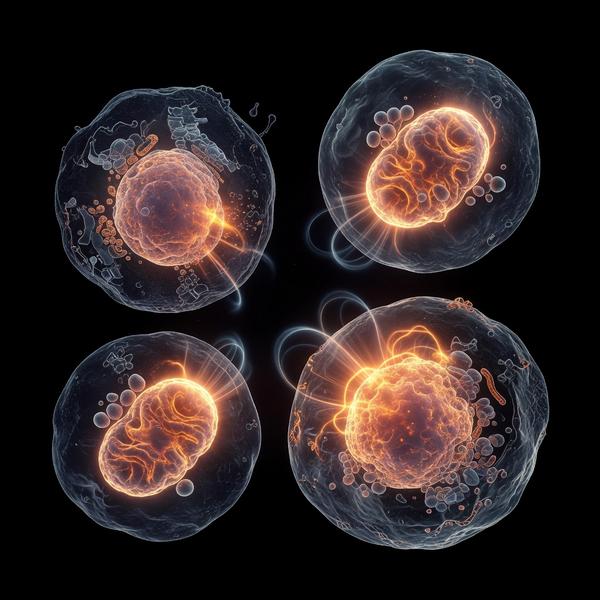
Research indicates that HPV does not operate in a vacuum. The presence of E6 and E7 oncoproteins from high-risk HPV strains induces a state of mitochondrial dysfunction within the host cells. This dysfunction increases the release of ROS, creating a self-perpetuating loop of DNA damage. As oxidative stress markers rise, the cell's repair mechanisms—such as p53 and Rb protein pathways—become inhibited, allowing dysplastic cell replication to continue unchecked.
Hormonal Influence and the Cervical Microenvironment
Cervical tissue is highly sensitive to the endocrine landscape. Estrogen, while essential for cervical health, can exert pro-oxidant effects when metabolized through specific pathways. Chronic hormonal imbalances—particularly hyperestrogenism—can sensitize cervical cells to oxidative insult. This highlights why hormonal regulation is a critical, yet often overlooked, pillar of cervical screening and preventive care.
Lifestyle and Systemic Root Causes
Systemic oxidative stress is exacerbated by lifestyle factors such as smoking, which introduces exogenous toxins that directly deplete cervical antioxidant levels (specifically Vitamin C and E). Furthermore, poor glycemic control and systemic chronic inflammation, often driven by diet and stress, provide the substrate for oxidative damage.
Conclusion: A Proactive Approach
To manage cervical health, we must shift our focus from reactive monitoring to the mitigation of oxidative triggers. By addressing systemic inflammation, supporting mitochondrial function, and balancing hormonal pathways, we can create a biological environment inhospitable to the progression of cervical lesions.
This article is provided for informational and educational purposes only. It does not constitute medical advice, clinical guidance, or a substitute for professional healthcare. Information reflects cited research at time of publication. Always consult a qualified healthcare professional before acting on any health information.
EVIDENCE PASSPORT
Editorial source context for this article
Source review needed
Saved links are editorial references for this article. They may support specific claims rather than every sentence. Open and assess each source in context. This passport does not independently verify them.
Editorial context
A complete editorial reading has not been recorded for this article, and no source links are saved on its record.
Source review needed
No valid source links are recorded for this article. Supplementary research, where available, is listed separately below.
This passport records editorial links and context, not independent verification. Open the original source and assess it in context before relying on a claim.
Medical Disclaimer
The information in this article is for educational purposes only and does not constitute medical advice, diagnosis, or treatment. Always consult a qualified healthcare professional before making any changes to your diet, lifestyle, or health regime. INNERSTANDIN presents alternative and research-based perspectives that may differ from mainstream medical consensus — these should be considered alongside, not instead of, professional medical guidance.
Read Full DisclaimerContinue the thread
Keep this question moving.
Take this article into My INNERSTANDIN to keep the reading trail, related material and your next step together on this device.
Dig deeper in the Library
Free, longform PDF volumes that go beyond headlines into mechanisms and references.
RABBIT HOLE
Follow the biological thread deeper