Cervical Dysplasia and the Xenohormone Axis: Mechanistic Links to Persistent HPV Infection
An exploration of how environmental endocrine disruptors (xenohormones) create a biochemical environment conducive to HPV persistence and the development of cervical dysplasia, focusing on root-cause metabolic and immune pathways.
Introduction: Beyond the Virus. The clinical narrative surrounding cervical health has long been dominated by the presence of Human Papillomavirus (HPV). While HPV is the primary oncogenic driver for cervical dysplasia, it is rarely a solo actor. Statistical data suggests that approximately 80% of sexually active individuals will contract HPV at some point, yet the vast majority clear the infection through innate immune surveillance within 12 to 24 months. When the virus persists, it leads to Cervical Intraepithelial Neoplasia (CIN).
The critical question for modern functional medicine is: why does the virus persist in some and not others? Emerging research points to the 'Xenohormone Axis' as a primary mediator of this persistence. This axis describes the interaction between synthetic endocrine-disrupting chemicals (EDCs) and the hormonal sensitivity of the cervical transformation zone, creating a 'perfect storm' for viral integration. ### Understanding Xenohormones and the Estrogen Burden. Xenohormones, or xenoestrogens, are synthetic compounds found in plastics (BPA, phthalates), pesticides, and personal care products (parabens) that mimic the body's natural estrogen. Unlike endogenous estrogen, which is tightly regulated and metabolized through specific pathways, xenohormones often possess a high affinity for estrogen receptors (specifically ER-alpha) and are harder for the body to clear.
The cervix is a highly estrogen-sensitive tissue. When xenohormones flood the system, they contribute to a state of 'estrogen dominance' or, more accurately, 'estrogenic overload.' This overload is not merely a hormonal imbalance; it is a signal to the cervical cells to enter a state of rapid proliferation, which is the exact environment HPV requires to replicate. ### The Mechanistic Link: E6, E7, and the 16-Alpha Pathway. To understand the root cause, we must look at the molecular level. High-risk HPV strains (such as 16 and 18) produce two primary oncoproteins: E6 and E7. These proteins are responsible for degrading the body's tumor-suppressor genes (p53 and pRb).
Research indicates that estrogen and its metabolites act as potent co-factors in this process. Specifically, the metabolite 16-alpha-hydroxyestrone (16-OHE1)—often elevated in those exposed to high levels of xenohormones—has been shown to upregulate the expression of these viral oncoproteins. In contrast, 'protective' estrogen metabolites like 2-hydroxyestrone (2-OHE1) do not have this effect. Xenohormones shift the ratio in favor of the 16-alpha pathway, effectively 'switching on' the proliferative machinery of the virus and facilitating the progression from a transient infection to high-grade dysplasia. ### The Immune-Endocrine Interface. The Xenohormone Axis also influences the local immune microenvironment of the cervix.
Clearance of HPV depends on a robust Th1-mediated immune response. However, chronic exposure to xenoestrogens and the resulting high-estrogen state promote a Th2-dominant environment, which is more focused on antibody production than on killing virally infected cells. This immune shift allows the virus to evade detection by the body's T-cells. Furthermore, xenohormones interfere with the production of protective cervical mucus and local cytokines, weakening the primary mucosal barrier. This creates an environment where the basement membrane is more susceptible to the micro-tears and viral entry that characterize the early stages of CIN. ### Liver Detoxification and the Methylation Connection.
A root-cause approach to cervical dysplasia must address why xenohormones are accumulating in the first place. This leads us to the liver and the methylation cycle. The body processes estrogen and xenohormones through Phase I (hydroxylation) and Phase II (conjugation) detoxification. If Phase I is skewed toward the 16-alpha pathway (often due to nutrient deficiencies or toxin exposure) and Phase II (methylation/glucuronidation) is sluggish, these harmful compounds recirculate. Methylation, the process of adding a methyl group to a molecule to neutralize it, is particularly critical.
Studies have shown that women with lower levels of folate and B12—key players in the methylation cycle—have higher rates of persistent HPV and cervical dysplasia. Without adequate methylation, the body cannot effectively 'tag' xenohormones for excretion, leading to the hormonal overload that fuels dysplasia. ### Environmental and Lifestyle Triggers in
the UK Context
In the UK, environmental exposure to xenohormones is ubiquitous. From bisphenols in food packaging to the use of conventional hygiene products, the cumulative 'toxic load' is significant. Furthermore, the modern UK diet, often low in cruciferous vegetables (which contain Indole-3-Carbinol, a compound that shifts estrogen metabolism toward the protective 2-OHE1 pathway), leaves many individuals without the nutritional tools to combat these endocrine disruptors. When combined with chronic stress—which elevates cortisol and further disrupts the HPO (Hypothalamic-Pituitary-Ovarian) axis—the body's ability to maintain cervical homeostasis is severely compromised. ### Root-Cause Strategies for Resolution.
Addressing cervical dysplasia requires more than just the surgical removal of abnormal cells (such as LLETZ or Loop excision). While these procedures are vital for preventing cancer, they do not address the underlying xenohormone axis that allowed the virus to persist. A comprehensive strategy includes: 1. Reducing the Xenoestrogen Load: Transitioning to plastic-free storage, organic produce to avoid pesticides, and hormone-free personal care products. 2. Supporting Oestrogen Metabolism: Using targeted nutrients like Diindolylmethane (DIM) or I3C to favor protective metabolic pathways. 3.
Enhancing Methylation: Ensuring adequate intake of active folate (5-MTHF), B12, and B6 to support Phase II liver clearance. 4. Immune Modulation: Utilizing medicinal mushrooms and zinc to shift the immune response back toward a Th1 antiviral state. 5. Microbiome Support: Addressing both the gut and vaginal microbiomes, as dysbiosis in these areas can lead to the recirculation of estrogen via the 'estrobolome.' ### Conclusion: A Holistic Vision for Cervical Health. Cervical dysplasia is not an isolated event; it is a systemic signal that the body's hormonal and immune systems are out of balance. By understanding the Xenohormone Axis, we move away from a model of 'waiting for the next smear test' and toward a proactive, empowered approach to health.
Recognizing the mechanistic links between our environment, our hormones, and viral persistence allows for a truly integrative path toward long-term cervical wellness.
This article is provided for informational and educational purposes only. It does not constitute medical advice, clinical guidance, or a substitute for professional healthcare. Information reflects cited research at time of publication. Always consult a qualified healthcare professional before acting on any health information.
RESEARCH FOUNDATIONS
Biological Credibility Archive
Citations provided for educational reference. Verify via PubMed or institutional databases.
Medical Disclaimer
The information in this article is for educational purposes only and does not constitute medical advice, diagnosis, or treatment. Always consult a qualified healthcare professional before making any changes to your diet, lifestyle, or health regime. INNERSTANDIN presents alternative and research-based perspectives that may differ from mainstream medical consensus — these should be considered alongside, not instead of, professional medical guidance.
Read Full DisclaimerReady to learn more?
Continue your journey through our classified biological research.
DISCUSSION ROOM
Members of THE COLLECTIVE discussing "Cervical Dysplasia and the Xenohormone Axis: Mechanistic Links to Persistent HPV Infection"
SILENT CHANNEL
Be the first to discuss this article. Your insight could help others understand these biological concepts deeper.
THE ARSENAL
Based on Cervical Health & Hormonal Influence — products curated by our research team for educational relevance and biological support.
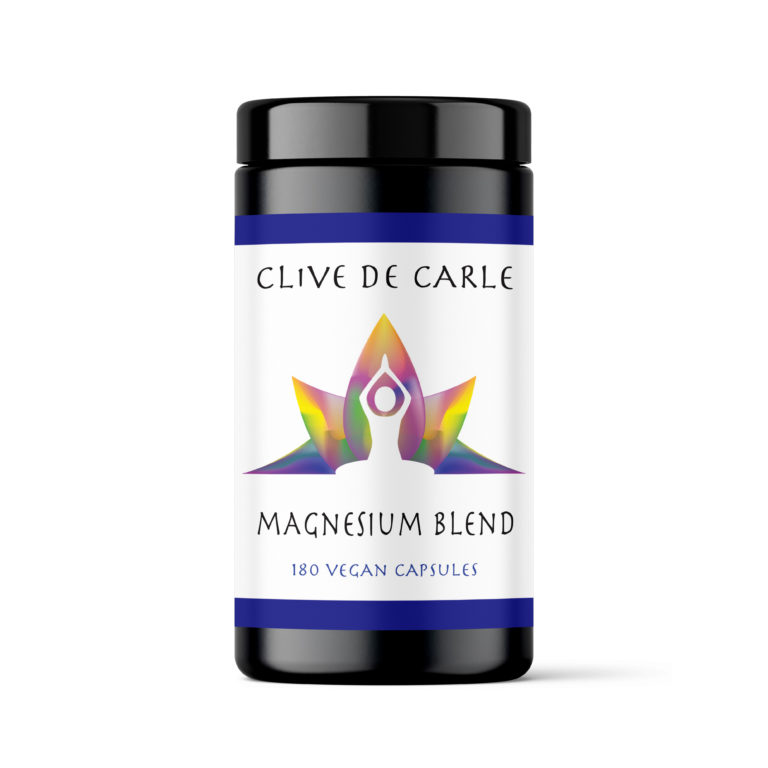
Magnesium Blend – The Most Important Mineral
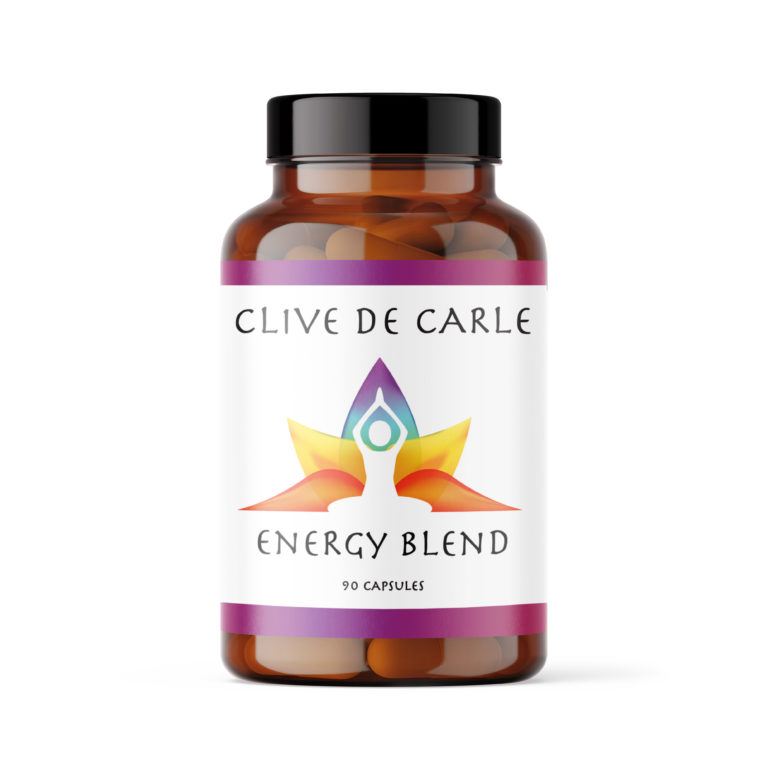
Energy Blend Supports
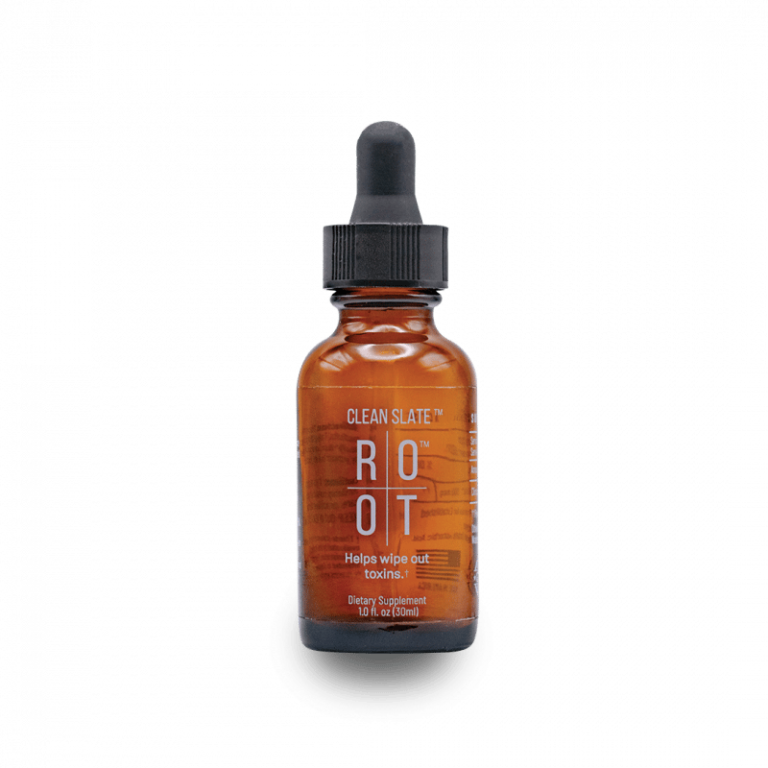
Clean Slate – Detoxes thousands of chemicals,heavy metals, pesticides, allergens, mold spores and fungus
INNERSTANDING may earn a commission on purchases made through these links. All products are selected based on rigorous educational relevance to our biological research.
RABBIT HOLE
Follow the biological thread deeper