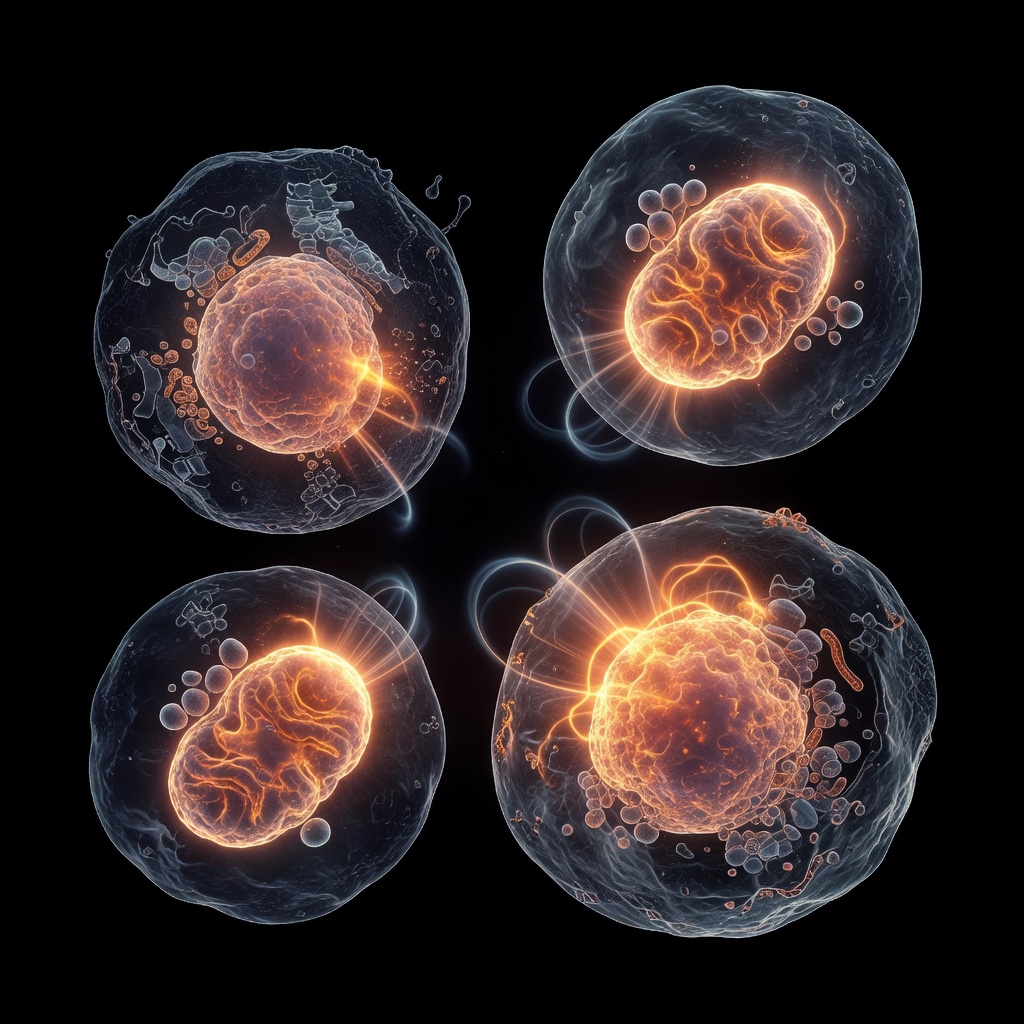
Endocrine Disrupting Chemicals: Impact of Bisphenol A on Cervical Mucus Rheology and Sperm Transport
A comprehensive examination of how the environmental xenoestrogen Bisphenol A (BPA) disrupts the biophysical properties of cervical mucus, altering its rheological profile and creating a physical barrier to sperm transport and successful conception.

# The Silent Barrier: How BPA Disrupts Cervical Microenvironments
In the intricate dance of human fertility, the cervix is often relegated to a secondary role, overshadowed by the ovaries and the uterus. However, for those seeking to understand the root causes of subfertility, the cervix represents the primary gatekeeper. It is here that the body produces cervical mucus (CM), a sophisticated hydrogel that changes its physical properties in response to hormonal shifts. Emerging research suggests that this delicate system is under threat from Endocrine Disrupting Chemicals (EDCs), specifically Bisphenol A (BPA). By mimicking oestrogen, BPA interferes with the rheology—the flow and deformation—of cervical mucus, potentially turning a fertile gateway into a hostile barrier.
The Xenoestrogenic Profile of Bisphenol A
Bisphenol A is a ubiquitous industrial chemical used in the production of polycarbonate plastics and epoxy resins. It is found in everything from the lining of tinned foods to thermal credit card receipts. The danger of BPA lies in its molecular structure, which is similar enough to 17β-oestradiol to allow it to bind to oestrogen receptors (ER-alpha and ER-beta).
As a xenoestrogen, BPA does not merely add to the body’s oestrogen load; it confuses the signalling pathways. In the UK, where environmental exposure is a growing concern for holistic health platforms like INNERSTANDING, understanding this molecular mimicry is essential. When BPA occupies oestrogen receptors in the cervical crypts, it sends ‘false’ signals that disrupt the natural cyclical changes required for conception.
The Physics of Fertility: Understanding Cervical Mucus Rheology
Rheology is the study of how matter flows. In the context of cervical health, rheology refers to the viscosity, elasticity, and plasticity of the mucus. Throughout a healthy menstrual cycle, the rheological properties of CM are strictly regulated by the ratio of oestrogen to progesterone.
During the follicular phase, rising oestrogen levels transform the mucus into ‘Type E’ (Oestrogenic). This mucus is characterized by high hydration (95-98% water), low viscosity, and high Spinnbarkeit (stretchability). Under a microscope, Type E mucus forms a parallel-aligned, crystalline structure that provides ‘highways’ for sperm to travel through.
Conversely, after ovulation, progesterone dominates, creating ‘Type G’ (Gestagenic) mucus. This is thick, highly cross-linked, and dense, acting as a physical plug to protect the uterus from pathogens. The problem arises when BPA disrupts this transition, causing the mucus to retain ‘Type G’ characteristics even during the ‘fertile window.’
Molecular Sabotage: How BPA Alters Mucin Architecture
Cervical mucus is primarily composed of mucins—large, highly glycosylated proteins. The way these mucins are branched and hydrated determines the pore size of the mucus mesh. Research into the impact of BPA on cervical health has shown that exposure can lead to altered gene expression of MUC5B, the primary mucin responsible for fertile-quality fluid.
BPA exposure has been linked to a decrease in the hydration of these mucin glycoproteins. When mucins are less hydrated, the resulting hydrogel is denser and more viscous. This is a root-cause issue: it is not just that there is ‘less’ mucus, but that the molecular architecture of the mucus is fundamentally flawed. The ‘pores’ in the mucus lattice, which should be large enough to allow sperm to pass, become constricted. This phenomenon, often referred to as ‘hostile mucus,’ is a significant but frequently overlooked factor in unexplained infertility.
Consequences for Sperm Transport and Kinetics
For a sperm cell to reach the oocyte, it must navigate the cervical canal using a specific type of motility. The rheology of the mucus dictates the swimming pattern of the sperm. In healthy, low-viscosity Type E mucus, sperm exhibit ‘progressive motility,’ moving in a straight line with high velocity.
When BPA alters the rheology, making the mucus thicker or more elastic, the sperm are forced to expend significantly more energy to move through the medium. This leads to ‘premature exhaustion’ of the sperm’s energy reserves. Furthermore, the altered chemical environment may trigger a premature acrosome reaction—the process where the sperm releases enzymes to penetrate the egg—before the sperm even reaches the fallopian tubes. By changing the physical environment of the cervix, BPA effectively acts as a ‘biological contraceptive.’
Identifying the Root Cause: Environmental Load
To address cervical health, we must look beyond the symptoms of ‘dryness’ or ‘hostility’ and identify the environmental load. BPA is a lipophilic compound, meaning it stores in fat cells and can persist in the body. For women in the UK, common sources of exposure include:
- —Thermal Paper: Handling till receipts can lead to transdermal absorption of BPA.
- —Canned Goods: Many tin linings still use BPA-based epoxy resins which leach into acidic foods (like tomatoes).
- —Plastic Containers: Heating food in plastic containers can cause BPA to migrate into the meal.
- —Microplastics: Contaminated water supplies and sea salt may contain degraded plastic particles that act as EDC vectors.
Strategies for Reduction and Resilience
While it is impossible to avoid EDCs entirely in the modern world, the INNERSTANDING approach focuses on reducing the ‘total load’ and supporting the body’s natural detoxification pathways.
- —Source Elimination: Transition to glass or stainless steel for food storage and avoid handling thermal receipts where possible.
- —Dietary Support: Cruciferous vegetables (broccoli, kale, Brussels sprouts) contain Indole-3-carbinol, which helps the liver metabolize oestrogen and xenoestrogens more efficiently.
- —Hydration: Adequate water intake is essential for mucin hydration. Filtering water to remove microplastics can further reduce EDC exposure.
- —Monitoring: Tracking cervical mucus changes over several cycles can provide a window into your hormonal health. If the ‘fertile window’ mucus remains thick or opaque, it may be a sign of endocrine disruption.
Conclusion: Reclaiming Hormonal Harmony
The impact of Bisphenol A on cervical mucus rheology is a stark reminder of how our environment dictates our internal biology. By disrupting the physical properties of the cervical gatekeeper, BPA creates a silent barrier to fertility. However, by understanding the root causes—the xenoestrogenic mimicry and the molecular alteration of mucins—we can take proactive steps to reduce our exposure and support our reproductive health. Protecting the cervix is not just about fertility; it is about maintaining the hormonal harmony that is foundational to overall wellbeing.
This article is provided for informational and educational purposes only. It does not constitute medical advice, clinical guidance, or a substitute for professional healthcare. Information reflects cited research at time of publication. Always consult a qualified healthcare professional before acting on any health information.
RESEARCH FOUNDATIONS
Biological Credibility Archive
Citations provided for educational reference. Verify via PubMed or institutional databases.
Medical Disclaimer
The information in this article is for educational purposes only and does not constitute medical advice, diagnosis, or treatment. Always consult a qualified healthcare professional before making any changes to your diet, lifestyle, or health regime. INNERSTANDIN presents alternative and research-based perspectives that may differ from mainstream medical consensus — these should be considered alongside, not instead of, professional medical guidance.
Read Full DisclaimerReady to learn more?
Continue your journey through our classified biological research.
THE ARSENAL
Based on Cervical Health & Hormonal Influence — products curated by our research team for educational relevance and biological support.
Magnesium Blend – The Most Important Mineral
Clean Slate – Detoxes thousands of chemicals,heavy metals, pesticides, allergens, mold spores and fungus
Vegan Essential Amino Acids – Plant-Powered Protein Building
INNERSTANDING may earn a commission on purchases made through these links. All products are selected based on rigorous educational relevance to our biological research.
RABBIT HOLE
Follow the biological thread deeper