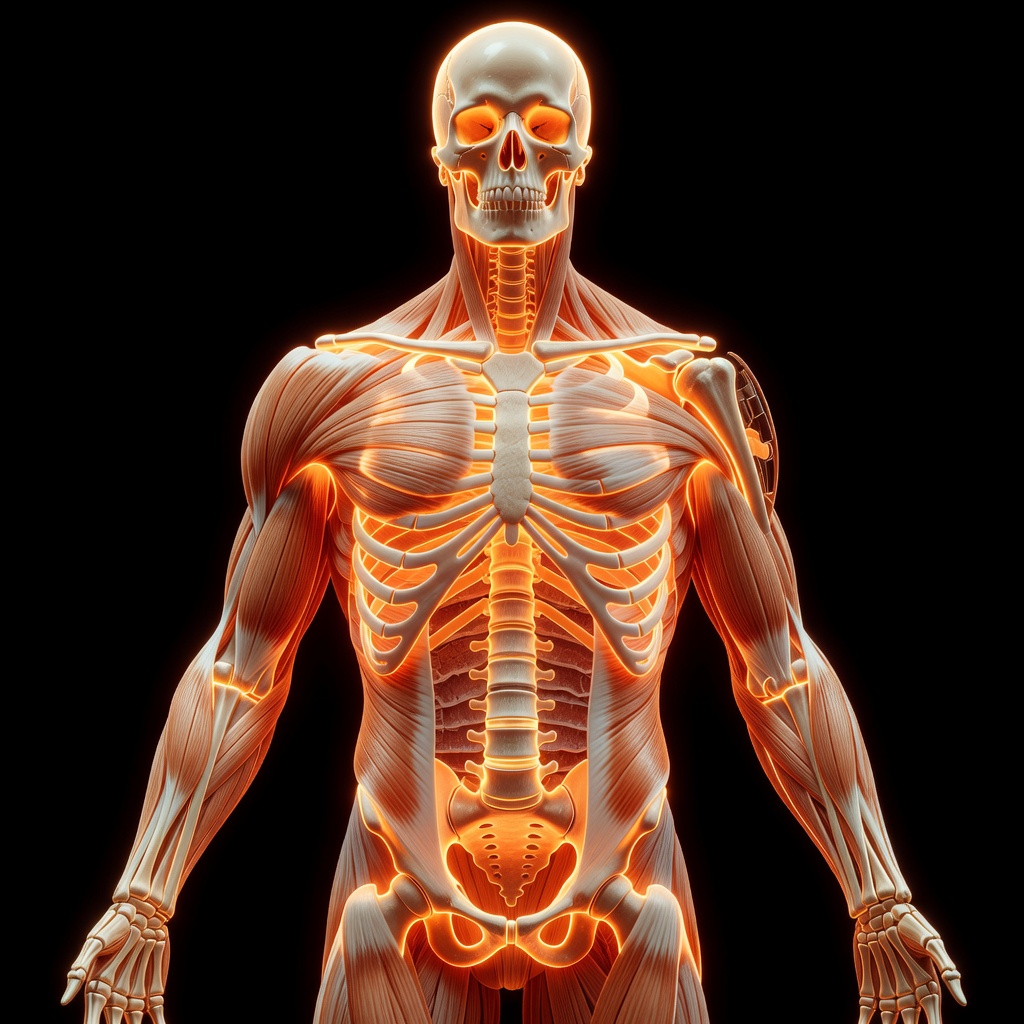
Phthalates and the Cervical Barrier: Disruption of Tight Junction Proteins and Pathogen Permeability
An in-depth exploration into how endocrine-disrupting phthalates compromise the cervical epithelium by degrading tight junction proteins, leading to increased pathogen permeability and systemic hormonal imbalance.
# Phthalates and the Cervical Barrier: Disruption of Tight Junction Proteins and Pathogen Permeability
In the landscape of reproductive health, the cervix is often viewed through the narrow lens of screening or its role during childbirth. However, at INNERSTANDING, we advocate for a root-cause perspective that recognises the cervix as a sophisticated immunological and physical gatekeeper. One of the most significant yet overlooked threats to this barrier is the ubiquitous presence of phthalates—endocrine-disrupting chemicals (EDCs) that permeate our modern environment. Recent toxicological research suggests that phthalate exposure doesn't just disrupt hormones; it fundamentally alters the structural integrity of the cervical barrier by targeting the proteins that hold our cells together.
The Biological Fortress: Understanding the Cervical Barrier
The cervix acts as a sentinel, protecting the upper reproductive tract—including the uterus, fallopian tubes, and ovaries—from ascending pathogens. This protection is mediated by a specialised layer of epithelial cells. The integrity of this barrier depends entirely on the 'junctional complex,' a network of proteins that seal the spaces between adjacent cells.
Among these, Tight Junctions (TJs) are the most apical and crucial. These complexes, composed of proteins such as occludin, claudins, and zonula occludens (ZO-1), act as the 'mortar' between the cellular 'bricks.' When these proteins are functioning optimally, they regulate the movement of ions, water, and, most importantly, prevent the passage of bacteria, viruses, and environmental toxins. A robust cervical barrier is the first line of defence against Pelvic Inflammatory Disease (PID), Bacterial Vaginosis (BV), and Human Papillomavirus (HPV) persistence.
Phthalates: The Silent Disrupters
Phthalates are esters of phthalic acid, primarily used as plasticisers to increase the flexibility and longevity of plastics (PVC) or as solvents in personal care products. They are found in everything from food packaging and medical tubing to synthetic fragrances and cosmetics. Unlike some chemicals that stay bound to products, phthalates leach easily into the air, food, and skin.
For women, exposure is often higher due to the use of scented sanitary products, lubricants, and conventional cosmetics. Once absorbed, phthalates and their metabolites—such as mono-ethylhexyl phthalate (MEHP)—circulate systemically, with a particular affinity for reproductive tissues that are sensitive to hormonal signaling.
The Molecular Mechanism of Disruption
How exactly do phthalates 'break' the cervical barrier? The mechanism is twofold: direct protein degradation and indirect endocrine interference.
1. Degradation of Tight Junction Proteins
Emerging studies indicate that exposure to phthalates like DEHP (di-2-ethylhexyl phthalate) triggers a cascade of oxidative stress within the cervical epithelium. This increase in reactive oxygen species (ROS) activates intracellular signaling pathways (such as the MAPK pathway) that lead to the downregulation of gene expression for occludin and claudin-1.
Essentially, the 'blueprints' for the cervical mortar are suppressed. Without adequate protein synthesis, the tight junctions become 'leaky.' This phenomenon, often referred to in a gastrointestinal context as 'leaky gut,' is equally relevant in the cervix. A 'leaky cervix' allows for the paracellular transport of pathogens that would otherwise be excluded.
2. Hormonal Mimicry and Barrier Remodelling
The cervix is a highly hormone-responsive organ. Oestrogen typically promotes the thickening and strengthening of the epithelial barrier, while progesterone influences the composition of cervical mucus. Phthalates are notorious xenoestrogens—they can bind to oestrogen receptors (ERα and ERβ) and send 'false' signals to the cervical cells.
By mimicking or blocking natural oestrogen, phthalates can induce premature or inappropriate remodelling of the cervical tissue. This hormonal interference further weakens the junctional complexes, as the cellular turnover and protein expression are no longer aligned with the body's natural cycle. This is a primary example of how environmental toxins act as a root cause for what is often misdiagnosed as simple 'chronic infection.'
Pathogen Permeability and Clinical Consequences
When the tight junction proteins are compromised, the physical gap between cells increases, leading to several clinical outcomes:
- —Increased Viral Susceptibility: A porous cervical barrier provides a direct pathway for HPV to reach the basal layer of the epithelium, which is necessary for the virus to establish an infection. This may explain why some individuals are more prone to persistent HPV infections despite a healthy lifestyle.
- —Microbiome Dysbiosis: The cervical barrier and the vaginal microbiome exist in a symbiotic relationship. A breach in the barrier can trigger a local inflammatory response, altering the pH and allowing pathogenic bacteria (like *Gardnerella vaginalis*) to flourish over protective *Lactobacillus* species.
- —Ascending Infections: If the cervical gate is weak, bacteria from the lower reproductive tract can migrate into the uterus. This is a significant risk factor for subclinical endometritis, which is increasingly linked to unexplained infertility and recurrent pregnancy loss.
- —Preterm Birth Risks: Research has identified a strong correlation between high phthalate metabolites in urine and a shortened cervix or premature cervical ripening, both of which are precursors to preterm birth.
Root-Cause Solutions: Strengthening the Barrier
At INNERSTANDING, we believe that identifying the threat is only the first step. To restore cervical integrity, we must address both the removal of the disruptor and the support of cellular repair.
Reducing Exposure (The Removal Phase)
- —Audit Your Personal Care: Transition to 'fragrance-free' and phthalate-free products. In the UK, 'parfum' on a label is often a loophole for hidden phthalates.
- —Mindful Menstruation: Switch to organic cotton pads and tampons, or medical-grade silicone cups. Conventional menstrual products are a hidden source of plasticisers in direct contact with the cervical mucosa.
- —Food Storage: Avoid heating food in plastic containers and reduce the use of cling film. Opt for glass or stainless steel to prevent phthalate leaching into the diet.
Supporting Cellular Integrity (The Repair Phase)
- —Antioxidant Support: Since phthalates cause damage through oxidative stress, increasing the intake of Vitamin C, Vitamin E, and glutathione-supporting nutrients (like N-acetyl cysteine) can help neutralise ROS before they damage junctional proteins.
- —Optimising Oestrogen Metabolism: Supporting the liver’s Phase II detoxification—specifically the glucuronidation pathway—is essential for clearing phthalates from the body. Cruciferous vegetables (rich in Sulforaphane and DIM) are vital for this process.
- —Probiotic Seeding: Using specific vaginal probiotics (such as *Lactobacillus rhamnosus* GR-1) can help maintain the acidic environment that supports barrier function and discourages pathogen adherence.
Conclusion
The disruption of cervical tight junction proteins by phthalates is a compelling example of how environmental toxicology intersects with reproductive health. By understanding that a 'leaky cervix' is a structural and biochemical reality, we can move beyond treating symptoms and begin addressing the environmental root causes. Protecting the cervical barrier is not just about preventing infection; it is about preserving the foundational integrity of the female reproductive system against the silent pressures of the modern world.
This article is provided for informational and educational purposes only. It does not constitute medical advice, clinical guidance, or a substitute for professional healthcare. Information reflects cited research at time of publication. Always consult a qualified healthcare professional before acting on any health information.
RESEARCH FOUNDATIONS
Biological Credibility Archive
Citations provided for educational reference. Verify via PubMed or institutional databases.
Medical Disclaimer
The information in this article is for educational purposes only and does not constitute medical advice, diagnosis, or treatment. Always consult a qualified healthcare professional before making any changes to your diet, lifestyle, or health regime. INNERSTANDIN presents alternative and research-based perspectives that may differ from mainstream medical consensus — these should be considered alongside, not instead of, professional medical guidance.
Read Full DisclaimerReady to learn more?
Continue your journey through our classified biological research.
DISCUSSION ROOM
Members of THE COLLECTIVE discussing "Phthalates and the Cervical Barrier: Disruption of Tight Junction Proteins and Pathogen Permeability"
SILENT CHANNEL
Be the first to discuss this article. Your insight could help others understand these biological concepts deeper.
THE ARSENAL
Based on Cervical Health & Hormonal Influence — products curated by our research team for educational relevance and biological support.
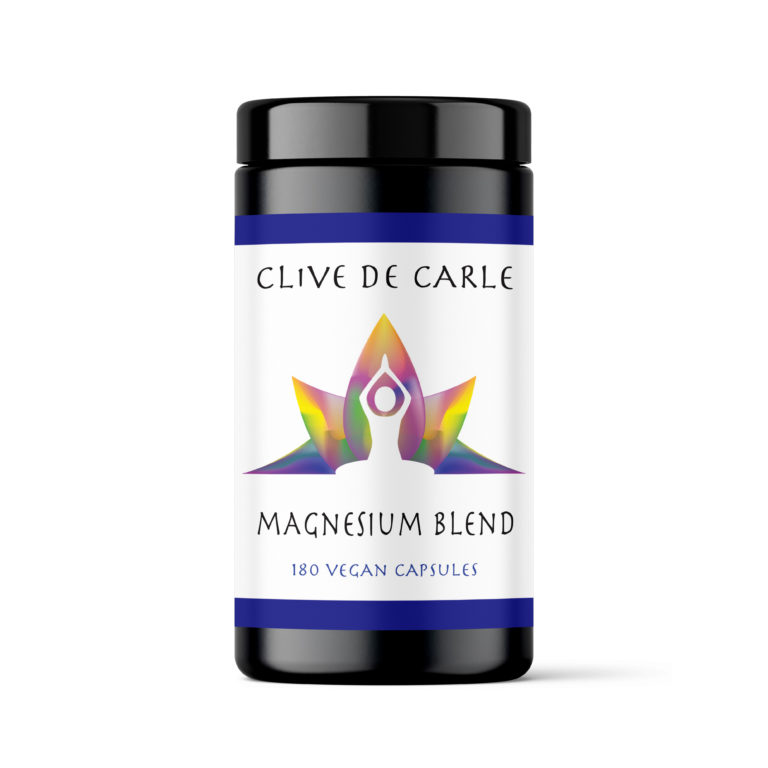
Magnesium Blend – The Most Important Mineral
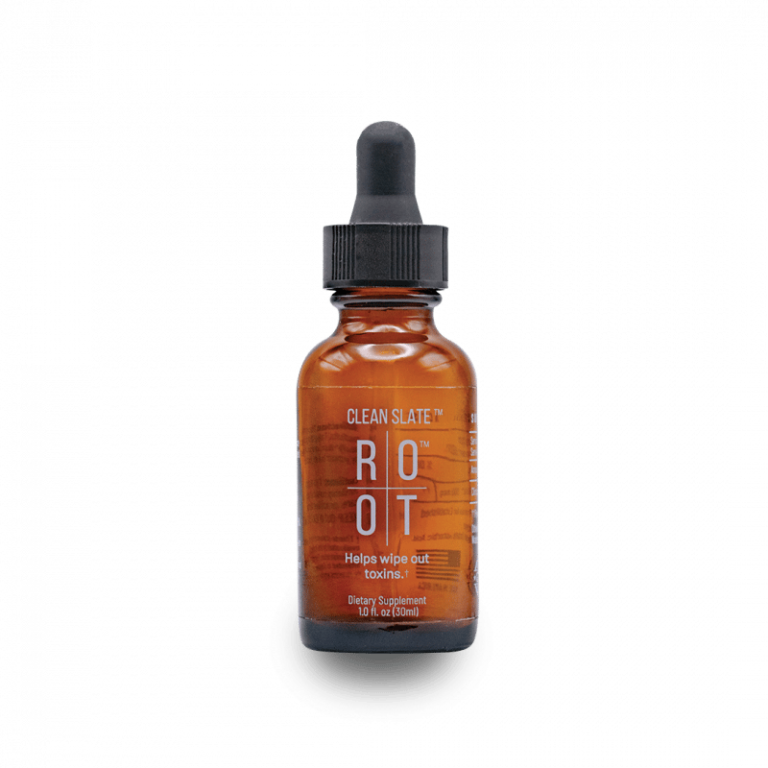
Clean Slate – Detoxes thousands of chemicals,heavy metals, pesticides, allergens, mold spores and fungus
Vegan Essential Amino Acids – Plant-Powered Protein Building
INNERSTANDING may earn a commission on purchases made through these links. All products are selected based on rigorous educational relevance to our biological research.
RABBIT HOLE
Follow the biological thread deeper