
The Engine of Motherhood: Mitochondrial DNA Damage and Oxidative Phosphorylation Efficiency in Postpartum Recovery
An in-depth exploration of the cellular mechanics of postpartum fatigue, focusing on mitochondrial DNA vulnerability, oxidative phosphorylation efficiency, and the role of nutrient-driven bioenergetics in maternal recovery.

# The Engine of Motherhood: Mitochondrial DNA Damage and Oxidative Phosphorylation Efficiency in Postpartum Recovery ## Introduction In the landscape of maternal health, the postpartum period is frequently framed through the lens of hormonal fluctuations and psychological adjustment. While these factors are undeniably significant, a root-cause perspective requires us to look deeper—specifically into the cellular engine rooms that power every physiological process: the mitochondria. The transition from the third trimester through birth and into lactation represents a period of extreme metabolic demand. When this demand exceeds the body's capacity to produce energy efficiently, we see the emergence of 'Postpartum Depletion.' This article explores the biochemical intersection of mitochondrial DNA (mtDNA) integrity and Oxidative Phosphorylation (OXPHOS) efficiency, providing a scientific framework for understanding maternal exhaustion and recovery. ## Understanding the Mitochondrial Powerhouse Mitochondria are double-membranous organelles responsible for generating the majority of a cell's adenosine triphosphate (ATP) through a process known as Oxidative Phosphorylation (OXPHOS). In the context of pregnancy, the metabolic rate increases by roughly 15-20% to support foetal growth, placental function, and increased maternal blood volume.
This surge in energy production relies heavily on the Electron Transport Chain (ETC), a series of protein complexes embedded in the inner mitochondrial membrane. The ETC works by transferring electrons through a sequence of redox reactions, ultimately creating a proton gradient that drives the enzyme ATP synthase. In a high-functioning state, this system is a marvel of efficiency. However, the sheer volume of ATP required during late-stage pregnancy and the physical trauma of labour can push these organelles to their limits. ## The Vulnerability of Mitochondrial DNA (mtDNA) Unlike the nuclear DNA (nDNA) that resides in the cell's nucleus, mitochondrial DNA is uniquely vulnerable. It lacks the protective coating of histone proteins and possesses limited repair mechanisms.
Furthermore, mtDNA is located in the immediate vicinity of the Electron Transport Chain—the primary source of Reactive Oxygen Species (ROS) within the cell. During the intense metabolic activity of the postpartum phase, 'leakage' of electrons from the ETC can lead to the overproduction of superoxide and hydroxyl radicals. These ROS can cause oxidative damage to the mtDNA, leading to mutations or deletions. When mtDNA is compromised, the blueprints for essential subunits of the OXPHOS machinery become flawed. This creates a vicious cycle: damaged mtDNA leads to defective respiratory chain proteins, which in turn increase electron leakage, leading to even more oxidative stress and further DNA damage. ## Oxidative Phosphorylation (OXPHOS) Efficiency and Postpartum Depletion OXPHOS efficiency refers to the ability of the mitochondria to convert oxygen and nutrients into ATP with minimal waste (ROS).
In many postpartum women, we observe a state of 'mitochondrial decoupling' or inefficiency. Here, the mitochondria may consume oxygen at high rates but fail to produce proportional amounts of ATP. Instead, the energy is dissipated as heat or diverted into the production of inflammatory markers. This inefficiency is a primary driver of the profound, non-restorative fatigue often reported in the months following childbirth. The maternal body is effectively running on 'low battery' while simultaneously trying to manage the high energetic costs of lactation and tissue repair.
For the mother, this manifests as brain fog, muscle weakness, and a diminished capacity to handle psychological stress, as the brain and heart are the most mitochondria-dense organs in the body. ## The Role of Nutritional Depletion in Mitochondrial Failure The efficiency of OXPHOS is entirely dependent on a suite of nutritional cofactors. The postpartum period is notorious for nutritional depletion, as the mother's stores are prioritised for the foetus and subsequent breast milk production. Key nutrients involved in mitochondrial health include: 1. Coenzyme Q10 (CoQ10): An essential electron carrier in the ETC. Low levels of CoQ10 result in electron 'bottlenecks' and increased ROS production. 2.
Magnesium: Necessary for the stability of ATP. Without sufficient magnesium, the ATP produced cannot be effectively utilised by the cell. 3. B Vitamins (Riboflavin, Niacin, Thiamine): These serve as the precursors to NAD+ and FAD, the primary electron donors that fuel the respiratory chain. 4. Iron: A critical component of the iron-sulfur clusters in Complexes I, II, and III. Postpartum anaemia or low ferritin levels directly impair the oxygen-carrying capacity of the blood and the catalytic activity of the ETC itself. 5.
L-Carnitine: Responsible for transporting long-chain fatty acids into the mitochondria for beta-oxidation, an essential source of fuel during the postpartum recovery phase. When these nutrients are depleted, the mitochondria cannot maintain the necessary OXPHOS output, regardless of how much 'rest' a mother gets. ## Root-Cause Strategies for Restoration To move beyond basic symptom management, postpartum recovery must focus on mitochondrial resuscitation. This involves two primary goals: reducing oxidative damage to mtDNA and providing the raw materials for OXPHOS efficiency. First, the introduction of targeted antioxidants—such as glutathione precursors (N-Acetyl Cysteine) and Alpha-Lipoic Acid—can help neutralise excess ROS, protecting the integrity of the mtDNA. Second, replenishing the specific cofactors mentioned above is vital for restoring the electron flow through the ETC.
Furthermore, the timing of nutritional intake matters. The body's internal circadian clocks regulate mitochondrial morphology and fission/fusion cycles. Ensuring consistent, nutrient-dense meals and managing light exposure can help synchronise these cellular rhythms, allowing the mitochondria to transition from 'defense mode' back into 'production mode.' ## Conclusion The exhaustion of the postpartum period is not merely a byproduct of lack of sleep; it is a clinical manifestation of bioenergetic failure. By understanding the fragility of mitochondrial DNA and the complex requirements of Oxidative Phosphorylation, we can move toward a more sophisticated model of maternal care. True recovery in the months following birth requires a dedicated focus on cellular health, ensuring that the maternal engine is not only repaired but optimised for the demands of new motherhood.
Addressing mitochondrial health is the ultimate root-cause approach to ending the cycle of postpartum depletion.
This article is provided for informational and educational purposes only. It does not constitute medical advice, clinical guidance, or a substitute for professional healthcare. Information reflects cited research at time of publication. Always consult a qualified healthcare professional before acting on any health information.
RESEARCH FOUNDATIONS
Biological Credibility Archive
Citations provided for educational reference. Verify via PubMed or institutional databases.
Medical Disclaimer
The information in this article is for educational purposes only and does not constitute medical advice, diagnosis, or treatment. Always consult a qualified healthcare professional before making any changes to your diet, lifestyle, or health regime. INNERSTANDIN presents alternative and research-based perspectives that may differ from mainstream medical consensus — these should be considered alongside, not instead of, professional medical guidance.
Read Full DisclaimerReady to learn more?
Continue your journey through our classified biological research.
THE ARSENAL
Based on Postpartum Health & Nutritional Depletion — products curated by our research team for educational relevance and biological support.

Fulvic Minerals – Natural Rare Earth Minerals. The essential trace elements missing from modern processed foods.
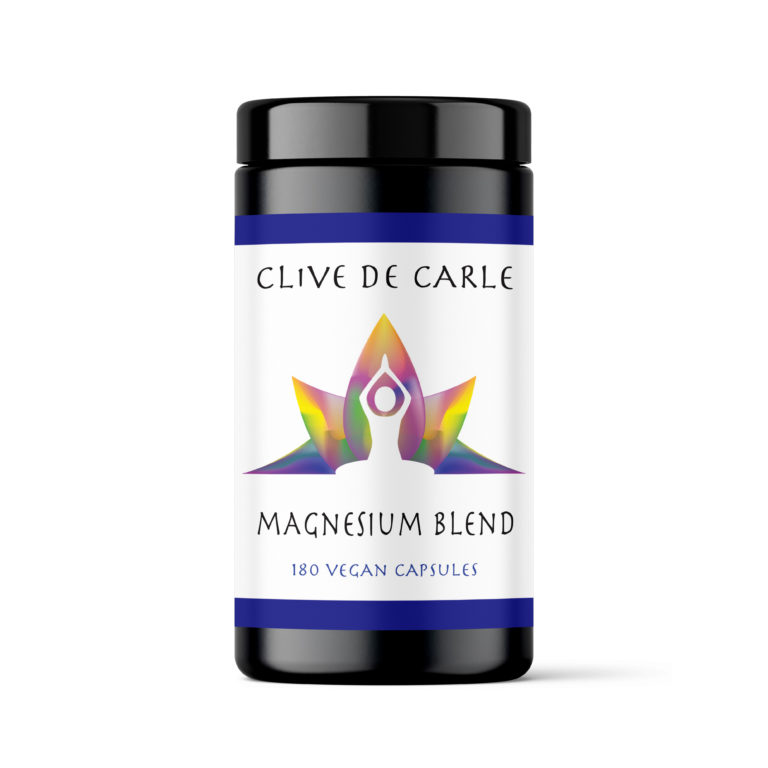
Magnesium Blend – The Most Important Mineral

Clean Slate – Detoxes thousands of chemicals,heavy metals, pesticides, allergens, mold spores and fungus
INNERSTANDING may earn a commission on purchases made through these links. All products are selected based on rigorous educational relevance to our biological research.
RABBIT HOLE
Follow the biological thread deeper
