
Oxidative Stress and the Nrf2 Signaling Pathway: How Acrolein from Architectural Coatings Triggers Cellular Defense Mechanisms
A comprehensive analysis of the biochemical interactions between indoor acrolein exposure and the human Nrf2 antioxidant response, highlighting the health implications of off-gassing building materials in the UK.

# Introduction: The Hidden Chemical Burden of Modern Living. In the contemporary UK landscape, the quest for energy-efficient, airtight buildings has inadvertently created a challenge for indoor air quality. While modern insulation keeps the cold out, it often traps a cocktail of Volatile Organic Compounds (VOCs) within our living spaces. Among these, acrolein—a highly reactive unsaturated aldehyde—emerges as a significant concern. Primarily used in the production of acrylic acid and as a component in various architectural coatings, including paints, wood stains, and varnishes, acrolein off-gasses into the environment long after the 'new paint smell' has vanished.
For the health-conscious individual, understanding the root-cause interaction between these environmental toxins and our cellular biology is essential. This article explores how acrolein triggers oxidative stress and the remarkable way our bodies attempt to defend themselves through the Nrf2 signaling pathway. # Acrolein: The Electrophilic Intruder. Acrolein (2-propenal) is not merely an irritant; it is an electrophile, meaning it seeks out and binds to electron-rich molecules within the body. In the context of architectural coatings, acrolein is often a byproduct of the thermal degradation of oils or a residual monomer in polymer synthesis. Unlike larger particles, VOCs like acrolein are easily inhaled, passing through the respiratory epithelium and entering the systemic circulation.
Its reactivity is primarily due to its alpha, beta-unsaturated carbonyl structure, which allows it to form covalent bonds with proteins and DNA through a process known as Michael addition. This chemical 'stickiness' makes it particularly hazardous, as it does not just pass through the system but actively modifies the cellular machinery it encounters. # The Genesis of Oxidative Stress. At the root of acrolein's toxicity is the induction of oxidative stress. Oxidative stress is an imbalance between the production of reactive oxygen species (ROS) and the body's ability to detoxify these reactive intermediates. When acrolein enters a cell, it targets the most abundant antioxidant in the human body: glutathione (GSH).
By binding to the thiol group of glutathione, acrolein effectively depletes the cell's primary shield. With the glutathione buffer compromised, the mitochondrial electron transport chain begins to leak electrons, leading to a surge in superoxide radicals and hydrogen peroxide. This state of oxidative stress can lead to lipid peroxidation—the degradation of cell membranes—and irreversible damage to intracellular proteins. For inhabitants of buildings with high VOC loads, this is not a one-time event but a chronic, low-grade biochemical tax on the body's resources. # The Nrf2 Pathway: The Master Regulator of Resilience. Fortunately, human biology has evolved a sophisticated sensory system to detect and respond to electrophilic stress.
The centerpiece of this system is the Nrf2 (Nuclear factor erythroid 2-related factor 2) signaling pathway. Often described as the 'master regulator' of the antioxidant response, Nrf2 is a transcription factor that remains dormant under normal conditions. It is held in the cytoplasm by a sensor protein called Keap1 (Kelch-like ECH-associated protein 1). Keap1 acts as a molecular 'thermometer' for oxidative stress. It contains specific cysteine residues that are highly sensitive to electrophiles like acrolein.
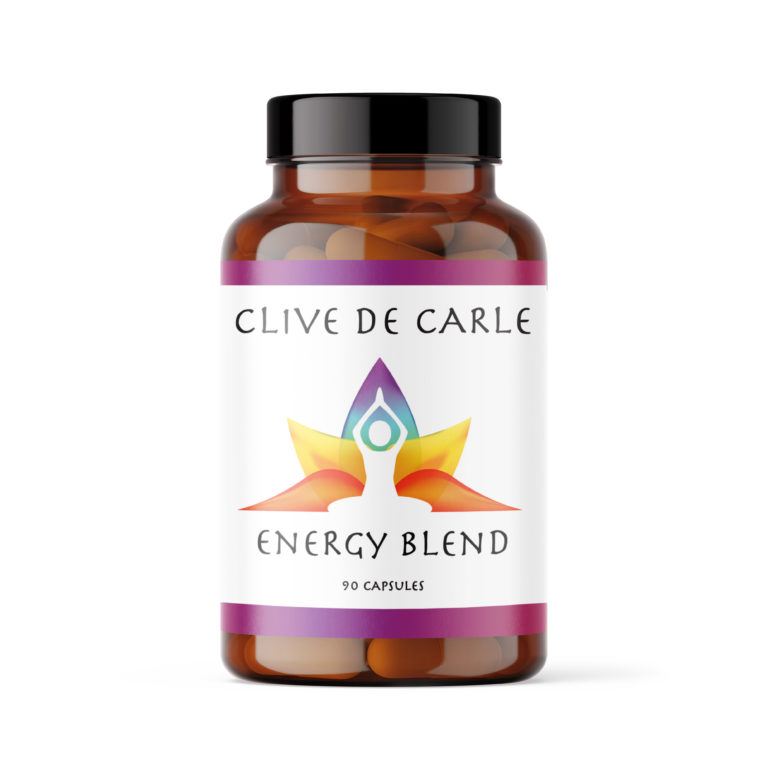
Energy Blend Supports
Energy Blend is a comprehensive formula designed to fuel your body at a cellular level, promoting sustained physical stamina and mental clarity without synthetic spikes. It targets fundamental metabolic pathways to ensure your nervous system and hormonal activity remain balanced and resilient.
Vetting Notes
Pending
When acrolein enters the cell and modifies these cysteine residues, Keap1 undergoes a conformational change. This change prevents Keap1 from targeting Nrf2 for destruction, allowing Nrf2 to accumulate and translocate into the nucleus. Once inside the nucleus, Nrf2 binds to the Antioxidant Response Element (ARE) in the promoter region of over 200 genes. These genes are responsible for the production of phase II detoxification enzymes, including glutathione S-transferase and heme oxygenase-1. This is the body's attempt to 'turn on the taps' of its internal pharmacy to neutralize the invading acrolein. # From Defense to Exhaustion: The Risk of Chronic Exposure.
While the Nrf2 pathway is a marvel of biological engineering, it is not designed for the perpetual onslaught of modern indoor environments. In a healthy scenario, the Nrf2 response is transient; once the threat is neutralized, the system returns to homeostasis. However, the off-gassing from architectural coatings can last for months or even years. Chronic activation of the Nrf2 pathway can lead to a phenomenon known as cellular exhaustion. When the demand for glutathione and other antioxidants exceeds the cell's biosynthetic capacity, the protective barrier fails.
This chronic oxidative stress is a root driver of systemic inflammation, which has been linked to a variety of modern health challenges, including respiratory sensitivities, cardiovascular dysfunction, and even neurodegenerative conditions. For UK residents, who spend an average of 90% of their time indoors, the cumulative dose of acrolein becomes a critical factor in long-term health outcomes. # Navigating the Solution: Mitigation and Biological Support. Addressing the challenge of acrolein and VOCs requires a dual approach: reducing environmental exposure and supporting internal resilience. Firstly, the selection of building materials is paramount. Opting for paints and coatings that meet 'Low VOC' or 'Zero VOC' standards—specifically those that are free from acrolein precursors—is the first line of defense.
Ensuring adequate ventilation through mechanical heat recovery ventilation (MVHR) systems or simple cross-ventilation can significantly reduce the concentration of airborne irritants. Secondly, we can support the Nrf2 pathway through targeted nutrition. Certain phytonutrients, most notably sulforaphane found in cruciferous vegetables like broccoli sprouts, are potent activators of Nrf2. By providing the body with the building blocks for glutathione synthesis—such as N-acetylcysteine (NAC) and selenium—we can enhance the efficiency of the Nrf2-mediated response. # Conclusion: Empowerment Through Innerstanding. The relationship between our indoor environment and our cellular health is profound.
Acrolein from architectural coatings represents a silent, invisible challenge to our biological integrity, yet our bodies possess a remarkable system of defense in the Nrf2 pathway. By understanding the root causes of oxidative stress and the mechanics of our internal resilience, we can make informed choices about the materials we bring into our homes and the ways we support our health. At INNERSTANDING, we believe that knowledge is the ultimate tool for health optimization. Protecting your cellular environment is just as important as protecting your physical one.
This article is provided for informational and educational purposes only. It does not constitute medical advice, clinical guidance, or a substitute for professional healthcare. Information reflects cited research at time of publication. Always consult a qualified healthcare professional before acting on any health information.
RESEARCH FOUNDATIONS
Biological Credibility Archive
Citations provided for educational reference. Verify via PubMed or institutional databases.
Medical Disclaimer
The information in this article is for educational purposes only and does not constitute medical advice, diagnosis, or treatment. Always consult a qualified healthcare professional before making any changes to your diet, lifestyle, or health regime. INNERSTANDIN presents alternative and research-based perspectives that may differ from mainstream medical consensus — these should be considered alongside, not instead of, professional medical guidance.
Read Full DisclaimerReady to learn more?
Continue your journey through our classified biological research.
DISCUSSION ROOM
Members of THE COLLECTIVE discussing "Oxidative Stress and the Nrf2 Signaling Pathway: How Acrolein from Architectural Coatings Triggers Cellular Defense Mechanisms"
SILENT CHANNEL
Be the first to discuss this article. Your insight could help others understand these biological concepts deeper.
THE ARSENAL
Based on VOCs & Off-Gassing from Building Materials — products curated by our research team for educational relevance and biological support.
Energy Blend Supports
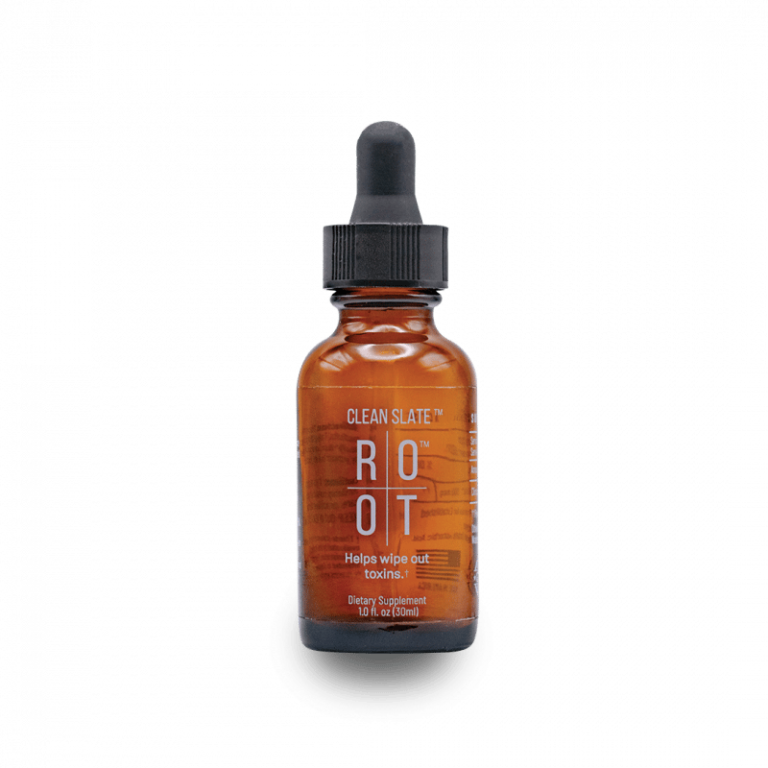
Clean Slate – Detoxes thousands of chemicals,heavy metals, pesticides, allergens, mold spores and fungus
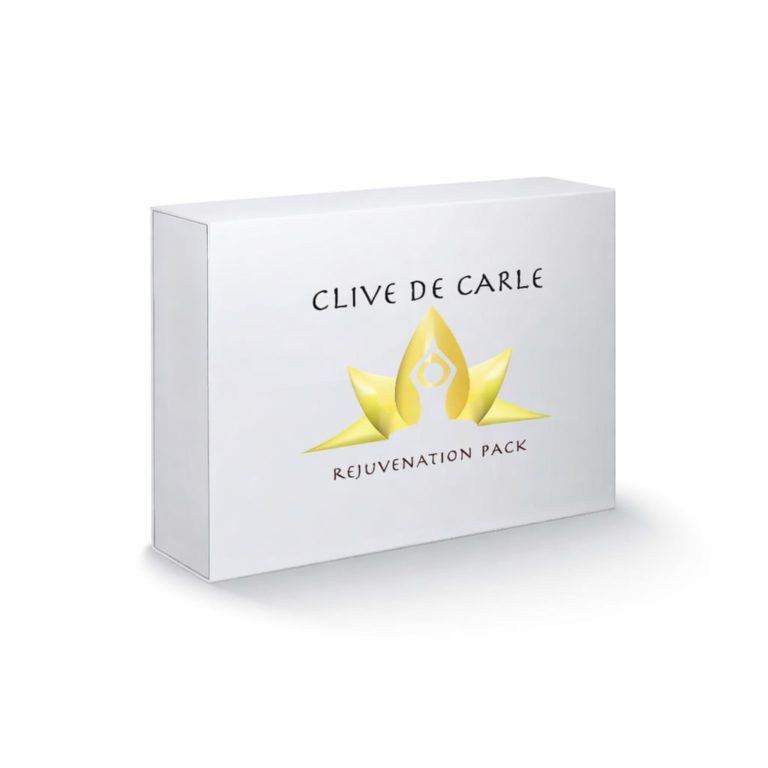
Rejuvenation Pack – Essential Vitamins and Minerals for Health Restoration
INNERSTANDING may earn a commission on purchases made through these links. All products are selected based on rigorous educational relevance to our biological research.
RABBIT HOLE
Follow the biological thread deeper