
Pulmonary Immunotoxicology: Identifying the Biological Cascade of Alveolar Inflammation Induced by Isocyanate Off-Gassing
An in-depth exploration into the molecular pathways and immunological responses triggered by isocyanate exposure from building materials, focusing on the cascade from protein haptenization to chronic alveolar inflammation.
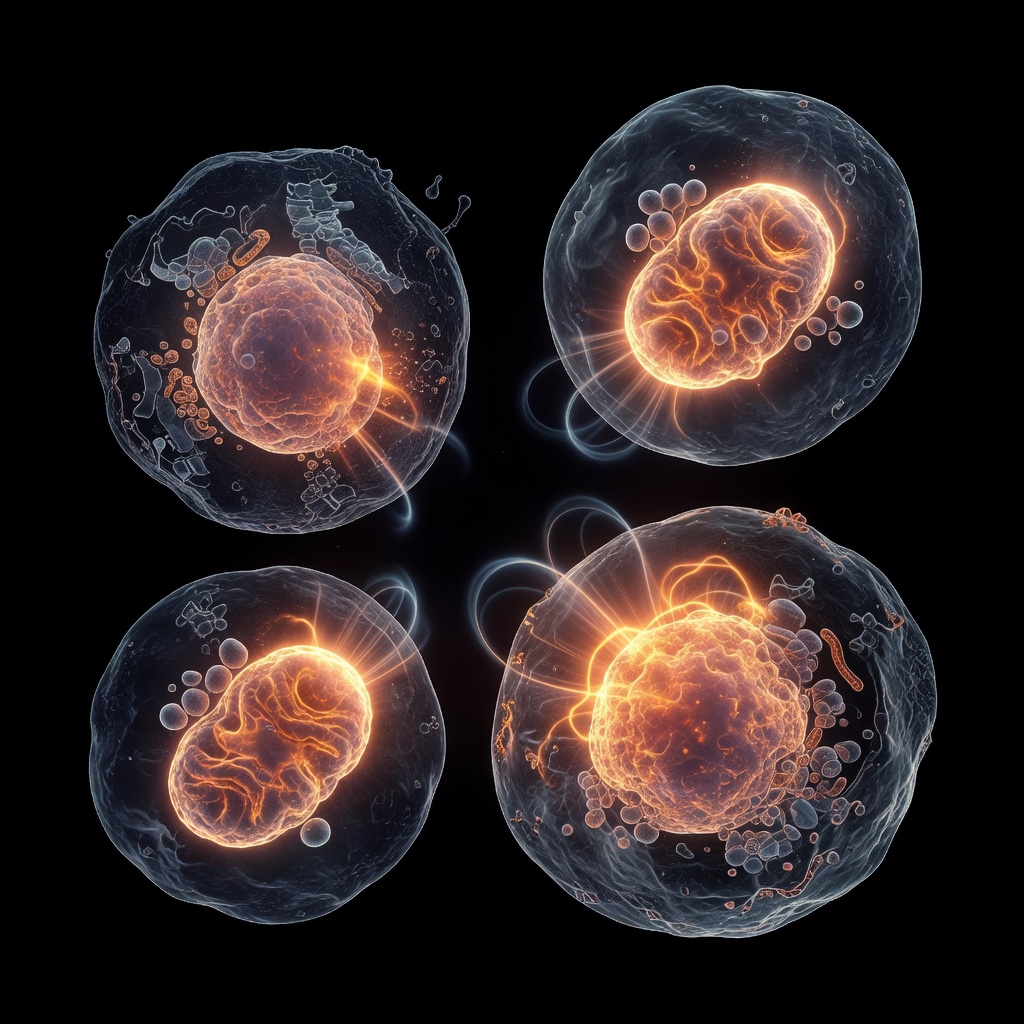
# Pulmonary Immunotoxicology: Identifying the Biological Cascade of Alveolar Inflammation Induced by Isocyanate Off-Gassing ## Introduction: The Chemical Landscape of Modern Housing In the pursuit of energy efficiency and structural longevity, the UK building industry has increasingly relied on advanced synthetic polymers. Central to this shift is the use of polyurethanes, found in spray foam insulation, floor varnishes, adhesives, and sealants. While these materials offer high thermal resistance and durability, they frequently contain isocyanates—a group of low-molecular-weight chemicals characterized by the highly reactive functional group -N=C=O. When these materials are improperly applied or continue to 'off-gas' post-installation, they release volatile organic compounds (VOCs) that can bypass the upper respiratory tract and infiltrate the deep lung tissue. Understanding the immunotoxicological impact of these compounds is essential for identifying the root causes of modern environmental illnesses. ## The Chemistry of Reactivity: Why Isocyanates are Unique Isocyanates are not merely irritants; they are potent electrophiles.
The carbon atom within the isocyanate group is highly electron-deficient, making it aggressively seek out nucleophilic partners. In the context of human biology, this means isocyanates readily bond with common functional groups found in proteins, such as amino (-NH2), sulfhydryl (-SH), and hydroxyl (-OH) groups. This chemical property is the 'first domino' in a complex biological cascade. Unlike inert dust or simple irritants, isocyanates physically alter the structure of the body's own proteins upon contact, setting the stage for a systemic immune response. ## Phase 1: The Haptenization Process Once inhaled, isocyanate molecules travel through the tracheobronchial tree. While some are caught in the mucus of the upper airways, smaller volatile fractions reach the alveoli—the tiny air sacs responsible for gas exchange.
Here, the isocyanates encounter the thin layer of epithelial lining fluid. Because the isocyanate molecule is a 'hapten' (a small molecule that can only elicit an immune response when attached to a large carrier), it immediately binds to endogenous proteins, most notably human serum albumin (HSA). This process, known as haptenization, creates a 'neoantigen.' The body no longer recognizes the albumin as a 'self' protein; instead, it perceives this new chemical-protein conjugate as a foreign invader. This is the root cause of isocyanate-induced sensitivity: the chemical has effectively 'cloaked' itself in the body's own biology to trigger an alarm. ## Phase 2: Dendritic Cell Activation and Antigen Presentation Following the formation of neoantigens, the body's sentinel cells—alveolar macrophages and dendritic cells—spring into action. These cells engulf the isocyanate-protein conjugates and migrate to the regional lymph nodes.
During this migration, the dendritic cells mature and begin presenting fragments of the neoantigen on their surface via Major Histocompatibility Complex (MHC) molecules. This is a critical juncture in the immunotoxicological cascade. For reasons still being researched in the field of toxicogenomics, isocyanates are particularly effective at promoting a Th2-biased immune response. This bias shifts the immune system toward the production of specific antibodies (IgE and IgG) and the recruitment of inflammatory cells that characterize allergic and hypersensitivity reactions. ## Phase 3: The Alveolar Inflammatory Storm Once the immune system is sensitized, subsequent or chronic low-level exposure to isocyanate off-gassing triggers a rapid secondary response. T-lymphocytes (specifically Th2 cells) release a 'cytokine storm' including Interleukin-4 (IL-4), IL-5, and IL-13.
These signals act as a beacon for eosinophils and neutrophils, which flood the alveolar spaces. This cellular infiltration leads to 'alveolitis'—an inflammation of the gas-exchange surfaces. As the alveolar walls thicken with inflammatory cells and fluid (edema), the efficiency of oxygen transfer into the bloodstream decreases. This manifest clinically as breathlessness, chest tightness, and a persistent, non-productive cough. Unlike a common cold, this inflammation is driven by a misdirected and overactive immune system reacting to the persistent presence of chemical triggers in the home environment. ## Clinical Manifestations: HP and Occupational Asthma The biological cascade described often culminates in two distinct clinical pictures.
The first is isocyanate-induced asthma, where the primary site of inflammation is the bronchioles. The second, more severe condition is Hypersensitivity Pneumonitis (HP), also known as extrinsic allergic alveolitis. HP involves the deeper lung parenchyma and is characterized by the formation of granulomas—tiny clumps of immune cells—within the lung tissue. In the UK, isocyanates are recognized by the Health and Safety Executive (HSE) as one of the leading causes of occupational asthma, yet their role in residential environmental illness is often overlooked. Chronic low-dose exposure from off-gassing building materials can lead to a 'smouldering' inflammation that may not present with the acute 'attack' typical of asthma, but rather a progressive decline in lung function and general malaise. ## Root Causes: Toxicant-Induced Loss of Tolerance (TILT) A key concept in understanding why some individuals react so severely to isocyanate off-gassing while others do not is 'Toxicant-Induced Loss of Tolerance' (TILT).
This theory suggests that an initial high-level exposure (such as during a home renovation) or a prolonged mid-level exposure can 'break' the immune system's regulatory mechanisms. Once tolerance is lost, the individual becomes hyper-sensitized not only to isocyanates but often to a broad range of other unrelated chemicals. This systemic breakdown highlights that the root cause of the patient's symptoms isn't just the isocyanate itself, but the permanent shift in the pulmonary immunotoxicological landscape. ## Mitigation and Protection: Addressing the Indoor Environment For those living in the UK, where traditional housing stock is often retrofitted with modern insulation, ensuring the 'curing' process of materials is complete is vital. Isocyanate off-gassing is significantly higher in environments with high humidity and poor ventilation, as moisture can interfere with the polymerization process of foams and resins. To address the root cause, one must move beyond simple air purification.
While high-grade activated carbon filters can adsorb VOCs, the only definitive solution for a sensitized individual is the removal of the source material or the implementation of a rigorous 'sealant' strategy to prevent vapor migration. ## Conclusion: A Holistic View of Respiratory Health The journey of an isocyanate molecule from a canister of spray foam to the deep recesses of the human alveoli is a testament to the complex interplay between modern chemistry and human immunology. By identifying the biological cascade—from electrophilic haptenization to Th2-mediated alveolar inflammation—we can better understand the rising tide of environmental sensitivities. At INNERSTANDING, we believe that true health begins with an awareness of these invisible interactions. Recognizing that our building materials are biologically active participants in our health allows us to make informed choices, moving toward a future where our homes are truly sanctuaries for our respiratory and immunological well-being.
This article is provided for informational and educational purposes only. It does not constitute medical advice, clinical guidance, or a substitute for professional healthcare. Information reflects cited research at time of publication. Always consult a qualified healthcare professional before acting on any health information.
RESEARCH FOUNDATIONS
Biological Credibility Archive
Citations provided for educational reference. Verify via PubMed or institutional databases.
Medical Disclaimer
The information in this article is for educational purposes only and does not constitute medical advice, diagnosis, or treatment. Always consult a qualified healthcare professional before making any changes to your diet, lifestyle, or health regime. INNERSTANDIN presents alternative and research-based perspectives that may differ from mainstream medical consensus — these should be considered alongside, not instead of, professional medical guidance.
Read Full DisclaimerReady to learn more?
Continue your journey through our classified biological research.
RABBIT HOLE
Follow the biological thread deeper