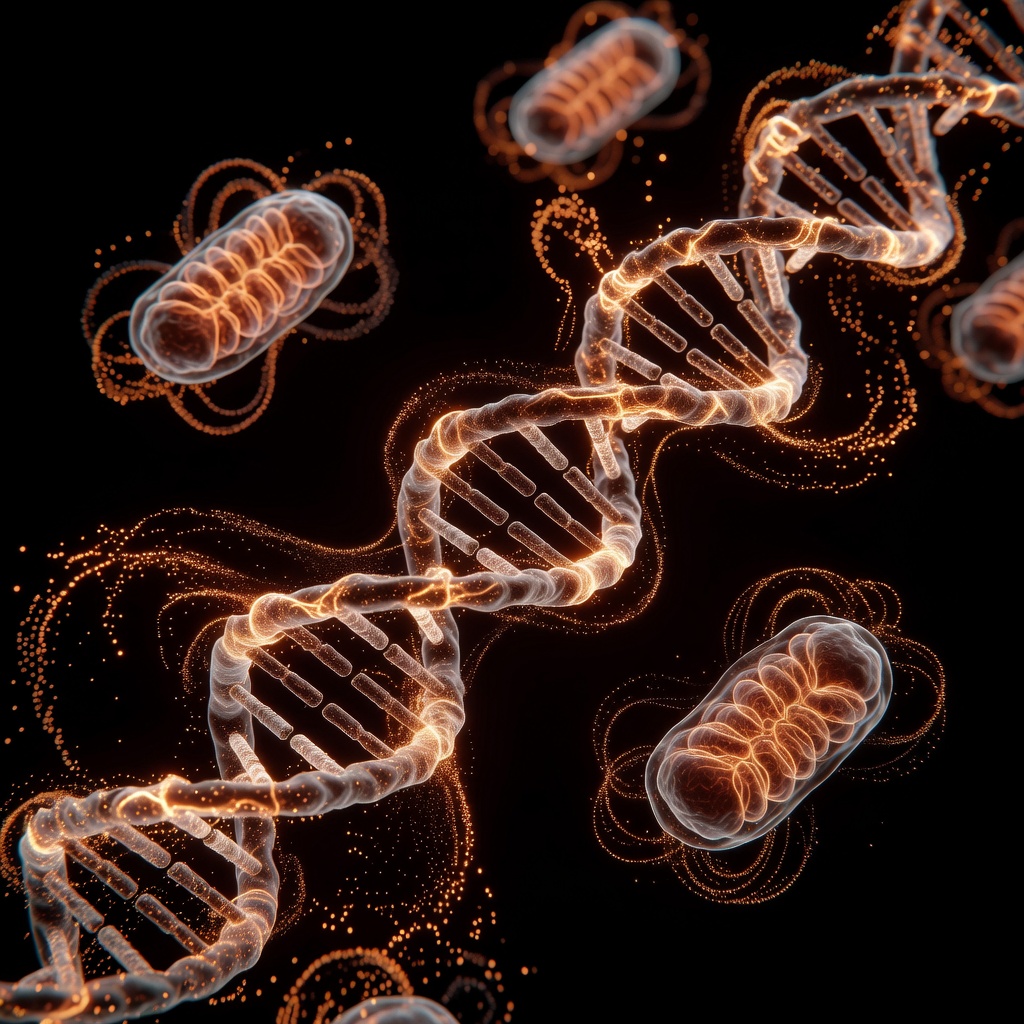
Crosstalk Between the Gut Microbiome and the Blood-Brain Barrier: A Tight Junction Perspective
An in-depth exploration of the bidirectional communication between the gut microbiota and the blood-brain barrier, focusing on how microbial metabolites and systemic inflammation regulate tight junction proteins to maintain neurological health.
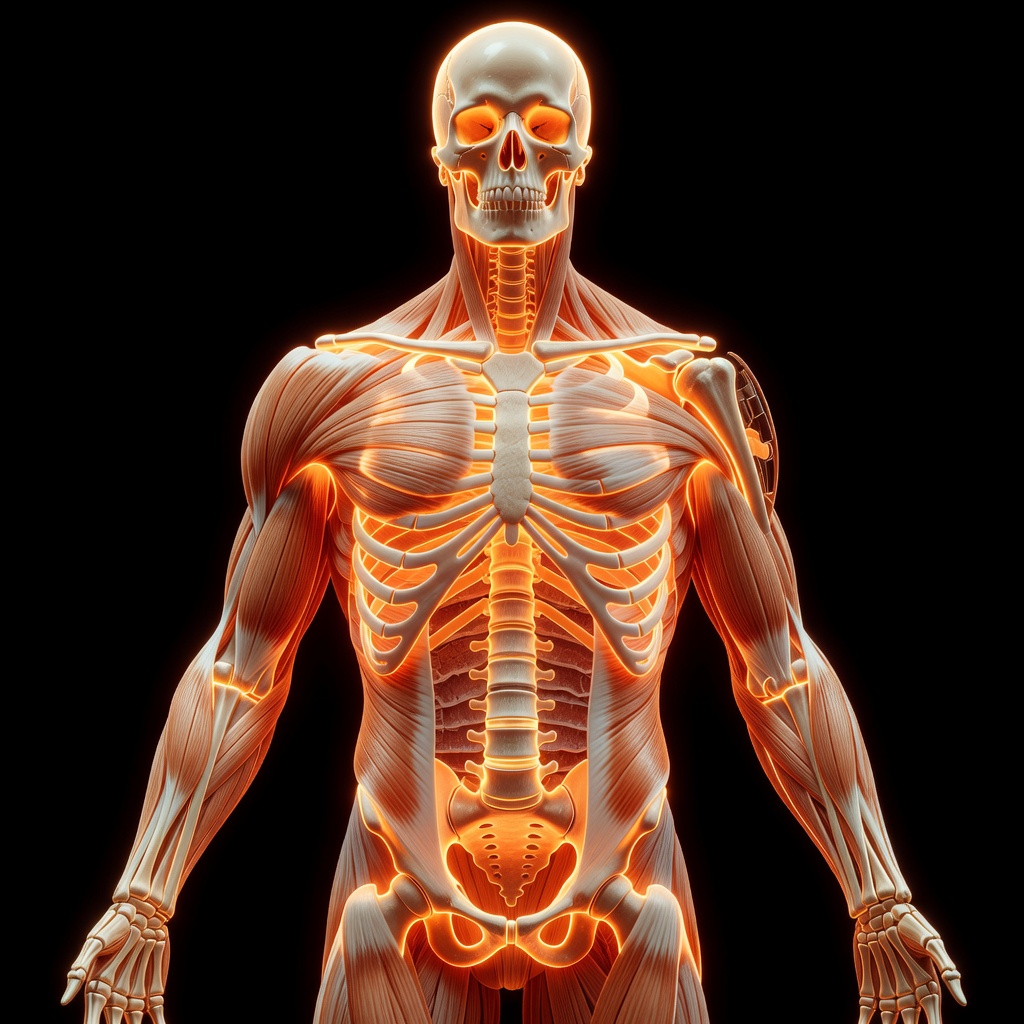
# Crosstalk Between the Gut Microbiome and the Blood-Brain Barrier: A Tight Junction Perspective The human body is a masterpiece of compartmentalisation. Our internal environments are separated by sophisticated biological gates that decide what belongs and what constitutes a threat. Among these, two barriers stand as the most critical sentinels of health: the intestinal epithelial barrier and the blood-brain barrier (BBB). Historically, these two were studied in isolation, but emerging research from the field of 'Tight Junction Science' reveals a profound and continuous crosstalk between them. For the INNERSTANDING community, understanding this link is vital for addressing the root causes of neuroinflammation, cognitive decline, and modern metabolic dysfunction. ## The Architecture of Defense: What are Tight Junctions?
To understand the gut-brain crosstalk, we must first look at the 'zippers' that hold our barriers together. Tight junctions (TJs) are multi-protein complexes that seal the pathway between adjacent cells. In both the gut and the brain, these junctions consist of three primary families of proteins: claudins, occludins, and zonula occludens (ZO-1, ZO-2, and ZO-3). At the Blood-Brain Barrier, these TJs are uniquely dense. The BBB is composed of specialised endothelial cells that line the capillaries of the brain.
Unlike the blood vessels in your muscles or liver, these cells are zipped so tightly together that they create a 'haemato-encephalic' shield. This shield prevents toxins, pathogens, and large inflammatory molecules from entering the delicate neural tissue. However, this barrier is not static; it is a dynamic interface that responds to signals from elsewhere in the body—most notably, the gut. ## The Microbiome: The Remote Controller of the Brain Barrier Research using germ-free (GF) mice—animals raised without any bacteria—has provided the most striking evidence of this connection. Studies, such as the seminal work by Braniste et al. (2014), demonstrated that germ-free mice exhibit significantly increased BBB permeability compared to mice with a healthy microbiome. In these germ-free subjects, the expression of key tight junction proteins, specifically Occludin and Claudin-5, was markedly reduced.
This indicates that the very existence of a diverse microbial community in the gut is a prerequisite for the structural integrity of the brain's primary defence system. The gut microbiome acts as a 'remote controller,' sending biochemical signals that instruct the brain’s endothelial cells to maintain their 'tight' configuration. ## Pathways of Communication: How Bacteria Talk to the BBB The communication between the gut and the BBB occurs through several distinct pathways, with microbial metabolites playing a central role. ### 1. Short-Chain Fatty Acids (SCFAs) When we consume prebiotic fibres, our gut bacteria ferment them into Short-Chain Fatty Acids, primarily butyrate, propionate, and acetate. Butyrate, in particular, is a master regulator of barrier health. It doesn't just nourish the gut lining; it can enter systemic circulation and reach the BBB.
Research suggests that butyrate upregulates the expression of tight junction proteins in the brain, effectively 'tightening' the shield. This is a primary reason why a low-fibre diet is often linked to 'brain fog' and cognitive fatigue—without enough butyrate, the BBB may become subtly porous. ### 2. Metabolic Endotoxaemia and LPS Conversely, an imbalanced microbiome (dysbiosis) can produce harmful molecules. Lipopolysaccharide (LPS) is a pro-inflammatory endotoxin found in the cell walls of Gram-negative bacteria. In a healthy state, LPS remains confined to the gut.
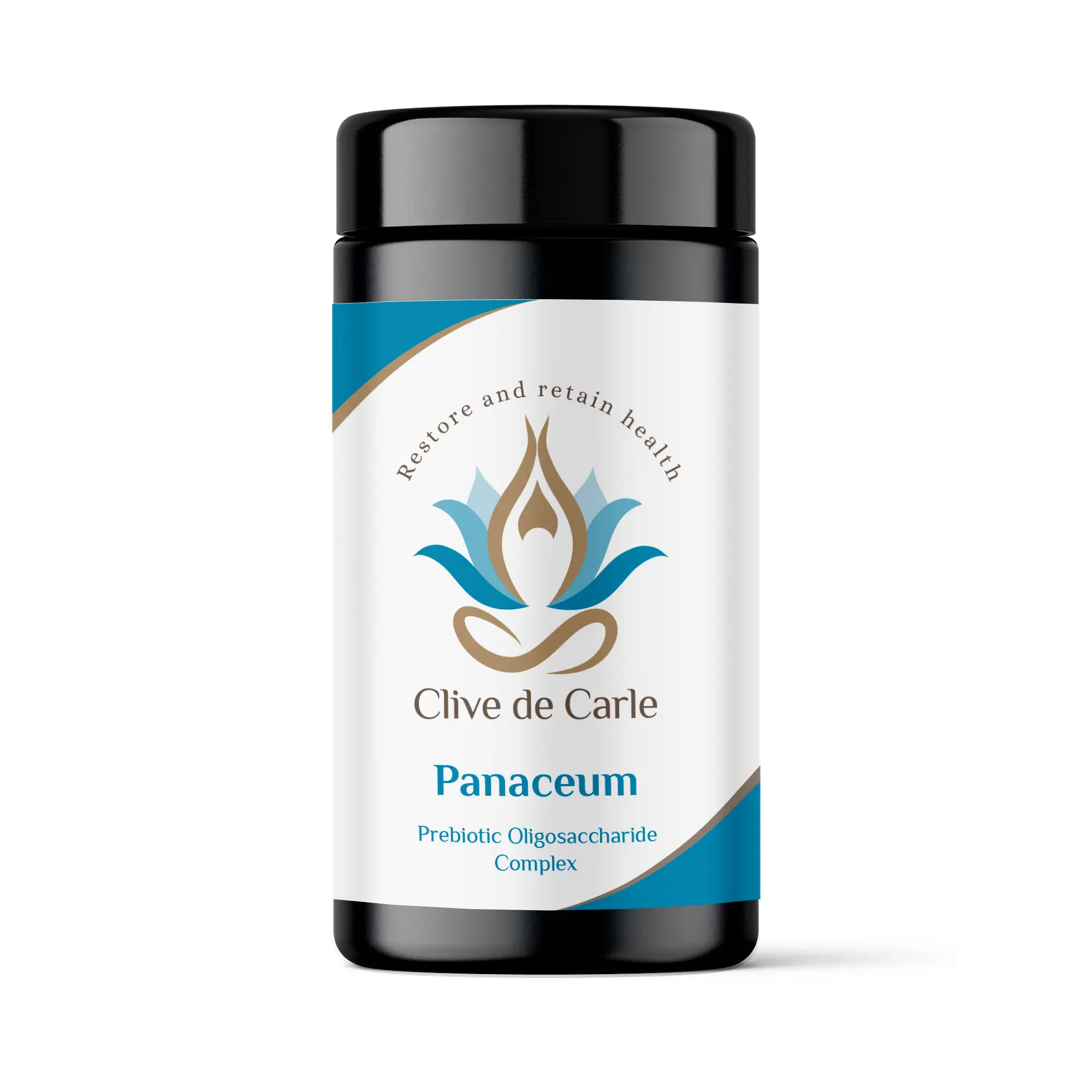
Panaceum – Prebiotic Oligosaccharide Complex
Panaceum is a specialist eight-oligosaccharide blend designed to restore the microbial diversity missing from the modern Western diet. By providing the complex fibres our ancestors once consumed, it feeds and sustains a resilient gut microbiome for long-term health.
Vetting Notes
Pending
However, when 'leaky gut' (intestinal permeability) occurs, LPS leaks into the bloodstream. This 'Metabolic Endotoxaemia' triggers a systemic inflammatory response. When LPS reaches the BBB, it binds to Toll-like receptor 4 (TLR4) on the brain's endothelial cells, triggering a cascade that degrades tight junction proteins. The result is 'leaky brain,' where systemic inflammation directly translates into neuroinflammation. ## The Root Cause: From Leaky Gut to Leaky Brain The concept of 'Leaky Gut, Leaky Brain' is not just a catchphrase; it is a physiological reality. When the tight junctions in the gut are compromised by stress, poor diet, or antibiotics, the systemic environment becomes flooded with inflammatory mediators like TNF-alpha and Interleukin-6.
These cytokines are known to disrupt the BBB's tight junctions. This explains why many chronic neurological conditions—including depression, anxiety, and even neurodegenerative diseases like Parkinson’s and Alzheimer’s—are increasingly viewed as having a root cause in the gut. If the gut barrier is broken, the brain barrier is likely under siege. ## Practical Implications for Neurological Health To protect the brain, we must protect the gut. At INNERSTANDING, we focus on root-cause interventions that support tight junction integrity across both barriers. ### Optimising Microbial Diversity A diverse microbiome ensures a steady supply of SCFAs like butyrate. Focus on a 'rainbow' of plant foods, aim for 30 different plant types per week, and include fermented foods like sauerkraut or kefir to introduce beneficial strains that support barrier maintenance. ### Minimising Endotoxin Triggers Reducing the intake of ultra-processed foods and high-fructose corn syrup can lower the production of LPS and prevent the 'metabolic fire' that degrades the BBB. ### Supporting Tight Junction Synthesis Specific nutrients act as building blocks for TJ proteins.
Zinc carnosine, glutamine, and Vitamin D are essential for the synthesis and repair of the claudin and occludin families. Without these micronutrients, the body lacks the raw materials to keep the 'zippers' functional. ## Conclusion The crosstalk between the gut microbiome and the blood-brain barrier represents one of the most exciting frontiers in modern medicine. We are no longer viewing the brain as an isolated organ, but as part of a deeply interconnected ecosystem. By focusing on Tight Junction Science, we can move beyond treating symptoms of cognitive dysfunction and begin addressing the systemic root causes found in our digestive tract. A resilient brain begins with a resilient gut; the strength of your barriers defines the quality of your health.
This article is provided for informational and educational purposes only. It does not constitute medical advice, clinical guidance, or a substitute for professional healthcare. Information reflects cited research at time of publication. Always consult a qualified healthcare professional before acting on any health information.
RESEARCH FOUNDATIONS
Biological Credibility Archive
Citations provided for educational reference. Verify via PubMed or institutional databases.
Medical Disclaimer
The information in this article is for educational purposes only and does not constitute medical advice, diagnosis, or treatment. Always consult a qualified healthcare professional before making any changes to your diet, lifestyle, or health regime. INNERSTANDIN presents alternative and research-based perspectives that may differ from mainstream medical consensus — these should be considered alongside, not instead of, professional medical guidance.
Read Full DisclaimerReady to learn more?
Continue your journey through our classified biological research.
DISCUSSION ROOM
Members of THE COLLECTIVE discussing "Crosstalk Between the Gut Microbiome and the Blood-Brain Barrier: A Tight Junction Perspective"
SILENT CHANNEL
Be the first to discuss this article. Your insight could help others understand these biological concepts deeper.
THE ARSENAL
Based on Tight Junction Science — products curated by our research team for educational relevance and biological support.
Clean Slate – Detoxes thousands of chemicals,heavy metals, pesticides, allergens, mold spores and fungus
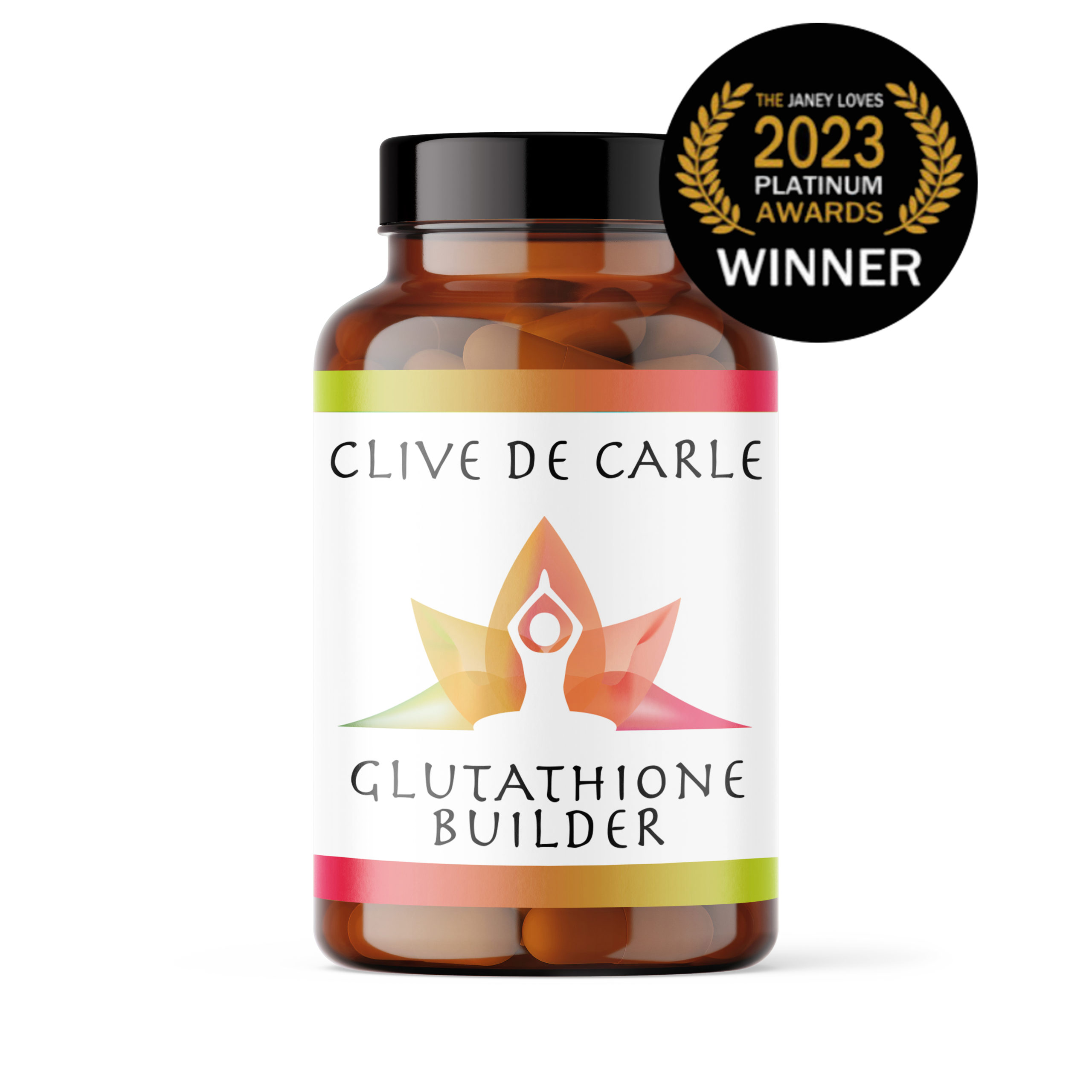
Glutathione Builder – Advanced Amino Acid Formula
Panaceum – Prebiotic Oligosaccharide Complex
INNERSTANDING may earn a commission on purchases made through these links. All products are selected based on rigorous educational relevance to our biological research.
RABBIT HOLE
Follow the biological thread deeper