Gut-Brain Axis Interactions: How Microbiome Dysbiosis Influences Estrobolome Function and PMDD Severity
An in-depth exploration of the bidirectional communication between the gut and brain, focusing on how intestinal dysbiosis disrupts estrogen metabolism via the estrobolome, ultimately exacerbating PMDD symptoms through neuroinflammation and neurotransmitter signaling.
# Gut-Brain Axis Interactions: How Microbiome Dysbiosis Influences Estrobolome Function and PMDD Severity
Premenstrual Dysphoric Disorder (PMDD) is a severe, debilitating form of premenstrual syndrome characterized by intense psychological and physical symptoms that emerge during the luteal phase of the menstrual cycle. While traditional clinical perspectives have long focused on the ovaries and the brain as the primary drivers of this condition, emerging research in the field of functional medicine and psychoneuroimmunology points toward a more complex, systemic root cause: the gut-brain axis. At INNERSTANDING, we recognize that the 'brain' in PMDD is not an isolated organ, but one deeply influenced by the microbial ecosystems residing in our digestive tract. This article explores the bidirectional communication between the gut and brain, specifically focusing on the 'estrobolome' and how microbiome dysbiosis can trigger or worsen the severity of PMDD.
The Gut-Brain Axis: A Two-Way Street
The gut-brain axis (GBA) refers to the complex communication network that links the enteric nervous system (ENS) and the central nervous system (CNS). This communication is mediated by the vagus nerve, the immune system, and various biochemical signaling molecules, including neurotransmitters and short-chain fatty acids (SCFAs). In the context of PMDD, the GBA serves as a highway through which gut health directly impacts emotional regulation and hormonal sensitivity. Approximately 90% of the body's serotonin—a neurotransmitter critical for mood stability—is produced in the gut by enterochromaffin cells and influenced by specific bacterial strains. When the gut environment is compromised, the production and signaling of serotonin are disrupted, leading to the heightened anxiety and depression often seen in PMDD sufferers.
Defining the Estrobolome
A critical, yet often overlooked, component of the gut-brain axis is the estrobolome. The estrobolome is a specialized collection of bacteria within the gut microbiome that is responsible for metabolizing and modulating the body's circulating estrogen. In a healthy system, the liver conjugates estrogen (packages it for excretion) and sends it to the intestines to be eliminated via stool. However, certain bacteria in the estrobolome produce an enzyme called beta-glucuronidase. When this enzyme is overproduced due to dysbiosis, it 'unpackages' the conjugated estrogen, allowing it to be reabsorbed into the bloodstream. This process leads to a state of estrogen dominance or, at the very least, an unfavorable ratio of estrogen to progesterone, which is a known trigger for PMDD symptoms in individuals with high sensitivity to hormonal shifts.
Microbiome Dysbiosis and PMDD: The Mechanism of Action
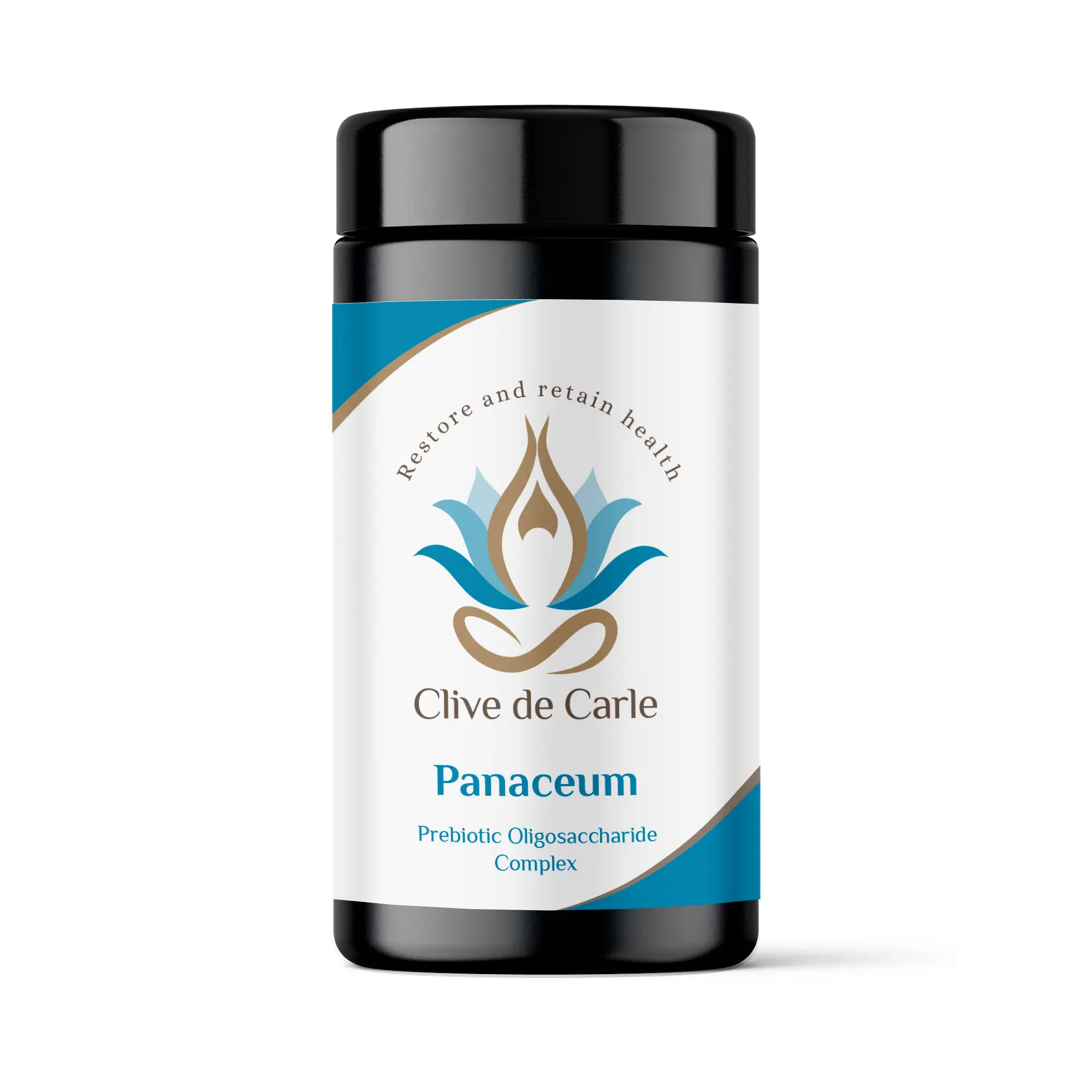
Panaceum – Prebiotic Oligosaccharide Complex
Panaceum is a specialist eight-oligosaccharide blend designed to restore the microbial diversity missing from the modern Western diet. By providing the complex fibres our ancestors once consumed, it feeds and sustains a resilient gut microbiome for long-term health.
Vetting Notes
Pending
Microbiome dysbiosis—an imbalance between beneficial and pathogenic bacteria—directly influences PMDD through three primary pathways:
1. Hormonal Recycling and Estrobolome Dysfunction
When the microbiome is in a state of dysbiosis, the concentration of beta-glucuronidase-producing bacteria increases. This leads to the systemic recycling of estrogen. For PMDD patients, whose brains are hypersensitive to the fluctuations of the luteal phase, this increased burden of recycled estrogen can lead to more dramatic peaks and valleys in hormone levels. The brain’s GABAergic system, which usually helps to calm the nervous system, often becomes dysfunctional in response to these erratic fluctuations, resulting in the irritability and rage frequently associated with PMDD.
2. Neuroinflammation and the Blood-Brain Barrier
Pathogenic bacteria in a dysbiotic gut can release lipopolysaccharides (LPS), which are inflammatory endotoxins. Chronic gut inflammation can increase intestinal permeability, often referred to as 'leaky gut.' When the gut lining is compromised, LPS and other inflammatory markers enter the systemic circulation and can cross the blood-brain barrier. This triggers neuroinflammation, particularly in the limbic system and prefrontal cortex—areas of the brain responsible for emotional regulation. This neuroinflammatory state significantly lowers the threshold for psychological distress during the premenstrual window.
3. Neurotransmitter Synthesis and Precursor Availability
The gut microbiome is responsible for synthesizing precursors to essential neurotransmitters. For instance, specific strains of *Lactobacillus* and *Bifidobacterium* produce Gamma-aminobutyric acid (GABA), the body’s primary inhibitory neurotransmitter. In a state of dysbiosis, the production of GABA is diminished. Furthermore, dysbiosis often leads to 'tryptophan stealing,' where the body diverts the amino acid tryptophan away from serotonin production and toward the kynurenine pathway, which produces neurotoxic metabolites. This biochemical shift exacerbates the 'serotonin crash' often experienced by those with PMDD.
The Root Cause Approach: Balancing the Microbiome
Addressing PMDD from a gut-centric perspective requires a shift from symptom management to root-cause resolution. By supporting the estrobolome and reducing dysbiosis, patients can often reduce the severity of their luteal phase symptoms. Key strategies include:
- —Optimizing Fiber Intake: Fiber binds to excess estrogen in the gut, ensuring it is excreted rather than recycled. Aim for 30-35g of varied plant fibers daily.
- —Targeted Probiotic Support: Specific strains, such as *Lactobacillus acidophilus*, have been shown to modulate beta-glucuronidase activity, helping to stabilize the estrobolome.
- —Calcium-D-Glucarate: This supplement inhibits the beta-glucuronidase enzyme directly, preventing the deconjugation and reabsorption of estrogen.
- —Reducing Systemic Inflammation: Eliminating inflammatory triggers like processed sugars and hydrogenated oils can help heal the gut lining and reduce the influx of endotoxins to the brain.
- —Liver Support: Since the liver and gut work in tandem to process hormones, supporting liver phase I and II detoxification (via cruciferous vegetables like broccoli and kale) is essential for a healthy estrobolome.
Conclusion
PMDD is not simply a 'head' problem or an 'ovary' problem; it is a systemic disorder in which the gut microbiome plays a starring role. The communication between the estrobolome and the brain provides a clear physiological explanation for why gut health correlates so strongly with premenstrual mental health. By focusing on the gut-brain axis and addressing dysbiosis, those suffering from PMDD can move beyond temporary fixes and work toward long-term hormonal and neurological resilience. At INNERSTANDING, we believe that true healing begins when we look at the body as an interconnected whole, where the health of our microscopic residents dictates the peace of our minds.
This article is provided for informational and educational purposes only. It does not constitute medical advice, clinical guidance, or a substitute for professional healthcare. Information reflects cited research at time of publication. Always consult a qualified healthcare professional before acting on any health information.
RESEARCH FOUNDATIONS
Biological Credibility Archive
Citations provided for educational reference. Verify via PubMed or institutional databases.
Medical Disclaimer
The information in this article is for educational purposes only and does not constitute medical advice, diagnosis, or treatment. Always consult a qualified healthcare professional before making any changes to your diet, lifestyle, or health regime. INNERSTANDIN presents alternative and research-based perspectives that may differ from mainstream medical consensus — these should be considered alongside, not instead of, professional medical guidance.
Read Full DisclaimerReady to learn more?
Continue your journey through our classified biological research.
DISCUSSION ROOM
Members of THE COLLECTIVE discussing "Gut-Brain Axis Interactions: How Microbiome Dysbiosis Influences Estrobolome Function and PMDD Severity"
SILENT CHANNEL
Be the first to discuss this article. Your insight could help others understand these biological concepts deeper.
THE ARSENAL
Based on PMDD & Premenstrual Dysphoric Disorder — products curated by our research team for educational relevance and biological support.
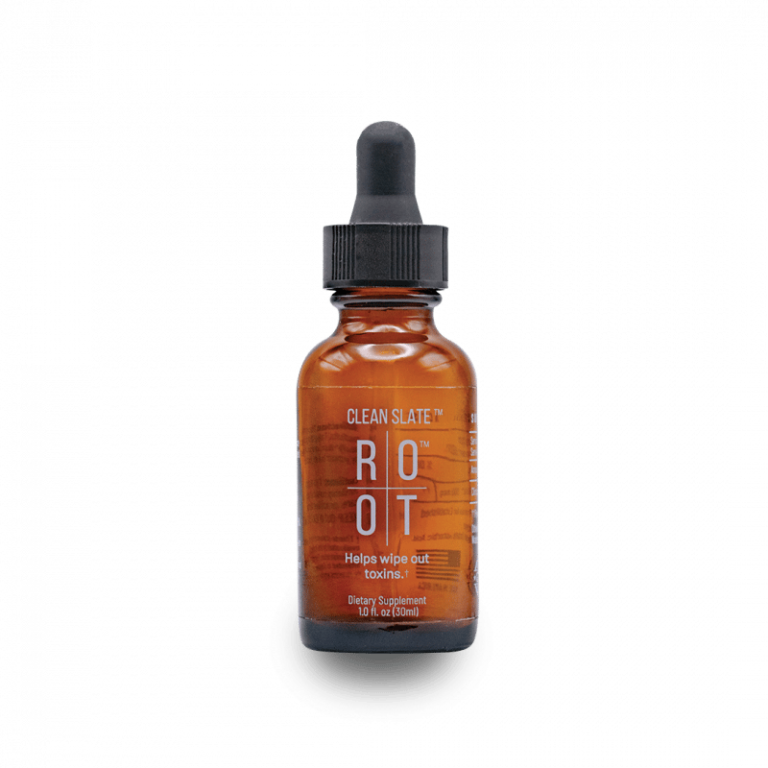
Clean Slate – Detoxes thousands of chemicals,heavy metals, pesticides, allergens, mold spores and fungus
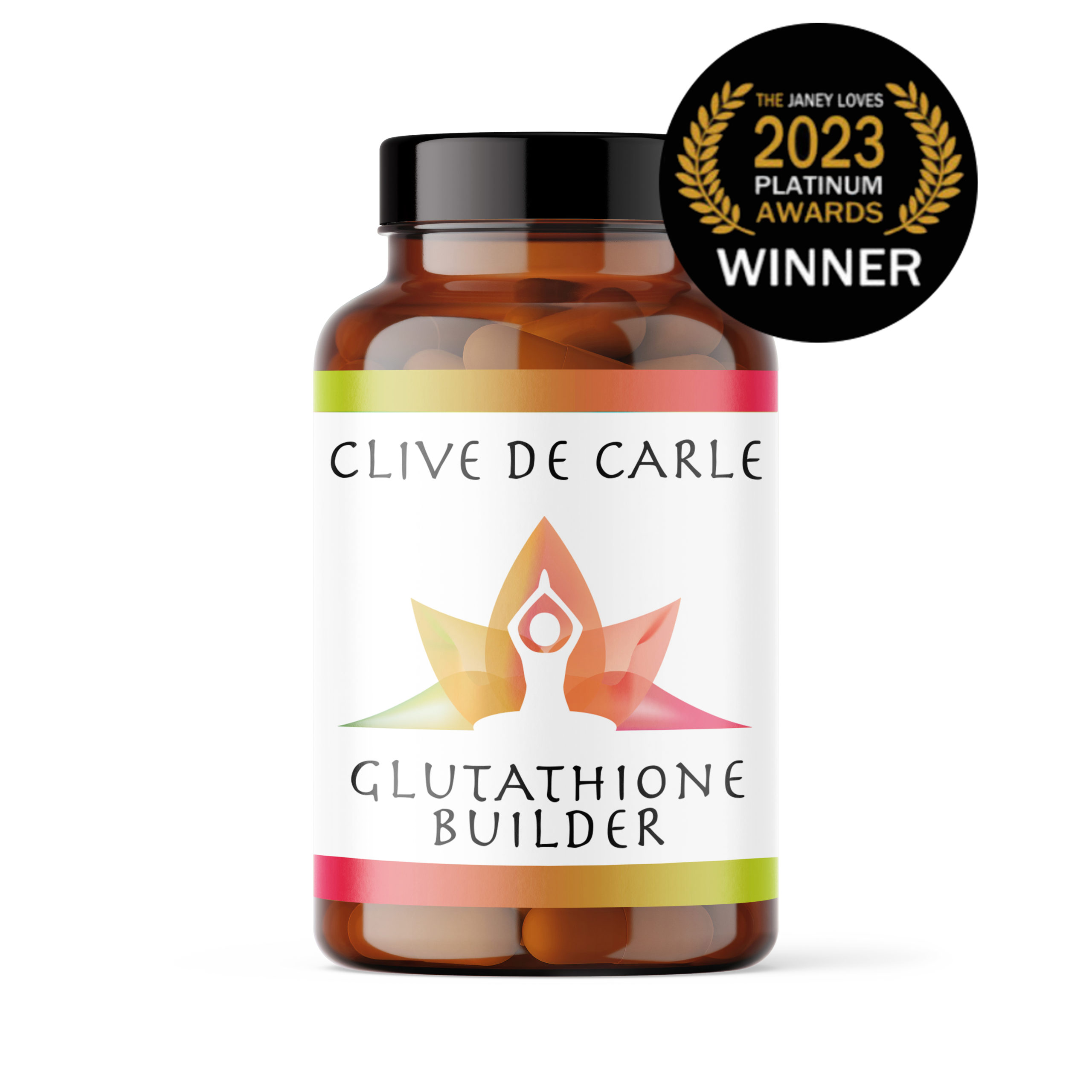
Glutathione Builder – Advanced Amino Acid Formula
Panaceum – Prebiotic Oligosaccharide Complex
INNERSTANDING may earn a commission on purchases made through these links. All products are selected based on rigorous educational relevance to our biological research.
RABBIT HOLE
Follow the biological thread deeper