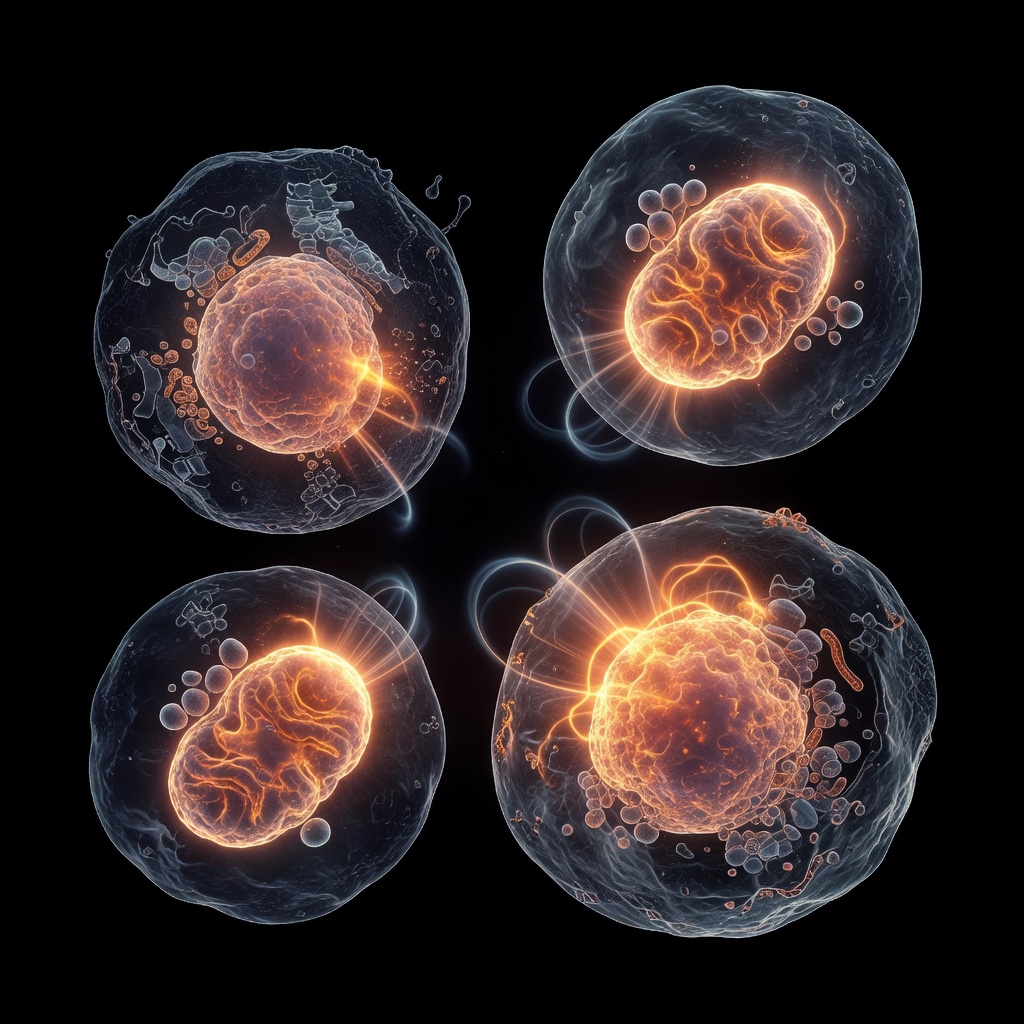
Thermal Stress and Heat Shock Protein Interaction with the Tight Junction Complex in Human Enterocytes
This comprehensive technical guide explores how hyperthermia impacts intestinal permeability at the molecular level and details the specific mechanisms by which Heat Shock Proteins (HSPs) preserve the integrity of the tight junction complex during thermal stress.

# Thermal Stress and Heat Shock Protein Interaction with the Tight Junction Complex in Human Enterocytes ## Introduction: The Internal Heat Burden In the realm of clinical gastroenterology and environmental physiology, the intestinal barrier represents a critical frontline in the maintenance of systemic homeostasis. At INNERSTANDING, we focus on the root causes of biological dysfunction, and few triggers are as pervasive or as damaging as thermal stress. Whether induced by strenuous physical exertion, high environmental temperatures, or systemic fever, hyperthermia poses a direct threat to the structural integrity of the human gut. Central to this threat is the disruption of the tight junction (TJ) complex, the primary determinant of the paracellular pathway. However, the human body possesses an ancient and sophisticated protective mechanism: the Heat Shock Response (HSR).
This article delves into the molecular interplay between thermal stress, the tight junction complex, and the protective role of Heat Shock Proteins (HSPs) in human enterocytes. ## The Architecture of the Tight Junction The intestinal epithelium consists of a single layer of enterocytes, which are fused together by a complex network of transmembrane and cytosolic proteins collectively known as the tight junction. The TJ is not a static seal but a dynamic gatekeeper. It consists of three primary protein classes: the claudins, which dictate ion selectivity; occludin, which regulates the diffusion of small molecules; and the zonula occludens (ZO) proteins, specifically ZO-1, ZO-2, and ZO-3, which act as scaffolds anchoring the transmembrane proteins to the actin cytoskeleton. When these proteins are properly localized and functional, the gut maintains a selective barrier, allowing nutrient absorption while preventing the translocation of luminal pathogens and endotoxins, such as lipopolysaccharides (LPS). ## The Impact of Thermal Stress on the Enterocyte Thermal stress, defined as a rise in core body temperature exceeding the physiological norm (typically 38.5°C to 40°C or higher), initiates a cascade of cellular events that compromise this barrier. The root cause of heat-induced 'leaky gut' is multi-factorial.
First, hyperthermia increases the fluidity of the plasma membrane, causing it to become unstable. Second, heat stress induces the production of reactive oxygen species (ROS), leading to oxidative damage of cellular proteins and lipids. At the molecular level, thermal stress triggers the activation of the Myosin Light Chain Kinase (MLCK) pathway. MLCK phosphorylation of the myosin light chain (MLC) leads to the contraction of the perijunctional actomyosin ring. This mechanical force effectively pulls the tight junctions apart.
Concurrently, hyperthermia causes the dissociation of occludin and ZO-1 from the TJ complex, leading to their internalization into the cytoplasmic compartments of the enterocyte. This redistribution results in increased paracellular permeability, allowing the passage of luminal toxins into the systemic circulation, a phenomenon known as endotoxemia. ## The Heat Shock Response: A Molecular Chaperone System To counter the deleterious effects of hyperthermia, human enterocytes initiate the Heat Shock Response. This process is characterized by the rapid synthesis of Heat Shock Proteins, a family of molecular chaperones. HSPs are classified by their molecular weight, with HSP70 and HSP90 being the most heavily studied in the context of intestinal integrity. These proteins function by binding to denatured or misfolded proteins, preventing their aggregation and facilitating their refolding or degradation.
In the context of thermal stress, HSPs are the primary defense against the total collapse of the tight junction complex. Under normal conditions, HSP70 levels in the gut are relatively low. However, when the enterocyte detects thermal or oxidative stress, the Heat Shock Factor 1 (HSF1) is activated, translocates to the nucleus, and binds to the promoter regions of HSP genes, triggering a massive up-regulation of HSP70 production. ## HSP70 Interaction with the Tight Junction Complex The interaction between HSP70 and the tight junction proteins is the definitive factor in determining whether the gut barrier survives a thermal challenge. Research indicates that HSP70 provides a 'scaffolding' protection to the ZO-1 and occludin proteins. During periods of heat stress, HSP70 has been shown to physically associate with ZO-1.
This binding prevents the dissociation of ZO-1 from the actin cytoskeleton, thereby maintaining the structural anchor for the claudin and occludin proteins. Furthermore, HSP70 inhibits the hyper-activation of the MLCK pathway. By dampening the phosphorylation of MLC, HSP70 reduces the mechanical tension on the TJ complex, preventing the physical separation of enterocytes. There is also evidence suggesting that HSP70 facilitates the rapid re-assembly of the TJ complex once the thermal stressor is removed. By acting as a chaperone for internalized occludin and claudin-1, HSP70 ensures these proteins are not degraded by the proteasome but are instead recycled back to the apical membrane. ## Clinical Implications: From Heatstroke to Hormetic Stress Understanding the root cause of heat-induced barrier failure has profound clinical implications.
In cases of exertional heatstroke, the massive influx of LPS into the bloodstream due to TJ failure can lead to systemic inflammatory response syndrome (SIRS) and multi-organ failure. Conversely, the concept of 'thermal preconditioning' or hormetic stress—such as controlled sauna use—suggests that mild, transient thermal stress can actually strengthen the gut barrier. By inducing a baseline increase in HSP70, the enterocytes become 'primed' and more resilient to subsequent stressors. This molecular adaptability highlights the importance of the Heat Shock Response in maintaining human health. ## Conclusion: The Synergy of Resilience The relationship between thermal stress and the tight junction complex is a delicate balance of damage and repair. While hyperthermia acts as a potent disruptor of enterocyte connectivity through the MLCK pathway and protein redistribution, the Heat Shock Response provides a robust counter-mechanism.
By stabilizing the ZO-1 scaffold and preventing protein aggregation, HSP70 serves as the molecular linchpin of intestinal barrier resilience. For the health-conscious individual or clinician, focusing on the root causes of barrier dysfunction—such as heat-induced oxidative stress—allows for targeted strategies to enhance the Heat Shock Response and protect the vital gatekeeper of the human body. Through this lens, we see that the gut is not just a passive tube, but a highly responsive and technologically advanced biological barrier.
This article is provided for informational and educational purposes only. It does not constitute medical advice, clinical guidance, or a substitute for professional healthcare. Information reflects cited research at time of publication. Always consult a qualified healthcare professional before acting on any health information.
RESEARCH FOUNDATIONS
Biological Credibility Archive
Citations provided for educational reference. Verify via PubMed or institutional databases.
Medical Disclaimer
The information in this article is for educational purposes only and does not constitute medical advice, diagnosis, or treatment. Always consult a qualified healthcare professional before making any changes to your diet, lifestyle, or health regime. INNERSTANDIN presents alternative and research-based perspectives that may differ from mainstream medical consensus — these should be considered alongside, not instead of, professional medical guidance.
Read Full DisclaimerReady to learn more?
Continue your journey through our classified biological research.
DISCUSSION ROOM
Members of THE COLLECTIVE discussing "Thermal Stress and Heat Shock Protein Interaction with the Tight Junction Complex in Human Enterocytes"
SILENT CHANNEL
Be the first to discuss this article. Your insight could help others understand these biological concepts deeper.
RABBIT HOLE
Follow the biological thread deeper