
Endocrine Disruptors: The Invisible Chemicals Altering Human Biology
Updated May 2026
From phthalates in personal care products to PFAS in drinking water, endocrine-disrupting chemicals are ubiquitous in the British environment. This article breaks down the molecular mimicry that allows these substances to hijack our hormones.
Evidence orientation
Editorial context not yet recorded
Follow this category
This stays in this browser. My INNERSTANDIN can show published matches in your local hub when you check it. It does not send email, push, or alert notifications.
Local learning review
A private browser aid for revisiting ideas. It is not an alert or a health recommendation.
Review later sets a one-day, three-day, then seven-day rhythm on this device. Choose it only when you want to revisit this article.
Overview
We are currently living through the greatest biological experiment in human history, conducted without a control group and without informed consent. Over the last eight decades, the rapid industrialisation of the Western world has introduced over 80,000 synthetic chemicals into our environment. Among these, a specific class of toxins known as Endocrine Disrupting Chemicals (EDCs) stands out as a primary driver of the modern chronic disease epidemic. Unlike traditional poisons that kill cells outright, EDCs are far more insidious: they are biological hackers. They infiltrate the most delicate communication system in the human body—the endocrine system—and rewrite the software of our biology.
The endocrine system is a complex network of glands and hormones that regulates every vital function, from metabolism and growth to sleep cycles, stress responses, and reproductive capability. Hormones operate on a scale of picograms per millilitre—that is one-trillionth of a gram. To put that in perspective, a single drop of ink in a row of Olympic-sized swimming pools represents the concentration at which our hormones signal life-altering changes. Because the body is tuned to such exquisite sensitivity, even infinitesimal amounts of synthetic chemicals can cause catastrophic failures in biological signalling.
In the United Kingdom, the prevalence of these chemicals is staggering. From the phthalates in our shampoos and the bisphenols lining our tinned food to the PFAS (per- and polyfluoroalkyl substances) in our tap water, the British public is marinating in a chemical soup. This article will expose the mechanisms by which these substances hijack human health, the specific toxins that pose the greatest threat, and the systemic failure of regulatory bodies like the Environment Agency and the Health and Safety Executive (HSE) to protect the biological integrity of the nation.
Recent data indicates that nearly 99% of the British population has detectable levels of PFAS—the "forever chemicals"—in their bloodstream, substances linked to immune suppression and hormonal cancers.
##
##
The Biology — How It Works
To understand the threat of EDCs, one must first appreciate the elegance of the endocrine system. It is often described as an "orchestra" where the Hypothalamus is the conductor, the Pituitary Gland is the lead performer, and the peripheral glands—the thyroid, adrenals, pancreas, and gonads—are the musicians. Their music is the constant flow of hormones like insulin, cortisol, thyroxine, oestrogen, and testosterone.
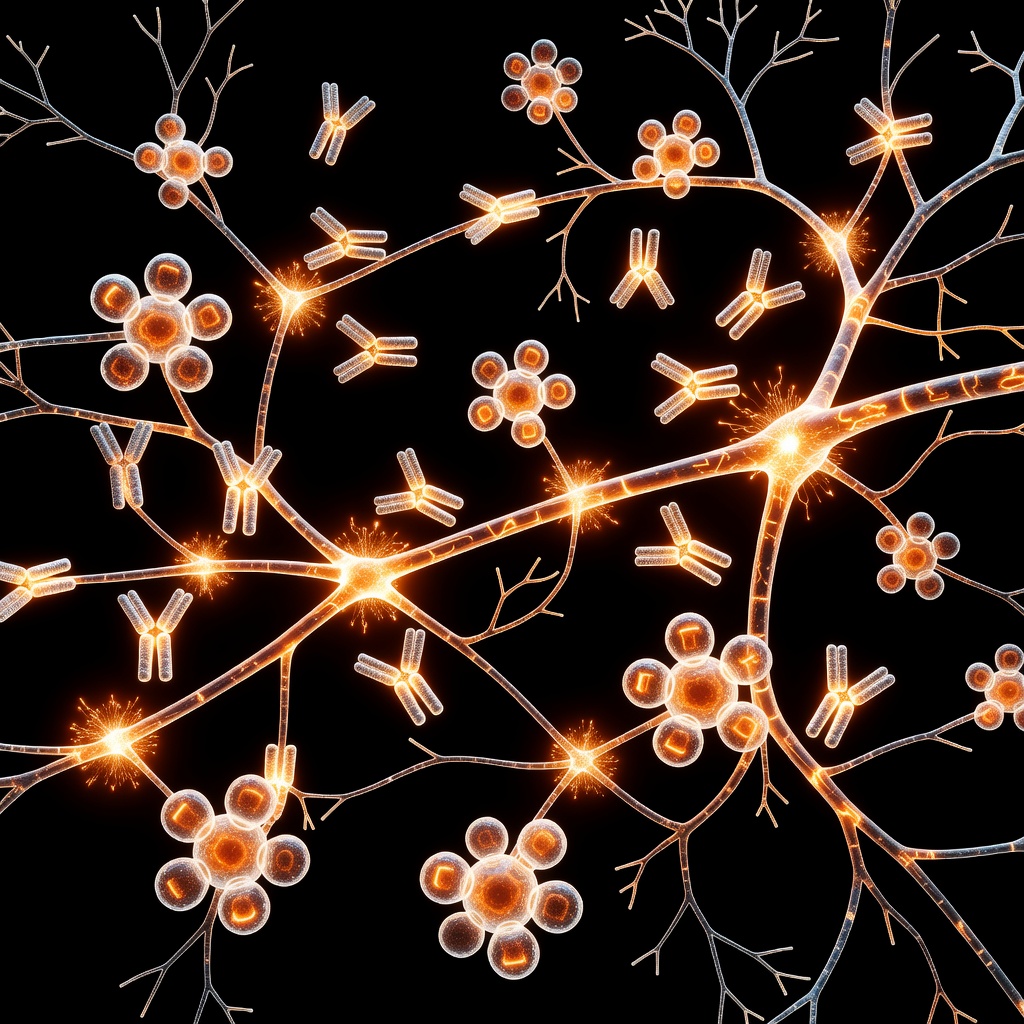
The endocrine system relies on a "lock and key" mechanism. A hormone (the key) travels through the bloodstream until it finds its specific receptor (the lock) on a cell membrane or within the nucleus. When the key turns the lock, it triggers a specific biological response: the burning of fat, the release of an egg, or the firing of a neurotransmitter.
The Sensitivity of Signalling
The fundamental danger of EDCs lies in their ability to interfere with this lock and key mechanism at three distinct levels:
- Mimicry: An EDC can "impersonate" a natural hormone, fitting into the receptor and triggering a response at the wrong time or with excessive intensity.
- Blockage: An EDC can sit in the receptor without activating it, effectively "jamming the lock" so that the body’s natural hormones cannot do their job.
- Epigenetic Alteration: EDCs can change how genes are turned on or off, ensuring that the damage is not just limited to the individual exposed, but is passed down to their children and grandchildren through altered DNA methylation patterns.
The HPA and HPG Axes
The two most critical pathways under attack are the Hypothalamic-Pituitary-Adrenal (HPA) axis and the Hypothalamic-Pituitary-Gonadal (HPG) axis. The HPA axis governs our stress response and metabolism. When EDCs interfere here, we see the rise of "adrenal fatigue," chronic anxiety, and metabolic syndrome. The HPG axis governs reproduction and sexual characteristics. The disruption of this axis is why we are witnessing a global decline in sperm counts and a skyrocketing rate of Polycystic Ovary Syndrome (PCOS) and endometriosis among women in the UK.
##
##
Mechanisms at the Cellular Level
At the molecular scale, the disruption is even more precise and devastating. EDCs do not just float around; they engage in molecular mimicry, often sharing a similar carbon-ring structure with steroid hormones like oestradiol or testosterone.
Receptor Binding and Ligand Interference
Most EDCs target Nuclear Receptors (NRs). When a chemical like Bisphenol A (BPA) enters the body, it has a high affinity for the Oestrogen Receptor Alpha (ERα). Even though BPA is a "weak" oestrogen compared to the body’s natural oestradiol, the sheer volume of exposure means that receptors are constantly saturated with this synthetic signal. This leads to downregulation, where the cell, overwhelmed by the signal, actually removes receptors, making the person "hormone resistant."
Enzymatic Disruption: The Aromatase Hijack
One of the most critical enzymes in the human body is Aromatase (CYP19A1). This enzyme is responsible for the "aromatisation" or conversion of androgens (like testosterone) into oestrogens. Many pesticides and plasticisers are known to upregulate aromatase activity. In men, this results in the rapid conversion of their masculine hormones into oestrogen, leading to gynaecomastia (the development of breast tissue) and central obesity. In women, it can lead to "oestrogen dominance," a state that fuels the growth of fibroids and breast cancer cells.
Interference with Transport Proteins
Hormones do not travel alone; they are carried by transport proteins such as Sex Hormone-Binding Globulin (SHBG) and Thyroid-Binding Globulin (TBG). EDCs like phthalates can bind to these carriers, displacing the natural hormones. This creates a spike in "free" hormone levels in the short term, followed by a systemic crash as the body’s feedback loops attempt to compensate for the perceived excess.
Xenohormones, the term for these foreign oestrogen-mimics, are often 1,000 times less potent than natural oestrogen, yet they are present in the human body at concentrations 1,000,000 times higher than our natural hormones.
##
##
Environmental Threats and Biological Disruptors
The list of EDCs is extensive, but four primary "villains" dominate the British landscape due to their ubiquity in consumer products and industrial waste.
1. Bisphenols (BPA, BPS, BPF)
Originally developed as a synthetic oestrogen in the 1930s before being repurposed for the plastics industry, Bisphenol A is found in the epoxy resins lining food tins, polycarbonate water bottles, and thermal till receipts. When you hold a receipt at a supermarket, the BPA is absorbed through your skin within seconds. Even "BPA-Free" products are often a marketing ruse, as they frequently contain Bisphenol S (BPS), which research suggests is even more heat-stable and potentially more disruptive to heart rhythm and thyroid function.
2. Phthalates
Known as "plasticisers," phthalates make plastics flexible. They are not chemically bound to the plastic, meaning they constantly "leach" into the air, food, and water. They are also used as fixatives in synthetic fragrances (perfumes, colognes, scented candles). Phthalates are primarily anti-androgens. They interfere with the production of testosterone in the foetal testes, a phenomenon known as the "phthalate syndrome," which results in shorter anogenital distance (AGD)—a key marker of reduced lifetime fertility in males.
3. PFAS: The "Forever Chemicals"
Per- and polyfluoroalkyl substances (PFAS) are used for their non-stick and water-resistant properties (Teflon, Gore-Tex, grease-proof packaging). The carbon-fluorine bond is the strongest in organic chemistry; it does not break down in the environment or the human body. PFAS interfere with PPAR (Peroxisome Proliferator-Activated Receptors), which are the master controllers of fat metabolism. This makes PFAS potent obesogens—chemicals that "programme" your cells to store fat regardless of calorie intake.
4. Organophosphate Pesticides
Widely used in UK agriculture, these chemicals are designed to be neurotoxic to insects by inhibiting acetylcholinesterase. In humans, they act as potent endocrine disruptors that target the thyroid gland. A disrupted thyroid leads to a slowed basal metabolic rate, brain fog, and a weakened immune system.
##
##
The Cascade: From Exposure to Disease
The clinical manifestations of endocrine disruption are not always immediate. We are dealing with a latency period that can span decades. However, the aggregate data from the last 20 years shows a clear correlation between the rise of EDC production and the surge in "modern" diseases.
The Fertility Crisis
Male fertility in the UK has plummeted. Average sperm counts have dropped by over 50% in the last four decades. It is not merely a decrease in number; it is a decrease in quality (motility and morphology). This is a direct result of xeno-oestrogen exposure during critical windows of development, particularly in utero. The "oestrogenisation" of the environment is quite literally de-masculinising the next generation.
Metabolic Dysfunction and the Obesogen Hypothesis
For years, the mainstream narrative has blamed obesity solely on "gluttony and sloth." Biological research now exposes this as a half-truth. EDCs act as obesogens by:
- Increasing the number of adipocytes (fat cells).
- Increasing the amount of fat stored in existing cells.
- Altering the "set point" for hunger in the hypothalamus by inducing leptin resistance.
- Disrupting the insulin signalling pathway, leading to Type 2 Diabetes even in individuals who are not "overweight" by traditional standards.
Hormonally-Driven Cancers
Breast, prostate, and testicular cancers are all hormone-sensitive. EDCs provide the fuel for these fires. By mimicking oestrogen or blocking testosterone, these chemicals stimulate the rapid proliferation of cells in these tissues. Furthermore, chemicals like atrazine (a herbicide) have been shown to induce the expression of aromatase in tissues that shouldn't have high levels, creating "local" oestrogen pockets that drive tumour growth.
Neurodevelopmental Disorders
The brain is an endocrine organ. Thyroid hormones are essential for the migration of neurons during foetal development. Exposure to Polybrominated Diphenyl Ethers (PBDEs)—flame retardants found in UK sofas and carpets—has been linked to lower IQ scores, ADHD, and autism. These chemicals compete with thyroid hormones for transport to the developing foetal brain.
##
##
What the Mainstream Narrative Omits
The UK’s regulatory approach to EDCs is fundamentally flawed, largely due to an outdated toxicological model. The mainstream narrative, pushed by chemical industry lobbyists and often echoed by the Food Standards Agency (FSA), relies on the 16th-century maxim: "The dose makes the poison."
The Low-Dose Paradox
In traditional toxicology, a higher dose causes more harm. However, hormones do not work this way. Hormones exhibit non-monotonic dose-response curves. This means that a chemical can have a massive biological effect at a tiny dose (by triggering a receptor) and a completely different effect (or no effect) at a high dose (by overwhelming and shutting down the receptor). Regulatory bodies often test chemicals at high doses and "extrapolate" downwards, completely missing the toxic "sweet spot" where EDCs are most active.
The "Cocktail Effect"
Regulations typically assess one chemical at a time. This is scientifically dishonest. No human is exposed to only BPA. We are exposed to a "cocktail" of BPA, phthalates, PFAS, and pesticides simultaneously. Research into the cocktail effect shows that chemicals which are "safe" at their individual regulatory limits can become highly toxic when combined, as they attack the same biological pathways from different angles.
Transgenerational Epigenetics
Perhaps the most suppressed truth is that EDCs are "multi-generational toxins." Studies on rodents exposed to EDCs showed that the fourth generation of offspring—who were never directly exposed to the chemical—still exhibited the same reproductive and metabolic diseases as the first generation. This suggests that the chemical exposures of our grandparents in the 1950s are currently manifesting in our own biology.
##
##
The UK Context
The situation in the United Kingdom is unique and, in many ways, more concerning than in mainland Europe. Following Brexit, the UK moved away from the EU’s REACH (Registration, Evaluation, Authorisation and Restriction of Chemicals) framework to create UK REACH. Critics argue that this has led to a "regulatory divergence" where the UK is slower to ban harmful substances than the EU.
Contaminated Waterways
The Environment Agency has admitted that not a single river in England is in good chemical health. A primary culprit is the discharge of "treated" sewage, which is laden with EDCs from pharmaceutical waste (the contraceptive pill) and household cleaners. These chemicals are not removed by standard water treatment processes.
A 2023 investigation revealed that "forever chemicals" (PFAS) were detected in the tap water of millions of British households at levels exceeding the safety limits set by the European Food Safety Authority, yet the UK’s Drinking Water Inspectorate (DWI) maintains much more lenient thresholds.
The "Spermageddon" in British Wildlife
The impact on UK wildlife serves as a sentinel for human health. Male fish in British rivers like the Thames and the Severn are increasingly being found with "intersex" characteristics—developing eggs in their testes due to the high concentration of synthetic oestrogens in the water. If the environment is potent enough to change the sex of a fish, it is potent enough to disrupt the development of a human child.
##
##
Protective Measures and Recovery Protocols
While the systemic issue requires legislative change, individuals must take immediate "biological defence" measures to reduce their toxic load and support their body's detoxification pathways.
1. Water Filtration: The First Line of Defence
Standard carbon filters (like basic jugs) are insufficient for removing PFAS and most EDCs. To truly protect your hormonal health, you must use Reverse Osmosis (RO) or high-grade distillation with a post-carbon block. These are the only technologies capable of stripping the "forever chemicals" and synthetic hormones from British tap water.
2. Elimination of Synthetic Fragrance
"Parfum" or "Fragrance" on a label is a legal loophole that allows companies to hide hundreds of unlisted phthalates. Switch to products scented with 100% pure essential oils or, ideally, fragrance-free options. This applies to laundry detergents, fabric softeners (which are particularly toxic), and personal care products.
3. Kitchen Detox: Glass and Stainless Steel
- Purge the Plastic: Never heat food in plastic containers. Heat accelerates the leaching of bisphenols and phthalates. Transition to glass or stainless steel for food storage.
- Toss Non-Stick Cookware: If your frying pan is scratched and made of Teflon, you are ingesting PFAS with every meal. Replace them with cast iron, carbon steel, or high-quality stainless steel.
- Avoid Tins: Switch to frozen or jarred pulses and vegetables to avoid the BPA/BPS linings of food tins.
4. Support Phase I and Phase II Liver Detoxification
The liver is responsible for breaking down and excreting hormones and xenohormones. If the liver is sluggish, oestrogens are "recycled" back into the bloodstream.
- Cruciferous Vegetables: Broccoli, kale, and Brussels sprouts contain Indole-3-Carbinol (I3C) and Diindolylmethane (DIM), which promote the healthy metabolism of oestrogen through the 2-OH pathway rather than the carcinogenic 16-OH pathway.
- Calcium D-Glucarate: This supplement helps the body "trap" toxins in the gut so they are excreted rather than reabsorbed via the enterohepatic circulation.
- Sweat: Many EDCs, particularly phthalates and certain heavy metals, are excreted through the skin. Regular use of a sauna (specifically infrared) is a scientifically validated way to lower the body's total chemical burden.
5. Dietary Fibre
The gut microbiome plays a role in oestrogen excretion via a collection of bacteria known as the astrobolome. High intake of insoluble fibre ensures regular bowel movements, preventing the "re-absorption" of hormones that the liver has worked hard to conjugate.
##
##
Summary: Key Takeaways
The threat of Endocrine Disrupting Chemicals is not a distant "environmental" problem; it is an intimate biological crisis that affects the very blueprint of human life.
- Ubiquity: EDCs like BPA, phthalates, and PFAS are present in the blood of nearly every person in the UK, found in everything from tap water to supermarket receipts.
- Molecular Mimicry: These chemicals hijack the body’s "lock and key" hormonal system, causing disease at concentrations as low as parts per trillion.
- The Obesogen Factor: Modern weight gain is not just about calories; it is about chemical signals that programme cells to store fat and resist insulin.
- Regulatory Failure: UK authorities currently rely on outdated models that ignore the "low-dose paradox" and the "cocktail effect" of multiple chemical exposures.
- Intergenerational Harm: The damage caused by EDCs can be passed down to future generations through epigenetic changes, making the current exposure a long-term threat to the British gene pool.
- Action is Possible: Through advanced water filtration, the removal of synthetic fragrances, and supporting the liver’s natural detoxification pathways, individuals can significantly mitigate the impact of these invisible disruptors.
The evidence is clear: our chemical environment is out of sync with our evolutionary biology. To reclaim our health, we must first recognise the invisible forces that are attempting to rewrite it. Truth, in this case, is the first step toward biological sovereignty.
This article is provided for informational and educational purposes only. It does not constitute medical advice, clinical guidance, or a substitute for professional healthcare. Information reflects cited research at time of publication. Always consult a qualified healthcare professional before acting on any health information.
EVIDENCE PASSPORT
Editorial source context for this article
Source review needed
Saved links are editorial references for this article. They may support specific claims rather than every sentence. Open and assess each source in context. This passport does not independently verify them.
Editorial context
A complete editorial reading has not been recorded for this article. Source links remain available for you to open and assess directly.
Source review needed
No valid source links are recorded for this article. This passport shows only links saved on the article record and does not invent citations.
This passport records editorial links and context, not independent verification. Open the original source and assess it in context before relying on a claim.
Medical Disclaimer
The information in this article is for educational purposes only and does not constitute medical advice, diagnosis, or treatment. Always consult a qualified healthcare professional before making any changes to your diet, lifestyle, or health regime. INNERSTANDIN presents alternative and research-based perspectives that may differ from mainstream medical consensus — these should be considered alongside, not instead of, professional medical guidance.
Read Full DisclaimerContinue the thread
Keep this question moving.
Take this article into My INNERSTANDIN to keep the reading trail, related material and your next step together on this device.
Explore this in the Body Map
See where this hits your biology. Interactive anatomy, threats, and protective protocols.
Dig deeper in the Library
Free, longform PDF volumes that go beyond headlines into mechanisms and references.