
Endocrine Disruptors and the Upregulation of Cytokine Storms within Lymphoid Tissues
An in-depth analysis of how environmental toxins disrupt hormonal balance and prime the mucosal immune system of the tonsils and adenoids for hyper-inflammatory responses and cytokine storms.

# The Gatekeepers of Immunity: Tonsils and Adenoids The human immune system is a sophisticated network of cells and tissues designed to distinguish between self and non-self. At the forefront of this defence mechanism lies the Waldeyer's ring, a circular arrangement of lymphoid tissue in the pharynx that includes the palatine tonsils, adenoids, and lingual tonsils. These structures serve as the primary sentinels of the mucosal immune system, capturing inhaled and ingested pathogens to initiate an immune response. However, in the modern industrialised world, these gatekeepers are increasingly under siege from a hidden category of environmental threats: Endocrine Disrupting Chemicals (EDCs). Understanding the relationship between these toxins and the upregulation of cytokine storms is essential for addressing the root causes of chronic respiratory and systemic inflammation. # Understanding Endocrine Disrupting Chemicals (EDCs) Endocrine disruptors are exogenous substances—found in plastics, pesticides, personal care products, and tap water—that interfere with the body's hormonal systems.
Common examples include Bisphenol A (BPA), phthalates, per- and polyfluoroalkyl substances (PFAS), and various flame retardants. Unlike traditional toxins, EDCs do not always cause immediate cellular death. Instead, they mimic, block, or alter the signalling of natural hormones such as estrogen, testosterone, and thyroid hormones. Because the immune system and the endocrine system are deeply intertwined, any disruption in hormonal signalling cascades directly into immune dysregulation. # The Mechanism of Immune Priming in Lymphoid Tissues Lymphoid tissues like the tonsils and adenoids are rich in hormone receptors, particularly estrogen receptors (ERs) and glucocorticoid receptors. These receptors help modulate the activity of T-cells, B-cells, and macrophages.
When EDCs enter the mucosal lining of the throat, they bind to these receptors, sending 'false signals' to the immune cells. Research has shown that BPA and phthalates can shift the immune balance from a controlled Th1 response (cellular immunity) to an exaggerated Th2 or Th17 response. Th17 cells, in particular, are notorious for producing Interleukin-17 (IL-17), a potent pro-inflammatory cytokine that recruits neutrophils and can lead to tissue damage if left unchecked. This 'priming' effect means that when a genuine pathogen (like a virus or bacteria) arrives, the tonsils are already in a state of hyper-alertness, prepared to overreact rather than respond proportionately. # The Upregulation of Cytokine Storms A cytokine storm is an out-of-control inflammatory response where the body releases excessive amounts of pro-inflammatory proteins (cytokines) into the bloodstream too quickly. In the context of the tonsils and adenoids, the most critical cytokines involved are Interleukin-6 (IL-6), Tumour Necrosis Factor-alpha (TNF-α), and Interleukin-1 beta (IL-1β).
Under normal conditions, these molecules coordinate the destruction of pathogens. However, when EDCs have upregulated the Nuclear Factor-kappa B (NF-κB) pathway—a master regulator of inflammation—the immune response becomes a feedback loop of destruction. The tonsillar lymphoid tissue becomes a 'factory' for these cytokines, which then disseminate systemically. This is the root cause of why some individuals experience severe, systemic complications from minor respiratory infections, as their mucosal gatekeepers have been pre-programmed for hyper-inflammation by environmental chemical exposure. # The Vulnerability of Children: Adenoids and Developmental Windows In the UK, children are frequently diagnosed with enlarged adenoids and chronic tonsillitis. From a root-cause perspective, this is often more than just a 'bad luck' infection.
Children are more vulnerable to EDCs because their endocrine systems are still developing. Exposure to phthalates from plastic toys and food packaging, or PFAS from water-resistant clothing, can lead to the hypertrophy (enlargement) of adenoid tissue. This physical enlargement is often a manifestation of chronic, sub-clinical inflammation driven by endocrine interference. When the adenoids are chronically inflamed due to EDC exposure, the risk of a cytokine storm during a common cold increases significantly, leading to high fevers, excessive mucus production, and prolonged recovery times. # Environmental Sources and Cumulative Load The challenge with EDCs is their ubiquity. In the UK, common sources include: 1.
Food and Drink: BPA in can linings and phthalates in plastic bottles. 2. Tap Water: Persistent PFAS and microplastics that bypass standard filtration. 3. Home Environment: Flame retardants in furniture and volatile organic compounds (VOCs) in paints. 4. Personal Care: Parabens and synthetic fragrances in soaps and shampoos. The 'body burden' or cumulative load of these chemicals is what eventually leads to the tipping point where the immune system loses its ability to self-regulate.
For the tonsils and adenoids, which are constantly exposed to the air we breathe and the food we eat, the concentration of these disruptors can be significantly higher than in other tissues. # Root Cause Solutions and Mitigation To protect the integrity of the lymphoid tissues and prevent the upregulation of cytokine storms, we must focus on reducing the toxic load and supporting the body's natural detoxification pathways. 1. Water Filtration: Using high-quality filters (such as reverse osmosis or solid carbon block) can significantly reduce exposure to PFAS and microplastics. 2. Plastic-Free Living: Transitioning to glass or stainless steel for food storage helps eliminate the leaching of BPA and phthalates. 3. Supporting Glutathione: The master antioxidant, glutathione, is essential for the liver to process and excrete EDCs. Foods rich in sulphur (like broccoli and garlic) or supplements like N-Acetyl Cysteine (NAC) can be beneficial. 4.
Mucosal Support: Strengthening the mucosal barrier with Vitamin A, Vitamin D, and Zinc ensures that the tonsils have the nutrients required for a regulated immune response rather than a chaotic one. # Conclusion: Empowering the Innate Immune System The upregulation of cytokine storms within the tonsils and adenoids is not a random occurrence but often a consequence of environmental conditioning. By understanding the role of endocrine disruptors, we can move beyond merely treating symptoms with antibiotics or surgery. Instead, we can address the root cause by cleaning up our environment, supporting our hormonal health, and ensuring our mucosal sentinels are equipped to defend us without turning the body's weapons against itself. At INNERSTANDING, we believe that true health begins with the knowledge of how our modern world interacts with our ancient biology. Protecting our lymphoid tissues from chemical interference is a vital step toward long-term immune resilience.
This article is provided for informational and educational purposes only. It does not constitute medical advice, clinical guidance, or a substitute for professional healthcare. Information reflects cited research at time of publication. Always consult a qualified healthcare professional before acting on any health information.
RESEARCH FOUNDATIONS
Biological Credibility Archive
Citations provided for educational reference. Verify via PubMed or institutional databases.
Medical Disclaimer
The information in this article is for educational purposes only and does not constitute medical advice, diagnosis, or treatment. Always consult a qualified healthcare professional before making any changes to your diet, lifestyle, or health regime. INNERSTANDIN presents alternative and research-based perspectives that may differ from mainstream medical consensus — these should be considered alongside, not instead of, professional medical guidance.
Read Full DisclaimerReady to learn more?
Continue your journey through our classified biological research.
THE ARSENAL
Based on Tonsils, Adenoids & Innate Immunity — products curated by our research team for educational relevance and biological support.
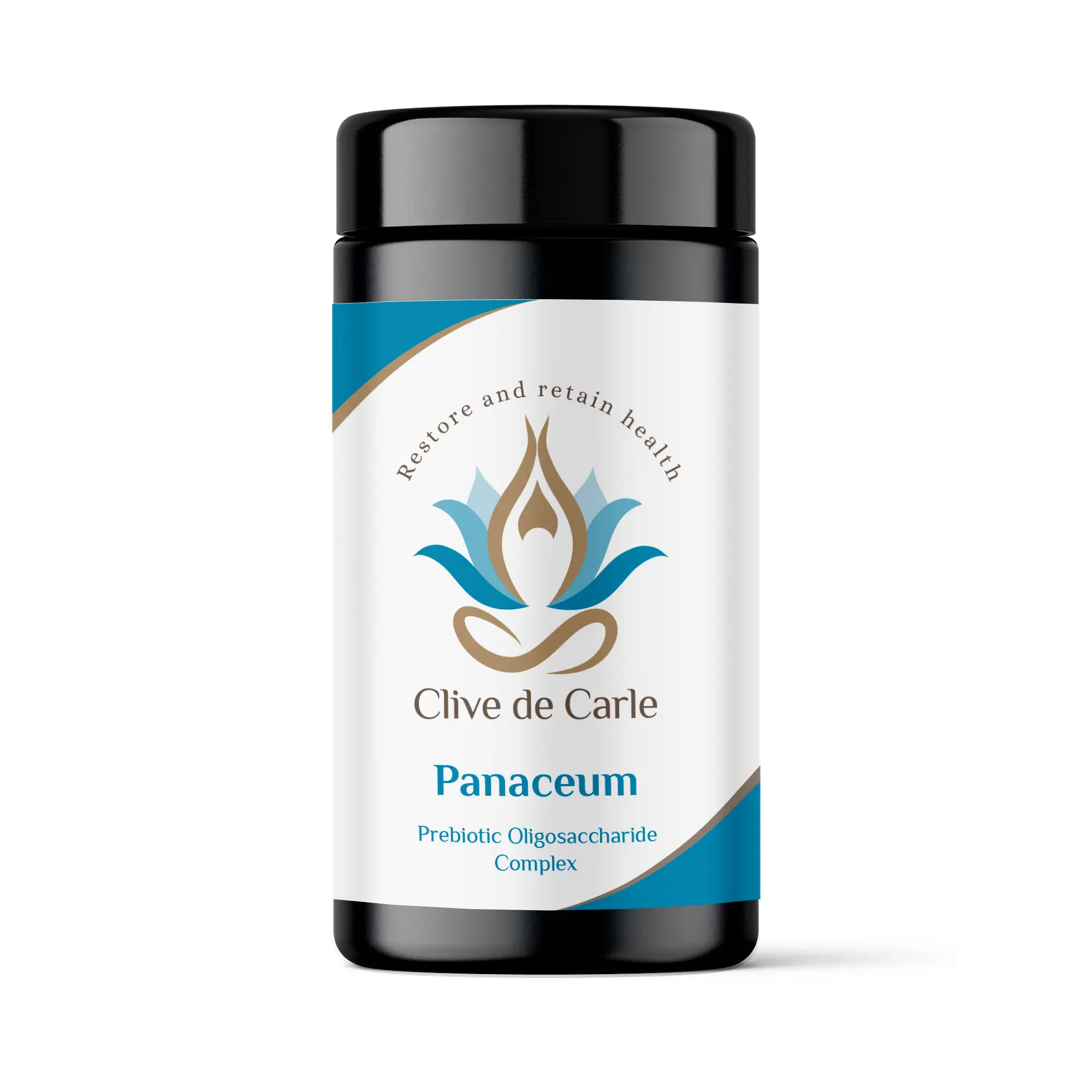
Panaceum – Prebiotic Oligosaccharide Complex
INNERSTANDING may earn a commission on purchases made through these links. All products are selected based on rigorous educational relevance to our biological research.