
Endocrine Disruption of Erythropoiesis: The Impact of Xenoestrogens on Bone Marrow Iron Sequestration
An in-depth exploration of how environmental xenoestrogens disrupt red blood cell production by triggering the hepcidin-ferroportin axis, leading to functional iron deficiency and marrow sequestration.
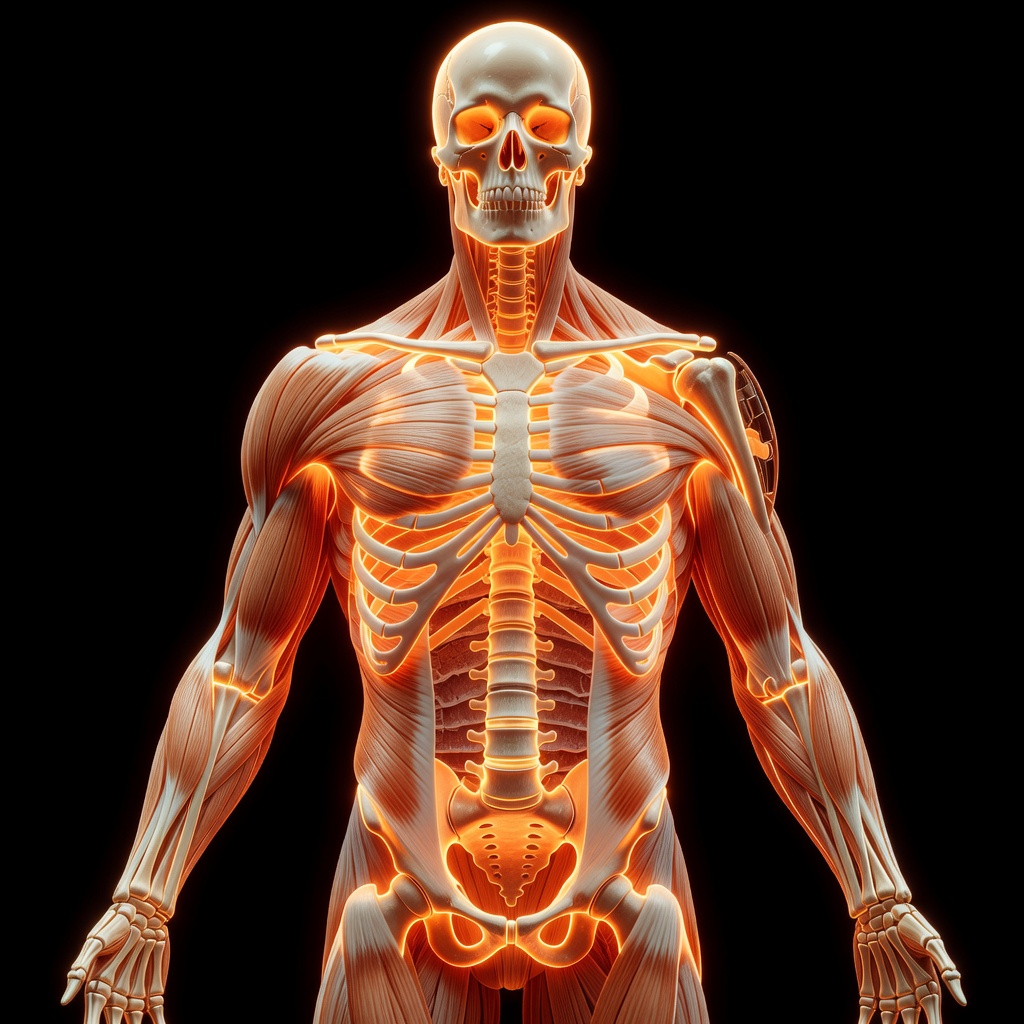
The Invisible Barrier to Blood Building
In the complex landscape of human physiology, few processes are as vital as erythropoiesis—the continuous generation of red blood cells (RBCs) within the bone marrow. Every second, millions of new cells are birthed into the systemic circulation, tasked with the delivery of life-sustaining oxygen to every tissue. However, this production line is exquisitely sensitive to the internal hormonal environment. While we often view anaemia through the lens of simple nutritional deficiency, modern environmental medicine reveals a more insidious culprit: endocrine-disrupting chemicals (EDCs), specifically xenoestrogens. These compounds do not merely mimic natural hormones; they fundamentally recalibrate how the body manages its most precious resource—iron.
Understanding Xenoestrogens: The Environmental Impostors
Xenoestrogens are a subcategory of endocrine disruptors that possess the ability to bind to estrogen receptors (EṚ and ER̤). They are found ubiquitously in modern life: Bisphenol A (BPA) in plastic linings, phthalates in personal care products, parabens in cosmetics, and organochlorine pesticides in the food chain. Unlike endogenous estradiol, which the body can metabolise and clear efficiently under normal conditions, xenoestrogens are often lipophilic and persistent. They create a state of 'oestrogen dominance' or aberrant oestrogen signalling that bypasses the body's natural feedback loops. In the context of haematopoiesis, this is particularly problematic because the bone marrow is an exceptionally estrogen-sensitive organ.
The Hepcidin-Ferroportin Axis: How Estrogen Commands Iron
To understand how xenoestrogens disrupt red blood cell production, we must look at the master regulator of iron: hepcidin. Hepcidin is a peptide hormone produced primarily by the liver that controls systemic iron availability. It works by binding to and degrading ferroportin—the only known cellular export channel for iron. When hepcidin levels are high, ferroportin is destroyed, and iron remains 'locked' inside macrophages and enterocytes.
Emerging research indicates that oestrogen signalling directly influences hepcidin expression. While natural oestrogen in physiological doses typically suppresses hepcidin to ensure enough iron is available for the increased demands of the menstrual cycle or pregnancy, xenoestrogens disrupt this balance. By over-stimulating oestrogen receptors or inducing a state of chronic low-grade inflammation, xenoestrogens can paradoxically trigger an increase in hepcidin levels. This marks the beginning of iron sequestration.
Iron Sequestration: The 'Locked Vault' Phenomenon
When hepcidin is chronically elevated due to xenoestrogenic influence, the body enters a state of functional iron deficiency (FID). In this scenario, total body iron stores (ferritin) may appear normal or even high, but the iron is inaccessible to the bone marrow. It is sequestered within the reticuloendothelial system—specifically the macrophages located in the liver, spleen, and the bone marrow itself.
For erythropoiesis to occur, the erythroid progenitor cells in the marrow must have a steady supply of iron to synthesise haemoglobin. When iron is sequestered, these cells are effectively starved. This creates a bottleneck in the production line. Even if an individual consumes adequate dietary iron or takes supplements, the 'gate' remains closed. The iron simply adds to the sequestered pool, potentially increasing oxidative stress within the storage tissues while the circulating red cell count suffers.
Erythropoietic Blunting: The Bone Marrow Under Siege
The impact of xenoestrogens extends beyond iron availability. The bone marrow microenvironment, or 'niche,' relies on precise signalling to maintain the health of haematopoietic stem cells. Xenoestrogens have been shown to induce oxidative stress within this niche. By mimicking oestrogen, they can interfere with the proliferation of erythroid colony-forming units (CFU-E).
Furthermore, xenoestrogens are known to impact the kidneys—the primary site of erythropoietin (EPO) production. If EPO signalling is blunted, the bone marrow does not receive the necessary 'command' to produce more red cells. The result is a multi-layered suppression of haematopoiesis: a lack of hormonal stimulus (EPO), a lack of raw materials (sequestered iron), and a hostile cellular environment (oxidative stress).
The Role of Copper and Ceruloplasmin
A critical, often overlooked factor in this disruption is the relationship between oestrogen, xenoestrogens, and copper metabolism. Copper is required for the function of ferroxidases like ceruloplasmin and hephaestin, which 'unlock' iron and allow it to be transported by transferrin. Xenoestrogens can disrupt the liver's ability to produce functional ceruloplasmin. Without bioavailable copper acting as the 'key,' iron remains stuck in its ferrous state, unable to move out of storage. This explains why many individuals with environmental toxicity present with a 'copper-toxic but copper-deficient' profile, further complicating the haematological picture.
Root Cause Interventions: Restoring Haematological Balance
Addressing endocrine-driven erythropoietic failure requires more than just iron supplementation; in fact, aggressive iron loading can often exacerbate the problem by increasing oxidative stress in an already sequestered environment. The root-cause approach focuses on three pillars:
- —Environmental Hygiene: The first step is the rigorous elimination of xenoestrogen sources. This includes transitioning to glass or stainless steel containers, choosing organic produce to avoid pesticides, and using 'clean' personal care products free from phthalates and parabens.
- —Hepatic Support and Phase II Detoxification: The liver is responsible for conjugating and excreting both natural oestrogen and xenoestrogens. Supporting the glucuronidation and methylation pathways (via nutrients like calcium-d-glucarate, DIM, and B-vitamins) is essential to clear the 'hormonal backlog' and lower hepcidin levels.
- —Restoring Mineral Synergy: Focus on bioavailable copper and retinol (Vitamin A). Retinol is required for the loading of copper into ceruloplasmin. By restoring the copper-iron-vitamin A triad, we can reactivate the ferroportin channels and mobilise sequestered iron back to the bone marrow.
Conclusion
The relationship between xenoestrogens and bone marrow health represents a critical frontier in functional medicine. By understanding that anaemia is often a symptom of endocrine disruption and iron sequestration rather than simple deficiency, practitioners and individuals can move toward more effective interventions. Protecting the bone marrow from environmental 'impostors' is not just about blood counts; it is about safeguarding the very foundation of cellular vitality and oxygenation.
This article is provided for informational and educational purposes only. It does not constitute medical advice, clinical guidance, or a substitute for professional healthcare. Information reflects cited research at time of publication. Always consult a qualified healthcare professional before acting on any health information.
RESEARCH FOUNDATIONS
Biological Credibility Archive
Citations provided for educational reference. Verify via PubMed or institutional databases.
Medical Disclaimer
The information in this article is for educational purposes only and does not constitute medical advice, diagnosis, or treatment. Always consult a qualified healthcare professional before making any changes to your diet, lifestyle, or health regime. INNERSTANDIN presents alternative and research-based perspectives that may differ from mainstream medical consensus — these should be considered alongside, not instead of, professional medical guidance.
Read Full DisclaimerReady to learn more?
Continue your journey through our classified biological research.