
Phthalates in School Supplies: Identifying Endocrine Risks in the Classroom
Updated May 2026
Many common school items contain phthalates, chemicals used to soften plastic that can interfere with hormonal development. This article details the types of products to watch out for and the biological pathways through which these chemicals affect children.
Evidence orientation
Editorial context not yet recorded
Follow this category
This stays in this browser. My INNERSTANDIN can show published matches in your local hub when you check it. It does not send email, push, or alert notifications.
Local learning review
A private browser aid for revisiting ideas. It is not an alert or a health recommendation.
Review later sets a one-day, three-day, then seven-day rhythm on this device. Choose it only when you want to revisit this article.
Overview
The modern classroom is often envisioned as a sanctuary of learning, a controlled environment designed to foster the intellectual and physical growth of the next generation. However, beneath the vibrant colours of primary school classrooms and the structured order of secondary school laboratories lies a pervasive, invisible chemical threat. As children return to school each year, they are equipped with an arsenal of supplies—backpacks, ring binders, erasers, lunchboxes, and art supplies—many of which are manufactured using a class of industrial chemicals known as phthalates.
Phthalates, or phthalate esters, are a group of synthetic compounds primarily used as plasticisers. Their primary industrial function is to turn hard, brittle plastics like Polyvinyl Chloride (PVC) into flexible, durable, and resilient materials. Because they are not chemically bound to the plastic matrix, these molecules are notorious for "leaching" or "off-gassing" into the surrounding environment. In the context of a school, this means phthalates are constantly migrating into the air the children breathe, the dust they touch, and directly onto their skin through dermal contact with their equipment.
The biological concern regarding phthalates is not merely their presence, but their classification as potent Endocrine Disrupting Chemicals (EDCs). The endocrine system is the body’s delicate chemical communication network, regulating everything from metabolic rate and bone density to brain development and reproductive maturation. For children, whose physiological systems are in a state of rapid flux and high sensitivity, the interference of these exogenous chemicals can have permanent, life-altering consequences. At INNERSTANDING, we believe it is imperative to move beyond the superficial safety assurances provided by manufacturers and examine the granular biological reality of how these "everyday" items are impacting the hormonal integrity of our children.
Crucial Statistic: Research conducted on common school supplies has found that some PVC-based items, particularly shiny backpacks and vinyl binders, can contain up to 30% to 40% phthalates by weight, far exceeding safety thresholds suggested for children’s toys.
##
The Biology — How It Works
To understand the danger of phthalates, one must first understand the elegance and fragility of the human endocrine system. This system operates on the principle of "hormonal signalling," where tiny amounts of hormones—measured in parts per billion or even parts per trillion—bind to specific receptors to trigger a biological response. Phthalates are "hormone mimics" or "hormone blockers." Their molecular structure allows them to infiltrate these signalling pathways, essentially "hacking" the body's biological software.
When a child is exposed to phthalates—such as DEHP (Di-2-ethylhexyl phthalate) or DBP (Dibutyl phthalate)—these compounds enter the bloodstream. Unlike many nutrients that the body has evolved to process over millennia, these synthetic esters are recognised by the body as biological imposters. The primary mode of action for many phthalates is their anti-androgenic effect. They interfere with the production and function of androgens, specifically testosterone, which is critical for the development of the male reproductive system and plays significant roles in the health of both sexes.
The timing of this exposure is the most critical factor. Developmental biology recognises "critical windows of vulnerability." During these windows—such as early childhood and puberty—the body is executing complex developmental programmes. If a phthalate molecule occupies a receptor site intended for a natural hormone, or if it inhibits the enzymes required to synthesise that hormone, the developmental programme is corrupted. This is not a temporary setback; it is a structural alteration of the child’s physiological trajectory.
Furthermore, phthalates are known to cross the blood-brain barrier and the placental barrier. In the classroom, the primary routes of entry are inhalation of contaminated indoor air and the ingestion of dust. Children have a higher surface-area-to-volume ratio than adults and breathe more rapidly, meaning their "dose" of classroom toxins is disproportionately higher than that of the teacher standing in the same room.
##
Mechanisms at the Cellular Level
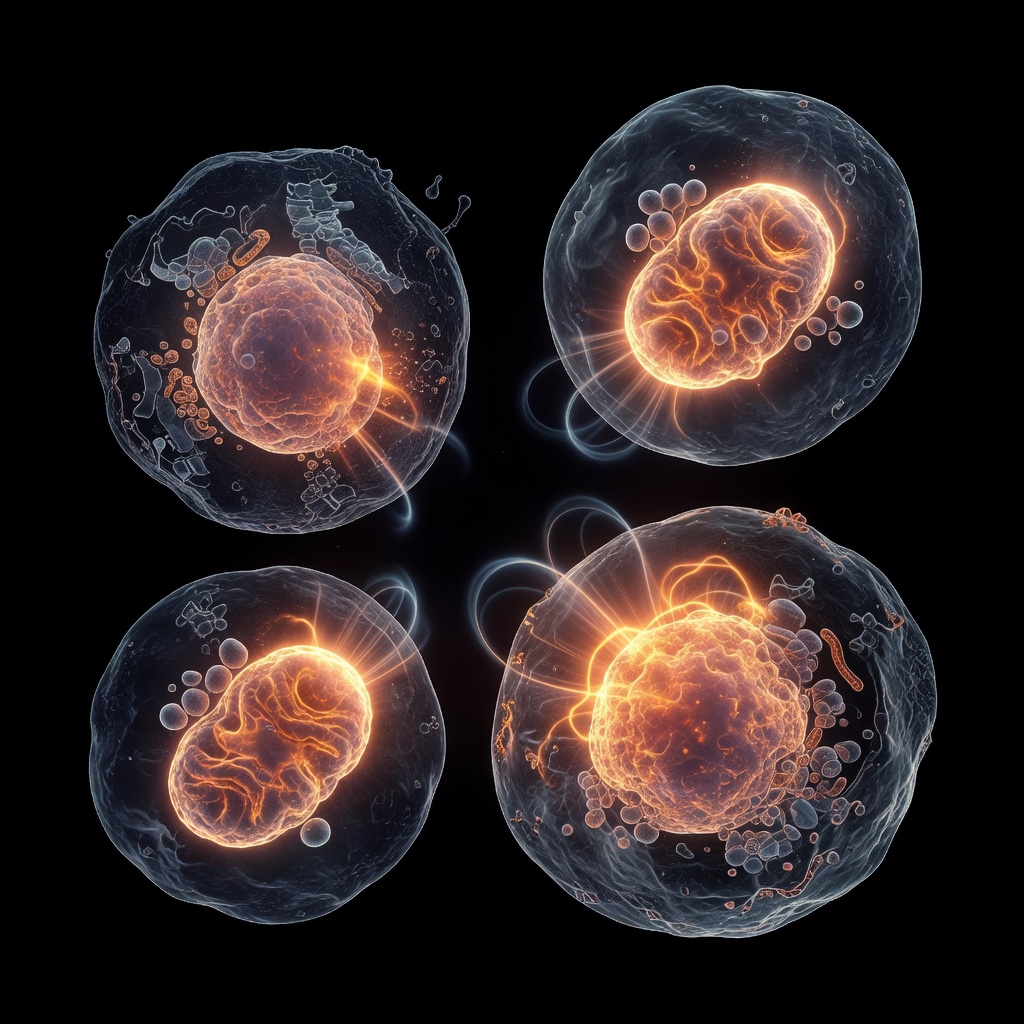
At the cellular level, the interference caused by phthalates is a multi-pronged assault on mitochondrial health and gene expression. Once phthalates enter the cell, they often target the Peroxisome Proliferator-Activated Receptors (PPARs). These are a group of nuclear receptor proteins that function as transcription factors, regulating the expression of genes involved in energy metabolism, lipid storage, and glucose homeostasis.
The PPAR Disruption and "Obesogens"
Phthalates, particularly MEHP (the primary metabolite of DEHP), are potent activators of PPAR-gamma. Under normal circumstances, PPAR-gamma helps regulate the formation of fat cells (adipogenesis). However, when prematurely or excessively triggered by phthalates, it forces the body to create more fat cells and store more fat within existing cells. This is why phthalates are increasingly classified as obesogens—chemicals that chemically program the body to gain weight regardless of caloric intake. This cellular "instruction" can lead to metabolic syndrome and childhood obesity, conditions that are rising at an alarming rate in the UK.
Steroidogenesis Inhibition
The most documented cellular mechanism of phthalates is the inhibition of steroidogenesis. Within the Leydig cells of the testes (and to a different extent in the ovaries), phthalates interfere with the Steroidogenic Acute Regulatory (StAR) protein. The StAR protein is the "gatekeeper" of steroid production; it transports cholesterol into the mitochondria, where it is converted into pregnenolone—the precursor to all steroid hormones.
By suppressing the expression of the StAR gene and the activity of enzymes like CYP11A1 (P450scc) and 3β-HSD, phthalates effectively starve the body of its ability to produce testosterone. This leads to a reduction in the "androgen drive" necessary for proper male development, a phenomenon known in the scientific literature as the "Phthalate Syndrome."
Oxidative Stress and Mitochondrial Damage
Phthalates are also known to induce significant oxidative stress. They increase the production of Reactive Oxygen Species (ROS) within the cell while simultaneously depleting the cell’s natural antioxidant defences, such as glutathione. This oxidative storm damages the mitochondrial DNA (mtDNA). Because mitochondria are the powerhouses of the cell, their impairment leads to "cellular fatigue," which manifests in children as decreased cognitive focus, lethargy, and a weakened immune response.
Biological Fact: Phthalates have been shown to cause DNA fragmentation in human cells. This means the chemical stress is literally breaking the strands of genetic code that the body uses to replicate and repair itself.
##
Environmental Threats and Biological Disruptors
The school environment is a concentrated source of PVC and phthalates. To identify the risks, parents and educators must look past the "back-to-school" branding and scrutinise the material composition of every item.
The PVC Connection
Polyvinyl Chloride (PVC), often labelled as "Vinyl" or with the recycling code #3, is the single most concerning material in the classroom. PVC is naturally hard and brittle; it requires massive amounts of phthalates to become the soft, flexible plastic used in:
- Backpacks: Shiny, plastic-coated bags are often laden with DEHP to ensure they don't crack in cold weather.
- Ring Binders: The smooth, plastic covering on standard school binders is almost exclusively PVC.
- Lunchboxes: Many "soft-sided" insulated lunchbags use PVC liners that come into direct contact with food.
Erasers and Art Supplies
Perhaps the most overlooked source is the common eraser. Many "plastic" erasers are made of softened PVC rather than natural rubber. As a child uses the eraser, it creates dust—a concentrated form of phthalate-laden microparticles—which is easily inhaled or transferred from hands to mouth. Similarly, certain types of modelling clays and "glitter glues" use phthalates as solvents and texture enhancers.
Indoor Air and Dust
Phthalates are not chemically bonded to the plastics they inhabit. They are constantly migrating into the classroom air. In many UK schools, especially older buildings with poor ventilation, these chemicals accumulate in the indoor air. Furthermore, phthalates are heavy molecules; they eventually settle and bind to floor dust. Considering that younger children often sit on the floor for lessons or play, their proximity to this concentrated chemical reservoir is a significant route of exposure.
- DINP (Diisononyl phthalate): Often used in flooring and footwear, linked to liver and kidney stress.
- BBP (Benzyl butyl phthalate): Frequently found in vinyl tiles and some adhesives, associated with increased asthma and allergy risks in children.
- DIDP (Diisodecyl phthalate): Used for its high-temperature stability, linked to thyroid disruption.
##
The Cascade: From Exposure to Disease
The danger of phthalates is not usually an acute, immediate reaction like a rash or a cough. Instead, it is a biological cascade—a series of downstream effects that may take years or decades to manifest as a diagnosable disease. By the time a condition is identified, the link to the "innocent" school supplies of childhood is often ignored by mainstream medicine.
Neurodevelopment and IQ
The brain is an endocrine-sensitive organ. Thyroid hormones, in particular, are essential for proper brain architecture. Phthalates interfere with thyroid hormone signalling, which can lead to alterations in cortical thickness and white matter integrity. Multiple longitudinal studies have linked high phthalate exposure in childhood to:
- Decreased IQ: Reductions in verbal comprehension and working memory.
- ADHD and Impulsivity: Disruption of the dopamine pathways in the prefrontal cortex.
- Autistic Traits: Interference with the oxytocin and vasopressin systems, which govern social bonding.
Reproductive Health and the "Phthalate Syndrome"
In boys, the suppression of testosterone during critical windows can lead to cryptorchidism (undescended testes) and hypospadias (malformation of the urethra). More subtly, it results in a reduced Anogenital Distance (AGD), a clinical marker for feminisation and future fertility issues. In girls, phthalate exposure is increasingly linked to precocious puberty—the onset of breast development and menstruation at an unnaturally young age. This early hormonal surge is a significant risk factor for breast cancer and reproductive disorders later in life, such as Polycystic Ovary Syndrome (PCOS).
Respiratory and Immune Dysfunction
There is a strong correlation between phthalate-laden dust in schools and the prevalence of asthma and eczema. Phthalates act as "adjuvants" for the immune system, meaning they don't just cause irritation; they actually sensitise the immune system to other allergens. This creates a state of chronic "hyper-vigilance" in the immune system, leading to the inflammatory "allergic march" seen in so many British schoolchildren today.
Warning: Phthalate exposure has been linked to a "transgenerational epigenetic effect." This means the chemical damage to a child's endocrine system today could potentially affect the health and fertility of their future children and grandchildren by altering the way their genes are "switched on" or "off."
##
What the Mainstream Narrative Omits
The official narrative regarding phthalates often revolves around the concept of "safe levels." Regulatory bodies frequently state that the amount of phthalates leaching from a single eraser or backpack is "negligible" and below the "No Observed Adverse Effect Level" (NOAEL). However, this narrative is scientifically flawed for several reasons that INNERSTANDING seeks to expose.
The Myth of "Safe Levels"
Endocrine disruptors do not follow the traditional toxicological rule that "the dose makes the poison." Because the endocrine system is designed to respond to infinitesimal amounts of hormones, exogenous chemicals can be more dangerous at lower doses than at higher ones. This is known as a non-monotonic dose-response. At high doses, the body may shut down receptors as a defence mechanism; at low doses, the body "mistakes" the chemical for a legitimate signal and acts upon it.
The "Cocktail Effect"
Mainstream safety assessments test chemicals in isolation. They do not account for the synergistic effect of being exposed to DEHP from a backpack, DBP from an eraser, BBP from the floor tiles, and various other disruptors (like Bisphenols or Flame Retardants) simultaneously. When multiple chemicals target the same biological pathway (e.g., the androgen receptor), their combined effect is additive or even multiplicative. The "safety" of a single product is an irrelevant metric in the real-world chemical soup of a modern classroom.
The Lag in Regulation
Regulatory bodies are historically reactive rather than proactive. It often takes decades of mounting evidence of human harm before a specific phthalate is restricted. When one phthalate is banned (such as DEHP in toys), manufacturers frequently switch to a "sister" chemical like DINP or DOTP. These substitutes are often structurally similar and lack long-term safety data, leading to a "regrettable substitution" cycle where the public is used as an unwitting test population.
##
The UK Context
In the United Kingdom, the regulation of chemicals like phthalates is managed under the UK REACH (Registration, Evaluation, Authorisation and Restriction of Chemicals) framework, which was established following the UK's exit from the European Union. While the UK inherited the rigorous standards of the EU, there are growing concerns among environmental scientists that the UK may begin to diverge, potentially lowering the bar for chemical safety to favour industrial interests.
Regulatory Bodies and Guidance
- Health and Safety Executive (HSE): The primary authority for UK REACH. While they monitor industrial chemicals, their focus on consumer products in schools is often limited to acute safety rather than long-term endocrine disruption.
- Environment Agency: Monitors the presence of phthalates in the British water supply and soil, highlighting that these classroom chemicals eventually become environmental pollutants.
- Department for Education (DfE): Currently, the DfE provides very little specific guidance to schools or parents regarding the chemical composition of supplies, focusing instead on cost and durability.
The British School Environment
Many UK schools are situated in older buildings where the "chemical load" is compounded by poor ventilation systems. Furthermore, the standardisation of school uniforms and equipment in the UK—where parents are often forced to buy specific, low-cost "vinyl" items from approved suppliers—limits the ability of parents to choose safer, natural alternatives. There is a desperate need for a national audit of the materials used in British classrooms to ensure that our children are not being systematically exposed to "gender-bending" chemicals as part of their education.
Call to Action: The UK must adopt the "Precautionary Principle" more aggressively. If a chemical is suspected of being an endocrine disruptor, it should be restricted in children's environments before definitive human harm is proven, rather than waiting for a generation of damaged health to provide the "evidence."
##
Protective Measures and Recovery Protocols
While the systemic presence of phthalates is daunting, there are concrete steps that parents and educators can take to reduce the "body burden" and support the child's natural detoxification pathways.
Identifying and Replacing Toxic Supplies
The most effective strategy is the elimination of source material.
- Switch to Natural Fibres: Replace PVC backpacks and pencil cases with those made from organic cotton, canvas, or hemp. These materials are breathable and do not require plasticisers.
- Choose "PVC-Free" Binders: Opt for cardboard, paper-based, or polypropylene (recycling code #5) binders. Polypropylene is generally considered more stable and less likely to contain phthalates.
- Select Natural Rubber Erasers: Look for erasers labelled "PVC-free" or made from natural rubber (latex).
- Metal or Glass Lunch Containers: Eliminate plastic lunchboxes and cling film. Stainless steel containers and beeswax wraps are excellent, non-toxic alternatives.
Biological Support and Detoxification
If a child has had significant exposure, the focus must shift to supporting the liver and kidneys—the primary organs of detoxification.
- Enhance Glucuronidation: Phthalates are primarily detoxified through a process called glucuronidation in the liver. Supporting this pathway requires adequate intake of Calcium D-Glucarate (found in cruciferous vegetables like broccoli and kale) and magnesium.
- Support Gut Integrity: A healthy gut microbiome can help break down certain phthalate metabolites. Probiotic-rich foods and high-fibre diets help "bind" toxins and ensure they are excreted rather than reabsorbed via the enterohepatic circulation.
- Hydration and Sweating: Ensure children stay well-hydrated to support renal clearance. Physical activity that induces sweating is also a vital, though often overlooked, pathway for the excretion of certain phthalate esters.
School-Level Policy Changes
Parents should engage with school governors to advocate for:
- Improved Ventilation: Ensuring a constant flow of fresh air to dilute off-gassed chemicals.
- Wet Dusting: Using damp cloths rather than dry dusters to prevent phthalate-laden dust from becoming airborne.
- Chemical-Free Procurement: Pressuring school boards to source PVC-free flooring and supplies for the entire institution.
##
Summary: Key Takeaways
The issue of phthalates in school supplies is not a minor "lifestyle concern"—it is a fundamental issue of biological integrity. The chemicals we surround our children with during their most formative years act as "silent signals," misdirecting the complex hormonal orchestra that governs human development.
- Phthalates are ubiquitous plasticisers found in PVC-based school supplies, including backpacks, binders, and erasers.
- They are potent Endocrine Disruptors that primarily target the androgen system, metabolism, and neurodevelopment.
- Cellular mechanisms include the activation of PPAR-gamma (promoting obesity) and the inhibition of the StAR protein (reducing testosterone).
- Children are uniquely vulnerable due to their rapid development, high inhalation rates, and proximity to dust.
- Mainstream safety thresholds are flawed because they ignore non-monotonic dose-responses and the "cocktail effect" of multiple chemical exposures.
- The UK REACH framework must be held to the highest standards to prevent the British classroom from becoming a chemical testing ground.
- Precautionary action is essential: By choosing natural materials and supporting a child's detoxification systems, we can mitigate the risks and protect the future of the next generation.
As we continue to explore the hidden biological truths of the modern world at INNERSTANDING, we urge parents to recognise that every purchase is a choice between chemical convenience and biological health. The classroom should be a place where minds are opened, not where endocrine systems are closed. Scrutinise the labels, demand transparency, and prioritise the hormonal health of your children above all else.
This article is provided for informational and educational purposes only. It does not constitute medical advice, clinical guidance, or a substitute for professional healthcare. Information reflects cited research at time of publication. Always consult a qualified healthcare professional before acting on any health information.
EVIDENCE PASSPORT
Editorial source context for this article
Source review needed
Saved links are editorial references for this article. They may support specific claims rather than every sentence. Open and assess each source in context. This passport does not independently verify them.
Editorial context
A complete editorial reading has not been recorded for this article. Source links remain available for you to open and assess directly.
Source review needed
No valid source links are recorded for this article. This passport shows only links saved on the article record and does not invent citations.
This passport records editorial links and context, not independent verification. Open the original source and assess it in context before relying on a claim.
Medical Disclaimer
The information in this article is for educational purposes only and does not constitute medical advice, diagnosis, or treatment. Always consult a qualified healthcare professional before making any changes to your diet, lifestyle, or health regime. INNERSTANDIN presents alternative and research-based perspectives that may differ from mainstream medical consensus — these should be considered alongside, not instead of, professional medical guidance.
Read Full DisclaimerContinue the thread
Keep this question moving.
Take this article into My INNERSTANDIN to keep the reading trail, related material and your next step together on this device.
Explore this in the Body Map
See where this hits your biology. Interactive anatomy, threats, and protective protocols.
Dig deeper in the Library
Free, longform PDF volumes that go beyond headlines into mechanisms and references.