
Endocrine Disruptors: The Chemical Threat to Germline Stem Cells
Updated May 2026
Common household chemicals act as endocrine disruptors that can damage the stem cells responsible for fertility. We investigate the links between UK pesticide use and declining reproductive health.
Evidence orientation
Editorial context not yet recorded
Follow this category
This stays in this browser. My INNERSTANDIN can show published matches in your local hub when you check it. It does not send email, push, or alert notifications.
Local learning review
A private browser aid for revisiting ideas. It is not an alert or a health recommendation.
Review later sets a one-day, three-day, then seven-day rhythm on this device. Choose it only when you want to revisit this article.
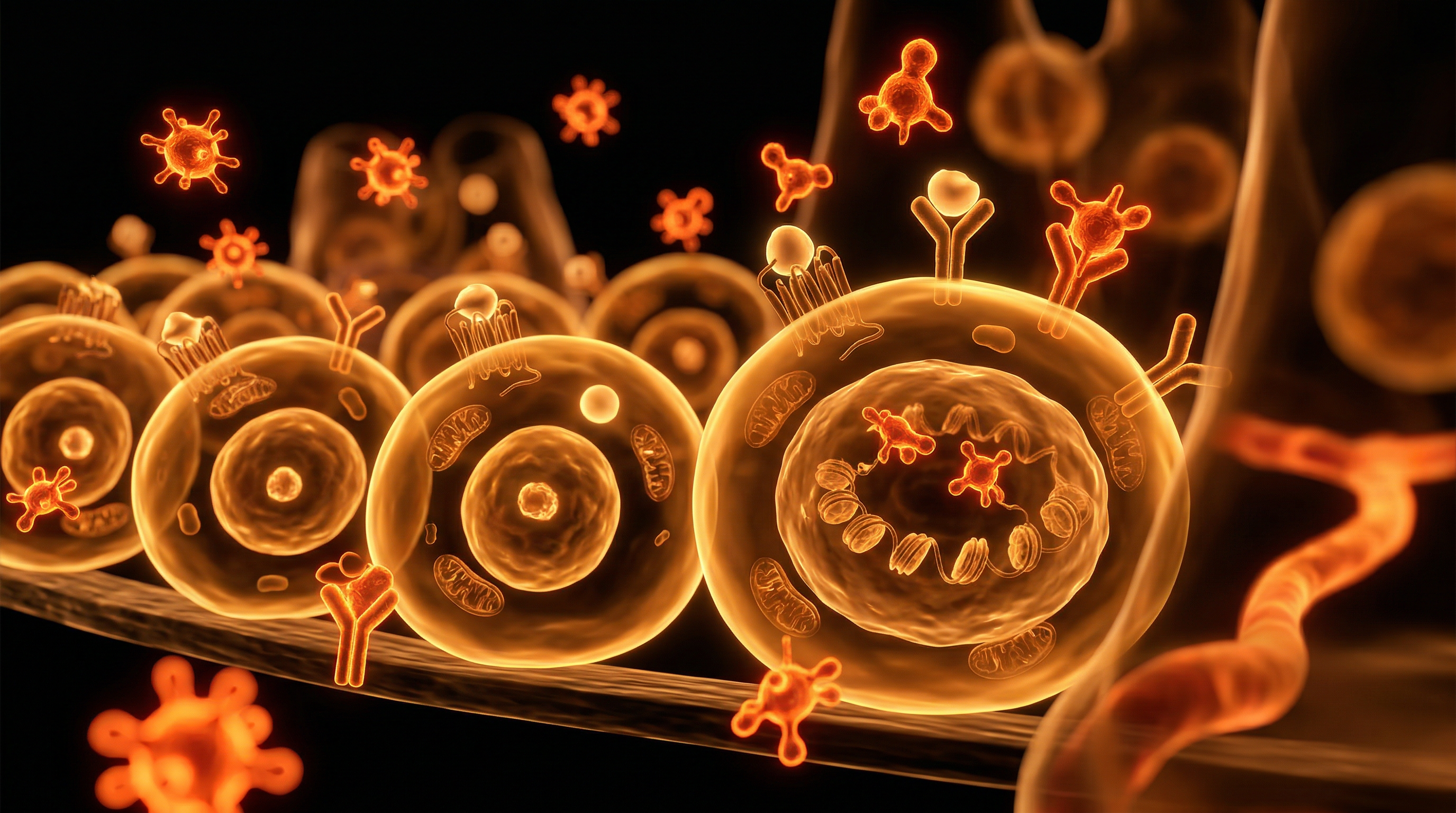
Overview
In the silent, microscopic theatre of human reproduction, a catastrophe is unfolding. For decades, the global scientific community has observed a precipitous decline in reproductive health, characterised by plummeting sperm counts, rising rates of polycystic ovary syndrome (PCOS), and an increasing reliance on assisted reproductive technologies. While lifestyle factors such as diet and stress are frequently cited, a more insidious culprit lurks within our modern environment: Endocrine Disrupting Chemicals (EDCs).
As a senior biological researcher for INNERSTANDING, I have spent years investigating the intersection of toxicology and regenerative medicine. The evidence is now undeniable: we are currently navigating an epoch of "chemical castration" and "ovarian senescence" driven by synthetic compounds that target the very foundation of our biological continuity—the Germline Stem Cells (GSCs).
Germline stem cells are the immortal lineage of the body. They are the only cells capable of transmitting genetic and epigenetic information from one generation to the next. Unlike somatic cells, which perish with the individual, GSCs provide the raw material for gametogenesis—the production of sperm and eggs. When these cells are compromised by environmental toxins, the damage is not merely individual; it is transgenerational.
This article investigates the mechanisms by which household chemicals, industrial pollutants, and UK-specific agricultural pesticides disrupt the delicate endocrine signalling required for GSC maintenance. We will expose how mainstream regulatory frameworks have failed to account for the "cocktail effect" of these chemicals and provide a scientifically grounded roadmap for protective measures in an increasingly toxic world.
Key Statistic: Since 1973, sperm counts in Western countries have dropped by over 50%. Research indicates that at the current rate of decline, the median sperm count could reach zero by 2045 if environmental chemical exposure is not drastically curtailed.
The Biology — How It Works
To understand the threat, one must first appreciate the exquisite complexity of the germline niche. Reproduction is not a simple mechanical process; it is a highly choreographed endocrine symphony regulated by the Hypothalamic-Pituitary-Gonadal (HPG) axis.
The Germline Stem Cell Niche
In males, Spermatogonial Stem Cells (SSCs) reside within the seminiferous tubules of the testes. They exist in a specialised microenvironment known as the "niche," supported by Sertoli cells. These nurse cells provide the physical structure and chemical signals (such as GDNF—Glial cell line-derived neurotrophic factor) necessary for SSCs to either self-renew or differentiate into mature spermatozoa.
In females, the traditional dogma suggested that women are born with a finite number of oocytes. However, recent advancements in regenerative medicine have identified Oogonial Stem Cells (OSCs) in the adult ovary, suggesting a potential for neo-oogenesis. Whether these cells can be harnessed for fertility restoration is the "holy grail" of current research, but their presence also means they are vulnerable to chemical disruption throughout a woman's life.
The Role of Hormones in Stem Cell Fate
Stem cells do not operate in a vacuum. Their behaviour—deciding when to divide and when to stay dormant—is governed by systemic hormones.
- Oestrogens and Androgens: These are not just "sex hormones"; they are powerful signalling molecules that bind to nuclear receptors to regulate gene expression.
- Follicle-Stimulating Hormone (FSH) and Luteinising Hormone (LH): Secreted by the pituitary gland, these hormones modulate the activity of the niche cells that protect the GSCs.
When an endocrine disruptor enters the body, it acts as a molecular imposter. It can mimic, block, or interfere with these hormones, sending erroneous signals to the GSCs. This leads to a breakdown in the "quality control" mechanisms of the germline, resulting in depleted stem cell pools or, worse, the production of gametes with permanent epigenetic defects.
Mechanisms at the Cellular Level
The toxicity of EDCs is not always "acute" in the traditional sense; you do not drop dead upon exposure. Instead, these chemicals exert low-dose, chronic interference at the molecular level.
Receptor Agonism and Antagonism
Most EDCs are structurally similar to natural steroid hormones. For instance, Bisphenol A (BPA) has a molecular shape that allows it to bind to Oestrogen Receptor Alpha (ERα) and Oestrogen Receptor Beta (ERβ).
- Agonism: The chemical "turns on" the receptor at the wrong time, leading to over-proliferation or premature differentiation of stem cells.
- Antagonism: The chemical "clogs" the receptor, preventing the body’s natural hormones from delivering vital instructions for cell survival.
Epigenetic Reprogramming
This is perhaps the most terrifying mechanism. GSCs undergo a process called epigenetic erasure and re-establishment during foetal development. This is when the "software" of the DNA is programmed via DNA methylation and histone modification. EDCs, particularly phthalates and vinclozolin, interfere with the enzymes (DNA methyltransferases) responsible for this programming. The result is a "epigenetic scar" that is passed down to offspring. Even if the child is never exposed to the chemical, their GSCs carry the damaged programming of their parents or grandparents.
Oxidative Stress and Mitochondrial Dysfunction
GSCs are highly sensitive to Reactive Oxygen Species (ROS). Many pesticides used in the UK, such as neonicotinoids, induce mitochondrial stress. When the mitochondria within a stem cell are damaged, the cell loses its "stemness" and undergoes apoptosis (programmed cell death). A depleted stem cell reservoir is the primary cause of premature ovarian failure and non-obstructive azoospermia (zero sperm count).
Disruption of the Blood-Testis Barrier (BTB)
The BTB is one of the tightest blood-tissue barriers in the mammalian body, designed to protect developing sperm from toxins and the immune system. Certain surfactants and "forever chemicals" (PFAS) have been shown to degrade the proteins (like occludin and claudin-11) that maintain this barrier, effectively "opening the gates" for further chemical infiltration into the germline niche.
Environmental Threats and Biological Disruptors
We are currently swimming in a "chemical soup." While thousands of chemicals are in use, several classes stand out for their specific affinity for damaging germline stem cells.
1. Phthalates: The Plasticizers
Phthalates are used to make plastics flexible and are found in everything from food packaging to medical tubing and perfumes. They are known anti-androgens. In males, phthalate exposure during the "masculinisation programming window" in utero reduces the number of Sertoli cells, which in turn limits the number of SSCs the testes can support in adulthood.
2. Bisphenols (BPA, BPS, BPF)
Found in the linings of tin cans and thermal receipts, BPA is a potent xenoestrogen. Studies have shown that BPA exposure disrupts the meiotic progression of germ cells—the process by which a stem cell divides its chromosome count in half. This leads to aneuploidy (abnormal chromosome numbers), a leading cause of miscarriage.
3. PFAS: The "Forever Chemicals"
Per- and polyfluoroalkyl substances (PFAS) are used for non-stick coatings and fire-fighting foams. They are incredibly persistent in the environment and the human body. PFAS have been shown to interfere with the metabolism of cholesterol, which is the precursor for all steroid hormones, thereby starving the GSC niche of the raw materials needed for hormonal signalling.
4. Glyphosate and Agricultural Pesticides
In the UK, glyphosate is the most widely used herbicide. While industry-funded studies often claim safety, independent research suggests glyphosate can act as an endocrine disruptor by interfering with the aromatase enzyme, which converts testosterone to oestrogen. This imbalance is catastrophic for the maintenance of oogonial stem cells in women.
Callout: Modern humans are estimated to carry over 700 synthetic chemicals in their bodies that were not present in our ancestors 100 years ago. Many of these have never been tested for their impact on germline integrity.
The Cascade: From Exposure to Disease
The damage to germline stem cells does not manifest as a single symptom; it triggers a cascade of reproductive and systemic pathologies.
The Transgenerational Effect
If a pregnant woman is exposed to EDCs, three generations are simultaneously affected: the mother, the foetus, and the germline stem cells within the foetus (which will eventually become the mother's grandchildren). This is known as the transgenerational cascade. Observations in animal models show that exposure to the fungicide vinclozolin leads to decreased fertility and increased prostate disease for up to four generations.
Clinical Manifestations in Men:
- Testicular Dysgenesis Syndrome (TDS): A cluster of disorders including low sperm count, undescended testes, and testicular cancer.
- Sperm DNA Fragmentation: Even if sperm count is "normal," the genetic integrity of the sperm is compromised, leading to higher rates of childhood cancers and neurodevelopmental issues in offspring.
Clinical Manifestations in Women:
- Polycystic Ovary Syndrome (PCOS): Linked to prenatal exposure to androgens and endocrine-disrupting plastics.
- Endometriosis: An oestrogen-dependent inflammatory condition exacerbated by xenoestrogen exposure.
- Diminished Ovarian Reserve (DOR): The premature exhaustion of the oogonial stem cell pool.
Beyond Fertility: The Metabolic Link
Because the endocrine system is interconnected, GSC disruption often mirrors metabolic disruption. Many EDCs are also "obesogens," chemicals that program stem cells to differentiate into fat cells (adipocytes) rather than bone or muscle, further complicating the reproductive profile through systemic inflammation.
What the Mainstream Narrative Omits
The public is often told that these chemicals are safe because they are present in "trace amounts." As a researcher, I must expose the three fatal flaws in this mainstream narrative.
1. The Fallacy of the LD50 and Linear Toxicity
Traditional toxicology relies on the LD50 (the dose required to kill 50% of a population). It assumes that "the dose makes the poison"—that lower doses are always safer. EDCs defy this rule. They often exhibit non-monotonic dose-response curves. This means a chemical might have a massive effect at a very low dose (mimicking a natural hormone) but a different effect at a high dose. Regulatory bodies often miss these "low-dose effects" entirely.
2. The "Cocktail Effect"
Regulations test one chemical at a time. In reality, humans are exposed to hundreds simultaneously. Research into synergistic toxicity shows that two chemicals, both at "safe" levels, can become highly toxic when combined. This "chemical cocktail" is the reality of the UK environment, yet it is ignored in policy-making.
3. The Latency Period
The effects of GSC damage may not appear for 20 to 30 years—until the exposed foetus attempts to conceive. This long latency period allows chemical manufacturers to evade accountability, as linking an adult's infertility to a specific chemical their mother used decades ago is scientifically complex and legally difficult.
4. Corporate Capture of Regulatory Agencies
In the UK and abroad, many "independent" panels that determine chemical safety are staffed by scientists with ties to the plastics and pesticide industries. This results in the suppression of "inconvenient" data regarding germline toxicity.
The UK Context
In the post-Brexit landscape, the UK’s relationship with chemical regulation has shifted. While the EU has moved toward the "precautionary principle," the UK faces pressure to deregulate to favour industrial growth.
The UK REACH Framework
The UK now operates its own version of REACH (Registration, Evaluation, Authorisation and Restriction of Chemicals). There are significant concerns among the scientific community that the UK is falling behind the EU in banning known endocrine disruptors. For instance, several phthalates restricted in the EU are still under "review" in the UK, leading to a "dumping ground" effect for products that no longer meet higher European standards.
Pesticides in British Agriculture
The UK’s dependence on industrial farming has led to high concentrations of EDCs in our soil and waterways.
- Glyphosate Usage: Despite being banned or restricted in several European countries, glyphosate remains the backbone of UK weed control.
- Neonicotinoids: Recently, the UK government has granted "emergency authorisations" for the use of thiamethoxam (a neonicotinoid) on sugar beet. While discussed in the context of bee health, these chemicals are also potent disruptors of mammalian reproductive signalling.
The "Dirty Water" Crisis
UK water companies have come under fire for discharging untreated sewage into rivers. This sewage is a concentrated source of ethinylestradiol (from contraceptive pills) and industrial detergents. Our river systems, such as the Thames and the Severn, contain levels of endocrine-active compounds high enough to "feminise" fish—turning male fish into intersex individuals. These same waterways often feed into our agricultural irrigation and, in some cases, our processed drinking water.
Protective Measures and Recovery Protocols
While the systemic threat is vast, individuals are not powerless. We can take specific, scientifically-backed steps to protect our germline stem cells and mitigate existing damage.
1. Radical Avoidance of EDCs
The first step is "Body Burden" reduction.
- Water Filtration: Use high-quality reverse osmosis (RO) or activated carbon filters to remove PFAS and pharmaceutical residues from drinking water.
- Eliminate Plastics: Switch to glass or stainless steel for food storage. Never heat plastic in the microwave, as heat accelerates the leaching of phthalates and bisphenols.
- Organic Nutrition: Prioritise organic produce for the "Dirty Dozen" (the most heavily sprayed crops in the UK, such as strawberries and spinach) to reduce pesticide load.
2. Supporting the Nrf2 Pathway
The Nrf2 (Nuclear factor erythroid 2-related factor 2) pathway is the body’s master antioxidant switch. Activating this pathway helps protect GSCs from oxidative stress.
- Sulforaphane: Found in broccoli sprouts, sulforaphane is one of the most potent natural activators of Nrf2 and has been shown to protect Sertoli cells from chemical insult.
- Resveratrol and Quercetin: These polyphenols support mitochondrial health and help maintain the "stemness" of GSCs.
3. Hormonal Optimisation
- Vitamin D3: Acting more like a hormone than a vitamin, D3 is crucial for the HPG axis. Most UK residents are deficient, particularly in winter.
- Zinc and Selenium: These trace minerals are essential for the structural integrity of the Blood-Testis Barrier and for proper oocyte maturation.
4. Detoxification and Elimination
Support the liver's Phase II detoxification pathways to ensure that EDCs are effectively conjugated and excreted rather than recirculated.
- Calcium D-Glucarate: Helps the body excrete excess oestrogens and xenoestrogens through the bile.
- Sauna Therapy: Some EDCs, particularly certain phthalates and heavy metals, are excreted through sweat. Regular infrared sauna use can help lower the systemic "chemical load."
5. Advocacy for Policy Change
Individual action is a sticking plaster; systemic change is the cure. We must demand that UK regulators adopt the Precautionary Principle: a chemical should be proven safe for the germline before it is allowed on the market, rather than waiting for human infertility rates to prove it is dangerous.
Summary: Key Takeaways
The threat of endocrine disruptors to our germline stem cells is perhaps the greatest biological challenge of the 21st century. Unlike other diseases that affect the individual, GSC damage erodes the very future of our species.
- Germline stem cells are the "genetic baton" of humanity; their protection is paramount for reproductive health and the health of future generations.
- Endocrine Disrupting Chemicals (EDCs) mimic natural hormones, causing "noise" that prevents stem cells from functioning correctly.
- The "Cocktail Effect" and Non-Monotonic Responses mean that even low levels of household chemicals can be devastating, a fact often ignored by mainstream regulators.
- The UK faces a unique crisis due to post-Brexit regulatory shifts and a significant pesticide/water quality problem.
- Protection is possible through radical environmental changes, supporting the Nrf2 antioxidant pathway, and prioritising the detoxification of xenoestrogens.
We are at a crossroads. We can continue to ignore the chemical signals being sent to our cells, or we can take the necessary steps to reclaim our biological sovereignty. The preservation of the germline is not just a scientific endeavour; it is a moral imperative for the survival of the lineage.
Author: Senior Biological Researcher, INNERSTANDING Field: Regenerative Medicine & Molecular Toxicology Date: May 2024
This article is provided for informational and educational purposes only. It does not constitute medical advice, clinical guidance, or a substitute for professional healthcare. Information reflects cited research at time of publication. Always consult a qualified healthcare professional before acting on any health information.
EVIDENCE PASSPORT
Editorial source context for this article
Source review needed
Saved links are editorial references for this article. They may support specific claims rather than every sentence. Open and assess each source in context. This passport does not independently verify them.
Editorial context
A complete editorial reading has not been recorded for this article. Source links remain available for you to open and assess directly.
Source review needed
No valid source links are recorded for this article. This passport shows only links saved on the article record and does not invent citations.
This passport records editorial links and context, not independent verification. Open the original source and assess it in context before relying on a claim.
Medical Disclaimer
The information in this article is for educational purposes only and does not constitute medical advice, diagnosis, or treatment. Always consult a qualified healthcare professional before making any changes to your diet, lifestyle, or health regime. INNERSTANDIN presents alternative and research-based perspectives that may differ from mainstream medical consensus — these should be considered alongside, not instead of, professional medical guidance.
Read Full DisclaimerContinue the thread
Keep this question moving.
Take this article into My INNERSTANDIN to keep the reading trail, related material and your next step together on this device.
Explore this in the Body Map
See where this hits your biology. Interactive anatomy, threats, and protective protocols.
Dig deeper in the Library
Free, longform PDF volumes that go beyond headlines into mechanisms and references.