Endocrine Disruptors: How Modern Chemicals Silently Sabotage Your Scalp
Xenoestrogens and phthalates found in daily life disrupt the endocrine system, leading to unexpected hair thinning. Learn how to identify and eliminate these environmental toxins from your environment.
Overview
The modern human exists within a chemical soup that our biological ancestors could never have envisioned. While we often associate environmental toxins with respiratory issues or internal organ dysfunction, a silent epidemic is manifesting on the scalps of millions across the United Kingdom. We are witnessing a radical shift in the demographics of hair loss; thinning that once began in the fifties is now appearing in the early twenties. The culprit is not merely "genetics" or "stress," as mainstream dermatology often suggests. Instead, we are uncovering a profound biological interference caused by Endocrine Disrupting Chemicals (EDCs).
At INNERSTANDING, our research indicates that the human hair follicle is one of the most hormonally sensitive mini-organs in the body. It does not exist in isolation; it is a sentinel, a biological canary in the coal mine that reacts violently to the presence of xenoestrogens, phthalates, and phenols. These substances, found in everything from your morning latte cup lining to your "strengthening" shampoo, do more than just pollute the planet. They perform a hostile takeover of your endocrine system, scrambling the delicate signals required for follicular regeneration.
This article serves as a comprehensive exposé on how modern chemical exposure is sabotaging your scalp, the cellular mechanisms behind this disruption, and why the current UK regulatory framework is failing to protect your follicular integrity.
FACT: According to recent environmental surveys, over 95% of the UK population has detectable levels of phthalates in their urine, a class of chemicals directly linked to the inhibition of androgen receptors in the hair follicle.
---
The Biology — How It Works
To understand how a plastic bottle can cause hair to fall out, one must first understand the hair follicle’s reliance on the endocrine system. The growth of hair is not a continuous process but a cyclical one, governed by three distinct phases: Anagen (growth), Catagen (transition), and Telogen (resting/shedding).
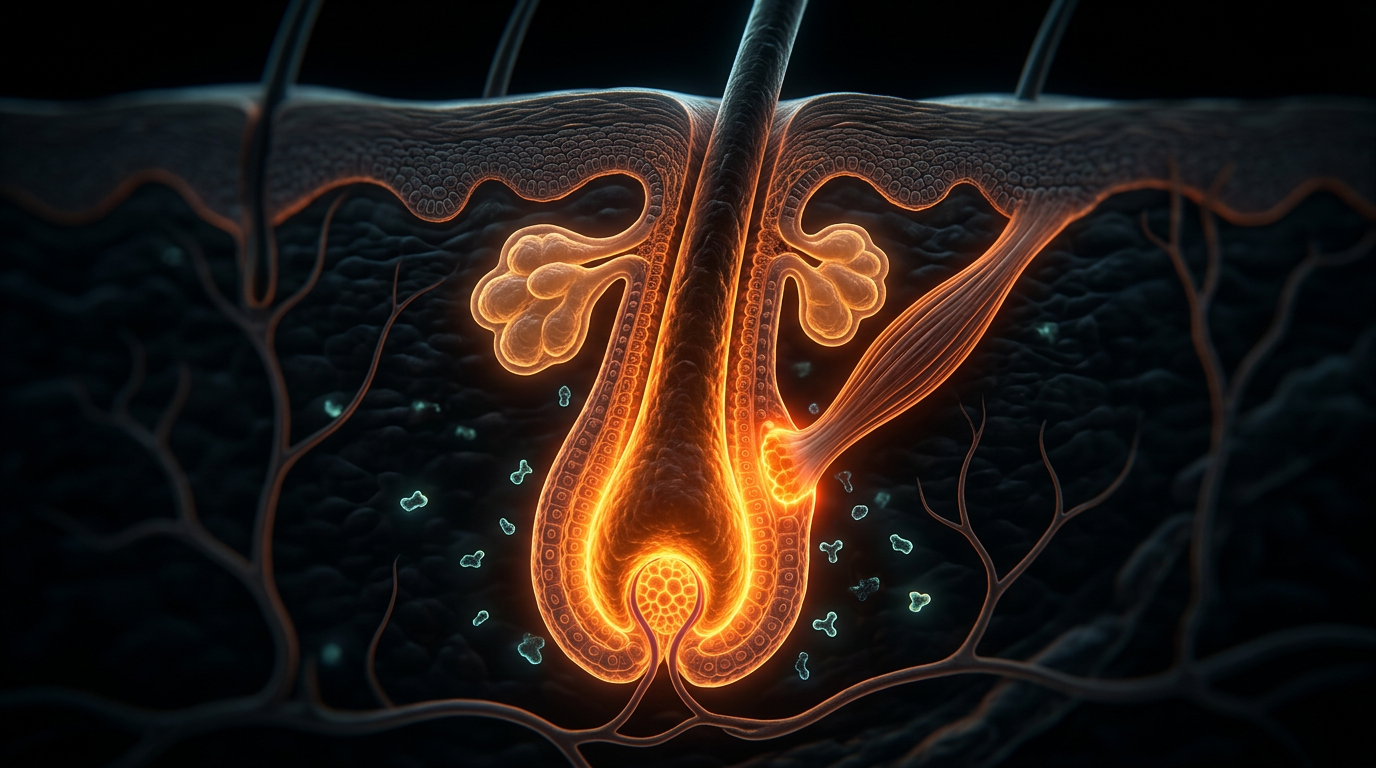
The transition between these phases is entirely mediated by hormones. Androgens (like testosterone and dihydrotestosterone/DHT) and Oestrogens (estradiol) act as the primary rheostats for hair growth. In a healthy system, these hormones bind to specific receptors in the Dermal Papilla (DP)—the command centre at the base of the follicle.
The Role of Androgens and Oestrogens
In the scalp, oestrogen is generally "pro-hair." It extends the Anagen phase, ensuring hair stays on the head longer and grows thicker. Androgens, particularly DHT, are more complex; while they stimulate beard and body hair, they can signal the scalp follicles to miniaturise in those with a genetic predisposition.
The problem arises when Endocrine Disruptors enter the bloodstream. These chemicals are molecular mimics. Because their chemical structure resembles our natural hormones—particularly oestrogen—they can bind to these receptors with high affinity. However, unlike natural hormones, they do not provide the "correct" signal. They are like a broken key that fits into a lock but snaps off inside, preventing the real key from working and simultaneously jamming the mechanism.
The Sensitivity of the Hair Follicle
The hair follicle is unique because it possesses its own local endocrine environment. It contains enzymes like 5-alpha reductase (which converts testosterone to DHT) and Aromatase (which converts testosterone to oestrogen). EDCs disrupt these enzymes, often upregulating the production of DHT while blocking the protective effects of oestrogen. This creates a state of "hormonal chaos" where the follicle is forced into a premature Telogen (shedding) phase, leading to what we identify as diffuse thinning.
---
Mechanisms at the Cellular Level
When we look through the microscope at a follicle under chemical duress, we see more than just a lack of growth; we see a cellular battlefield. The sabotage occurs through three primary mechanisms: Competitive Inhibition, Epigenetic Modification, and Oxidative Stress.
1. Competitive Inhibition and Xenoestrogens
Xenoestrogens (foreign estrogens) are the primary aggressors. When chemicals like Bisphenol A (BPA) enter the body, they compete with natural estradiol for space on the Oestrogen Receptor Beta (ER-beta) within the follicle. ER-beta is crucial for maintaining the hair's growth cycle. When a xenoestrogen binds to it, it often fails to trigger the gene expression required for protein synthesis (keratin production). The result is a hair strand that is thinner, weaker, and more prone to breakage before it even exits the scalp.
2. Phthalates and Androgen Interference
Phthalates, often used to make plastics flexible or to "fix" fragrances in perfumes and shampoos, are potent anti-androgens. While "anti-androgen" might sound beneficial for preventing DHT-related loss, the reality is more sinister. Phthalates disrupt the entire HPG (Hypothalamic-Pituitary-Gonadal) axis. By lowering systemic testosterone and interfering with healthy androgen signalling, they disrupt the balance of the follicle’s "powerhouse," leading to a loss of follicular density and a lack of new hair induction.
3. The Wnt/β-catenin Pathway Sabotage
The Wnt/β-catenin signalling pathway is the master regulator of hair follicle morphogenesis and regeneration. Research suggests that EDCs, particularly Perfluorinated compounds (PFAS), can suppress this pathway. When Wnt signalling is inhibited, the stem cells in the hair "bulge" do not receive the signal to begin a new growth cycle. This leads to a permanent "resting" state, where follicles remain dormant, eventually leading to visible baldness.
4. Oxidative Stress and Mitochondrial Dysfunction
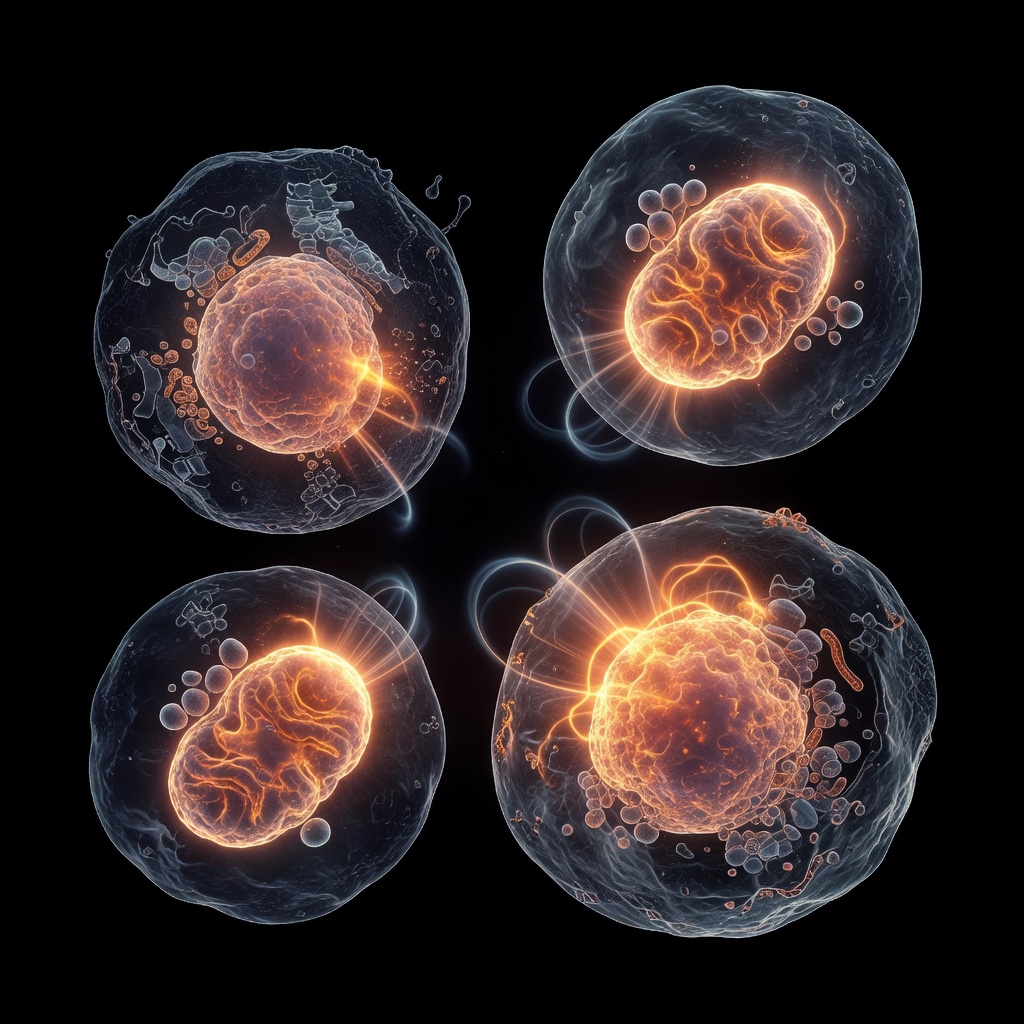
EDCs are notorious for inducing the production of Reactive Oxygen Species (ROS). The mitochondria within the Dermal Papilla cells are highly sensitive to oxidative damage. When exposed to persistent levels of environmental toxins, these mitochondria fail to produce enough ATP (energy) for the rapid cell division required to grow hair. This is why chemically-induced hair loss often looks "dull" and "lifeless"—the cells are literally running out of fuel.
---
Environmental Threats and Biological Disruptors
The challenge for the modern Briton is that these chemicals are not found in one specific place; they are ubiquitous. They are the "invisible intruders" of the 21st century.
The "Fragrance" Loophole
In the UK, cosmetic labelling laws allow companies to list "Parfum" or "Fragrance" as a single ingredient. This is a trade secret loophole that can hide upwards of 3,000 different chemicals, many of which are phthalates. Every time you wash your hair with a conventional "luxury" shampoo, you may be massaging endocrine disruptors directly into your highly permeable scalp skin.
Bisphenols (BPA, BPS, BPF)
While "BPA-Free" has become a popular marketing term, manufacturers often replace BPA with BPS or BPF, which have been shown to be just as, if not more, estrogenic. These are found in the thermal paper of UK supermarket receipts, the linings of tinned foods (even organic ones), and plastic water bottles.
Parabens
Used as preservatives, parabens (Methyl-, Ethyl-, Propyl-, Butyl-) are known xenoestrogens. They have been detected in human breast tissue and are frequently found in scalp biopsies of patients suffering from unexplained alopecia. They mimic oestrogen so effectively that they can stimulate the growth of oestrogen-dependent cancer cells, let alone disrupt a hair follicle.
Heavy Metals and the UK Water System
While not always classified strictly as "endocrine disruptors," heavy metals like lead, cadmium, and mercury (found in old UK piping and some seafood) act as "metalloestrogens." They can bind to oestrogen receptors and cause similar follicular dysfunction. Furthermore, the fluoride and chlorine added to UK tap water can interfere with the thyroid—the master gland that regulates the speed of hair growth.
FACT: Research conducted on UK tap water samples has revealed the presence of "forever chemicals" (PFAS) in nearly 40% of locations tested, compounds that are linked to disrupted thyroid function and subsequent hair thinning.
---
The Cascade: From Exposure to Disease
The journey from using a plastic water bottle to seeing more hair in the shower drain is not instantaneous. It is a chronic accumulation—a "toxic burden" that eventually tips the body into a state of disease.
Phase 1: The Bio-Accumulative Load
The body is equipped with detoxification pathways (the liver and kidneys). However, EDCs are lipophilic, meaning they store themselves in fat cells. Because the scalp has a layer of subcutaneous fat (the hypodermis), these toxins can sit in close proximity to the hair follicles for years, leaching their disruptive signals directly into the hair bulb.
Phase 2: Systemic Hormonal Imbalance
As the toxic load increases, the body’s overall hormonal profile shifts. In men, this often manifests as "Oestrogen Dominance," leading to increased scalp inflammation and the faster conversion of testosterone to DHT. In women, this leads to an "androgen surge" or PCOS-like symptoms, where the hair on the head thins while facial hair increases.
Phase 3: Follicular Miniaturisation and Fibrosis
If the chemical exposure is not halted, the follicle enters a state of miniaturisation. Each successive hair cycle produces a finer, shorter hair until the follicle eventually closes entirely. At this stage, perifollicular fibrosis (scarring around the follicle) can occur. This is the "point of no return" where the follicle is replaced by collagen and can no longer produce a hair fibre.
The Epigenetic Impact
Perhaps most frightening is the epigenetic evidence. Exposure to EDCs can alter the way your genes are expressed. This means that even if you have "good hair genes," environmental toxins can "turn off" the growth genes and "turn on" the balding genes. Studies have shown that these epigenetic changes can even be passed down to the next generation.
---
What the Mainstream Narrative Omits
If this is such a significant issue, why isn't it on the front page of every health supplement or discussed by every GP in the UK? The answer lies in the politics of toxicology and the limitations of modern medicine.
1. The "Dose Makes the Poison" Fallacy
Traditional toxicology is based on the idea that small amounts of a toxin are harmless. However, the endocrine system operates on parts per trillion. Hormones are incredibly powerful in microscopic amounts. EDCs do not follow a linear dose-response curve; sometimes, lower doses are *more* disruptive than higher ones because they perfectly mimic the body’s natural low-level hormonal signalling.
2. The Cocktail Effect
Regulatory bodies like the UK’s Health and Safety Executive (HSE) test chemicals in isolation. They do not test the synergistic effect of 200 different chemicals interacting in the human body. While the amount of phthalates in your shampoo might be "within safe limits," when combined with the BPA from your receipt, the PFAS in your cookware, and the parabens in your moisturiser, the cumulative effect is a hormonal disaster.
3. Industry Influence and UK REACH
Since leaving the EU, the UK has transitioned to UK REACH (Registration, Evaluation, Authorisation and Restriction of Chemicals). Critics argue that the UK is lagging behind the EU in banning harmful substances, often prioritising industrial interests over public health. Many chemicals that are being phased out in Europe are still legally permitted in British consumer goods.
4. The "Genetic" Scapegoat
It is much easier for the pharmaceutical industry to sell a lifetime subscription to DHT-blockers or minoxidil by telling you your hair loss is "just genetic." This ignores the environmental triggers that cause those genes to express. By focusing solely on genetics, the mainstream narrative avoids addressing the systemic toxicity of our modern environment.
FACT: A study of UK hairdressers, who are exposed to high levels of chemical phthalates and aerosols, showed a significantly higher rate of hormonal disorders and hair thinning compared to the general population.
---
The UK Context
Living in the United Kingdom presents specific challenges regarding endocrine disruption and scalp health.
The London and South-East Effect
The air quality in major UK cities like London, Manchester, and Birmingham is laden with Particulate Matter (PM2.5). These tiny particles carry Polycyclic Aromatic Hydrocarbons (PAHs), which are potent endocrine disruptors. Research has shown that PM2.5 can decrease the levels of proteins responsible for hair growth (β-catenin) in the scalp.
Hard Water and Chemical Deposits
Much of the UK, particularly the South and East of England, has "hard water." While minerals like calcium aren't EDCs, the high mineral content makes it easier for chemical residues from shampoos and conditioners to "stick" to the scalp, creating a biofilm that traps EDCs against the skin, increasing absorption.
The Post-Brexit Regulatory Gap
As mentioned, the UK's departure from the European Chemicals Agency (ECHA) has created a "regulatory vacuum." The UK has been slower to update its list of restricted substances, meaning British consumers may be exposed to endocrine-disrupting "forever chemicals" that have already been banned in France or Germany.
FACT: The UK has one of the highest rates of adult-onset thinning in Europe, with over 40% of women and 50% of men experiencing significant hair loss before the age of 50.
---
Protective Measures and Recovery Protocols
Knowledge without action is merely a burden. To protect your follicles, you must adopt a proactive "Low-Tox" lifestyle and implement specific biological interventions to clear the EDCs from your system.
1. The Scalp Audit: Purge the Disruptors
The first step is a radical audit of your personal care routine.
- —Avoid "Fragrance": Only use products that disclose all ingredients or use essential oils for scent.
- —Ditch the Plastics: Switch to glass or stainless steel for water and food storage. Never microwave food in plastic.
- —Filter Your Water: A standard jug filter is not enough. Invest in a Reverse Osmosis (RO) system or a high-quality gravity filter that specifically removes fluoride, chlorine, and PFAS.
2. Biological Support: Upregulating Detoxification
You must help your liver process and excrete the xenoestrogens already in your system.
- —Calcium D-Glucarate: This supplement helps the body "de-conjugate" and excrete excess oestrogens through the bowels, preventing them from being reabsorbed.
- —Sulforaphane (Broccoli Sprout Extract): Upregulates Phase II detoxification in the liver, specifically targeting environmental toxins.
- —Iodine: EDCs like bromine and chlorine compete for iodine receptors in the thyroid. Supplementing with high-quality Lugol's iodine (under professional guidance) can help displace these toxins and restore thyroid-driven hair growth.
3. Topical Protection
- —Scalp Mechanical Exfoliation: Use a soft silicone scalp brush to break up the chemical biofilm and hard water deposits.
- —Antioxidant Serums: Look for topical treatments containing Melatonin or Caffeine. Melatonin is a potent antioxidant that can neutralise ROS in the follicle, while caffeine can help counteract the suppressive effects of EDCs on the Wnt pathway.
4. Sweat It Out
The skin is your largest organ of elimination. Regular use of an Infrared Sauna has been shown to help the body excrete phthalates and bisphenols through sweat, bypassing the liver if it is already overburdened.
FACT: A 2022 UK study found that individuals who switched to "clean" personal care products saw a 45% reduction in urinary phthalate levels within just three days.
---
Summary: Key Takeaways
The thinning of your hair is rarely a simple case of "getting older." It is a complex biological response to an increasingly hostile chemical environment. To reclaim your hair health, you must look beyond the surface and address the silent saboteurs within.
- —The Follicle is a Sentinel: Your hair is a direct reflection of your internal hormonal environment. If it is thinning, your endocrine system is likely under stress.
- —Xenoestrogens are Molecular Saboteurs: Chemicals like BPA and Parabens mimic oestrogen, jamming the receptors required for healthy hair cycling.
- —Phthalates are Anti-Androgen Agents: They disrupt the HPG axis, leading to a loss of density and follicular vitality.
- —The UK Regulatory Failure: You cannot rely on "store-bought" safety standards. Post-Brexit UK REACH is lagging behind, leaving you to be your own advocate.
- —Detoxification is Essential: To stop the shed, you must reduce your toxic load through water filtration, dietary support (Calcium D-Glucarate, Sulforaphane), and sweating.
At INNERSTANDING, we believe that "genetics" is the gun, but the environment is the trigger. By identifying and eliminating endocrine disruptors, you are not just saving your hair; you are restoring the fundamental biological integrity of your entire body. The path to a thick, healthy head of hair begins with a toxic-free home and a clean internal environment. Don't let modern chemicals silently sabotage your scalp. Take control of your biology.
This article is provided for informational and educational purposes only. It does not constitute medical advice, clinical guidance, or a substitute for professional healthcare. Information reflects cited research at time of publication. Always consult a qualified healthcare professional before acting on any health information.
RESEARCH FOUNDATIONS
Biological Credibility Archive
Citations provided for educational reference. Verify via PubMed or institutional databases.
Medical Disclaimer
The information in this article is for educational purposes only and does not constitute medical advice, diagnosis, or treatment. Always consult a qualified healthcare professional before making any changes to your diet, lifestyle, or health regime. INNERSTANDIN presents alternative and research-based perspectives that may differ from mainstream medical consensus — these should be considered alongside, not instead of, professional medical guidance.
Read Full DisclaimerReady to learn more?
Continue your journey through our classified biological research.
DISCUSSION ROOM
Members of THE COLLECTIVE discussing "Endocrine Disruptors: How Modern Chemicals Silently Sabotage Your Scalp"
SILENT CHANNEL
Be the first to discuss this article. Your insight could help others understand these biological concepts deeper.
THE ARSENAL
Based on Hair Health & Follicle Biology — products curated by our research team for educational relevance and biological support.
Magnesium Blend – The Most Important Mineral
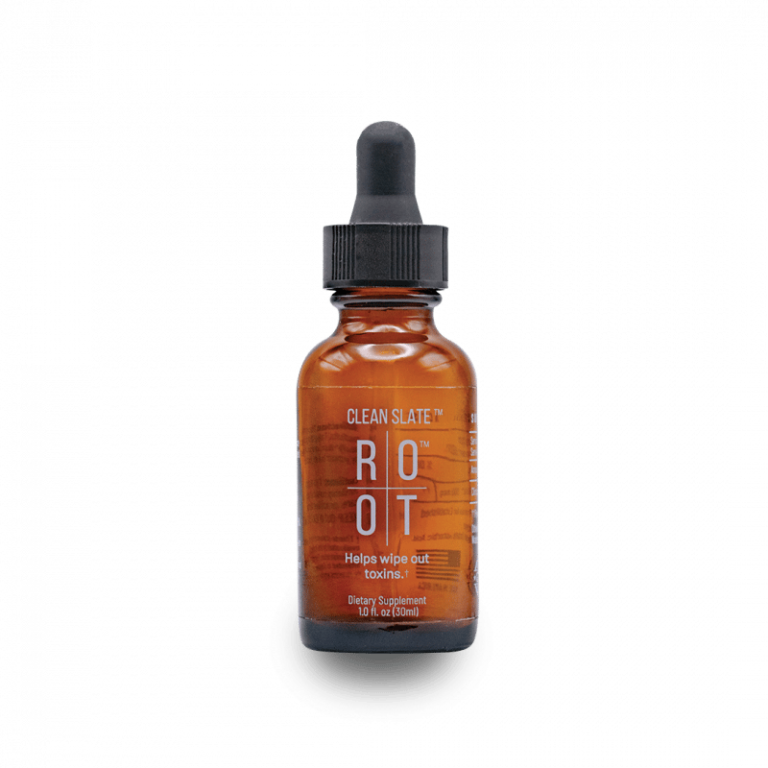
Clean Slate – Detoxes thousands of chemicals,heavy metals, pesticides, allergens, mold spores and fungus
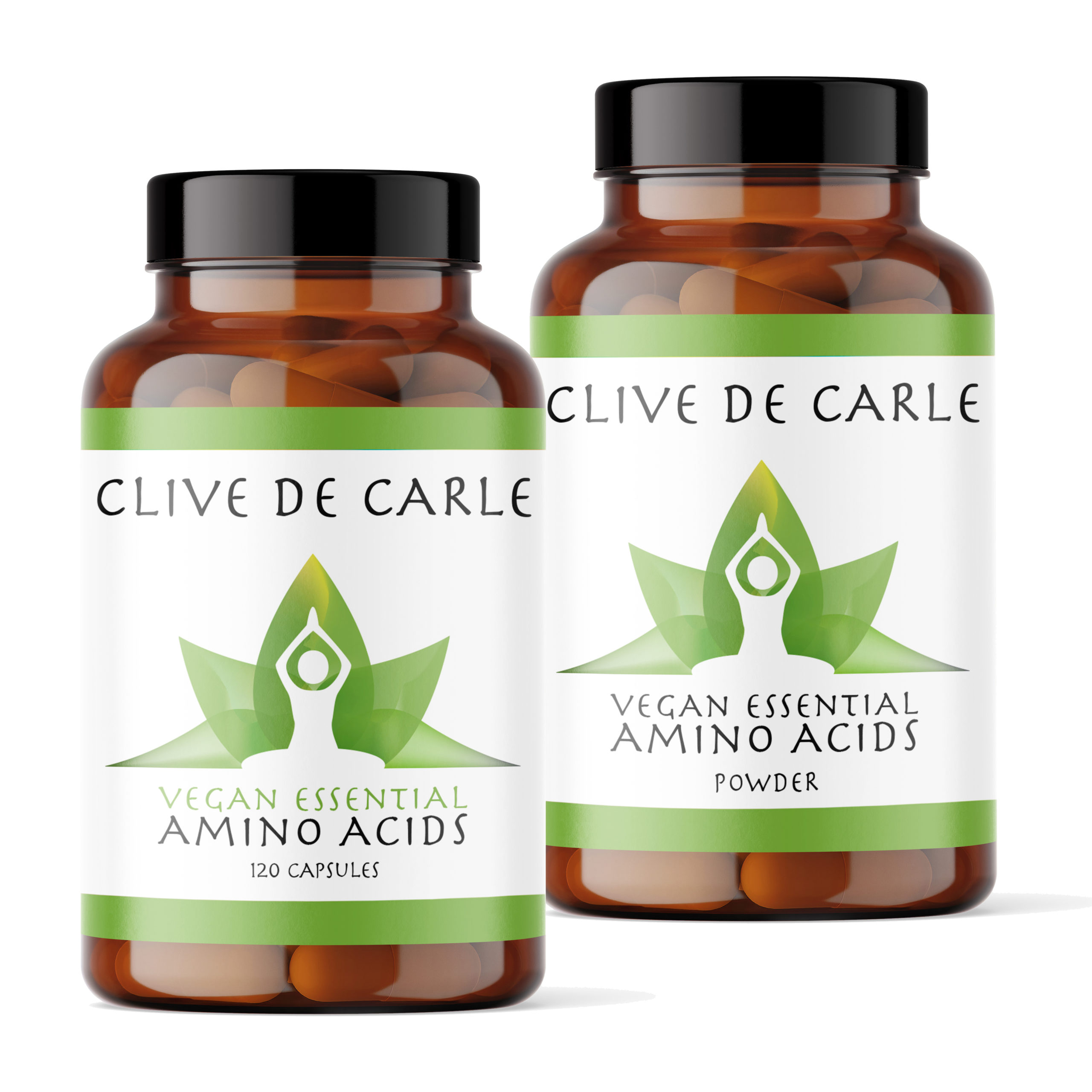
Vegan Essential Amino Acids – Plant-Powered Protein Building
INNERSTANDING may earn a commission on purchases made through these links. All products are selected based on rigorous educational relevance to our biological research.
RABBIT HOLE
Follow the biological thread deeper