
Endocrine Disruptors: The Invisible Molecular Mimics Affecting Human Biology
Updated May 2026
This article explores how common environmental chemicals interfere with hormonal signalling and the specific mechanisms of molecular mimicry. It details how the UK regulatory landscape addresses these threats and provides strategies for reducing daily exposure.

Overview
For the vast majority of human evolutionary history, our biological systems operated in a state of relative chemical purity. Our hormones—the intricate chemical messengers that dictate everything from metabolic rate to reproductive viability—evolved to respond to precise internal cues. However, since the mid-20th century, we have undergone a radical and uncontrolled experiment. We have saturated our environment with over 140,000 synthetic chemicals, many of which possess the insidious ability to infiltrate the human body and impersonate our natural hormones. These are the Endocrine Disrupting Chemicals (EDCs), or what we at INNERSTANDING term "molecular mimics."
The gravity of this situation cannot be overstated. We are no longer merely dealing with "pollutants" in the traditional sense, such as soot or smoke. We are facing a systemic biological hijack. EDCs do not just poison cells; they rewrite the instructions that govern how our cells behave. By mimicking, blocking, or interfering with the synthesis and metabolism of hormones, these substances are fundamentally altering human physiology on a global scale. From the dramatic decline in male fertility to the skyrocketing rates of hormone-dependent cancers and neurodevelopmental disorders, the fingerprint of endocrine disruption is visible across every modern health epidemic.
The mainstream narrative often treats these chemicals as negligible "trace elements" found in plastic bottles or receipts. This is a dangerous simplification. The reality is that EDCs operate at concentrations so minute—parts per trillion—that they bypass the traditional "the dose makes the poison" logic of toxicology. Because our natural hormones function at these same infinitesimal levels, the introduction of a synthetic mimic, even in microscopic quantities, can trigger a cascade of biological dysfunction. This article serves as an exhaustive investigation into the mechanisms of this molecular sabotage, the specific chemicals responsible, and the UK’s regulatory failure to protect its citizens from this invisible threat.
##
The Biology — How It Works
To understand the threat of EDCs, one must first appreciate the staggering complexity of the Endocrine System. This system is a network of glands—including the hypothalamus, pituitary, thyroid, adrenals, pancreas, ovaries, and testes—that secrete hormones directly into the circulatory system. These hormones act as "keys" that travel through the blood until they find their specific "locks," known as hormone receptors, located on or within target cells.
The Lock and Key Precision
When a hormone like oestrogen or testosterone binds to its receptor, it triggers a specific biological response. This might be the transcription of a certain gene, the activation of an enzyme, or the alteration of the cell membrane's permeability. This system is designed for extreme sensitivity. For instance, oestrogen levels in the blood are so low that they are comparable to a single drop of ink in a train of tankers stretching from London to Edinburgh.
The Disruption of Signalling
Endocrine disruptors break this system in three primary ways:
- —Mimicry (Agonism): The chemical "tricks" the receptor by pretending to be a natural hormone. The cell then performs an action at the wrong time or with excessive intensity.
- —Blocking (Antagonism): The chemical sits in the receptor "lock" but does not turn it. This prevents the real hormone from binding, effectively silencing the biological signal.
- —Epigenetic Interference: The chemical alters the way genes are expressed without changing the DNA sequence itself, often by interfering with DNA methylation or histone modification.
Callout Fact: Unlike standard toxins, many EDCs exhibit a "non-monotonic dose-response." This means they can be more harmful at extremely low doses than at higher doses, because low doses more closely mimic the body's natural hormonal levels, effectively "sneaking past" the body's primary defensive filters.
This interference does not happen in a vacuum. Because the endocrine system is a feedback loop (the Hypothalamic-Pituitary-Adrenal (HPA) axis and Hypothalamic-Pituitary-Gonadal (HPG) axis), a disruption at one point ripples through the entire organism. If a phthalate mimics oestrogen, the brain may sense an "excess" and shut down the body’s natural production of gonadotropins, leading to a systemic collapse of reproductive function.
##
Mechanisms at the Cellular Level
At the molecular level, the deception is masterfully executed. To truly understand the "how," we must look at the ligand-binding domain (LBD) of nuclear receptors. These receptors are essentially transcription factors; when activated by a hormone (the ligand), they move into the nucleus and bind to specific sequences of DNA called Hormone Response Elements (HREs).
Molecular Mimicry in Action: Bisphenol-A (BPA)
Take the case of Bisphenol-A (BPA), perhaps the most infamous EDC. BPA possesses a phenolic ring structure that bears a striking resemblance to 17β-oestradiol, the most potent form of natural oestrogen. Because of this structural similarity, BPA can fit into the binding pocket of oestrogen receptors ERα and ERβ. While its binding affinity is weaker than natural oestrogen, our environment is so saturated with it that the sheer volume of BPA "keys" overwhelms the natural system.
Interference with Steroidogenesis
Beyond the receptors, EDCs target the very factories where hormones are made. The process of steroidogenesis involves a complex assembly line of enzymes, largely in the mitochondria and endoplasmic reticulum.
- —Aromatase Inhibition: This enzyme converts androgens (like testosterone) into oestrogens. Chemicals like atrazine (a common herbicide) can over-activate aromatase, leading to a feminising effect in males by depleting testosterone and skyrocketing oestrogen.
- —5-alpha Reductase Interference: This enzyme converts testosterone into the more potent dihydrotestosterone (DHT). Many synthetic chemicals inhibit this enzyme, which is critical for male secondary sexual characteristics and prostate health.
The Aryl Hydrocarbon Receptor (AhR) Pathway
Many environmental toxins, specifically dioxins and polychlorinated biphenyls (PCBs), exert their damage through the Aryl Hydrocarbon Receptor (AhR). When these toxins bind to the AhR, it triggers the production of cytochrome P450 enzymes (like CYP1A1). While these enzymes are meant to detoxify, the persistent presence of EDCs causes a chronic over-activation, leading to the production of reactive oxygen species (ROS) and profound oxidative stress that damages cellular DNA.
Biological Truth: EDCs are often lipophilic (fat-loving). This means they bypass the aqueous defences of the body and embed themselves in our adipose tissue (body fat) and cell membranes, where they can persist for years, slowly leaching back into the bloodstream.
##
Environmental Threats and Biological Disruptors
The modern world is a minefield of oestrogenic and anti-androgenic compounds. These substances are integrated into the very fabric of our daily lives, often hidden under vague labels or protected by "trade secret" laws.
Phthalates: The Plastic Softeners
Phthalates are a group of chemicals used to make plastics flexible and to serve as solvents in personal care products. They are perhaps the most pervasive anti-androgens in existence.
- —DEHP and DBP: Found in PVC flooring, medical tubing, and food packaging.
- —DEP: Commonly found in fragrances and "parfum."
Phthalates work by inhibiting the expression of genes required for cholesterol transport to the mitochondria in the testes, effectively starving the production of testosterone. In the UK, despite some restrictions, phthalates are still found in high concentrations in household dust and indoor air.
PFAS: The "Forever Chemicals"
Per- and polyfluoroalkyl substances (PFAS) are used for their non-stick and water-resistant properties (Teflon, Gore-Tex, grease-proof food wraps). They are termed "forever chemicals" because the carbon-fluorine bond is one of the strongest in organic chemistry; they do not break down in the environment or the human body. PFAS are known to interfere with thyroid hormone signalling by displacing thyroxine (T4) from its carrier proteins, leading to metabolic slowdown and cognitive impairment.
Parabens and Alkylphenols
Used as preservatives in British high-street cosmetics and shampoos, parabens (methylparaben, propylparaben) are proven oestrogen mimics. Alkylphenols, found in industrial detergents and some pesticides, break down into nonylphenol, a substance so potently oestrogenic that it has been shown to cause male fish to produce egg-yolk proteins—a phenomenon now being mirrored in mammalian studies.
Glyphosate and the Herbicide Cocktail
While often debated purely as a carcinogen, the herbicide glyphosate acts as an endocrine disruptor by interfering with the shikimate pathway in our gut microbiome. Since our gut bacteria are responsible for the metabolism and excretion of hormones (the estrobolome), the destruction of these bacteria leads to a recirculation of "used" oestrogens, contributing to oestrogen dominance.
##
The Cascade: From Exposure to Disease
The physiological consequences of this molecular mimicry are not subtle. We are witnessing a systemic decline in human biological integrity.
The Male Fertility Crisis
In the last 40 years, sperm counts in Western men, including those in the UK, have plummeted by over 50%. This is not an evolutionary fluke; it is the direct result of intrauterine exposure to EDCs. When a male foetus is exposed to phthalates during the "masculinisation programming window," it can result in Testicular Dysgenesis Syndrome (TDS), characterised by low sperm quality, undescended testes, and increased risk of testicular cancer later in life.
Metabolic Syndrome and "Obesogens"
The traditional "calories in vs. calories out" model of weight gain is being challenged by the science of obesogens. Chemicals like tributyltin (TBT) and certain phthalates can program stem cells to become adipocytes (fat cells) rather than bone or muscle cells. Furthermore, they can interfere with leptin signalling, the hormone that tells your brain you are full, leading to permanent metabolic "thirst" and insulin resistance.
Early Puberty and Developmental Shifts
The age of onset for puberty in girls in the UK has been steadily dropping. Early puberty is not merely a social inconvenience; it is a biological red flag associated with a significantly higher risk of breast cancer and endometriosis. This is driven by the constant bombardment of xenoestrogens (foreign oestrogens) that "prime" the reproductive system prematurely.
Neurotoxicity and the Developing Brain
The thyroid gland is the master controller of brain development. EDCs like PBDEs (flame retardants found in UK sofas and carpets) interfere with thyroid hormone uptake. Exposure during pregnancy or early childhood is linked to lower IQ, ADHD, and autism spectrum disorders, as the brain fails to form the necessary neural connections in the absence of precise hormonal cues.
Callout Statistic: A study published in *The Lancet Diabetes & Endocrinology* estimated that the cost of EDC-related diseases in the European Union (including the pre-Brexit UK) exceeds €163 billion per year.
##
What the Mainstream Narrative Omits
The public is often told that these chemicals are "regulated" and "safe within limits." This narrative is a fabrication designed to protect industrial interests. There are three critical truths the mainstream media and many government bodies refuse to highlight:
1. The Cocktail Effect
Regulatory toxicity testing is almost always performed on one chemical at a time. In the real world, no human is exposed to just one chemical. We are exposed to a "cocktail" of hundreds. Research has shown that chemicals which have no effect individually can, when combined, produce synergistic toxicity, where the total damage is far greater than the sum of its parts.
2. Transgenerational Epigenetic Inheritance
The most terrifying aspect of EDCs is that the damage does not stop with the person exposed. Studies on Vinclozolin (a fungicide) have shown that exposure in a pregnant mother can cause reproductive defects in her great-great-grandchildren, even if those subsequent generations were never exposed to the chemical. The EDC "marks" the epigenome, effectively passing a biological "debt" down the family line.
3. The "Safe Dose" Myth
Standard toxicology relies on the LD50 (the dose that kills 50% of subjects). But hormones do not work by killing cells; they work by *instructing* them. Therefore, an EDC doesn't need to be "toxic" in the traditional sense to be devastating. It only needs to be "hormonally active." Mainstream regulators often ignore the low-dose effects, claiming that if a high dose doesn't kill a rat, a low dose must be safe for a human. This is scientifically illiterate.
##
The UK Context
In the United Kingdom, the regulatory landscape for EDCs is currently in a state of flux and, frankly, inadequacy.
Post-Brexit Regulatory Gaps
Before Brexit, the UK was part of EU REACH (Registration, Evaluation, Authorisation and Restriction of Chemicals), which is arguably the most stringent chemical regulation in the world. Since leaving, the UK has established UK REACH. However, concerns have been raised by the Environment Agency and various NGOs that the UK is falling behind the EU’s pace of banning hazardous substances. There is a "divergence" occurring where chemicals banned in the EU for being endocrine disruptors remain legal to use in UK manufacturing.
The Crisis in UK Waterways
The UK’s water infrastructure is currently failing. Water companies regularly discharge untreated sewage into rivers. This sewage contains high levels of pharmaceutical waste, including ethinylestradiol (from the contraceptive pill), which is a potent EDC. The Environment Agency has found that in many British rivers, 100% of male fish show signs of "intersex" traits. Our current water treatment plants are not equipped to filter out these molecular-scale mimics, meaning they often cycle back into the domestic tap water supply.
The Role of the FSA and MHRA
The Food Standards Agency (FSA) continues to maintain that BPA in food linings is safe, despite the European Food Safety Authority (EFSA) drastically lowering the "tolerable daily intake" by a factor of 20,000 based on new evidence of immune system harm. The MHRA (Medicines and Healthcare products Regulatory Agency) similarly overlooks the endocrine-disrupting potential of "inert" ingredients in medications and medical devices, such as the phthalates used in enteric coatings of tablets.
##
Protective Measures and Recovery Protocols
While the systemic problem requires legislative change, individuals must take proactive steps to "bio-hack" their environment and protect their hormonal integrity. This involves two strategies: Minimising Inflow and Optimising Outflow.
Minimising Inflow: Environmental Hardening
- —Water Filtration: Standard charcoal filters are insufficient for EDCs. Use Reverse Osmosis (RO) or high-quality distillation systems to remove PFAS and pharmaceutical oestrogens from drinking and cooking water.
- —Ditch the Plastics: Never heat food in plastic. Replace plastic storage containers with glass or stainless steel. Be wary of "BPA-Free" labels, as manufacturers often replace BPA with BPS or BPF, which are equally, if not more, disruptive.
- —Curated Personal Care: Switch to products that are "phthalate-free" and "paraben-free." In the UK, look for the "Soil Association Organic" seal, which has stricter standards for synthetic additives.
- —The "Receipt" Rule: Most thermal paper receipts are coated in pure BPA/BPS. Do not take receipts, or if you must, wash your hands immediately after touching them. The chemical absorbs through the skin in seconds, especially if you have used hand sanitiser (which acts as a skin penetrant).
Optimising Outflow: Supporting Detoxification
The liver is the primary organ responsible for deactivating and excreting hormones and their mimics. You must support the two phases of liver detoxification.
- —Phase I (Functionalisation): This requires B vitamins, glutathione, and antioxidants to begin breaking down EDCs.
- —Phase II (Conjugation): This is where the real work happens.
- —Glucuronidation: Essential for oestrogen clearance. Supported by calcium d-glucarate.
- —Sulphation: Crucial for clearing xenobiotics. Supported by sulphur-rich foods like eggs, garlic, and onions.
- —The Power of Cruciferous Vegetables: Broccoli, kale, and Brussels sprouts contain Indole-3-Carbinol (I3C) and Diindolylmethane (DIM). These compounds promote the "2-hydroxy" pathway of oestrogen metabolism (the "good" oestrogen) and inhibit the "16-hydroxy" pathway (the "bad," pro-cancer oestrogen).
- —Gut Health and the Estrobolome: Ensure high fibre intake (30-40g per day) to prevent the "enterohepatic recirculation" of toxins. If you are constipated, your body is simply reabsorbing the EDCs your liver worked so hard to filter out.
Callout Fact: Sweat is one of the few ways the body can effectively excrete "forever chemicals" like PFAS and certain heavy metals. Regular use of a Sauna (especially Infrared) is a scientifically validated method for reducing the body’s total toxic burden.
##
Summary: Key Takeaways
The threat of endocrine disruptors is not a "future" problem; it is a present reality that is currently shaping the trajectory of human health and fertility. These molecular mimics have infiltrated our water, our food, our blood, and even our wombs.
- —Molecular Mimicry is Real: Synthetic chemicals are successfully impersonating our hormones, leading to a systemic biological hijack.
- —The Regulation is Failing: UK REACH and domestic bodies are currently failing to keep pace with the emerging science of low-dose and synergistic toxicity.
- —Fertility is Under Attack: The decline in sperm counts and the rise in reproductive disorders are the "canaries in the coal mine" for environmental collapse.
- —Action is Possible: While we cannot live in a bubble, we can significantly reduce our "toxic load" through rigorous water filtration, the elimination of plastics, and supporting the liver’s natural detoxification pathways.
At INNERSTANDING, we believe that knowledge is the first step toward biological sovereignty. By recognising these invisible mimics for what they are—saboteurs of our most fundamental signalling systems—we can begin the process of reclaiming our health from the chemical age. The "normal" levels of chronic disease in the UK today are not normal; they are the result of an environment that is increasingly incompatible with human biology. It is time to see the invisible.
This article is provided for informational and educational purposes only. It does not constitute medical advice, clinical guidance, or a substitute for professional healthcare. Information reflects cited research at time of publication. Always consult a qualified healthcare professional before acting on any health information.
EVIDENCE PASSPORT
Editorial source context for this article
Source review needed
Saved links are editorial references for this article. They may support specific claims rather than every sentence. Open and assess each source in context. This passport does not independently verify them.
Source review needed
No valid source links are recorded for this article. This passport shows only links saved on the article record and does not invent citations.
This passport records editorial links, not independent verification. Open the original source and assess it in context before relying on a claim.
Medical Disclaimer
The information in this article is for educational purposes only and does not constitute medical advice, diagnosis, or treatment. Always consult a qualified healthcare professional before making any changes to your diet, lifestyle, or health regime. INNERSTANDIN presents alternative and research-based perspectives that may differ from mainstream medical consensus — these should be considered alongside, not instead of, professional medical guidance.
Read Full DisclaimerReady to learn more?
Continue your journey through our classified biological research.
THE ARSENAL
Based on Hormonal Health — products curated by our research team for educational relevance and biological support.
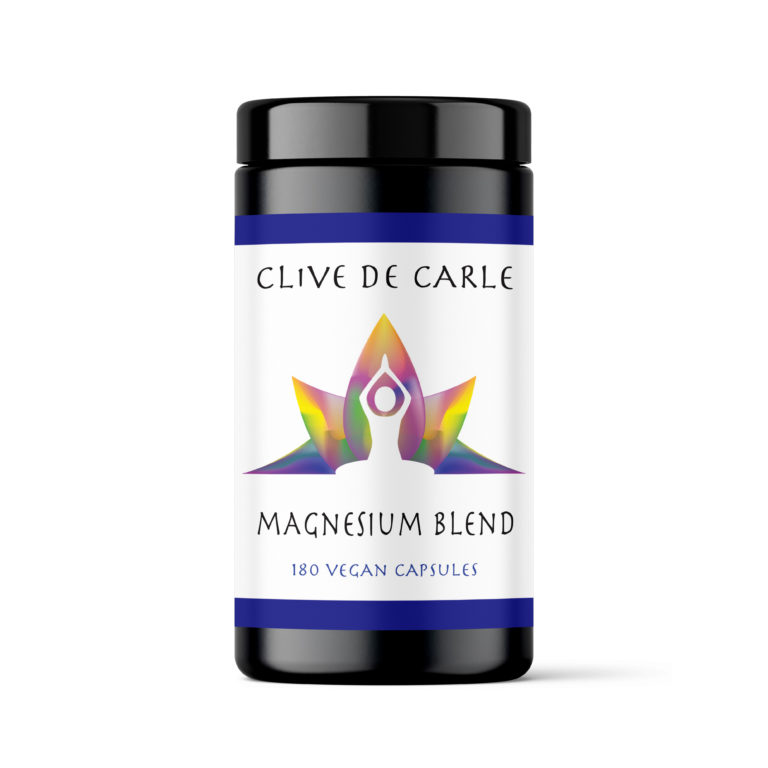
Magnesium Blend – The Most Important Mineral
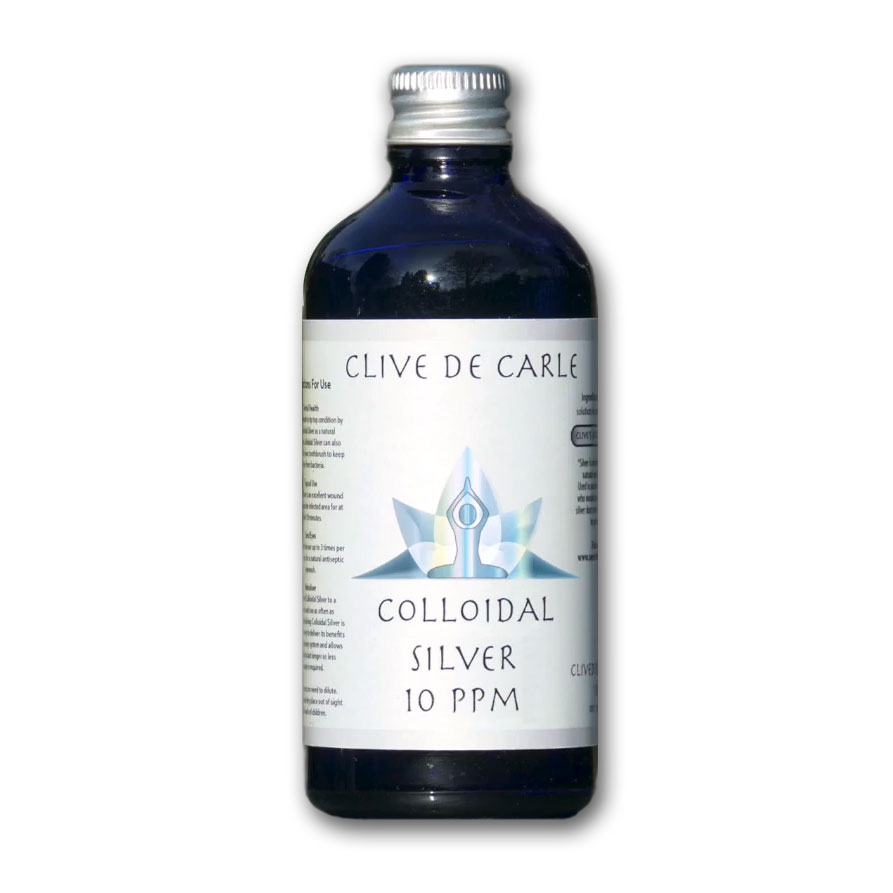
Colloidal Silver: 10ppm – Precision Particle Technology
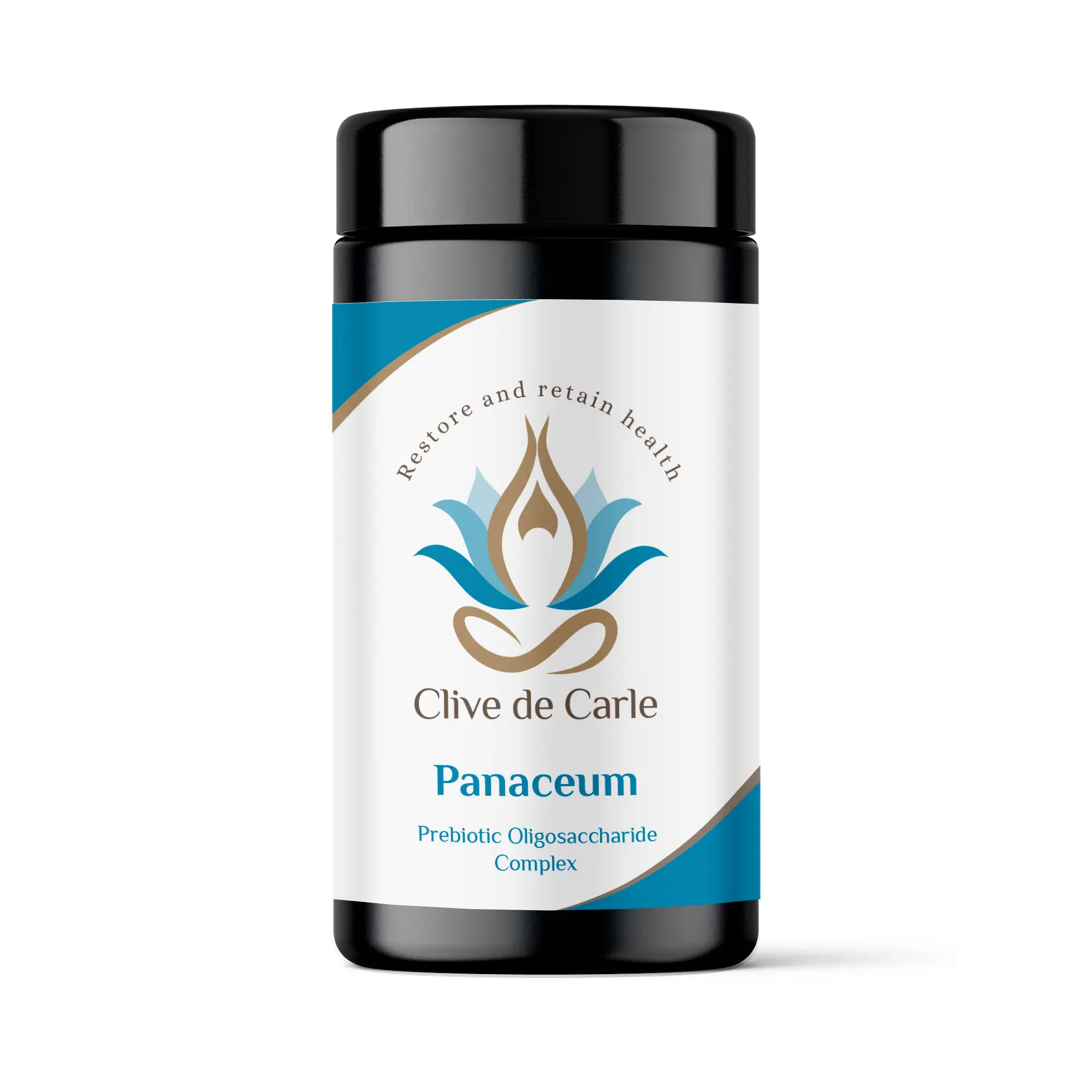
Panaceum – Prebiotic Oligosaccharide Complex
INNERSTANDING may earn a commission on purchases made through these links. All products are selected based on rigorous educational relevance to our biological research.
Explore this in the Body Map
See where this hits your biology. Interactive anatomy, threats, and protective protocols.
Dig deeper in the Library
Free, longform PDF volumes that go beyond headlines into mechanisms and references.