Endocrine-Disrupting Chemicals (EDCs) and Their Synergistic Effect on Postpartum Zinc and Magnesium Transport
A comprehensive investigation into how environmental toxins interfere with the transport and bioavailability of Zinc and Magnesium during the fourth trimester, exploring the root causes of postpartum nutritional depletion and its impact on maternal recovery.

# Endocrine-Disrupting Chemicals (EDCs) and Their Synergistic Effect on Postpartum Zinc and Magnesium Transport
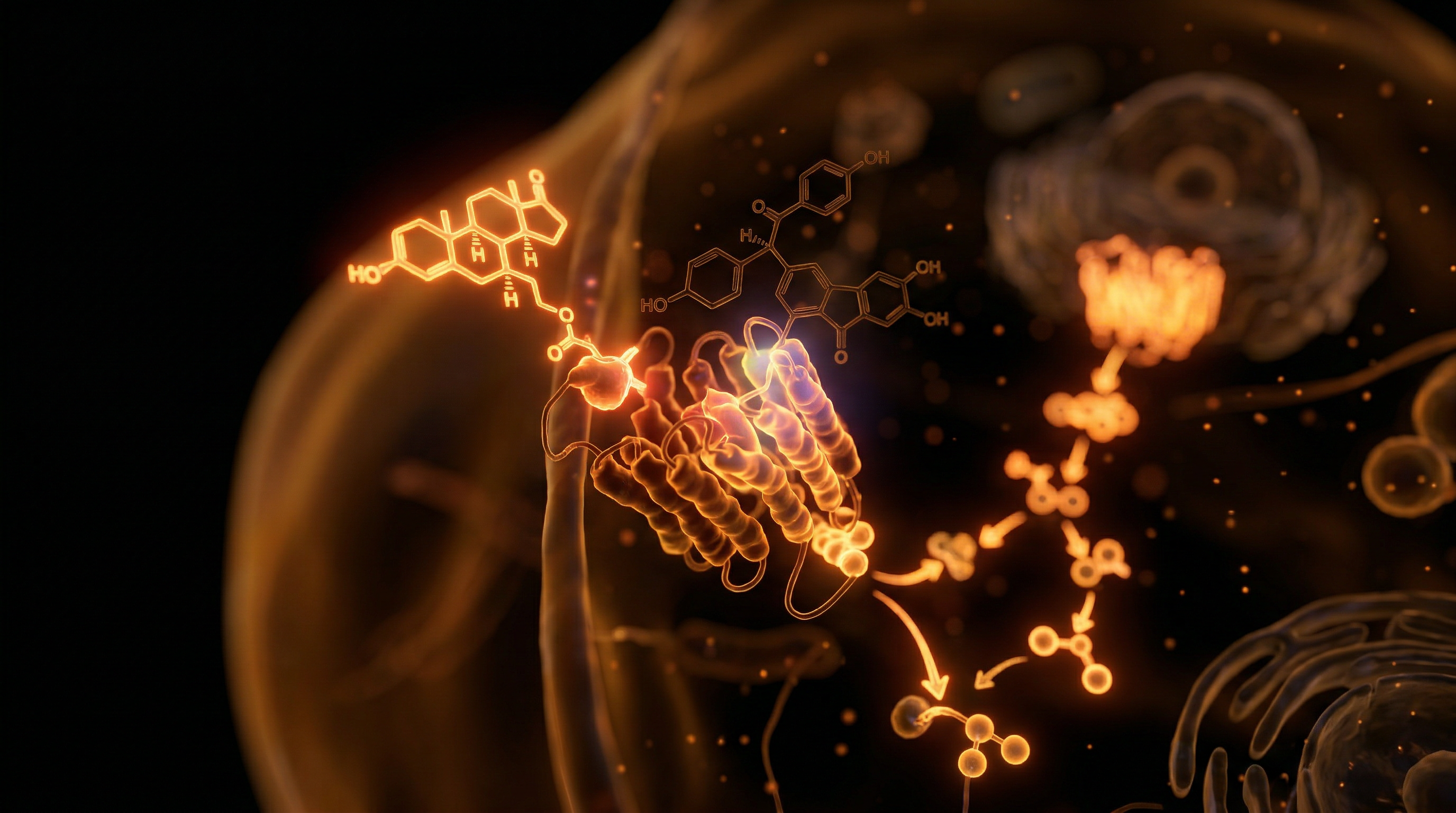
The postpartum period, often referred to as the 'Fourth Trimester', represents one of the most physiologically demanding phases of a woman’s life. While the focus is frequently placed on neonatal care, the biological reality of the mother is one of profound transition and potential depletion. Central to this transition is the delicate balance of micronutrients, particularly Zinc and Magnesium. However, modern environmental challenges—specifically the prevalence of Endocrine-Disrupting Chemicals (EDCs)—are increasingly recognised as significant barriers to postpartum recovery. These substances do not merely exist in the periphery; they actively interfere with the cellular transport and systemic utilisation of minerals essential for hormonal regulation and mental health.
The Critical Role of Zinc and Magnesium in the Fourth Trimester
To understand the impact of EDCs, we must first establish the baseline importance of Zinc and Magnesium during the postpartum recovery phase. Zinc is a catalyst for over 300 enzymatic reactions. It is fundamental for wound healing (especially following episiotomies or Caesarean sections), the synthesis of DNA, and the regulation of the immune system. Crucially, Zinc is a precursor to neurotransmitter function, particularly in the synthesis of GABA and the regulation of glutamate, which directly impacts mood stability.
Magnesium, often called the 'anti-stress mineral', is equally vital. It governs the body's stress response by regulating the Hypothalamic-Pituitary-Adrenal (HPA) axis. In the postpartum context, Magnesium is essential for muscle relaxation, sleep quality, and the mitigation of the inflammatory response triggered by the physical trauma of birth. When these two minerals are deficient, the risk of Postpartum Depression (PPD), anxiety, and chronic fatigue increases exponentially.
Understanding Endocrine-Disrupting Chemicals (EDCs)
EDCs are exogenous substances found in plastics (BPA, phthalates), personal care products (parabens), pesticides, and industrial chemicals (PFAS). Their danger lies in their molecular structure, which mimics or blocks endogenous hormones. Because the postpartum period is defined by a massive shift in hormones—specifically the precipitous drop in oestrogen and progesterone alongside the rise in prolactin and oxytocin—the body's endocrine system is uniquely vulnerable to these 'hormonal imposters'.
The Mechanism of Interference: Mineral Transport Disturbance
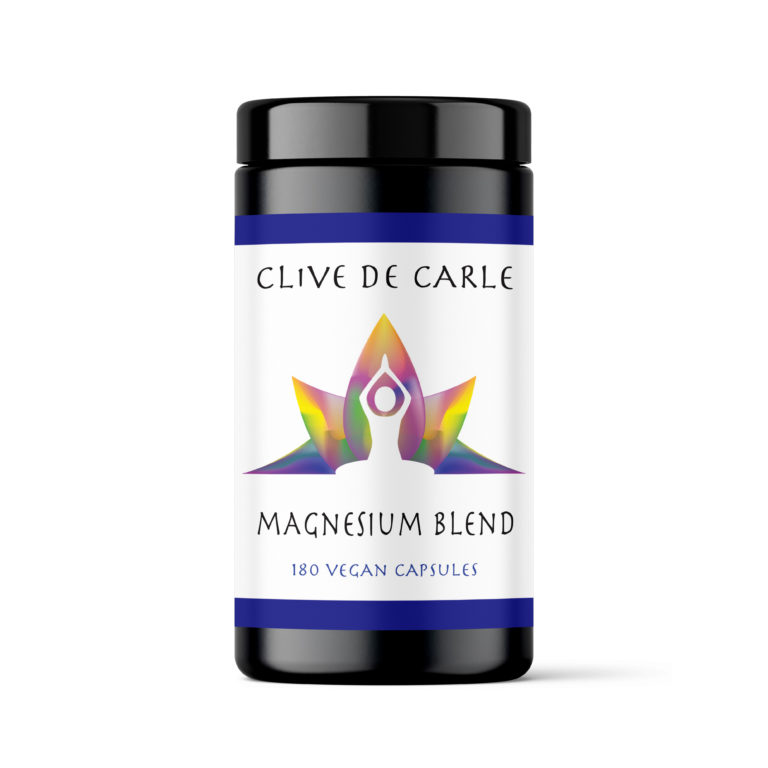
Magnesium Blend – The Most Important Mineral
A high-bioavailability mineral blend designed to support over 300 essential biochemical reactions, from energy production to muscle relaxation. This formula helps combat daily fatigue while providing the foundational support your nervous system and bones require.
Vetting Notes
Pending
The most insidious effect of EDCs is not just that they displace hormones, but that they disrupt the transport proteins responsible for moving minerals into and out of cells. Mineral transport is not a passive process; it relies on specific channels and transporters such as the ZIP (Zrt- and Irt-like protein) and ZnT (Zinc transporter) families for Zinc, and the TRPM6 and TRPM7 channels for Magnesium.
1. Zinc Transport Inhibition
EDCs like Bisphenol A (BPA) have been shown to alter the expression of Zinc transporters. By mimicking oestrogen, BPA can interfere with the signaling pathways that upregulate ZIP transporters during lactation. This creates a 'functional deficiency' where, despite adequate dietary intake, Zinc cannot effectively enter the cells of the mother or be sequestered into breast milk, leading to both maternal depletion and neonatal insufficiency.
2. Magnesium Sequestration and Excretion
Phthalates and perfluorinated compounds (PFAS) induce oxidative stress within the renal system. This oxidative stress triggers a 'wastage' effect where Magnesium is prematurely excreted through the urine. Furthermore, because Magnesium is required to detoxify EDCs in the liver (via the Phase II glucuronidation pathway), the presence of a high toxic load 'steals' Magnesium away from its structural and neurological duties to prioritise detoxification. This is a classic root-cause scenario: the toxin creates the deficiency by demanding the nutrient for its own removal.
The Synergistic "Cocktail Effect"
In isolation, a single EDC might have a negligible effect. However, the 'synergistic effect' refers to the cumulative impact of multiple EDCs acting simultaneously. Postpartum women are rarely exposed to just one chemical. They are exposed to phthalates in their shampoos, BPA in food linings, and PFAS in tap water.
Research indicates that when these chemicals work in concert, they exert a non-linear effect on mineral homeostasis. For example, the presence of phthalates can increase the sensitivity of the ZIP transporters to the inhibitory effects of BPA. This synergy creates a 'perfect storm' for mineral depletion. The transport proteins become saturated or downregulated, and the metabolic demand for Zinc and Magnesium skyrockets to combat the systemic inflammation caused by the chemical load.
Root Causes: Why Postpartum is the Vulnerability Window
Why does this matter more in the postpartum phase than at other times? The answer lies in the 'reallocation of resources'. During the fourth trimester, the body prioritises the nutritional content of breast milk over the mother's own stores. If EDCs are inhibiting transport, the mother’s body will strip its own bone and soft tissue of Magnesium and Zinc to maintain milk quality, leaving her neurologically and immunologically vulnerable.
Furthermore, the rapid loss of pregnancy-related fluids and the restructuring of the endocrine system mean that the 'buffering capacity' of the mother is at an all-time low. If the liver is overburdened by the task of metabolising synthetic chemicals alongside the massive influx of pregnancy hormones that must be cleared, mineral transport becomes a secondary priority for the body's survival mechanisms.
Clinical Implications: Mood and Recovery
The clinical manifestation of this EDC-mineral disruption is often misdiagnosed as purely psychological. Postpartum anxiety and the 'baby blues' are frequently the result of low intracellular Magnesium (leading to HPA-axis dysregulation) and low Zinc (leading to neurotransmitter imbalances). When we view these conditions through the lens of EDC-induced transport disruption, the solution moves beyond simple supplementation to environmental management and detoxification support.
Root-Cause Mitigation Strategies
To address the synergistic effect of EDCs on mineral transport, we must adopt a multi-faceted approach focused on reducing load and enhancing transport efficiency.
1. Reducing the Toxic Load
- —Water Filtration: Utilising high-quality filters (Reverse Osmosis or Carbon Block) to remove PFAS and heavy metals that compete with Zinc and Magnesium binding sites.
- —Plastic Eradication: Shifting to glass, stainless steel, and ceramic for food storage and heating, specifically avoiding plastics with recycling codes 3, 6, and 7.
- —Clean Personal Care: Choosing products free from synthetic fragrances, parabens, and phthalates to reduce the transdermal EDC load.
2. Supporting Transport and Bioavailability
- —Ionophore Support: Certain polyphenols, such as Quercetin, act as ionophores, helping to shuttle Zinc across the cellular membrane, potentially bypassing EDC-inhibited transporters.
- —Cofactor Optimisation: Magnesium transport is enhanced by the presence of Vitamin B6 (specifically P5P). Supplementing Magnesium in highly bioavailable forms like Bisglycinate can improve absorption even when transport channels are stressed.
- —Liver Support: Consuming cruciferous vegetables (rich in Sulforaphane) supports the Phase II detoxification pathways, helping the body clear EDCs more efficiently and 'freeing up' minerals for other functions.
Conclusion
The depletion of Zinc and Magnesium in the postpartum period is not an inevitable consequence of motherhood, but rather a complex interaction between biological demand and environmental interference. By understanding how EDCs synergistically disrupt mineral transport, we can move toward a model of postpartum care that prioritises environmental purity alongside nutritional repletion. Protecting the 'Fourth Trimester' requires us to look beyond the plate and consider the chemical landscape in which the modern mother lives. Only by addressing these root causes can we truly support maternal recovery and long-term health.
This article is provided for informational and educational purposes only. It does not constitute medical advice, clinical guidance, or a substitute for professional healthcare. Information reflects cited research at time of publication. Always consult a qualified healthcare professional before acting on any health information.
RESEARCH FOUNDATIONS
Biological Credibility Archive
Citations provided for educational reference. Verify via PubMed or institutional databases.
Medical Disclaimer
The information in this article is for educational purposes only and does not constitute medical advice, diagnosis, or treatment. Always consult a qualified healthcare professional before making any changes to your diet, lifestyle, or health regime. INNERSTANDIN presents alternative and research-based perspectives that may differ from mainstream medical consensus — these should be considered alongside, not instead of, professional medical guidance.
Read Full DisclaimerReady to learn more?
Continue your journey through our classified biological research.
THE ARSENAL
Based on Postpartum Health & Nutritional Depletion — products curated by our research team for educational relevance and biological support.
Magnesium Blend – The Most Important Mineral
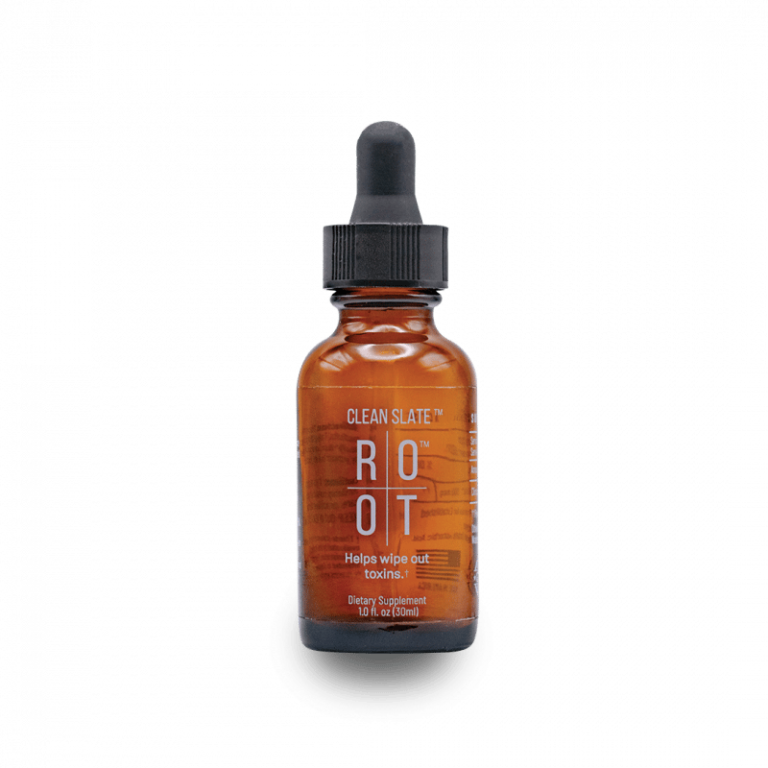
Clean Slate – Detoxes thousands of chemicals,heavy metals, pesticides, allergens, mold spores and fungus
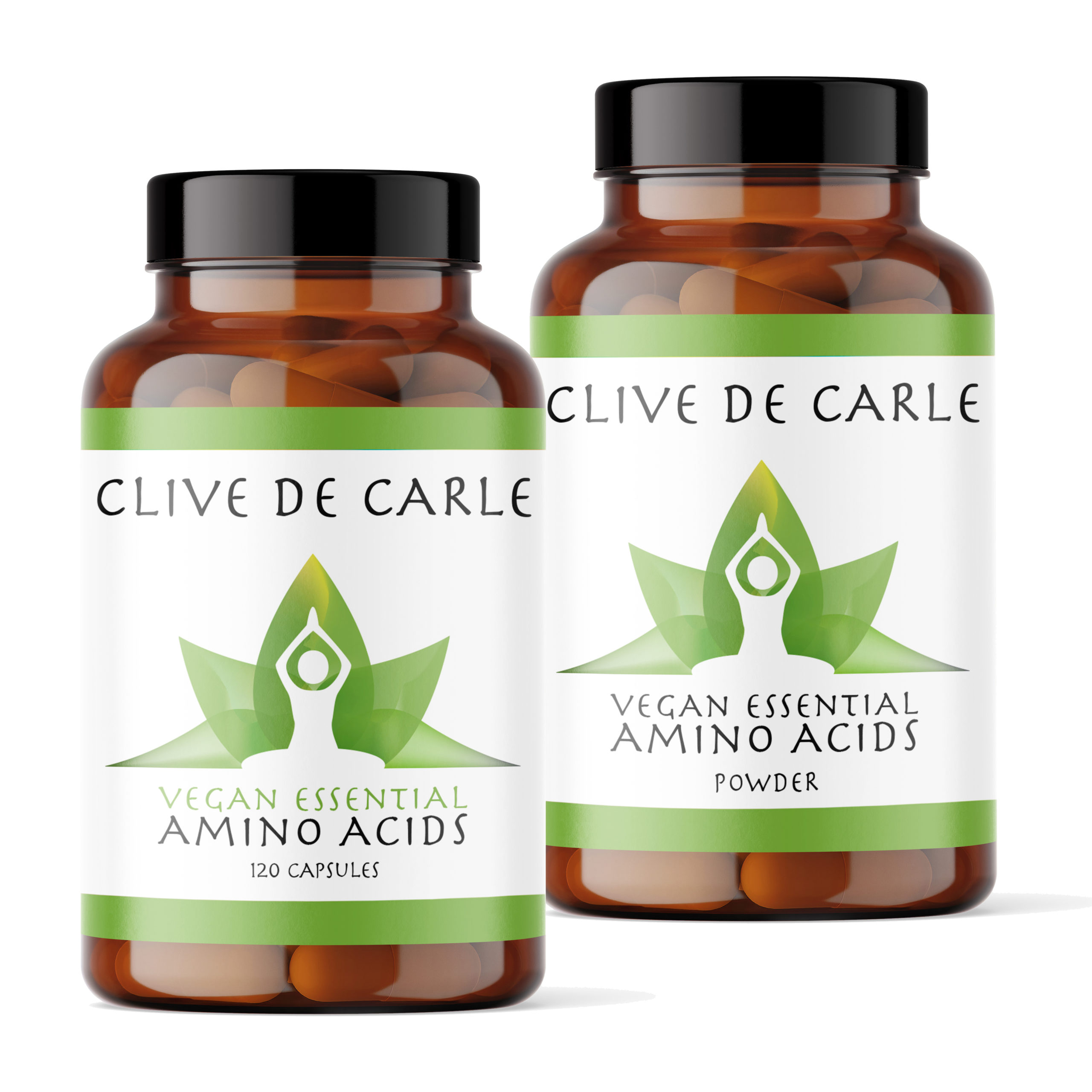
Vegan Essential Amino Acids – Plant-Powered Protein Building
INNERSTANDING may earn a commission on purchases made through these links. All products are selected based on rigorous educational relevance to our biological research.
RABBIT HOLE
Follow the biological thread deeper