
Short-Chain Fatty Acids and the Microglial Phenotype: How Gut Microbiota Metabolites Suppress Neuroinflammation
Updated April 2026
Evidence orientation
Editorial context not yet recorded
Follow this category
This stays in this browser. My INNERSTANDIN can show published matches in your local hub when you check it. It does not send email, push, or alert notifications.
Local learning review
A private browser aid for revisiting ideas. It is not an alert or a health recommendation.
Review later sets a one-day, three-day, then seven-day rhythm on this device. Choose it only when you want to revisit this article.
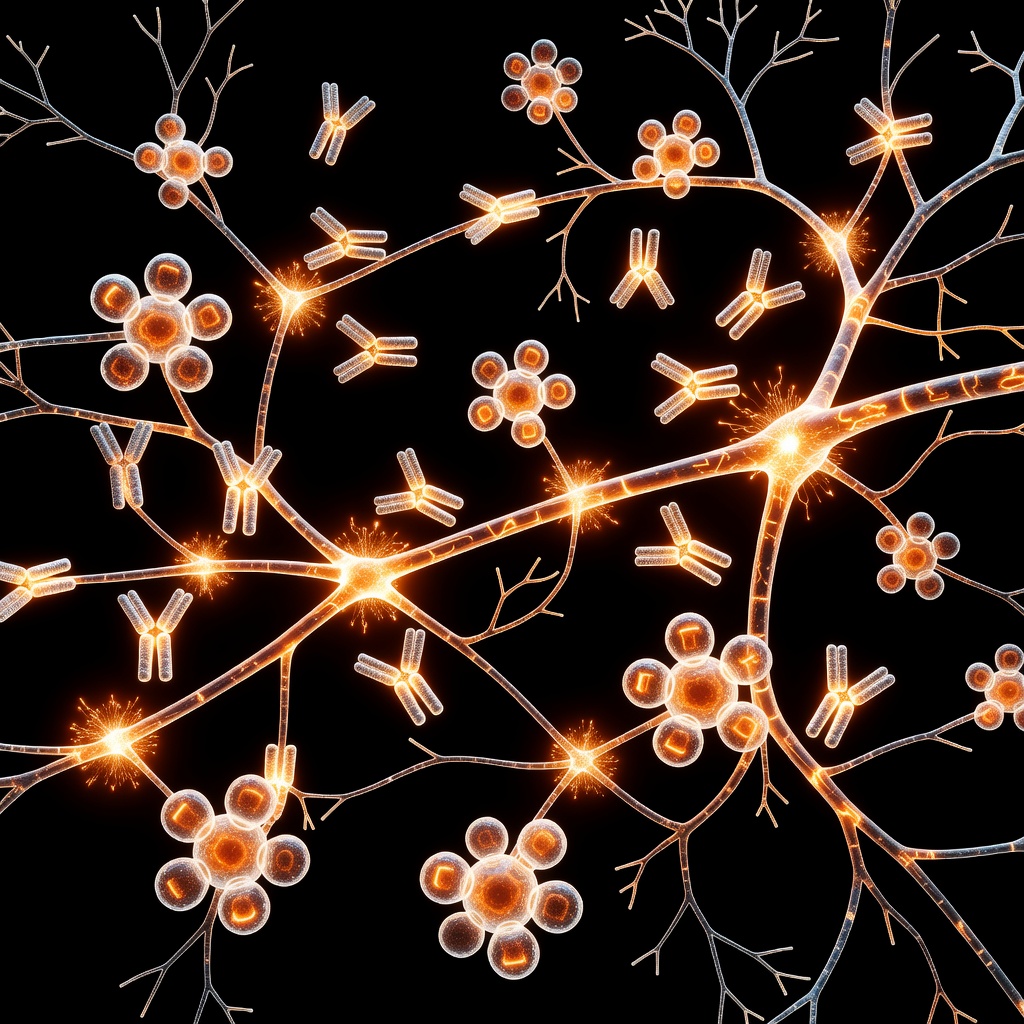
In the modern landscape of clinical neurology, a paradigm shift is occurring. We are moving away from the archaic view of the brain as an "immune-privileged" fortress, isolated from the metabolic fluctuations of the body. Instead, we are uncovering a profound, bidirectional dialogue known as the gut-brain axis. At the heart of this communication lies a class of microbial metabolites that dictate the very temperament of our brain’s immune system: Short-Chain Fatty Acids (SCFAs).
For too long, the rise in neurodegenerative conditions, mood disorders, and cognitive decline has been treated as a localized failure of the Central Nervous System (CNS). However, the truth is far more systemic. The health of your microglia—the sentinels of your brain—is fundamentally tethered to the fermentation processes occurring in your colon.
Overview: The Microbial Architects of Cognitive Health
The human gut is home to trillions of microorganisms, a complex ecosystem known as the microbiota. When we consume complex carbohydrates and indigestible fibres, certain anaerobic bacteria (predominantly within the Bacteroidetes and Firmicutes phyla) ferment these substrates. The primary end-products of this fermentation are Short-Chain Fatty Acids, specifically acetate, propionate, and butyrate.
While these metabolites serve as a primary energy source for colonocytes, they do not remain confined to the gut. They enter the systemic circulation, cross the blood-brain barrier (BBB), and act as potent signalling molecules. Their primary target? Microglia.
Microglia are the resident macrophages of the CNS. They are not static; they are dynamic, highly plastic cells that constantly survey their environment. In a healthy state, they maintain a homeostatic phenotype, promoting neuronal growth and clearing cellular debris. However, when triggered by systemic inflammation or microbial dysbiosis, they shift into a pro-inflammatory phenotype, releasing a cascade of neurotoxic cytokines. SCFAs are the "master regulators" that prevent this shift, suppressing neuroinflammation at its source.
Key Fact: Approximately 90–95% of the SCFAs in the colon are acetate, propionate, and butyrate. Of these, butyrate is considered the most potent epigenetic regulator of neuroinflammation.
Biological Mechanisms: How SCFAs Reshape the Microglial Phenotype
The suppression of neuroinflammation by SCFAs is not a vague occurrence; it is a precisely orchestrated molecular process involving epigenetic modification and receptor-mediated signalling.
1. Histone Deacetylase (HDAC) Inhibition
The most profound mechanism by which SCFAs, particularly butyrate, influence microglia is through the inhibition of Histone Deacetylases (HDACs). In the nucleus of a cell, DNA is wrapped around proteins called histones. When histones are acetylated, the DNA is "open" and genes can be transcribed. HDACs remove these acetyl groups, effectively "closing" the DNA.
By inhibiting HDACs, butyrate ensures that genes associated with anti-inflammatory responses and neuroprotection remain active. This epigenetic "unlocking" prevents microglia from transitioning into the aggressive, pro-inflammatory M1-like state, keeping them in a state of surveillance and repair.
2. G-Protein Coupled Receptor (GPCR) Signalling
SCFAs act as ligands for specific receptors on the surface of immune cells and the vascular endothelium. These include GPR41, GPR43, and GPR109A. When SCFAs bind to these receptors on microglia (or on the peripheral immune cells that communicate with the brain), they trigger intracellular pathways that inhibit the NF-κB (Nuclear Factor kappa-light-chain-enhancer of activated B cells) pathway—the "master switch" for inflammation.
3. Fortifying the Blood-Brain Barrier (BBB)
Neuroinflammation is often exacerbated by a "leaky" blood-brain barrier, which allows peripheral toxins and inflammatory cytokines to infiltrate the CNS. SCFAs promote the expression of tight junction proteins (such as occludin and claudin-5) in the endothelial cells of the BBB. By sealing the gates, SCFAs ensure that the brain’s internal environment remains protected from external inflammatory stressors.
The UK Context and Relevance: A Silent Crisis of Fibre Deficiency
In the United Kingdom, we are facing a monumental health crisis that is rarely framed as a neurological issue: the "fibre gap." The Scientific Advisory Committee on Nutrition (SACN) recommends an intake of 30g of fibre per day for adults. However, the average intake in the UK is a staggering 18g per day.
This deficiency is not merely a digestive concern; it is a driver of the UK’s rising rates of dementia, depression, and neuroinflammatory disorders.
- Dementia Statistics: With over 900,000 people currently living with dementia in the UK, the NHS is under unprecedented pressure. Evidence suggests that a "Westernised" diet, low in fermentable fibre, leads to an "extinction" of SCFA-producing bacteria, leaving the British brain vulnerable to chronic microglial activation.
- The Ageing Population: As the UK population ages, "inflammaging"—the age-related increase in systemic inflammation—becomes a primary risk factor. Maintaining SCFA production is perhaps the most cost-effective and biologically sound strategy for promoting "healthy brain ageing" across the British Isles.
Key Fact: Research indicates that individuals with higher adherence to a Mediterranean-style diet (rich in SCFA-precursors) show a significant reduction in neuroinflammatory markers and a slower rate of cognitive decline compared to those on a standard British diet.
Environmental Factors: The Erosion of the Internal Landscape
The suppression of neuroinflammation via SCFAs is being undermined by several modern environmental factors. We are living in an era of "microbial erosion," where our internal landscape is being decimated by external influences.
The Antibiotic Assault
The UK has seen efforts to reduce antibiotic over-prescription, yet the legacy of historical overuse remains. Antibiotics are "scorched earth" agents for the gut microbiome. A single course can wipe out entire populations of butyrate-producing bacteria, such as Faecalibacterium prausnitzii, leading to a prolonged state of "metabolic silence" where the brain is deprived of SCFA protection.
Ultra-Processed Foods (UPFs)
The British diet is among the highest in Europe for the consumption of Ultra-Processed Foods. These products are devoid of the complex cellular structures required for bacterial fermentation. Instead, they contain emulsifiers (like polysorbate 80) that have been shown to degrade the protective mucus layer of the gut, causing systemic inflammation that directly triggers microglial reactivity.
Pesticides and Glyphosate
Emerging evidence suggests that residues of pesticides like glyphosate, common in non-organic grains, may interfere with the shikimate pathway in gut bacteria. While humans don't have this pathway, our microbes do. Disrupting this pathway can alter the composition of the microbiota, favouring pathogenic species over the beneficial SCFA-producers.
Protective Strategies: Cultivating a Neuro-Protective Internal Garden
To suppress neuroinflammation and maintain a healthy microglial phenotype, we must actively cultivate our internal ecosystem. This requires a shift from "sanitization" to "diversification."
1. Prioritise Prebiotic Diversity
Microglia thrive when the gut is fed a variety of "Microbiota-Accessible Carbohydrates" (MACs).
- Resistant Starch: Found in cooked and cooled potatoes, green bananas, and legumes. This is a primary substrate for butyrate production.
- Inulin and FOS: Found in chicory root, Jerusalem artichokes, garlic, and leeks.
- Pectin: Abundant in apples and pears.
2. The Power of Fermentation
While prebiotics provide the fuel, fermented foods provide the "bio-active" metabolites and potential probiotic reinforcements. Incorporating traditional foods like sauerkraut, kefir, and kimchi can introduce organic acids and beneficial strains that support the overall fermentation environment.
3. Polyphenol Synergy
Polyphenols (found in dark berries, green tea, and cocoa) act in synergy with SCFAs. Many polyphenols reach the colon unchanged, where they are broken down by bacteria into metabolites that also cross the BBB and exhibit anti-inflammatory effects on microglia.
4. Circadian Rhythm and Sleep
The gut microbiome follows a circadian rhythm. Studies have shown that sleep deprivation in the UK population leads to a shift in microbial composition toward a more pro-inflammatory profile. Quality sleep is essential for the "glymphatic" clearance of the brain and for maintaining the microbial balance necessary for SCFA production.
Key Takeaways: The Future of Neuro-Intelligence
The discovery of the SCFA-microglial link is an empowering revelation. It suggests that we are not helpless victims of our genetics, but rather the master gardeners of our own neurological health.
- Microglia are the gatekeepers: Their phenotype (pro-inflammatory vs. homeostatic) determines whether the brain heals or degenerates.
- SCFAs are the signals: Acetate, propionate, and especially butyrate are the primary signals that keep microglia in a protective state.
- The "Leaky Gut, Leaky Brain" connection: Intestinal health is inseparable from blood-brain barrier integrity.
- Fibre is a neurological essential: In the UK context, closing the "fibre gap" is a matter of national cognitive security.
- Epigenetics over Genetics: Through HDAC inhibition, your diet can literally turn off the genes of inflammation.
In conclusion, to protect the brain, we must look to the gut. The suppression of neuroinflammation is not found in a single "miracle drug" but in the complex, symbiotic relationship between the food we eat, the microbes we host, and the metabolites they produce. It is time to embrace the Innerstanding that the mind and the microbiome are one.
"References & Further Reading:"
- Erny, D., et al. (2015). "Host microbiota constantly control microglia maturation and function in the CNS." Nature Neuroscience.
- Valdes, A. M., et al. (2018). "Role of the gut microbiota in nutrition and health." BMJ.
- Silva, Y. P., et al. (2020). "The Role of Short-Chain Fatty Acids on Sleep and Neuroinflammation." Frontiers in Endocrinology.
This article is provided for informational and educational purposes only. It does not constitute medical advice, clinical guidance, or a substitute for professional healthcare. Information reflects cited research at time of publication. Always consult a qualified healthcare professional before acting on any health information.
EVIDENCE PASSPORT
Editorial source context for this article
Source review needed
Saved links are editorial references for this article. They may support specific claims rather than every sentence. Open and assess each source in context. This passport does not independently verify them.
Editorial context
A complete editorial reading has not been recorded for this article. Source links remain available for you to open and assess directly.
Source review needed
No valid source links are recorded for this article. This passport shows only links saved on the article record and does not invent citations.
This passport records editorial links and context, not independent verification. Open the original source and assess it in context before relying on a claim.
Medical Disclaimer
The information in this article is for educational purposes only and does not constitute medical advice, diagnosis, or treatment. Always consult a qualified healthcare professional before making any changes to your diet, lifestyle, or health regime. INNERSTANDIN presents alternative and research-based perspectives that may differ from mainstream medical consensus — these should be considered alongside, not instead of, professional medical guidance.
Read Full DisclaimerContinue the thread
Keep this question moving.
Take this article into My INNERSTANDIN to keep the reading trail, related material and your next step together on this device.
Explore this in the Body Map
See where this hits your biology. Interactive anatomy, threats, and protective protocols.
Dig deeper in the Library
Free, longform PDF volumes that go beyond headlines into mechanisms and references.