
Oestrogen and the Inflammatory Threshold: Understanding the Biological Basis of Menopausal Neuroinflammation
Updated April 2026
Evidence orientation
Editorial context not yet recorded
Follow this category
This stays in this browser. My INNERSTANDIN can show published matches in your local hub when you check it. It does not send email, push, or alert notifications.
Local learning review
A private browser aid for revisiting ideas. It is not an alert or a health recommendation.
Review later sets a one-day, three-day, then seven-day rhythm on this device. Choose it only when you want to revisit this article.
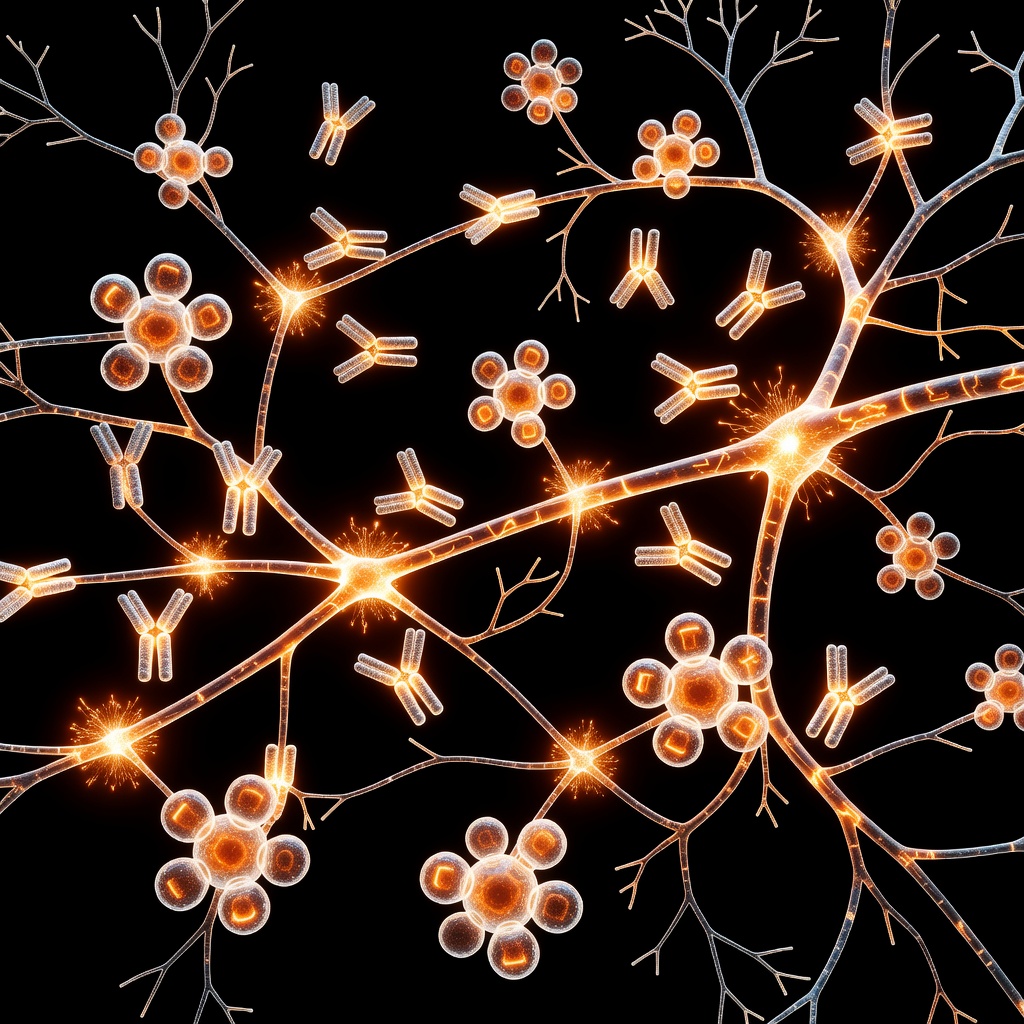
For decades, the medical establishment has framed menopause as a simple reproductive transition—a natural winding down of fertility marked by hot flushes and night sweats. However, this reductive view ignores a profound physiological reality: the female brain is one of the most oestrogen-sensitive organs in the body. When oestrogen levels plummet during perimenopause and menopause, the brain undergoes a radical metabolic and immunological restructuring.
This transition represents more than a hormonal shift; it is a neurological crisis. At the heart of this crisis lies the inflammatory threshold. As the neuroprotective shield of oestrogen dissolves, the brain becomes vulnerable to neuroinflammation—a state of chronic, low-grade immune activation that serves as the precursor to cognitive decline, mood disorders, and neurodegenerative diseases. To truly understand the menopausal experience, we must expose the biological mechanisms behind this systemic inflammatory surge.
The Biological Mechanisms: How Oestrogen Polices the Brain
Oestrogen, specifically 17β-oestradiol (E2), is not merely a sex hormone; it is a master regulator of brain metabolism and a potent anti-inflammatory agent. It acts as a cellular "peacekeeper," ensuring that the brain’s immune system remains dormant unless absolutely necessary.
The Role of Microglia: From Guardians to Aggressors
The primary executors of neuroinflammation are microglia—the brain’s resident immune cells. In a high-oestrogen environment, microglia remain in a "surveying" state, cleaning up cellular debris and supporting neuronal health. Oestrogen binds to Oestrogen Receptor Beta (ERβ) on these cells, suppressing the production of pro-inflammatory cytokines like IL-1β, IL-6, and TNF-α.
Key Fact: Without the regulatory influence of oestrogen, microglia undergo "priming." They become hypersensitive and shift into a pro-inflammatory M1 phenotype, secreting neurotoxic substances that damage healthy neurons and degrade synaptic plasticity.
Mitochondrial Dysfunction and the Metabolic Switch
Oestrogen is essential for mitochondrial bioenergetics. It promotes the efficient use of glucose as the brain’s primary fuel source. As oestrogen declines, the brain’s ability to metabolise glucose drops by approximately 20–25%. This "energy gap" forces the brain to scavenge for alternative fuels, leading to a state of metabolic stress.
This stress triggers the release of Reactive Oxygen Species (ROS). When the mitochondria "leak" these oxidants, they trigger the NLRP3 inflammasome—a multi-protein complex that initiates a cascade of inflammation. In essence, the menopausal brain is a brain on fire, struggling to maintain energy while being bombarded by oxidative stress.
The Integrity of the Blood-Brain Barrier (BBB)
Oestrogen is critical for maintaining the tight junctions of the blood-brain barrier. This barrier is the "security fence" that prevents systemic toxins and peripheral immune cells from entering the central nervous system. As oestrogen wanes, the BBB becomes "leaky." This allows systemic inflammation—often originating from the gut or adipose tissue—to infiltrate the brain, further lowering the inflammatory threshold.
The UK Context: A Silent Public Health Crisis
In the United Kingdom, approximately 13 million women are currently peri- or post-menopausal. Despite this, the neurological implications of the transition remain woefully under-addressed in primary care.
For years, British women have been told that "brain fog" is a side effect of poor sleep or "the stress of midlife." However, emerging data suggests a more sinister reality. Alzheimer’s disease is the leading cause of death for women in England and Wales, and women are twice as likely as men to develop the condition.
Key Fact: Research indicates that the neuroinflammatory changes occurring during the menopausal transition may be the "tipping point" that initiates the deposition of amyloid-beta plaques, setting the stage for dementia decades before clinical symptoms appear.
The UK's National Institute for Health and Care Excellence (NICE) guidelines have slowly begun to recognise the cognitive symptoms of menopause, yet the focus remains largely on symptom management rather than neuroprotection. There is an urgent need for a paradigm shift that views menopausal health through the lens of preventative neurology.
Environmental Factors: Lowering the Threshold
The modern environment acts as a catalyst for neuroinflammation, often exacerbating the biological vulnerability created by oestrogen loss.
Xenoestrogens and Endocrine Disruptors
We live in an "oestrogenic soup." Chemicals found in plastics (BPA), pesticides, and certain personal care products act as xenoestrogens. These compounds can bind to oestrogen receptors but fail to provide the same neuroprotective signals as endogenous oestradiol. Instead, they can disrupt the delicate feedback loops of the Hypothalamic-Pituitary-Adrenal (HPA) axis, leading to chronic cortisol elevation—a known driver of neuroinflammation.
The "Inflammaging" Synergy
Ageing itself involves a process called inflammaging—the natural increase in systemic inflammation as we get older. When the sudden loss of oestrogen is superimposed on this background of age-related inflammation, the result is a synergistic explosion of inflammatory markers. In the UK, high rates of processed food consumption (the "Western Diet") further contribute to this by promoting gut dysbiosis, which communicates directly with the brain via the vagus nerve, fueling the fire of neuroinflammation.
Protective Strategies: Raising the Inflammatory Threshold
Understanding the biological basis of menopausal neuroinflammation allows us to move beyond passive endurance and toward active intervention. To protect the brain, we must employ strategies that stabilise the inflammatory threshold.
1. Targeted Nutritional Intervention
The goal is to provide the brain with anti-inflammatory "brakes."
- Omega-3 Fatty Acids (EPA and DHA): These are essential for resolving inflammation. High-dose supplementation has been shown to reduce microglial activation and support BBB integrity.
- Polyphenols: Compounds like curcumin (found in turmeric) and resveratrol can cross the blood-brain barrier and directly inhibit the NLRP3 inflammasome.
- The Ketogenic Edge: Because the menopausal brain struggles with glucose metabolism, some clinical evidence suggests that a Low-Carb or Mediterranean-style ketogenic diet can provide ketones as an alternative fuel, reducing metabolic stress and inflammation.
2. Body-Identical Hormonal Replacement Therapy (HRT)
The "Window of Opportunity" hypothesis suggests that introducing Body-Identical Oestradiol early in the menopausal transition can prevent the "priming" of microglia. Unlike older synthetic progestins, modern micronised progesterone is neuroprotective and supports the production of Allopregnanolone, a neurosteroid that calms the nervous system and promotes sleep.
3. Circadian Synchronisation and Sleep
Sleep is when the brain’s glymphatic system—its internal waste-clearance mechanism—becomes active. Chronic sleep deprivation, common in menopause due to night sweats, prevents the clearance of inflammatory proteins and metabolic waste. Prioritising sleep hygiene and treating vasomotor symptoms is not a luxury; it is a neurological necessity.
4. Stress Mitigation and the HPA Axis
Chronic stress is a pro-inflammatory stimulus. Techniques that increase Heart Rate Variability (HRV), such as breathwork, meditation, or cold-water immersion (popularised in the UK by the "wild swimming" movement), can help shift the nervous system from a sympathetic (fight-or-flight) state to a parasympathetic (rest-and-repair) state, dampening the neuroinflammatory response.
Key Takeaways: The Path Forward
The transition through menopause is a profound biological "renovation" of the female brain. By understanding the link between oestrogen and the inflammatory threshold, we can reclaim the narrative from one of "decline" to one of "proactive preservation."
- Neuroinflammation is the core driver: Most cognitive and emotional symptoms of menopause are rooted in the activation of the brain’s immune system (microglia).
- Oestrogen is a Master Regulator: Its loss leads to a metabolic energy gap and a breakdown of the blood-brain barrier.
- Timing is Critical: The perimenopausal window is the most vital time for intervention to prevent long-term neurological damage.
- A Multi-Faceted Approach is Required: Brain health in menopause cannot be solved by a single pill. It requires a combination of hormonal support, anti-inflammatory nutrition, and environmental awareness.
Final Truth: The "brain fog" of menopause is not an imaginary symptom of age; it is a measurable biological signal of neuroinflammation. It is time the medical community treated it with the clinical urgency it deserves.
We must move toward a future where every woman in the UK and beyond is empowered with the knowledge to protect her neurological longevity. The goal is not just to survive the "change," but to ensure the brain remains resilient, vibrant, and clear-headed for the decades that follow.
This article is provided for informational and educational purposes only. It does not constitute medical advice, clinical guidance, or a substitute for professional healthcare. Information reflects cited research at time of publication. Always consult a qualified healthcare professional before acting on any health information.
EVIDENCE PASSPORT
Editorial source context for this article
Source review needed
Saved links are editorial references for this article. They may support specific claims rather than every sentence. Open and assess each source in context. This passport does not independently verify them.
Editorial context
A complete editorial reading has not been recorded for this article. Source links remain available for you to open and assess directly.
Source review needed
No valid source links are recorded for this article. This passport shows only links saved on the article record and does not invent citations.
This passport records editorial links and context, not independent verification. Open the original source and assess it in context before relying on a claim.
Medical Disclaimer
The information in this article is for educational purposes only and does not constitute medical advice, diagnosis, or treatment. Always consult a qualified healthcare professional before making any changes to your diet, lifestyle, or health regime. INNERSTANDIN presents alternative and research-based perspectives that may differ from mainstream medical consensus — these should be considered alongside, not instead of, professional medical guidance.
Read Full DisclaimerContinue the thread
Keep this question moving.
Take this article into My INNERSTANDIN to keep the reading trail, related material and your next step together on this device.
Explore this in the Body Map
See where this hits your biology. Interactive anatomy, threats, and protective protocols.
Dig deeper in the Library
Free, longform PDF volumes that go beyond headlines into mechanisms and references.