
Post-Viral Neuroinflammation: Mechanisms of Microglial Activation in the Aftermath of Systemic Infection
Updated April 2026
Evidence orientation
Editorial context not yet recorded
Follow this category
This stays in this browser. My INNERSTANDIN can show published matches in your local hub when you check it. It does not send email, push, or alert notifications.
Local learning review
A private browser aid for revisiting ideas. It is not an alert or a health recommendation.
Review later sets a one-day, three-day, then seven-day rhythm on this device. Choose it only when you want to revisit this article.
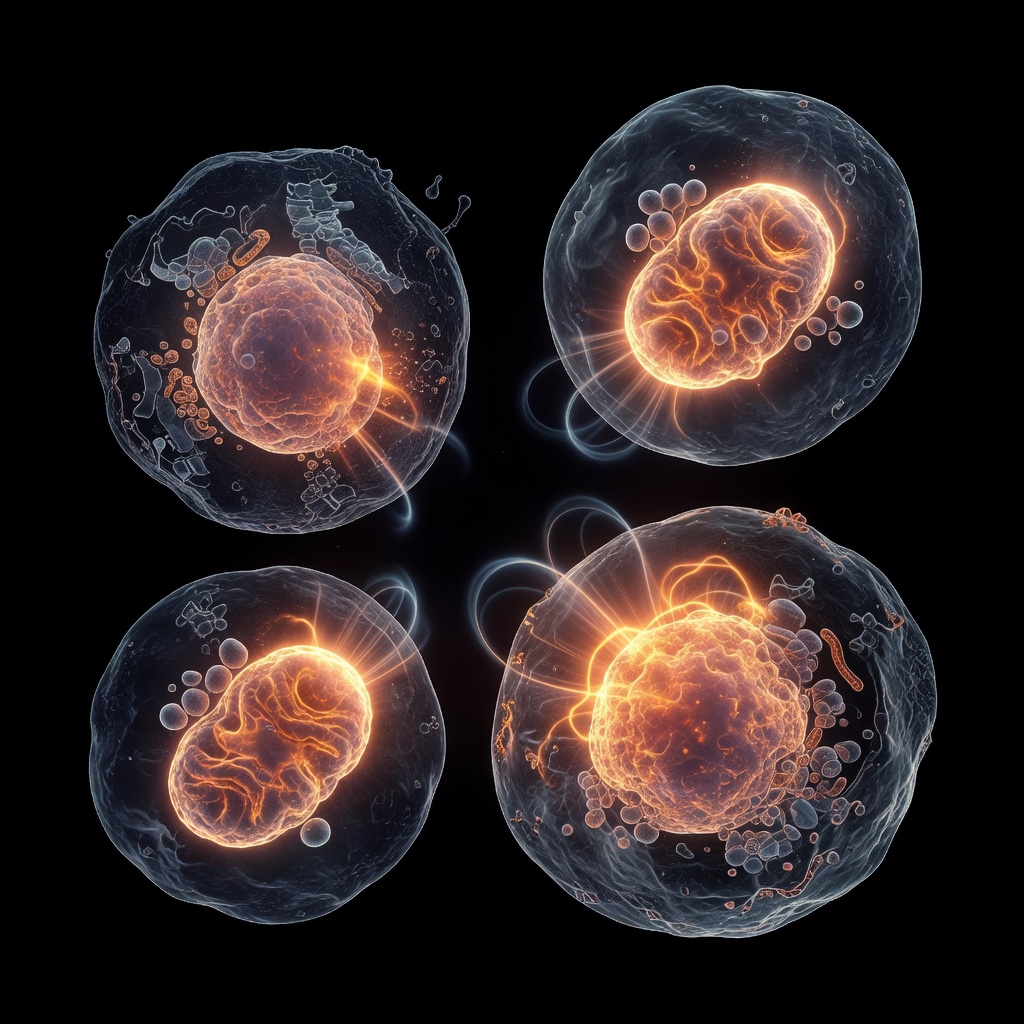
The modern medical landscape is currently grappling with a silent epidemic. Millions of individuals globally, and specifically across the United Kingdom, are reporting a constellation of symptoms—cognitive impairment, chronic fatigue, "brain fog", and mood dysregulation—following what were often considered "routine" viral infections. While conventional clinical diagnostics frequently return "normal" results, the biological reality is far more complex. We are witnessing the aftermath of Post-Viral Neuroinflammation, a state where the brain’s internal immune system becomes trapped in a cycle of chronic activation.
To truly understand why the mind feels clouded long after the cough has vanished, we must look beneath the surface of the skull at the primary orchestrators of cerebral health: the Microglia.
The Sentinel Cells: Understanding Microglial Activation
The brain was long considered an "immunologically privileged" site, supposedly shielded from the chaotic immune responses of the body. We now know this is a fallacy. The brain is intimately connected to the systemic immune system, and the Microglia are the gatekeepers of this relationship.
What are Microglia?
Microglia are the resident innate immune cells of the Central Nervous System (CNS). Accounting for approximately 10-15% of all cells within the brain, they act as the first and main form of active immune defence. In a healthy state, microglia are "resting" or "surveying," using long, branching processes to monitor the microenvironment for cellular debris or pathogens.
The Phenomenon of Microglial Priming
The danger arises through a process known as Microglial Priming. When a systemic infection occurs—be it influenza, Epstein-Barr, or SARS-CoV-2—the peripheral immune system releases a flood of pro-inflammatory signalling molecules called cytokines.
These signals can reach the brain via several pathways, effectively "alerting" the microglia. If the systemic inflammation is severe or prolonged, the microglia do not just react; they change their functional state. They become "primed." A primed microglial cell is hypersensitive; even after the initial virus is cleared, these cells remain in a state of high alert, ready to overreact to the slightest subsequent stressor.
Key Fact: Once microglia are primed, they shift from an M2 (neuroprotective/repair) phenotype to an M1 (pro-inflammatory) phenotype. In this state, they release neurotoxic factors, including nitric oxide and reactive oxygen species (ROS), which can damage healthy neurons.
Biological Mechanisms: How Peripheral Viruses Inflame the Brain
How does a virus in the lungs or the gut cause inflammation in the prefrontal cortex? There are three primary mechanisms through which systemic infection breaches the sanctuary of the brain.
1. The Humoral Pathway (BBB Compromise)
The Blood-Brain Barrier (BBB) is a highly selective semipermeable border that prevents solutes in the circulating blood from non-selectively crossing into the CNS. However, systemic "cytokine storms" can increase the permeability of the BBB. When the "leaky brain" phenomenon occurs, pro-inflammatory cytokines such as IL-6, IL-1β, and TNF-alpha spill into the brain parenchyma, directly activating microglial receptors.
2. The Neural Pathway (The Vagus Nerve)
The Vagus Nerve acts as a high-speed information superhighway between the visceral organs and the brain. Sensory fibres of the vagus nerve possess receptors for pro-inflammatory cytokines. During a systemic infection, the vagus nerve detects peripheral inflammation and transmits "danger signals" to the nucleus tractus solitarius in the brainstem. This triggers a mirror inflammatory response within the brain, activating microglia even if the virus itself never crosses the BBB.
3. The Cellular Pathway (Leukocyte Infiltration)
In cases of severe systemic infection, peripheral immune cells, such as T-cells and monocytes, can actually migrate into the brain tissue. Once inside, they secrete additional inflammatory signals that keep microglia in a persistent state of chronic activation, leading to what is often described as "neuro-inflammation that won't turn off."
The UK Context: A Perfect Storm for Chronic Inflammation
In the United Kingdom, the prevalence of post-viral syndromes, including Myalgic Encephalomyelitis (ME/CFS) and Long COVID, has reached unprecedented levels. The British lifestyle and environment contribute significantly to the "priming" of our collective nervous systems.
The Vitamin D Deficiency Crisis
Due to our northern latitude and lack of consistent sunlight, a vast majority of the UK population is chronically deficient in Vitamin D. Vitamin D is not merely a vitamin; it is a potent neuro-steroid that modulates microglial activity. Without adequate levels, the brain loses one of its primary "brakes" on inflammation.
The "Stiff Upper Lip" and Cortisol
The cultural propensity to "soldier on" through illness often means the body is never granted the necessary period of convalescence. High levels of cortisol (the stress hormone) initially suppress inflammation, but chronic stress leads to glucocorticoid resistance. This means that the brain's immune cells eventually stop responding to the "calm down" signals of cortisol, leading to runaway neuroinflammation.
Key Fact: Data from the Office for National Statistics (ONS) suggests that over 2 million people in the UK are currently experiencing self-reported Long COVID, with cognitive impairment ("brain fog") being one of the most debilitating symptoms.
Environmental Factors: Fertilisers for the Fire
Neuroinflammation does not happen in a vacuum. Various environmental "hits" can pre-prime the microglia, making a viral infection the "final straw" that breaks the neurological camel's back.
- Ultra-Processed Foods (UPFs): The British diet is among the highest in Europe for UPF consumption. These "foods" promote systemic inflammation and gut dysbiosis, which directly influences brain health via the gut-brain axis.
- Air Pollution: Particulate matter (PM2.5) found in high concentrations in cities like London and Manchester can be inhaled and travel directly to the brain via the olfactory bulb, providing a constant baseline of microglial irritation.
- Glyphosate and Pesticides: Exposure to agricultural chemicals can disrupt the integrity of both the gut lining and the blood-brain barrier, making it easier for viral by-products to enter the CNS.
Protective Strategies: Calming the Cranial Storm
The goal of post-viral recovery is to transition microglia from their aggressive M1 state back to their helpful, surveying M2 state. This requires a multi-faceted approach focused on neuro-immunomodulation.
1. Nutritional Intervention and Polyphenols
Specific phytonutrients have the ability to cross the BBB and inhibit microglial activation.
- Luteolin & Quercetin: These flavonoids are potent inhibitors of microglial cytokine release.
- Omega-3 Fatty Acids (DHA/EPA): Essential for resolving inflammation and repairing neuronal membranes.
- Curcumin: Known for its ability to inhibit the NF-kB pathway, a primary switch for inflammation within the cell.
2. Vagus Nerve Stimulation (VNS)
Activating the "parasympathetic" branch of the nervous system can send "safety" signals to the brain. Techniques include deep diaphragmatic breathing, cold water immersion (face dunking), and even humming or chanting, which physically vibrates the vagus nerve.
3. Optimising the Glymphatic System
The brain has its own waste-clearance system called the Glymphatic System, which primarily functions during deep sleep. To "wash" the brain of inflammatory by-products, one must prioritise 7–9 hours of high-quality sleep. Using "blue light" filters and avoiding screens before bed is essential in the digital age.
4. Autophagy through Fasting
Autophagy is the body’s way of cleaning out damaged cells. Time-restricted feeding (e.g., a 16:8 window) can help reduce systemic inflammation and may encourage the turnover of "senescent" or dysfunctional microglial cells.
Key Takeaways: Reclaiming Cognitive Sovereignty
Post-viral neuroinflammation is not a psychological failing; it is a physiological entrapment. When we understand that our "brain fog" is the result of microglial activation, we can move away from antidepressants and towards neuro-protective strategies.
- Microglia are the key: These cells dictate the inflammatory tone of the brain.
- Priming is the problem: Previous infections, toxins, and stress "prime" these cells to overreact.
- The Barrier is vital: Protecting the Blood-Brain Barrier is the first line of defence against systemic storms.
- UK-specific risks: Addressing Vitamin D deficiency and UPF consumption is non-negotiable for the British public.
- Recovery is possible: Through targeted nutrition, vagal tone improvement, and restorative sleep, we can encourage microglia to return to their protective roles.
In the aftermath of systemic infection, the "Innerstanding" of our biological mechanisms is our greatest tool. We must stop viewing the brain as separate from the body and start treating it as the sensitive, responsive organ it truly is. Only by calming the internal fire of neuroinflammation can we hope to restore the clarity, vitality, and cognitive sovereignty that is our birthright.
This article is provided for informational and educational purposes only. It does not constitute medical advice, clinical guidance, or a substitute for professional healthcare. Information reflects cited research at time of publication. Always consult a qualified healthcare professional before acting on any health information.
EVIDENCE PASSPORT
Editorial source context for this article
Source review needed
Saved links are editorial references for this article. They may support specific claims rather than every sentence. Open and assess each source in context. This passport does not independently verify them.
Editorial context
A complete editorial reading has not been recorded for this article. Source links remain available for you to open and assess directly.
Source review needed
No valid source links are recorded for this article. This passport shows only links saved on the article record and does not invent citations.
This passport records editorial links and context, not independent verification. Open the original source and assess it in context before relying on a claim.
Medical Disclaimer
The information in this article is for educational purposes only and does not constitute medical advice, diagnosis, or treatment. Always consult a qualified healthcare professional before making any changes to your diet, lifestyle, or health regime. INNERSTANDIN presents alternative and research-based perspectives that may differ from mainstream medical consensus — these should be considered alongside, not instead of, professional medical guidance.
Read Full DisclaimerContinue the thread
Keep this question moving.
Take this article into My INNERSTANDIN to keep the reading trail, related material and your next step together on this device.
Explore this in the Body Map
See where this hits your biology. Interactive anatomy, threats, and protective protocols.
Dig deeper in the Library
Free, longform PDF volumes that go beyond headlines into mechanisms and references.