
Porphyromonas gingivalis: The Trojan Horse in the Alzheimer’s Brain
Discuss this resourcePublished April 2026
This investigative report examines the translocation of the keystone periodontal pathogen Porphyromonas gingivalis across the blood-brain barrier. We explore the role of gingipains in neurotoxicity and how the amyloid-beta cascade may actually represent a failed antimicrobial response to oral dysbiosis. By understanding the oral-brain axis, we shift the focus from symptomatic amyloid management to upstream microbial eradication.
Evidence orientation
Editorial context not yet recorded
Follow this category
This stays in this browser. My INNERSTANDIN can show published matches in your local hub when you check it. It does not send email, push, or alert notifications.
Local learning review
A private browser aid for revisiting ideas. It is not an alert or a health recommendation.
Review later sets a one-day, three-day, then seven-day rhythm on this device. Choose it only when you want to revisit this article.
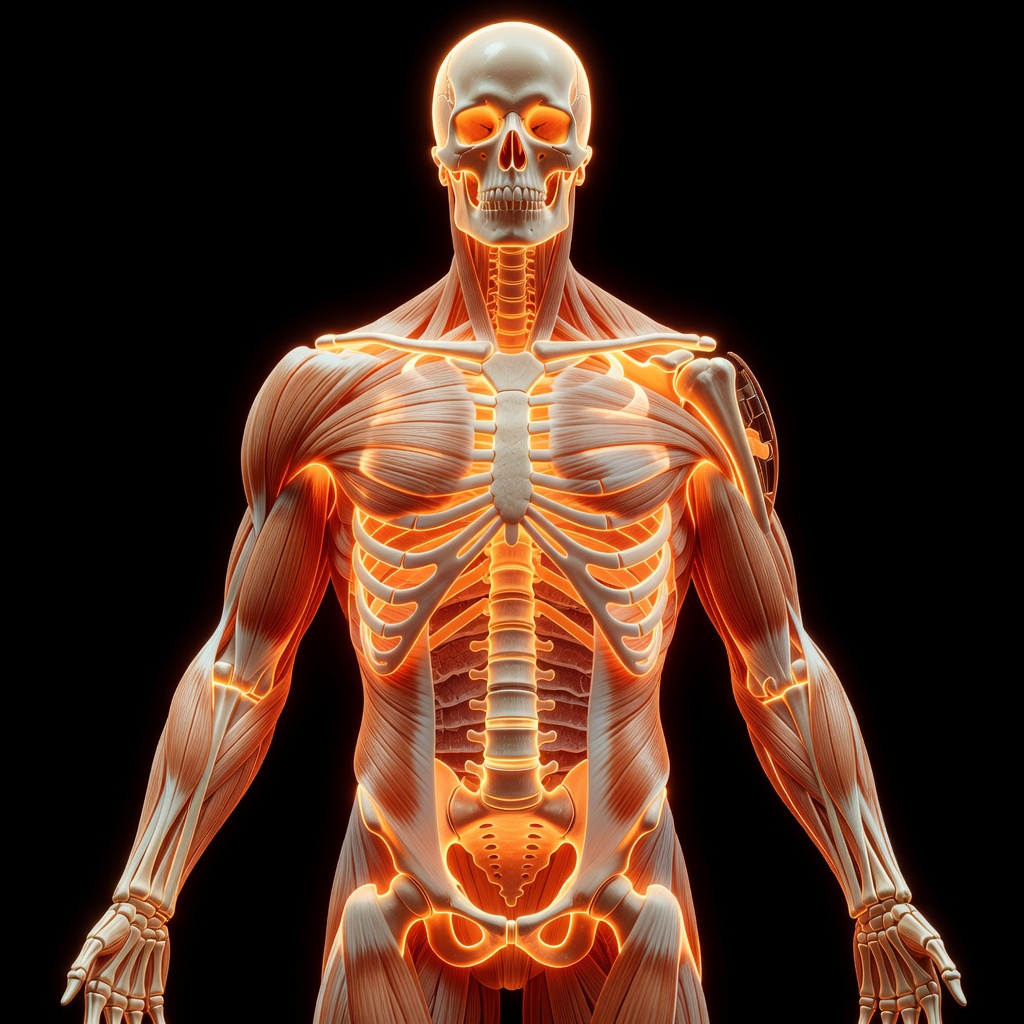
The prevailing 'amyloid hypothesis' of Alzheimer's disease (AD) has dominated the neurological field for decades, yet clinical trials targeting amyloid-beta plaques have consistently failed to improve cognitive outcomes. At INNERSTANDING, we look deeper into the biological drivers that trigger these plaques in the first place. Emerging evidence suggests that AD is not merely a protein-folding disorder but may be a chronic, low-grade inflammatory response to microbial invasion. Central to this investigation is Porphyromonas gingivalis (Pg), a Gram-negative anaerobic bacterium primarily associated with chronic periodontitis. The mechanism of translocation is sophisticated; Pg utilizes its specialized proteases, known as gingipains (RgpA, RgpB, and Kgp), to degrade host cell membranes and bypass the blood-brain barrier (BBB).
Once inside the brain parenchyma, these gingipains act as neurotoxins, cleaving tau proteins—a hallmark of AD-related neurofibrillary tangles—and inducing microglial activation. A landmark 2019 study published in Science Advances identified gingipains in 96% of brain samples from AD patients. Perhaps most revolutionary is the perspective that amyloid-beta is not the 'enemy' but an antimicrobial peptide produced by the brain to trap invading Pg. When the oral-systemic barrier is compromised, the constant influx of Pg overwhelms this defense mechanism, leading to the collateral damage we define as dementia. Conventional medicine often treats the mouth and the brain as separate systems, yet the anatomical proximity and the lymphatic drainage routes suggest they are deeply integrated.
Environmental factors such as the overuse of broad-spectrum antibiotics and the use of fluoride-heavy toothpastes may inadvertently contribute to oral dysbiosis, allowing the 'Red Complex' of pathogens to flourish. To protect the brain, one must first protect the gingival crevice. Practical takeaways include high-resolution oral microbiome testing to detect Pg loads, the use of oral probiotics such as Streptococcus salivarius M18 to displace pathogens, and the support of the salivary buffering system through mineral-dense nutrition.
This article is provided for informational and educational purposes only. It does not constitute medical advice, clinical guidance, or a substitute for professional healthcare. Information reflects cited research at time of publication. Always consult a qualified healthcare professional before acting on any health information.
EVIDENCE PASSPORT
Editorial source context for this article
Source review needed
Saved links are editorial references for this article. They may support specific claims rather than every sentence. Open and assess each source in context. This passport does not independently verify them.
Editorial context
A complete editorial reading has not been recorded for this article, and no source links are saved on its record.
Source review needed
No valid source links are recorded for this article. Supplementary research, where available, is listed separately below.
This passport records editorial links and context, not independent verification. Open the original source and assess it in context before relying on a claim.
Medical Disclaimer
The information in this article is for educational purposes only and does not constitute medical advice, diagnosis, or treatment. Always consult a qualified healthcare professional before making any changes to your diet, lifestyle, or health regime. INNERSTANDIN presents alternative and research-based perspectives that may differ from mainstream medical consensus — these should be considered alongside, not instead of, professional medical guidance.
Read Full DisclaimerContinue the thread
Keep this question moving.
Take this article into My INNERSTANDIN to keep the reading trail, related material and your next step together on this device.
Explore this in the Body Map
Explore related body structures and their educational pages in the interactive Body Map.
Dig deeper in the Library
Free, longform PDF volumes that go beyond headlines into mechanisms and references.