All INNERSTANDIN content is for educational purposes only — not medical advice, diagnosis or treatment. Full Disclaimer →

    BACK TO DATABASE
    TAGGED RESEARCH

    #brain

    4TRANSMISSIONS FOUND
    N
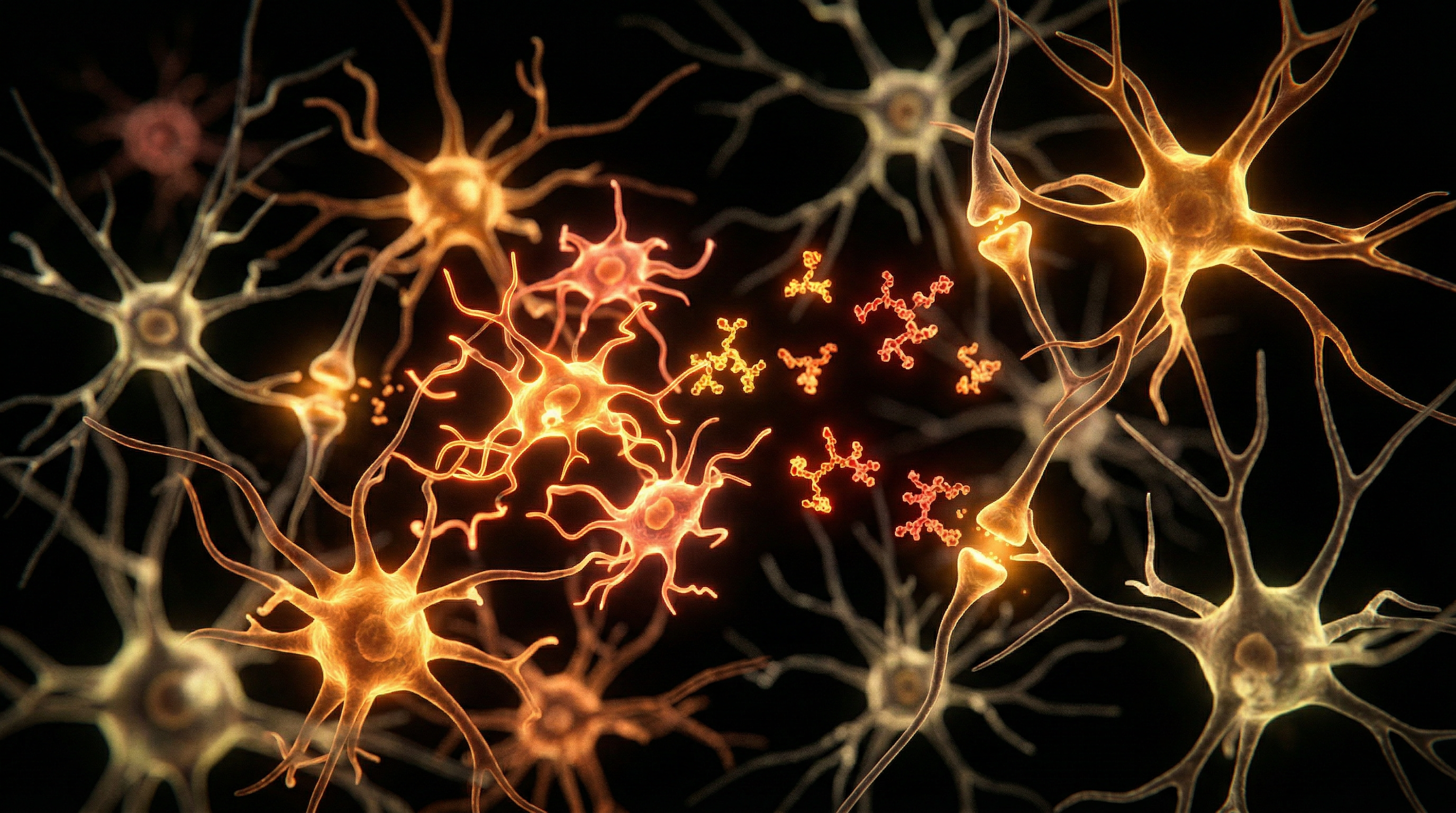
    Scientific illustration for Neuroinflammation: The Biological Root of Mental Illness
    Immune System
    12 MIN READ

    Neuroinflammation: The Biological Root of Mental Illness

    Neuroinflammation — the activation of the brain's resident immune cells, the microglia, in response to blood-brain barrier disruption, systemic inflammatory signals, heavy metal accumulation, viral or bacterial insult, or oxidative stress — is now recognised by leading neuroscientists as the primary biological driver of depression, anxiety disorders, bipolar disorder, schizophrenia, and the majority of conditions currently categorised as psychiatric illness. Pro-inflammatory cytokines including IL-1β, IL-6, and TNF-α cross the blood-brain barrier and directly inhibit tryptophan hydroxylase (reducing serotonin synthesis), disrupt dopamine signalling, and impair hippocampal neurogenesis — the biological mechanisms of the mood disorders for which the NHS prescribes SSRIs and antipsychotics without addressing the underlying inflammatory aetiology. This paradigm shift from chemical imbalance to immune-inflammatory models of mental illness has profound and largely unimplemented implications for psychiatry.

    #neuroinflammation#microglia
    H
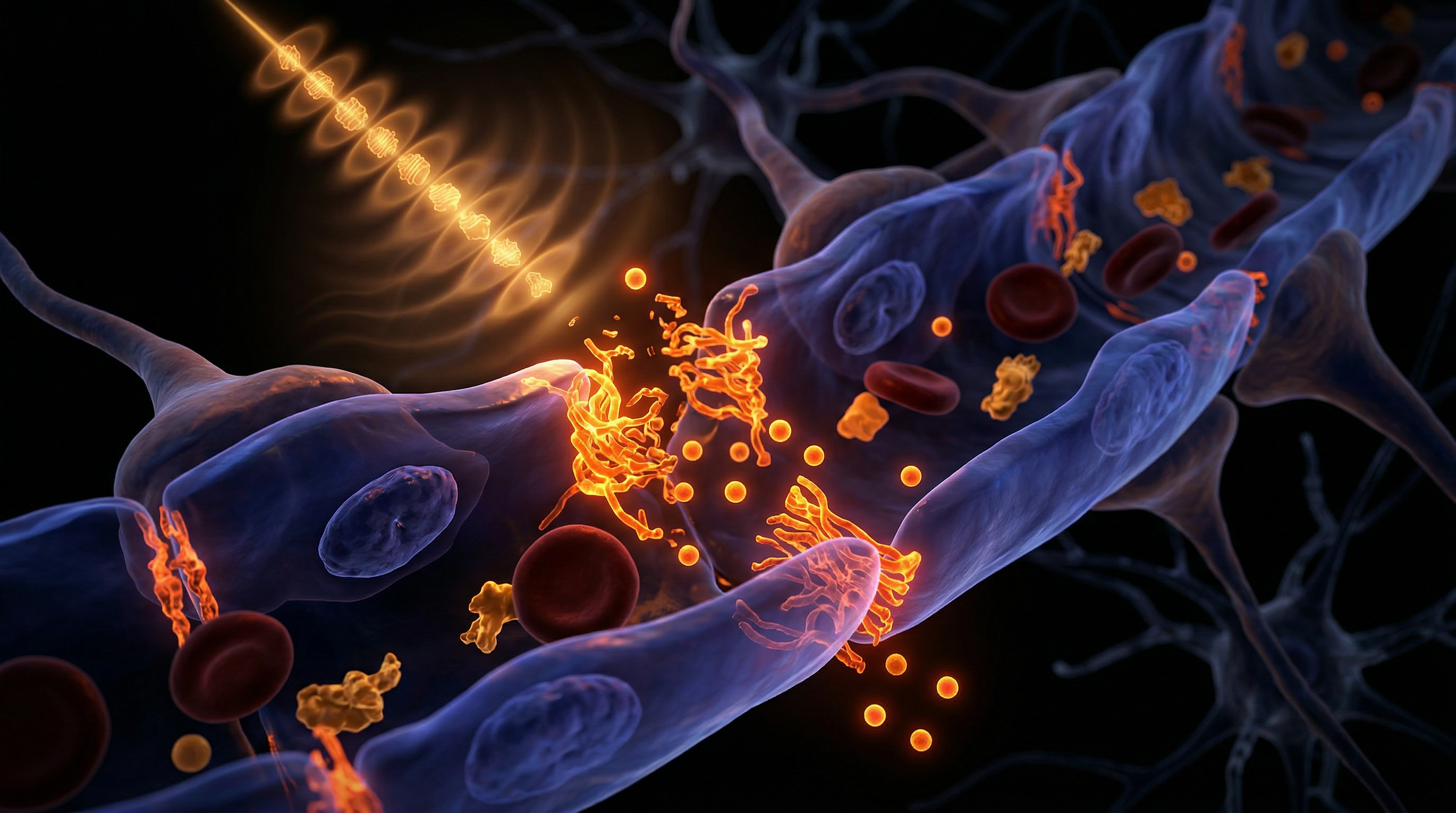
    Scientific illustration for Heavy Metals in the Brain: Aluminium, Mercury & Neurodegeneration
    Nervous System
    15 MIN READ

    Heavy Metals in the Brain: Aluminium, Mercury & Neurodegeneration

    The accumulation of neurotoxic heavy metals — particularly aluminium, mercury, lead, and arsenic — in brain tissue represents one of the most well-documented yet most clinically underaddressed drivers of the neurodegeneration epidemic afflicting the UK population. Professor Christopher Exley's landmark research demonstrated extraordinarily high aluminium concentrations in the brain tissue of familial Alzheimer's patients; a major 2018 study found aluminium in brain tissue from every individual with autism spectrum disorder examined; and mercury's specific affinity for neuronal thiol groups drives the excitotoxic and inflammatory cascades that underlie both acute neurotoxicity and progressive neurodegeneration. The NHS's near-complete absence of heavy metal screening in neurological practice, despite the strength of this evidence base, represents a catastrophic failure of evidence-based medicine in the context of the greatest neurodegeneration epidemic in human history.

    #heavy metals#aluminium