Heavy Metals in the Brain: Aluminium, Mercury & Neurodegeneration
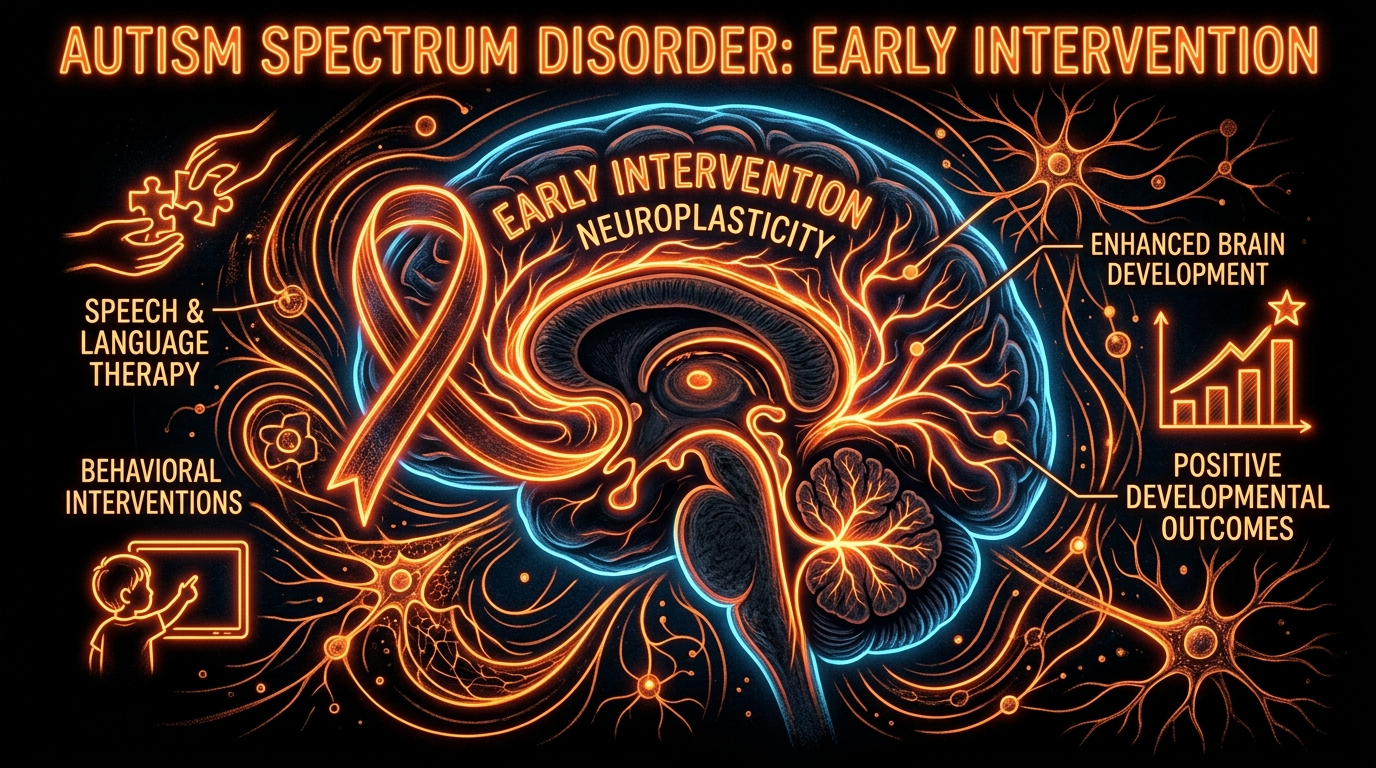
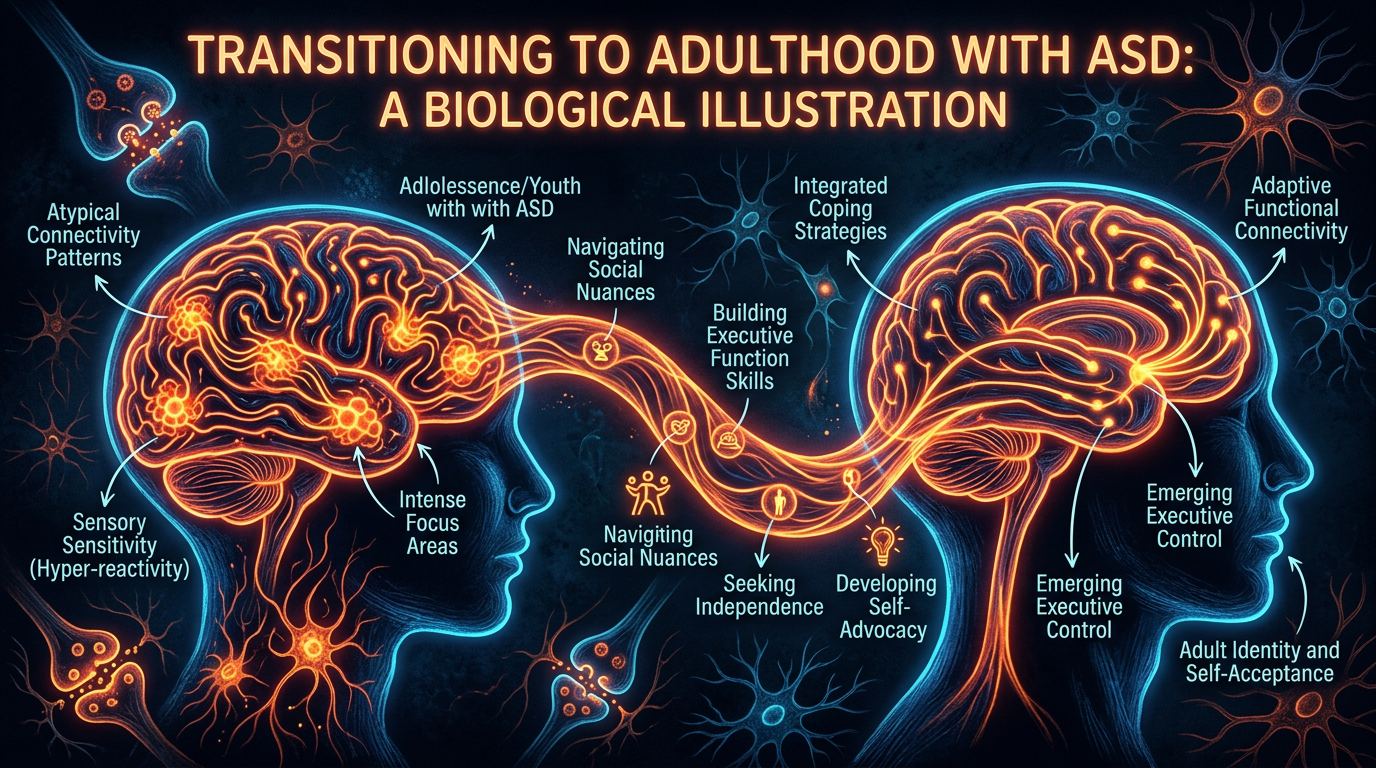
The accumulation of neurotoxic heavy metals — particularly aluminium, mercury, lead, and arsenic — in brain tissue represents one of the most well-documented yet most clinically underaddressed drivers of the neurodegeneration epidemic afflicting the UK population. Professor Christopher Exley's landmark research demonstrated extraordinarily high aluminium concentrations in the brain tissue of familial Alzheimer's patients; a major 2018 study found aluminium in brain tissue from every individual with autism spectrum disorder examined; and mercury's specific affinity for neuronal thiol groups drives the excitotoxic and inflammatory cascades that underlie both acute neurotoxicity and progressive neurodegeneration. The NHS's near-complete absence of heavy metal screening in neurological practice, despite the strength of this evidence base, represents a catastrophic failure of evidence-based medicine in the context of the greatest neurodegeneration epidemic in human history.