
How Adaptive Immunity Stores the Memory of Every Pathogen You Face
Updated May 2026
The adaptive immune system provides a sophisticated, long-term defense mechanism that learns and remembers specific invaders. This article explores the intricate roles of B and T lymphocytes in creating immunological memory and protecting the body against recurring threats.
Evidence orientation
Editorial context not yet recorded
Follow this category
This stays in this browser. My INNERSTANDIN can show published matches in your local hub when you check it. It does not send email, push, or alert notifications.
Local learning review
A private browser aid for revisiting ideas. It is not an alert or a health recommendation.
Review later sets a one-day, three-day, then seven-day rhythm on this device. Choose it only when you want to revisit this article.
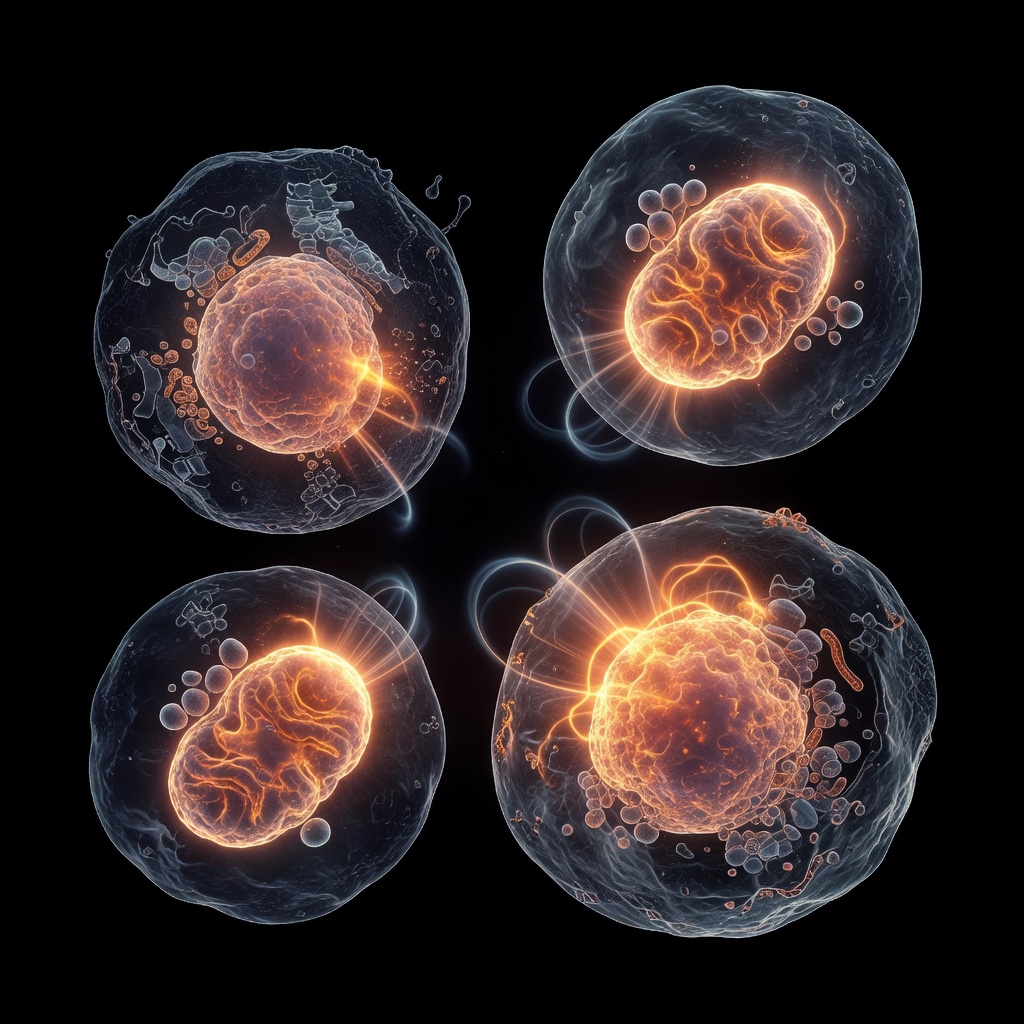
The human body is an architectural marvel, but its most profound complexity lies not in the visible structures of bone and muscle, but in the invisible, microscopic intelligence of the adaptive immune system. This system is not merely a reactive shield; it is a sophisticated, living library of every biological threat you have ever encountered. While the innate immune system acts as the first-line "infantry"—brute, immediate, and non-specific—the adaptive system functions as the "intelligence agency," meticulously documenting the chemical signature of invaders to ensure that, should they ever return, their defeat is swift, absolute, and often entirely silent.
At INNERSTANDING, we believe that true health begins with a radical understanding of these internal mechanisms. The mainstream narrative often portrays the body as a fragile vessel perpetually in need of external chemical intervention. However, a deeper look into immunological memory reveals a system of such staggering efficiency and foresight that it challenges our modern reliance on synthetic bypasses. This article explores the cellular orchestration of the B and T lymphocytes, the genetic sorcery of V(D)J recombination, and the environmental factors that either fortify or fracture this vital biological ledger.
Overview
The adaptive immune system is defined by two primary characteristics: specificity and memory. Unlike the innate system, which recognises broad patterns common to many pathogens (Pathogen-Associated Molecular Patterns or PAMPs), the adaptive system identifies unique molecular sequences known as epitopes. These are the specific "fingerprints" of a virus, bacterium, or parasite.
When a novel pathogen enters the body, the adaptive system undergoes a primary response. This is a period of intense cellular learning. It is why the first time you contract a specific strain of influenza, you feel significantly ill; your body is literally building the machinery required to fight it from scratch. However, the true genius of the system is the secondary response. Once the threat is neutralised, the body does not simply discard the blueprints for the "weapons" it created. Instead, it archives them in the form of Memory B cells and Memory T cells.
It is estimated that the adaptive immune system can generate over 10 quintillion (10^19) unique antigen receptors, allowing the body to recognise virtually any organic molecular structure that exists, or will ever exist, on Earth.
This archive allows the body to bypass the "learning phase" during subsequent exposures. If the same pathogen returns months or even decades later, the memory cells recognise it instantly, proliferating at a rate that is orders of magnitude faster than the initial response. This is the biological basis of lifelong immunity. In this article, we will peel back the layers of this process, exposing the molecular pathways that make us resilient and the modern disruptors that threaten this ancient inheritance.
##
The Biology — How It Works
The genesis of immunological memory begins in the primary lymphoid organs: the bone marrow and the thymus. It is here that the protagonists of our story, the lymphocytes, are born and "educated."
The Birth of Diversity: V(D)J Recombination
To understand how the body "remembers" everything, we must first understand how it prepares for anything. Every B and T cell possesses a unique receptor on its surface. If our genome were a fixed set of instructions, we would only have enough DNA to code for a few thousand receptors—hardly enough to face the millions of evolving pathogens in our environment.
The body solves this through a process called Somatic Recombination or V(D)J Recombination. During lymphocyte development, specific gene segments—Variable (V), Diversity (D), and Joining (J)—are randomly shuffled and spliced together by enzymes known as RAG1 and RAG2 (Recombination-Activating Genes). This genetic "shuffling of the deck" creates a nearly infinite variety of receptor shapes.
The Educational Filter: Central Tolerance
Because this process is random, some lymphocytes inevitably develop receptors that target the body's own tissues. To prevent autoimmunity, these cells must be eliminated. In the thymus, T cells undergo a rigorous testing process. Those that react too strongly to "self-antigens" are forced into apoptosis (programmed cell death). This ensures that the adaptive memory is reserved strictly for external threats, a process known as Central Tolerance.
The Antigen Encounter
When a pathogen breaches the innate defences, it is captured by Antigen-Presenting Cells (APCs), such as dendritic cells. These APCs travel to the lymph nodes, carrying fragments of the invader. Here, they "present" these fragments to "naive" T and B cells. A naive cell is one that has been created but has not yet met its specific match. When a naive cell’s receptor perfectly fits the presented antigen—much like a key fitting a lock—the cell is "activated."
##
Mechanisms at the Cellular Level
Once activation occurs, the system shifts from a state of surveillance to one of rapid industrial production. This involves a complex interplay between different cellular subsets, each with a distinct role in creating the memory archive.
B Lymphocytes: The Antibody Factories
B cells are responsible for humoral immunity. Once activated, a B cell undergoes Clonal Expansion, dividing rapidly into two types of cells:
- Plasma Cells: These are short-lived effectors that secrete massive quantities of antibodies (immunoglobulins). These antibodies circulate in the blood and lymph, binding to pathogens to neutralise them or "tag" them for destruction by other immune cells.
- Memory B Cells: These are the "historians." They do not participate in the immediate fight but instead retreat into the bone marrow and lymphoid tissues. They possess high-affinity receptors and can survive for decades, waiting for the pathogen's return.
A critical process here is Somatic Hypermutation (SHM). As B cells proliferate, they intentionally introduce mutations into their own receptor genes. The cells with the "best fit" for the pathogen are selected to survive, a process called Affinity Maturation. This ensures that the memory stored is of the highest possible quality.
T Lymphocytes: The Command and Control
T cells govern cell-mediated immunity. They are divided into several key subsets:
- CD4+ Helper T Cells: The "generals." They secrete cytokines (signalling molecules) like Interleukin-2 (IL-2) and Interferon-gamma (IFN-γ), which coordinate the entire immune response.
- CD8+ Cytotoxic T Cells: The "assassins." They identify and destroy host cells that have been hijacked by viruses or have become cancerous. They use specialised proteins called Perforins to punch holes in target membranes and Granzymes to trigger cell suicide.
- Memory T Cells (Tcm and Tem): Like B cells, a subset of T cells persists long after the infection. Central Memory T cells (Tcm) reside in the lymph nodes, ready to proliferate, while Effector Memory T cells (Tem) circulate through the body’s "front lines" (skin, lungs, gut) to provide immediate protection.
The Role of the MHC
Crucial to this recognition is the Major Histocompatibility Complex (MHC). MHC Class I molecules are present on almost all nucleated cells, acting as a "display window" of what is happening inside the cell. MHC Class II molecules are found on professional APCs. Without this intricate "presentation" system, the adaptive memory would be blind to intracellular threats.
##
Environmental Threats and Biological Disruptors
The integrity of our immunological memory is not guaranteed. It is a biological system that requires specific inputs and is highly susceptible to modern environmental toxicity. In the UK, we are witnessing a precipitous rise in immune-related disorders, which can be linked directly to the degradation of our biological terrain.
Endocrine Disruptors and Immunotoxicity
Chemicals such as Bisphenol A (BPA), Phthalates, and PFAS (per- and polyfluoroalkyl substances)—often called "forever chemicals"—are ubiquitous in our water supply and food packaging. These substances interfere with the signalling pathways required for lymphocyte activation. Research indicates that PFAS can significantly blunt the body's ability to form long-term antibodies, effectively "erasing" or preventing the formation of immunological memory.
The Glyphosate Crisis
In the UK, the widespread use of Glyphosate-based herbicides in industrial agriculture poses a direct threat to the gut microbiome. Since approximately 70-80% of the immune system resides in the Gut-Associated Lymphoid Tissue (GALT), a disrupted microbiome leads to systemic immune dysregulation. Glyphosate acts as a patented antibiotic, destroying the beneficial bacteria that train our T-regulatory cells to distinguish between friend and foe.
Nutritional Depletion
The modern British diet, dominated by Ultra-Processed Foods (UPFs), is fundamentally deficient in the micronutrients required for V(D)J recombination and clonal expansion.
- Vitamin D3: Acts as a pro-hormone that modulates the adaptive response. UK residents are chronically deficient due to lack of sunlight, leading to a "sluggish" memory response.
- Zinc: Essential for the function of Thymulin, a hormone produced by the thymus that governs T-cell maturation.
- Selenium: Critical for the production of Glutathione Peroxidase, which protects lymphocytes from oxidative damage during an active infection.
According to data from the Food Standards Agency (FSA), over 50% of the UK diet now consists of ultra-processed foods, which lack the essential enzyme co-factors needed for robust lymphocyte function.
##
The Cascade: From Exposure to Disease
To truly appreciate the adaptive memory, one must observe the timeline of an infection. Let us trace the cascade of a viral exposure, such as a common respiratory virus.
Phase 1: The Initial Breach (Days 0-3)
The virus enters the respiratory epithelium. The innate system (macrophages and neutrophils) attempts to contain it. This creates inflammation—sore throat, fever, mucus. If the innate system fails to clear the load, the "alarm" is sent to the lymph nodes.
Phase 2: The Adaptive Mobilisation (Days 4-10)
Dendritic cells present viral antigens to naive T cells. This is the "lag phase." The body is searching for the right "key." Once found, the chosen T and B cells begin to clone themselves. Millions of identical cells are produced. This takes time, which is why symptoms often worsen during this week.
Phase 3: The Climax and Clearance (Days 10-14)
Antibodies saturate the blood. Cytotoxic T cells hunt down infected cells. The viral load plummets. This is the transition from IgM (the early, "clunky" antibody) to IgG (the refined, high-precision antibody).
Phase 4: The Archive (Weeks 3+)
The majority of the effector cells die off via apoptosis to prevent systemic exhaustion. However, a small, elite fraction remains. These are your Memory Cells. They migrate to the "sentinel" positions in the body. If that same virus is inhaled again, Phase 2 is skipped entirely. The memory cells jump straight to Phase 3, clearing the virus in hours rather than days, often before you even feel a single symptom.
##
What the Mainstream Narrative Omits
The orthodox medical establishment, particularly within the UK’s NHS and the MHRA, often promotes a simplified version of immunity that centres almost exclusively on pharmaceutical intervention. However, there are critical biological truths that are frequently sidelined.
Original Antigenic Sin (OAS)
Also known as Immune Imprinting, this is a phenomenon where the body’s first encounter with a pathogen permanently shapes its future responses. If the first exposure is to a specific strain (or a synthetic representation of it), the memory cells may become "locked" into that specific response. If the pathogen subsequently mutates, the adaptive system may stubbornly continue to produce antibodies for the original strain, even if they are no longer effective. This can lead to a "blind spot" in the immunological memory, a concept rarely discussed in public health campaigns.
The Role of Natural Exposure
The "Hygiene Hypothesis" suggests that our modern obsession with sterility is weakening our adaptive systems. By not exposing ourselves to the diverse microbial world (soil, animals, raw fermented foods), our T cells never receive the "education" they need. This lack of "training" leads to a confused immune system that begins to attack harmless substances (allergies) or its own tissues (autoimmunity).
Immune Exhaustion and T-cell Senescence
Chronic stress and persistent viral infections (like EBV or CMV) can lead to T-cell exhaustion. In this state, the memory cells are physically present but functionally "burnt out." They express "exhaustion markers" like PD-1, which prevent them from mounting an effective response. The mainstream narrative focuses on "boosting" the immune system, but it fails to address how to restore an exhausted one.
The Lymphatic Pump
The adaptive immune system relies entirely on the lymphatic system to transport APCs and lymphocytes. Unlike the circulatory system, the lymph has no heart to pump it. It relies on muscle contraction and deep breathing. A sedentary lifestyle, common in the UK, leads to "stagnant" lymph, meaning the "intelligence" (antigens) never reaches the "headquarters" (lymph nodes) in time to form a memory.
##
The UK Context
In the United Kingdom, the state of public health reflects a systemic failure to protect the biological integrity of the population's immune systems. The Environment Agency has frequently reported on the "chemical cocktail" present in British rivers, including residues from pharmaceutical drugs and agricultural runoff.
- The MHRA's Role: While the Medicines and Healthcare products Regulatory Agency (MHRA) oversees the safety of interventions, there is a distinct lack of long-term studies on how cumulative environmental toxins affect the epigenetics of our B and T cells.
- The NHS Burden: The NHS is currently overwhelmed by "Type 2" inflammatory conditions—asthma, eczema, and autoimmune thyroiditis. These are all symptoms of an adaptive immune system that has lost its way, unable to properly archive and distinguish threats due to environmental overload.
- Water Quality: In many parts of the UK, tap water contains levels of fluoride and chlorine that, while deemed "safe" by regulatory bodies, have been shown in independent research to alter the delicate balance of the gut microbiome, the very place where our immune memory is "trained."
##
Protective Measures and Recovery Protocols
Understanding the adaptive immune system is the first step; the second is taking radical responsibility for its maintenance. To ensure your "biological library" remains intact and functional, one must adopt a protocol that reduces toxic load and provides the essential building blocks for cellular memory.
1. Micronutrient Fortification
- Optimise Vitamin D3/K2: Target blood levels between 100-150 nmol/L. Vitamin D3 is essential for the "switching on" of the T-cell response.
- Ionic Zinc and Quercetin: Zinc is necessary for the enzyme DNA polymerase, which B cells use to clone themselves. Quercetin acts as an ionophore, shuttling the zinc into the centre of the cell where it is needed.
- Magnesium: Required for over 300 enzymatic reactions, including the repair of DNA after V(D)J recombination.
2. Elimination of Immunotoxins
- Water Filtration: Use a high-quality filter (Reverse Osmosis or Berkey) to remove fluoride, chlorine, and PFAS from UK tap water.
- Organic Sourcing: Prioritise organic produce to avoid glyphosate, which decimate the GALT and disrupt the "training" of T-regulatory cells.
- Avoid UPFs: Eliminate seed oils (omega-6 overload) and refined sugars, which trigger "metabolic endotoxemia," a state of constant low-grade inflammation that exhausts memory cells.
3. Activating the Lymphatic Pump
- Daily Movement: Rebounding (jumping on a mini-trampoline) is the most effective way to stimulate lymph flow.
- Cold Exposure: Short bursts of cold water (hydrotherapy) trigger the contraction of lymph vessels, flushing "spent" cells and debris out of the system.
- Deep Diaphragmatic Breathing: The movement of the diaphragm acts as a physical pump for the thoracic duct, the main channel of the lymphatic system.
4. Microbiome Restoration
- Fermented Foods: Incorporate unpasteurised sauerkraut, kefir, and kimchi. These provide the "diverse inputs" the adaptive system needs to remain sharp.
- Polyphenols: Consume dark berries and green tea. Polyphenols act as prebiotics that favour the growth of Akkermansia muciniphila, a bacterium crucial for maintaining the gut barrier and preventing "leaky gut" (the primary driver of immune confusion).
##
Summary: Key Takeaways
The adaptive immune system is the most advanced defence mechanism on the planet, a product of millions of years of evolutionary refinement. It is your body’s internal biographer, recording every encounter to ensure your future survival.
- V(D)J Recombination allows for a nearly infinite variety of immune receptors, ensuring the body can recognise any pathogen.
- Memory B and T Cells provide long-term, often lifelong, protection by archiving the "blueprints" of defeated invaders.
- Affinity Maturation is a process of biological "fine-tuning," ensuring that the antibodies of the second response are even more effective than the first.
- Environmental Toxins like glyphosate and PFAS, combined with the UK's high intake of ultra-processed foods, are actively "blunting" this memory.
- Mainstream Omissions like Original Antigenic Sin and the critical role of the lymphatic pump are essential for a complete understanding of true immunity.
- Radical Responsibility through nutrition, filtration, and movement is the only way to preserve this sophisticated biological heritage.
Your adaptive immune system is not a static shield; it is a dynamic, learning intelligence. By understanding its pathways and respecting its requirements, we can reclaim our health from the narratives of fragility and move toward a future of true biological resilience. The truth is not found in a pill or a bottle, but in the staggering, silent wisdom of your own cells.
This article is provided for informational and educational purposes only. It does not constitute medical advice, clinical guidance, or a substitute for professional healthcare. Information reflects cited research at time of publication. Always consult a qualified healthcare professional before acting on any health information.
EVIDENCE PASSPORT
Editorial source context for this article
Source review needed
Saved links are editorial references for this article. They may support specific claims rather than every sentence. Open and assess each source in context. This passport does not independently verify them.
Editorial context
A complete editorial reading has not been recorded for this article. Source links remain available for you to open and assess directly.
Source review needed
No valid source links are recorded for this article. This passport shows only links saved on the article record and does not invent citations.
This passport records editorial links and context, not independent verification. Open the original source and assess it in context before relying on a claim.
Medical Disclaimer
The information in this article is for educational purposes only and does not constitute medical advice, diagnosis, or treatment. Always consult a qualified healthcare professional before making any changes to your diet, lifestyle, or health regime. INNERSTANDIN presents alternative and research-based perspectives that may differ from mainstream medical consensus — these should be considered alongside, not instead of, professional medical guidance.
Read Full DisclaimerContinue the thread
Keep this question moving.
Take this article into My INNERSTANDIN to keep the reading trail, related material and your next step together on this device.
Explore this in the Body Map
See where this hits your biology. Interactive anatomy, threats, and protective protocols.
Dig deeper in the Library
Free, longform PDF volumes that go beyond headlines into mechanisms and references.