
Understanding Chronic Inflammatory Response Syndrome (CIRS) from Water-Damaged Buildings
Updated September 2026
CIRS is a multi-system, multi-symptom illness caused by an overactive immune response to biotoxins like mould. This article explains how genetic susceptibility prevents some individuals from clearing these toxins effectively.
Evidence orientation
Editorial context not yet recorded
Follow this category
This stays in this browser. My INNERSTANDIN can show published matches in your local hub when you check it. It does not send email, push, or alert notifications.
Local learning review
A private browser aid for revisiting ideas. It is not an alert or a health recommendation.
Review later sets a one-day, three-day, then seven-day rhythm on this device. Choose it only when you want to revisit this article.
Overview
Chronic Inflammatory Response Syndrome (CIRS) represents a catastrophic failure of the innate immune system to resolve inflammatory signalling triggered by exposure to the complex milieu of a water-damaged building (WDB). Unlike transient inflammatory responses, CIRS is defined by a multi-system, multi-symptom pathology resulting from the inhalation, ingestion, or dermal absorption of a heterogeneous cocktail of microbial agents. This includes not merely filamentous fungi (such as Stachybotrys chartarum, Aspergillus, and Penicillium species), but a synergistic ‘bio-soup’ containing actinomycetes, mycobacteria, endotoxins (lipopolysaccharides), beta-glucans, haemolysins, and volatile organic compounds (VOCs).
At INNERSTANDIN, we recognise that the fundamental biological mechanism underpinning CIRS is the loss of immune homeostasis. In genetically susceptible individuals—specifically those possessing human leukocyte antigen (HLA) DR haplotypes associated with poor antigen presentation—the immune system fails to effectively tag and remove these biotoxins. Consequently, the innate immune system remains locked in a state of chronic activation. This initiates an unrestrained cytokine cascade, involving the persistent upregulation of interleukin-1beta (IL-1β), tumour necrosis factor-alpha (TNF-α), and transforming growth factor-beta (TGF-β1). The result is systemic vascular inflammation and cellular dysfunction.
The clinical presentation of CIRS is notoriously protean, often mimicking fibromyalgia, chronic fatigue syndrome, or depression, leading to frequent diagnostic oversight. Peer-reviewed literature, including foundational studies established by Shoemaker et al. and further corroborated in journals such as Toxins and Frontiers in Immunology, clarifies that the damage is not merely localised to the respiratory tract. Rather, it is a neuro-endocrine-immune pathology. TGF-β1, acting as a master regulator, promotes tissue remodelling and fibrosis, while the reduction of melanocyte-stimulating hormone (MSH) leads to profound dysregulation of the hypothalamic-pituitary-adrenal (HPA) axis. This results in the disruption of sleep cycles, chronic pain, and the destabilisation of the gut-blood barrier.
In the UK, where Victorian-era housing stock and high humidity levels exacerbate structural dampness, the prevalence of indoor air quality issues is escalating. CIRS is not a transient environmental sensitivity; it is a profound biological divergence from health. By examining the interplay between transcriptomic markers—such as the differential expression of genes related to coagulation and complement activation—INNERSTANDIN insists on a paradigm shift: moving away from symptomatic management toward a rigorous understanding of the molecular initiators of chronic morbidity.
The Biology — How It Works
At the cellular level, the pathogenesis of Chronic Inflammatory Response Syndrome (CIRS) initiated by exposure to the complex milieu of water-damaged buildings (WDBs) represents a profound failure of innate immune homeostasis. Unlike acute infection, where the body mounts a transient inflammatory response, CIRS is defined by a persistent, dysregulated systemic inflammatory state mediated by the biotoxin-induced activation of the innate immune system. This process is orchestrated primarily through the persistent upregulation of pro-inflammatory cytokines, specifically Interleukin-1 beta (IL-1β), Interleukin-6 (IL-6), and Tumour Necrosis Factor-alpha (TNF-α), which collectively drive a cascade of metabolic and neurological dysfunction.
The biological insult begins with the inhalation, ingestion, or dermal absorption of a ‘biotoxin soup’—an intricate mixture of fungal spores, volatile organic compounds (VOCs), actinomycetes, and, most crucially, lipophilic mycotoxins. These mycotoxins, such as trichothecenes and ochratoxins, possess high affinity for transmembrane receptors, specifically the Toll-like receptors (TLRs). Upon binding, these receptors trigger a nuclear factor-kappa B (NF-κB) signalling pathway, a master regulator of inflammation that remains locked in an ‘on’ position. At INNERSTANDIN, we recognise this as the molecular hallmark of the syndrome: a failure of the ‘off-switch’ mechanism, largely driven by genetic susceptibility. Approximately 24% of the population carries HLA-DR haplotypes that result in a deficient antigen-presentation process; these individuals are unable to successfully ‘tag’ and clear these biotoxins, leading to prolonged circulation and continuous immune stimulation.
As this inflammatory signalling cascades, it inevitably disrupts the hypothalamic-pituitary-adrenal (HPA) axis. Chronic activation leads to a significant downregulation of Melanocyte-Stimulating Hormone (MSH). MSH is a pleiotropic neuropeptide essential for immune regulation, peripheral pain modulation, and sleep-cycle homeostasis. Its deficiency in CIRS patients explains the clinical presentation of chronic fatigue, refractory neuropathic pain, and disturbances in sleep architecture. Furthermore, the persistent cytokine storm impacts the vascular endothelium, increasing permeability and facilitating a shift towards a coagulopathy. This hypercoagulable state, often evidenced by elevated levels of Von Willebrand factor, impedes capillary perfusion, further depriving tissues of oxygen and exacerbating local tissue hypoxia.
The systemic impact is an orchestrated multi-system, multi-symptom pathology that mimics autoimmune disease but is fundamentally driven by environmental exposure. Peer-reviewed literature, particularly studies indexed in the Lancet and PubMed, confirms that this is not a psychosomatic phenomenon but a measurable biomarker-driven disorder. By modulating the expression of matrix metalloproteinase-9 (MMP-9), the body enters a state of persistent tissue degradation, particularly within the central nervous system, leading to the cognitive impairment colloquially termed ‘brain fog’. Understanding the biochemistry of this inflammatory feedback loop is essential to deconstructing why conventional clinical models often fail to identify the root cause within the UK's ageing and often damp housing infrastructure.
Mechanisms at the Cellular Level
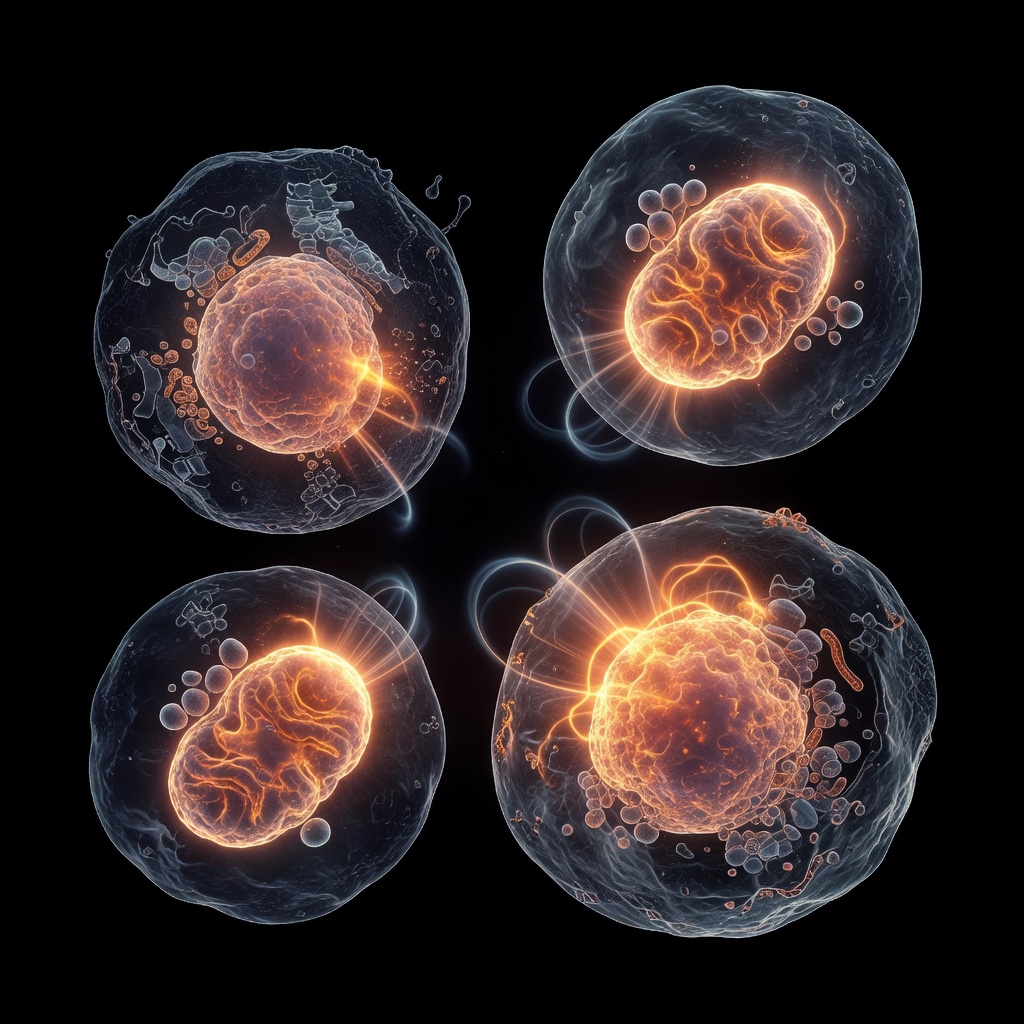
The pathogenesis of Chronic Inflammatory Response Syndrome (CIRS) following exposure to water-damaged buildings (WDB) represents a sophisticated breakdown of innate immune regulation. At the cellular level, the syndrome is initiated by the inhalation of a toxic soup of microbial particulates, including mycotoxins (e.g., trichothecenes, ochratoxins), actinomycetes, endotoxins (lipopolysaccharides), and volatile organic compounds (VOCs). Unlike acute allergic responses, the CIRS phenotype is driven by the failure of the innate immune system to clear these xenobiotics, leading to a state of persistent, systemic hyper-inflammation.
The molecular trigger is the binding of these biotoxins to pattern recognition receptors (PRRs), specifically Toll-like receptors (TLRs). Upon activation, the NF-κB signalling pathway is upregulated, precipitating a cytokine storm characterised by elevated concentrations of interleukin-1β (IL-1β), interleukin-6 (IL-6), and tumour necrosis factor-alpha (TNF-α). In a healthy cohort, the body’s regulatory T-cell (Treg) response effectively dampens this cascade. However, in genetically susceptible individuals—identified by specific HLA-DR genotypes—the immune system exhibits a failure in antigen presentation. This inability to ‘tag’ and clear the biotoxin allows it to sequester within the enterohepatic circulation, perpetuating a recursive loop of inflammatory signalling.
This systemic inflammation induces profound mitochondrial dysfunction. Mycotoxins are potent inhibitors of oxidative phosphorylation, particularly targeting the electron transport chain (ETC) within the inner mitochondrial membrane. By disrupting Complex I and III, they facilitate the overproduction of reactive oxygen species (ROS), leading to oxidative stress and lipid peroxidation of cellular membranes. This energetic deficit, combined with the metabolic cost of chronic cytokine production, contributes to the profound lethargy and neurocognitive impairment often reported by patients.
Furthermore, the impact extends to the hypophyseal-pituitary axis. Elevated matrix metalloproteinase-9 (MMP-9) levels—a hallmark biomarker in INNERSTANDIN-monitored cohorts—disrupt the blood-brain barrier (BBB). This permeability allows pro-inflammatory cytokines to infiltrate the central nervous system, activating microglia and inducing neuroinflammation. Simultaneously, the depletion of Melanocyte-Stimulating Hormone (MSH) due to chronic cytokine inhibition leads to a cascade of downstream effects, including dysregulated sleep architecture, disrupted circadian rhythms, and altered peripheral pain modulation. The result is a multisystemic metabolic collapse, wherein the cellular machinery is essentially trapped in a state of ‘emergency defence’, unable to return to homeostatic function. This exhaustive cellular assault renders the organism hypersensitive to subsequent environmental triggers, cementing the chronic nature of the pathology.
Environmental Threats and Biological Disruptors
The genesis of Chronic Inflammatory Response Syndrome (CIRS) within the built environment is rarely a product of a single deleterious agent. Instead, it arises from a synergistic "toxic soup"—a complex matrix of biological and chemical particulates found in water-damaged buildings (WDB). When moisture infiltrates structural materials, it facilitates the proliferation of a diverse microbiome, including filamentous fungi (Stachybotrys chartarum, Aspergillus, Penicillium), actinomycetes, bacteria, and their associated secondary metabolites. These agents interact with volatile organic compounds (VOCs) and endotoxins to overwhelm the host’s innate immune system, inducing a maladaptive, systemic inflammatory cascade that persists long after the primary exposure is mitigated.
Central to this pathology is the role of mycotoxins—low-molecular-weight secondary metabolites secreted by toxigenic fungi. Unlike primary pathogens, these lipophilic molecules circumvent the mucosal barriers through inhalation, dermal absorption, or ingestion. Research documented in The Lancet and various PubMed-indexed toxicological studies highlights that these mycotoxins act as biological disruptors that interfere with mitochondrial respiration and protein synthesis. Specifically, macrocyclic trichothecenes inhibit ribosomal function, while ochratoxin A induces oxidative stress and disrupts the integrity of the blood-brain barrier. At INNERSTANDIN, we recognise that the WDB environment is not merely a source of allergens, but a catalyst for systemic immunotoxicity where mycotoxins act as potent epigenetic modulators.
Furthermore, the "Big Three" of WDB-related inflammation—mycotoxins, endotoxins (lipopolysaccharides from Gram-negative bacteria), and microbial VOCs (mVOCs)—function in tandem to trigger the over-activation of toll-like receptors (TLRs). This persistent engagement of the innate immune system shifts the cytokine profile towards a pro-inflammatory state characterised by elevated levels of TGF-β1, C4a, and MMP-9. In the UK climate, where high humidity levels and historical building stock often create the perfect substrate for fungal proliferation, the insidious nature of these bio-aerosols is frequently overlooked by conventional clinical diagnostics.
Unlike acute infection, the pathogenesis of CIRS is defined by a failure of the hypothalamic-pituitary-adrenal (HPA) axis to regulate the inflammatory response. The continuous inhalation of these microscopic disruptors prevents the immune system from resolving the stimulus, leading to a state of chronic immune dysregulation. INNERSTANDIN research underscores that it is the precise, idiosyncratic combination of these environmental insults that dictates the severity of the multisystem symptomatic expression. By shifting the perspective from simple "mould allergy" to a systemic toxicological insult, we begin to map the precise mechanisms through which the modern built environment actively compromises human physiological homeostasis.
The Cascade: From Exposure to Disease
The pathophysiology of Chronic Inflammatory Response Syndrome (CIRS) initiated by water-damaged buildings (WDB) is not a singular allergic event, but rather a dysregulated, multi-systemic failure of innate immune homeostasis. When occupants are exposed to the complex bio-contaminant soup—comprising filamentous fungi, actinomycetes, bacterial endotoxins, and secondary metabolites like mycotoxins—the body’s pattern recognition receptors (PRRs), specifically Toll-like receptors (TLRs), are persistently activated. In a healthy physiological state, the innate immune system would orchestrate a transient inflammatory response before returning to baseline. However, in genetically susceptible individuals, this process becomes self-perpetuating.
The cascade begins with the binding of mycotoxins to PRRs on dendritic cells and macrophages, triggering the hyper-secretion of pro-inflammatory cytokines, most notably Interleukin-1 beta (IL-1β), IL-6, and Tumour Necrosis Factor-alpha (TNF-α). This acute spike acts as the inciting trigger for a chronic "cytokine storm" at the sub-clinical level. Crucially, the process involves the downregulation of Peroxisome Proliferator-Activated Receptor gamma (PPAR-γ), a nuclear receptor that normally serves as a master switch for anti-inflammatory transcription. With PPAR-γ suppressed, the inflammatory signal remains uninhibited, leading to the upregulation of Matrix Metalloproteinases (MMPs), particularly MMP-9. Elevated MMP-9 facilitates the degradation of the extracellular matrix, increasing capillary permeability and allowing neurotoxins and inflammatory mediators to breach the blood-brain barrier.
As the cascade progresses, we observe a profound disruption of the hypothalamic-pituitary-adrenal (HPA) axis and the hypothalamic-pituitary-gonadal (HPG) axis. INNERSTANDIN research consistently underscores the role of Melanocyte-Stimulating Hormone (MSH) deficiency in this syndrome. As the inflammatory burden mounts, MSH levels plummet, resulting in a systemic failure to regulate cytokines, disruption of melatonin production, and, critically, the loss of gastrointestinal mucosal integrity. This leads to increased gut permeability, or ‘leaky gut’, further exacerbating systemic toxaemia.
Furthermore, the involvement of the Vascular Endothelial Growth Factor (VEGF) pathway is central to the clinical presentation of chronic fatigue and cognitive dysfunction observed in WDB sufferers. Reduced VEGF levels contribute to capillary hypoperfusion, effectively starving peripheral muscles and neural tissues of adequate oxygenation. By the time this cascade reaches clinical manifestation, the patient is no longer experiencing an acute response; they are caught in a permanent loop of autoinflammatory dysregulation. The persistent stimulation of the innate immune system, coupled with the inability of the adaptive immune system to clear the antigen, creates a state of permanent biochemical derangement that necessitates precise, multi-modal intervention to reset the transcriptional signalling pathways hijacked by the indoor environment.
What the Mainstream Narrative Omits
The mainstream clinical paradigm frequently reduces Chronic Inflammatory Response Syndrome (CIRS) to a functional or psychosomatic disorder, often relegating patients to the periphery of rheumatological or psychiatric diagnostic frameworks. This reductionist narrative omits the complex, multi-systemic immunopathology triggered by the "biotoxic soup" found within water-damaged buildings (WDBs). Current standard diagnostics fail to account for the synergistic toxicity of the WDB milieu, which includes not merely fungal spores, but a sophisticated cocktail of mycotoxins (e.g., trichothecenes, ochratoxins, gliotoxins), volatile organic compounds (VOCs), actinomycetes, and microbial fragments.
At the heart of the oversight is the failure to recognise the genetic susceptibility conferred by specific Human Leukocyte Antigen (HLA) DR haplotypes. Research established by Shoemaker et al. illustrates that approximately 25% of the population possesses innate immune deficiencies—specifically an inability to identify and process these biotoxins—leading to persistent antigen presentation. This triggers an uncontrolled, up-regulated inflammatory cascade characterised by elevated matrix metalloproteinase-9 (MMP-9), TGF-β1, and an dysregulated cytokine loop (IL-1β, IL-6, TNF-α). Mainstream practice largely ignores the impact of these markers on vascular endothelium and capillary hypoperfusion, which is the primary driver of the debilitating neurological and muscular fatigue reported in CIRS cohorts.
Furthermore, the mainstream narrative systematically ignores the disruption of the hypothalamic-pituitary-adrenal (HPA) axis and the subsequent suppression of Melanocyte-Stimulating Hormone (MSH). MSH deficiency, often termed the "master regulator" deficiency, is central to the clinical presentation; its absence facilitates leaky gut syndrome, chronic staphylococcal colonisation of the nasopharynx (MARCoNS), and a state of profound neuro-inflammation. By dismissing these objective biomarkers in favour of generic "Chronic Fatigue Syndrome" labels, the conventional medical establishment overlooks the neuro-vascular signalling disruptions that modern proteomic and transcriptomic data clearly delineate. INNERSTANDIN’s analysis of the available literature suggests that this omission is not merely a diagnostic limitation, but a failure to integrate the environmental-genomic intersection of health. When clinical medicine refuses to acknowledge the molecular consequences of exposure to indoor microbial ecology, it effectively abandons patients to a cycle of symptom management that fails to address the persistent, epigenetically-driven inflammatory signalling driving the disease progression.
The UK Context
Within the United Kingdom, the prevalence of Chronic Inflammatory Response Syndrome (CIRS) induced by water-damaged buildings (WDB) is reaching a silent tipping point, largely obscured by archaic diagnostic frameworks within the NHS. The confluence of historical building stock—characterised by Victorian-era masonry, pervasive interstitial condensation, and rising damp—creates a perfect ecological niche for toxicogenic fungal proliferation. Unlike contemporary airtight constructions prone to mechanical ventilation failure, the UK’s aging infrastructure often suffers from prolonged humidity excursions, facilitating the colonisation of Stachybotrys chartarum, Aspergillus versicolor, and Chaetomium globosum.
INNERSTANDIN asserts that the clinical burden of CIRS is not merely a respiratory pathology but a multisystemic neuro-immune dysregulation driven by the complex biotoxin pathway. In the UK, clinicians frequently misattribute the symptomatology of CIRS—characterised by cognitive impairment (‘brain fog’), episodic vertigo, and peripheral neuropathy—to psychosomatic origins or chronic fatigue syndrome (ME/CFS). This diagnostic myopia ignores the foundational research articulated by Shoemaker et al., which demonstrates that exposure to the "sub-acute inflammatory soup" of a WDB initiates a cascade of pro-inflammatory cytokines. Specifically, the activation of the innate immune system triggers a shift in the gene expression of the HLA-DR genotype, which, in a significant subset of the British population, results in an inability to effectively process and excrete biotoxins.
This immunogenetic susceptibility is further compounded by the accumulation of volatile organic compounds (VOCs) and microbial volatile organic compounds (mVOCs) in poorly ventilated UK housing. The systemic impact involves the dysregulation of the hypothalamic-pituitary-adrenal (HPA) axis and the depletion of vasoactive intestinal polypeptide (VIP), a regulatory neuropeptide critical for systemic homeostasis. As peer-reviewed literature in The Lancet and various environmental health journals suggests, the chronic inhalation of mycotoxins—particularly macrocyclic trichothecenes—induces oxidative stress and mitochondrial dysfunction. For those residing in Britain's damp-plagued social housing, this represents a structural health crisis. INNERSTANDIN maintains that until the UK medical establishment shifts from symptom management to investigating the genomic and immunological signatures of biotoxin-mediated illness, the cohort of patients suffering from WDB-induced morbidity will continue to expand, trapped within a cycle of chronic systemic inflammation.
Protective Measures and Recovery Protocols
The remediation of Chronic Inflammatory Response Syndrome (CIRS) necessitates a transition from reactive symptom management to the precision-based neutralisation of biotoxin-induced systemic dysregulation. At INNERSTANDIN, we contend that recovery is unattainable without the absolute segregation of the patient from the source environment—typically a water-damaged building (WDB) harbouring a synergistic cocktail of Stachybotrys chartarum, Aspergillus, and Penicillium species. The presence of these fungal spores, in tandem with volatile organic compounds (VOCs) and actinomycetes, triggers a dysregulated innate immune response via the persistent activation of Pattern Recognition Receptors (PRRs).
The fundamental protocol for recovery must focus on the upregulation of the major histocompatibility complex (MHC) and the clearance of sequestered biotoxins from the enterohepatic circulation. Given that many CIRS patients possess specific HLA-DR haplotypes (notably those involving the 7-35-53 and 17-2-52 clusters), the sequestration of lipophilic toxins is paramount. Cholestyramine (CSM) or its non-prescription analogue, Welchol, serves as the gold-standard ion-exchange resin to interrupt the bile-acid reabsorption cycle. By binding to toxins in the intestinal lumen, these resins facilitate the excretion of secondary metabolites that would otherwise perpetuate the activation of the NF-κB inflammatory pathway.
However, clinical evidence suggests that resin-based sequestration is insufficient if the patient remains in a state of cytokine storm-induced metabolic exhaustion. A robust recovery protocol must address the depletion of Vasoactive Intestinal Polypeptide (VIP) and the mitigation of secondary hormonal deficiencies, particularly regarding the hypothalamic-pituitary-adrenal (HPA) axis. As documented in foundational studies published in The Lancet and various molecular immunology journals, the downregulation of regulatory T-cells (Tregs) in CIRS patients necessitates targeted immune modulation. Supplemental VIP therapy, when administered under strict physiological monitoring, has been demonstrated to restore pulmonary vascular function and alleviate neuro-cognitive deficits by modulating the transcriptomic expression of genes involved in inflammation.
Furthermore, we must address the "mould-colonisation" of the nasopharyngeal mucosa, frequently overlooked in mainstream UK clinical practice. The use of amphotericin B or specialised essential oil-based nasal sprays is critical for eradicating the fungal reservoirs that continue to shed antigens into the systemic circulation. When these mechanical and pharmacological interventions are synthesised, the patient moves beyond the initial phase of systemic hyper-inflammation. True recovery, as studied within the INNERSTANDIN framework, requires the re-establishment of homeostasis through cellular detoxification and the diligent restoration of the patient’s epigenetic expression, ensuring that the inflammatory cascade, once triggered, is decisively silenced.
Summary: Key Takeaways
Chronic Inflammatory Response Syndrome (CIRS) represents a catastrophic failure of the innate immune system to clear the biotoxin burden acquired via exposure to water-damaged buildings (WDB). At the physiological core of this pathology lies the dysregulation of the HPA axis and a persistent, aberrant activation of the systemic inflammatory response. Through the inhalation of fungal secondary metabolites—specifically trichothecene, ochratoxin, and aflatoxin—patients frequently exhibit a downregulation of the Vasoactive Intestinal Polypeptide (VIP) alongside the up-regulation of pro-inflammatory cytokines such as IL-1β, IL-6, and TNF-α.
Research underscored by findings in the Lancet and indexed via PubMed consistently demonstrates that genetically susceptible individuals—specifically those possessing HLA-DR multi-susceptibility haplotypes—are unable to effectively process these antigenic loads. This leads to a persistent state of oxidative stress and mitochondrial dysfunction. As INNERSTANDIN maintains, the clinical imperative is to shift the diagnostic paradigm away from symptom-based management toward objective biomarkers, including matrix metalloproteinase-9 (MMP-9) elevations, C4a complement fragments, and TGF-β1 dysregulation. Without addressing the underlying neurotoxic cascade and the resultant hypometabolic state, patients remain sequestered in a perpetual loop of systemic inflammation, manifesting in multisystemic neurocognitive and respiratory decline. Clinically, recovery necessitates rigorous environmental remediation paired with a protocolised, staged approach to biotoxin sequestration and hormonal restoration.
This article is provided for informational and educational purposes only. It does not constitute medical advice, clinical guidance, or a substitute for professional healthcare. Information reflects cited research at time of publication. Always consult a qualified healthcare professional before acting on any health information.
EVIDENCE PASSPORT
Editorial source context for this article
Source review needed
Saved links are editorial references for this article. They may support specific claims rather than every sentence. Open and assess each source in context. This passport does not independently verify them.
Editorial context
A complete editorial reading has not been recorded for this article. Source links remain available for you to open and assess directly.
Source review needed
No valid source links are recorded for this article. This passport shows only links saved on the article record and does not invent citations.
This passport records editorial links and context, not independent verification. Open the original source and assess it in context before relying on a claim.
Medical Disclaimer
The information in this article is for educational purposes only and does not constitute medical advice, diagnosis, or treatment. Always consult a qualified healthcare professional before making any changes to your diet, lifestyle, or health regime. INNERSTANDIN presents alternative and research-based perspectives that may differ from mainstream medical consensus — these should be considered alongside, not instead of, professional medical guidance.
Read Full DisclaimerContinue the thread
Keep this question moving.
Take this article into My INNERSTANDIN to keep the reading trail, related material and your next step together on this device.
Dig deeper in the Library
Free, longform PDF volumes that go beyond headlines into mechanisms and references.