
The Hidden Reservoir: The Systemic Impact of Dead Dental Tissue
Published April 2026
A deep dive into the biological implications of root canals, exploring how anaerobic bacteria in dentinal tubules can fuel systemic inflammation.
Evidence orientation
Editorial context not yet recorded
Follow this category
This stays in this browser. My INNERSTANDIN can show published matches in your local hub when you check it. It does not send email, push, or alert notifications.
Local learning review
A private browser aid for revisiting ideas. It is not an alert or a health recommendation.
Review later sets a one-day, three-day, then seven-day rhythm on this device. Choose it only when you want to revisit this article.
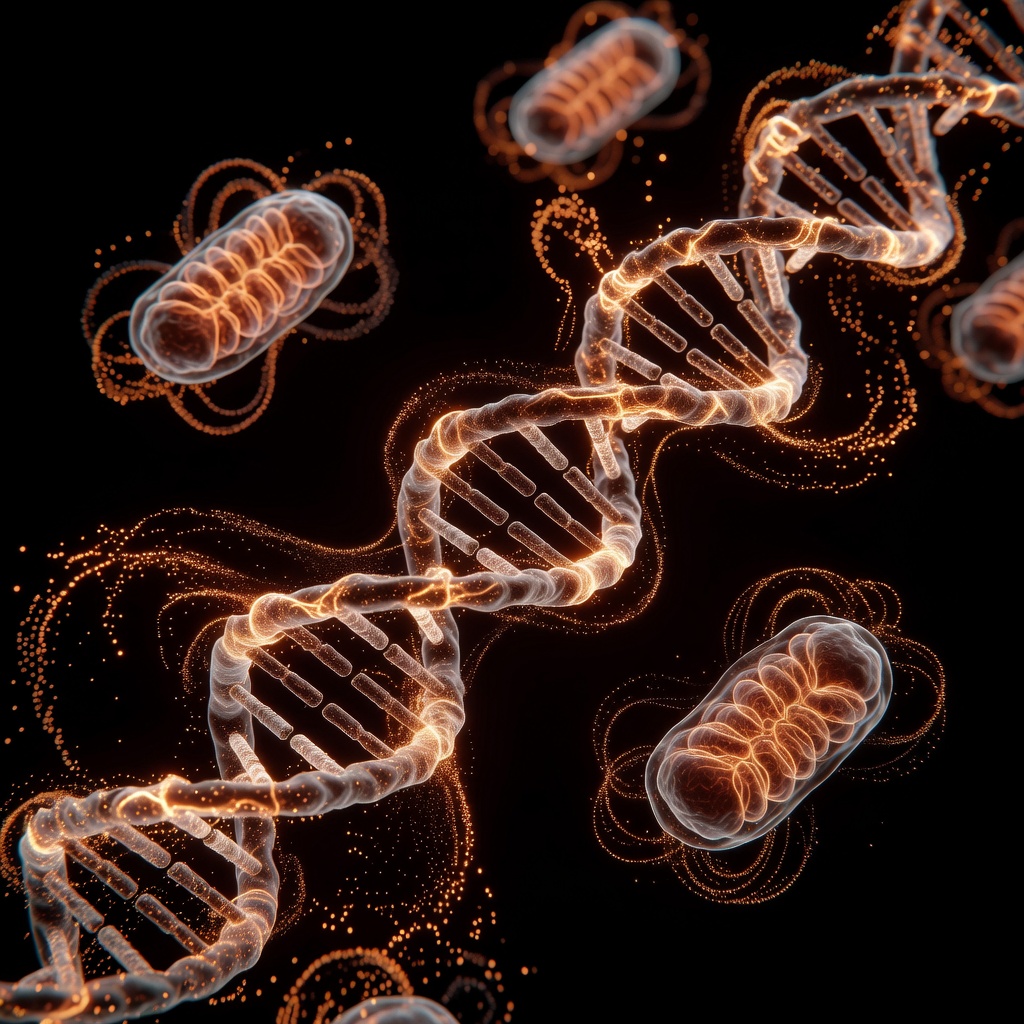
Mainstream dentistry views a root canal as a routine procedure to save a tooth. However, from a biological perspective, a root canal creates a unique ecological niche: a dead organ left within the body. The complex system of dentinal tubules—miles of microscopic channels within a single tooth—can never be fully sterilized. This creates a sanctuary for anaerobic bacteria, which can undergo pleomorphic changes, becoming more virulent in the low-oxygen environment. These 'hidden reservoirs' can leak metabolic waste products and inflammatory cytokines into the surrounding bone and systemic circulation for years, often without causing local pain.
Section 1: The Anatomy of a Root Canal Reservoir. Because the blood supply is removed during a root canal, the body's immune cells cannot reach the bacteria hiding in the tubules. These bacteria produce highly toxic thioethers and other volatile organic compounds. Section 2: The Cytokine Cascade. The body's attempt to wall off this 'dead' tissue results in the chronic production of IL-6, TNF-alpha, and CRP.
For a health-literate individual, this represents a significant source of systemic 'background noise' that can interfere with recovery from other chronic illnesses. Section 3: Towards Biocompatible Dentistry. A truly evidence-based approach involves using ozone therapy, lasers, and bioceramic materials to maximize sterilization and sealing, or considering the extraction of compromised teeth in favor of neutral materials like zirconia implants. We must question the logic of retaining necrotic tissue in a body striving for optimal health.
This article is provided for informational and educational purposes only. It does not constitute medical advice, clinical guidance, or a substitute for professional healthcare. Information reflects cited research at time of publication. Always consult a qualified healthcare professional before acting on any health information.
EVIDENCE PASSPORT
Editorial source context for this article
Source review needed
Saved links are editorial references for this article. They may support specific claims rather than every sentence. Open and assess each source in context. This passport does not independently verify them.
Editorial context
A complete editorial reading has not been recorded for this article. Source links remain available for you to open and assess directly.
Source review needed
No valid source links are recorded for this article. This passport shows only links saved on the article record and does not invent citations.
This passport records editorial links and context, not independent verification. Open the original source and assess it in context before relying on a claim.
Medical Disclaimer
The information in this article is for educational purposes only and does not constitute medical advice, diagnosis, or treatment. Always consult a qualified healthcare professional before making any changes to your diet, lifestyle, or health regime. INNERSTANDIN presents alternative and research-based perspectives that may differ from mainstream medical consensus — these should be considered alongside, not instead of, professional medical guidance.
Read Full DisclaimerContinue the thread
Keep this question moving.
Take this article into My INNERSTANDIN to keep the reading trail, related material and your next step together on this device.
Explore this in the Body Map
See where this hits your biology. Interactive anatomy, threats, and protective protocols.
Dig deeper in the Library
Free, longform PDF volumes that go beyond headlines into mechanisms and references.