
Hidden Pathogens: How Root Canals May Fuel Systemic Inflammation
Updated May 2026
Root canal procedures aim to save dead teeth, yet the porous structure of dentin can harbor anaerobic bacteria that release potent toxins. We examine how these hidden infections contribute to chronic inflammatory conditions throughout the body.
Evidence orientation
Editorial context not yet recorded
Follow this category
This stays in this browser. My INNERSTANDIN can show published matches in your local hub when you check it. It does not send email, push, or alert notifications.
Local learning review
A private browser aid for revisiting ideas. It is not an alert or a health recommendation.
Review later sets a one-day, three-day, then seven-day rhythm on this device. Choose it only when you want to revisit this article.
Overview
The modern dental paradigm is built upon a fundamental biological contradiction: the belief that a dead organ can safely remain within a living body without consequence. In no other branch of medicine is a necrotic, non-vital piece of tissue intentionally retained; a gangrenous toe is amputated, and a ruptured appendix is removed. Yet, in dentistry, the root canal procedure—technically known as endodontic therapy—is celebrated as a "tooth-saving" miracle. At INNERSTANDING, we challenge this narrative by examining the profound biological cost of preserving these dead structures.
A tooth is not a solid, inert block of calcium. It is a complex, living organ with its own blood supply, nerve network, and a vast labyrinth of microscopic channels. When a tooth undergoes a root canal, the central pulp is hollowed out, the nerves are severed, and the blood supply is cauterised. While this may stop the immediate sensation of pain, it transforms the tooth into a necrotic fortress. This dead tissue, sequestered from the body's immune surveillance, becomes an ideal breeding ground for highly polymorphic, anaerobic bacteria.
The central thesis of our investigation is that these hidden pathogens do not remain confined to the jaw. Through the sheer force of mastication (chewing) and the continuous flow of the lymphatic system, the metabolic byproducts of these bacteria—potent thioethers, mercaptans, and endotoxins—are pumped directly into the systemic circulation. This creates a state of chronic, low-grade inflammation that taxes the immune system and contributes to the pathogenesis of a staggering array of modern chronic diseases, from cardiovascular dysfunction to autoimmune flare-ups.
In the United Kingdom, where the NHS performs hundreds of thousands of these procedures annually, the public is largely unaware of the "focal infection" risks. We are told that the tooth is "saved," but we are rarely told what the body must endure to keep it. This article exposes the biochemical reality of the root canal and the systemic cascade that follows the retention of necrotic oral tissue.
##
The Biology — How It Works
To understand the danger of a root canal, one must first appreciate the staggering complexity of dental anatomy. A tooth is composed of an outer layer of enamel, an inner layer of dentin, and a central chamber containing the pulp. While the pulp is the site of the main nerves and vessels, the dentin is the most problematic component in the context of infection.
The Labyrinth of Dentinal Tubules
Dentin is not a solid material; it is honeycombed with microscopic channels known as dentinal tubules. These tubules radiate from the central pulp chamber outward toward the enamel-dentin junction.
- A single human tooth contains approximately three miles of dentinal tubules if laid end-to-end.
- The diameter of these tubules ranges from 1 to 3 micrometres, which is more than large enough to accommodate invasive bacteria.
- In a healthy tooth, these tubules are filled with dentinal fluid that flows outward, maintained by the pressure of the living pulp. This flow acts as a physical and immunological barrier.
The Failure of Sterilisation
When a dentist performs a root canal, they use files and chemical irrigants (such as sodium hypochlorite) to clean the main canal. However, these tools cannot reach the miles of dentinal tubules. Once the pulp is removed and the tooth is "sealed" with a material called gutta-percha, the fluid flow stops. The bacteria that were already present in the tubules, or those introduced during the procedure, become trapped.
The Anaerobic Shift
This entrapment triggers a terrifying biological transformation. In a living tooth, the microbiome is relatively diverse and aerobic. However, in the oxygen-deprived environment of a root-filled tooth, these bacteria must adapt or die. Many species undergo a pleomorphic shift, evolving into highly resilient, anaerobic forms. These anaerobic pathogens are far more virulent than their aerobic counterparts.
Research has shown that over 400 species of bacteria can inhabit the root-filled tooth, including Enterococcus faecalis, Porphyromonas gingivalis, and various Prevotella species, all of which are implicated in systemic inflammatory diseases.
The tooth, now devoid of a blood supply, becomes a sanctuary where the body's immune cells—such as macrophages and neutrophils—cannot reach. The bacteria can proliferate indefinitely, shielded from both the immune system and any systemic antibiotics the patient might take. This creates a permanent focal infection that leaches toxins 24 hours a day.
##
Mechanisms at the Cellular Level
The threat posed by a root-filled tooth is not merely the presence of bacteria, but the toxic metabolic waste they produce. Because these pathogens are trapped in an anaerobic environment, their metabolism is skewed toward the production of extremely volatile and destructive compounds.
The Production of Thioethers and Mercaptans
Anaerobic bacteria break down proteins and amino acids (like methionine and cysteine) to produce sulfur-containing compounds. Two of the most notorious are dimethyl sulfide (a thioether) and methyl mercaptan. These are the same chemicals associated with the smell of rotting flesh, and their toxicity at the cellular level is profound.
- Thioethers are known to interfere with cellular transport and enzyme function.
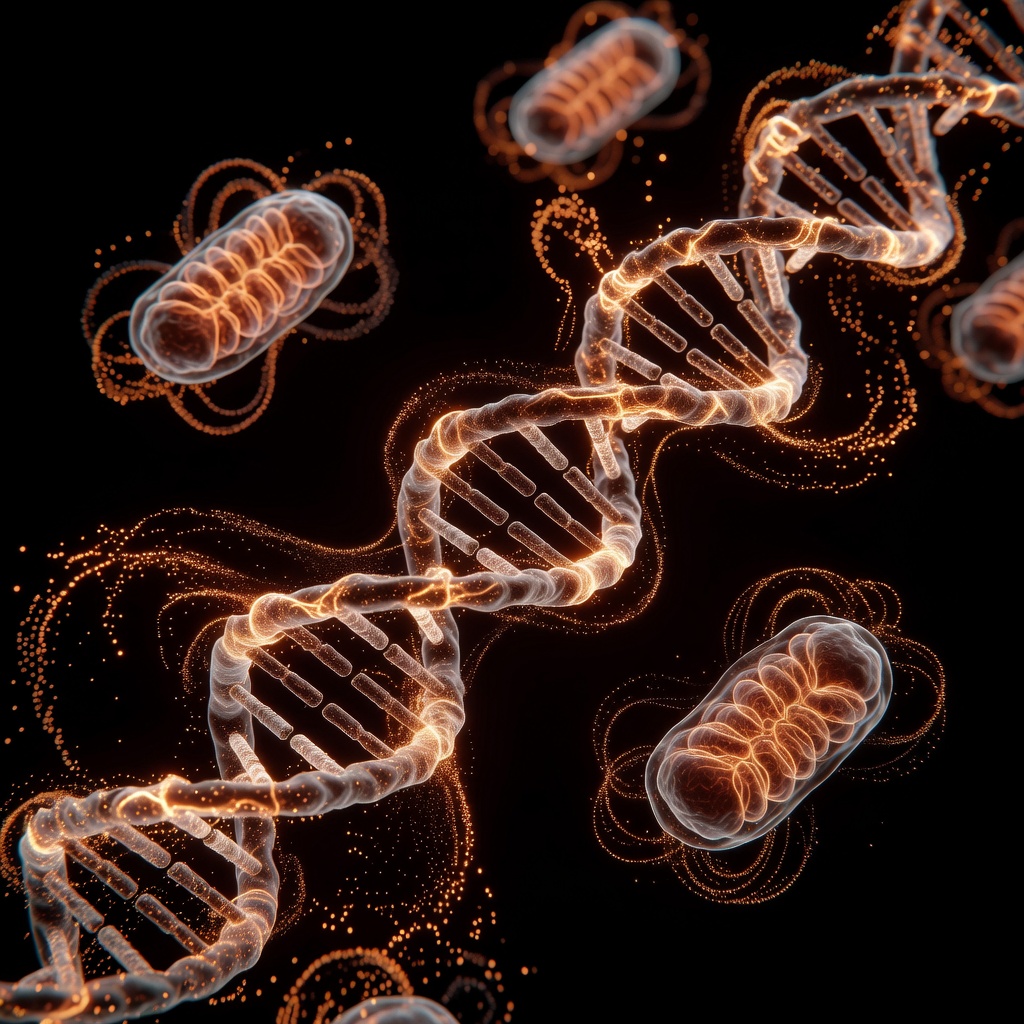
- Mercaptans are potent inhibitors of mitochondrial respiration.
Mitochondrial Dysfunction and Enzyme Inhibition
The most alarming mechanism of these dental toxins is their ability to inhibit Cytochrome C Oxidase, a critical enzyme in the mitochondrial electron transport chain.
When Cytochrome C Oxidase is inhibited, the cell’s ability to produce Adenosine Triphosphate (ATP) is compromised. This results in a "cellular energy crisis," leading to oxidative stress and premature cell death.
Furthermore, these toxins have been shown to inhibit other essential enzymes, such as creatine kinase (vital for heart and brain function) and pyruvate kinase. By disrupting the very foundations of energy production, these hidden dental pathogens can induce a state of systemic fatigue and multi-organ dysfunction that remains invisible to standard blood tests.
Lipopolysaccharides (LPS) and the Inflammatory Signal
The cell walls of Gram-negative bacteria found in root canals contain Lipopolysaccharides (LPS), also known as endotoxins. When these are released into the surrounding bone and eventually the bloodstream, they bind to Toll-like Receptor 4 (TLR4) on the surface of immune cells. This triggers the NF-κB (Nuclear Factor kappa-light-chain-enhancer of activated B cells) signaling pathway, the "master switch" for inflammation. This pathway leads to the systemic release of pro-inflammatory cytokines, including:
- Interleukin-1 beta (IL-1β)
- Interleukin-6 (IL-6)
- Tumour Necrosis Factor-alpha (TNF-α)
This constant drip of endotoxins ensures that the patient’s immune system is in a state of perpetual high alert, leading to "inflammaging" and the eventual breakdown of self-tolerance.
##
Environmental Threats and Biological Disruptors
While the root canal itself is the primary source of pathogens, its impact is exacerbated by the presence of other materials and environmental factors within the oral cavity. The mouth is a highly reactive environment, and the synergy between different dental materials can accelerate the release of toxins.
Galvanism and the Battery Effect
Many patients with root canals also have "silver" (mercury) amalgams or metal crowns nearby. In the saline environment of the mouth, different metals create a galvanic current. These micro-currents can actually increase the rate at which bacterial toxins and metal ions are driven out of the tooth and into the surrounding tissues. This "oral galvanism" can further stress the nervous system and disrupt the delicate electrical signalling of the body.
Biofilm Formation and Resistance
The internal structure of the root-filled tooth is an ideal substrate for biofilm formation. Biofilms are complex communities of microorganisms encased in a protective extracellular matrix. Within these biofilms, bacteria can exchange genetic material, including antibiotic resistance genes.
The NHS and UK health bodies are increasingly concerned with antimicrobial resistance (AMR). Root-filled teeth represent a largely ignored reservoir for AMR bacteria that can spread throughout the community.
The Role of the Periodontal Ligament (PDL)
When a tooth is root-canalled, the periodontal ligament—the fibrous tissue that attaches the tooth to the bone—is usually left intact. However, because the tooth is dead, this ligament becomes necrotic and infected. It becomes a porous membrane that allows toxins to migrate from the dentinal tubules directly into the alveolar bone (the jawbone). This often leads to "cavitations" or Ischemic Bone Necrosis, where the bone tissue begins to die and form hollow, toxin-filled spaces that are invisible on standard 2D X-rays.
##
The Cascade: From Exposure to Disease
The journey of dental toxins from the jaw to distant organs is facilitated by the body's primary transport systems: the circulatory and lymphatic systems. This process, often referred to as the Oral-Systemic Link, is the mechanism by which a seemingly localized dental issue becomes a systemic catastrophe.
Cardiovascular Disease
There is a robust body of evidence linking oral pathogens to heart disease. Bacteria like Porphyromonas gingivalis have been discovered inside atherosclerotic plaques in the carotid arteries. These pathogens promote the expression of C-reactive protein (CRP), a hallmark of systemic inflammation and a major predictor of heart attacks.
- Pathogens from root canals can enter the bloodstream (bacteraemia) and settle on the heart valves, causing endocarditis.
- The inflammatory cascade initiated by dental endotoxins promotes the thickening of arterial walls and the formation of blood clots.
Autoimmune Disorders
The persistent activation of the immune system by dental toxins can lead to molecular mimicry. This occurs when the immune system, confused by the constant presence of foreign bacterial proteins, begins to attack the body’s own tissues.
- Rheumatoid Arthritis: Research has shown a direct link between the bacterium P. gingivalis and the citrullination of proteins, which triggers the autoimmune response in the joints.
- Thyroiditis (Hashimoto's): The proximity of the dental drainage system to the thyroid gland means that the thyroid is often the first "downstream" organ to be affected by dental toxins.
Neurological Impact and Brain Health
The lymphatic drainage of the teeth flows through the deep cervical lymph nodes, which are intimately connected to the brain's own waste-clearance system, the glymphatic system.
- Chronic inflammation from root canals can contribute to neuroinflammation, a known factor in the development of Alzheimer’s and Parkinson’s disease.
- Some researchers suggest that the toxins from dead teeth may travel via the trigeminal nerve directly into the brainstem, providing a direct pathway for neurological disruption.
Breast Cancer and Lymphatic Proximity
A controversial but significant area of study is the link between root canals and breast cancer. Dr Thomas Rau of the Paracelsus Clinic found that a staggering percentage of his breast cancer patients had root canals on the same side as the tumour. This is attributed to the lymphatic meridian system, where toxins from specific teeth drain into the axillary lymph nodes associated with the breast tissue.
##
What the Mainstream Narrative Omits
The dental establishment, represented by bodies like the American Association of Endodontists (AAE) and, to some extent, the British Dental Association (BDA), maintains that root canals are safe. However, their definition of "success" is often purely clinical and radiographic.
The Illusion of Success
A root canal is considered "successful" if:
- The patient no longer feels pain (which is logical, as the nerve is gone).
- The tooth is functional for chewing.
- No large "dark spots" (radiolucencies) are visible on a standard X-ray.
This definition completely ignores the biological and biochemical status of the patient. A patient can have a "successful" root canal and concurrently suffer from chronic fatigue, heart disease, or an autoimmune condition, yet the dentist will rarely connect the two. The standard dental X-ray is a 2D image with limited resolution; it cannot see the anaerobic activity within the tubules or the metabolic toxins being released.
The Suppression of Historical Research
The work of Dr Weston A. Price and Dr Milton Rosenow in the early 20th century provided the foundation for the "Focal Infection Theory." Price’s research involved implanting root-filled teeth from sick patients into healthy rabbits. The rabbits would invariably develop the same disease the patient had—be it heart disease, kidney failure, or arthritis. While the dental industry attempted to debunk Price by citing "poor controls," modern DNA sequencing technology is now confirming his findings. We can now identify the exact bacterial DNA in both the root canal and the distant diseased organ, proving that these pathogens migrate.
The Financial Incentive
We must also address the economics. Endodontics is a multi-billion pound industry. Root canals are high-margin procedures, and the subsequent crowns and implants add to the revenue. Moving away from root canals toward more complex biological extractions and zirconia implants would require a total restructuring of dental training and insurance models—a shift the mainstream narrative is reluctant to facilitate.
##
The UK Context
In the United Kingdom, the dental landscape is uniquely shaped by the National Health Service (NHS) and the regulatory oversight of the General Dental Council (GDC) and the Care Quality Commission (CQC).
The NHS Guidelines and the "Function" Bias
The NHS dental model is built on "clinical necessity" and "functionality." Because a root canal restores the function of the tooth and is more cost-effective for the state than an implant, it is the default recommendation for a dead or dying tooth. The NHS "Outcome Standards" do not currently include screening for systemic inflammatory markers post-endodontic therapy. This leaves the British public in a position where their dental health is managed in a silo, disconnected from their general practitioners (GPs).
The Role of the MHRA and Regulatory Gaps
The Medicines and Healthcare products Regulatory Agency (MHRA) regulates dental materials, such as gutta-percha and bioceramic sealers. While these materials are "biocompatible" in an inert sense, the MHRA does not evaluate how these materials behave in a necrotic environment where they are constantly exposed to anaerobic metabolic byproducts. There is a significant regulatory gap in assessing the "long-term systemic toxicity" of retained necrotic organs.
The Rise of Biological Dentistry in the UK
Fortunately, a growing number of UK-based practitioners are embracing Biological Dentistry. These dentists, often members of the International Academy of Oral Medicine and Toxicology (IAOMT), recognise the tooth as part of the whole body. They are increasingly using advanced diagnostic tools not typically found in NHS practices, such as:
- 3D Cone Beam Computed Tomography (CBCT): This provides a three-dimensional view of the jaw, allowing dentists to see infections and "cavitations" that a standard 2D X-ray misses.
- Biocompatibility Testing: Ensuring that any materials used (such as ceramic implants) do not trigger an immune response.
However, access to biological dentistry in the UK remains largely private, creating a two-tier system where only those with financial means can opt for the removal of these hidden toxic reservoirs.
##
Protective Measures and Recovery Protocols
If you suspect that a root-filled tooth is contributing to systemic health issues, the solution is not as simple as "pulling the tooth." A specific, biologically sound approach must be taken to ensure the infection is fully cleared and the body is supported.
1. Advanced Diagnostics
The first step is to confirm the presence of infection. A standard dental X-ray is insufficient.
- Seek a CBCT Scan: This is the gold standard for identifying hidden infections in the bone and around the roots of endodontically treated teeth.
- Thermography: This can sometimes identify "hot spots" of inflammation in the jaw and lymphatic drainage pathways.
2. Biological Extraction
If a root-filled tooth must be removed, it must be done via a biological extraction. This is fundamentally different from a standard extraction.
- Removal of the Periodontal Ligament (PDL): If the PDL is left behind, the bone will not heal properly, often resulting in a "cavitation" (a hole in the bone filled with necrotic tissue). The PDL must be meticulously removed with a slow-speed bur.
- Ozone Therapy: Ozone gas is a powerful antimicrobial that can penetrate the surrounding bone, killing anaerobic bacteria, viruses, and fungi without damaging healthy tissue.
- PRF (Platelet-Rich Fibrin): Using the patient’s own blood, a fibrin plug is created and placed in the extraction site. This is rich in growth factors and promotes rapid, healthy bone healing.
3. Replacement Options
Replacing a dead tooth is vital for structural integrity and preventing "bite collapse."
- Zirconia (Ceramic) Implants: Unlike traditional titanium implants, zirconia is "metal-free" and highly biocompatible. It does not conduct electrical currents and is less likely to trigger an inflammatory response.
- Removable Partial Dentures: A non-invasive option for those who want to avoid surgery altogether.
4. Systemic Support and Detoxification
Removing the source of the toxins is only half the battle. The body must then clear the "toxic burden" that has accumulated.
- Glutathione Support: As the body’s master antioxidant, glutathione is essential for neutralizing the thioethers and mercaptans released during and after the procedure.
- Lymphatic Drainage: Manual lymphatic drainage or "rebounding" can help clear the congested drainage pathways in the neck and head.
- Mitochondrial Support: Supplements like CoQ10, PQQ, and Magnesium can help restore the cellular energy production that was previously inhibited by dental toxins.
##
Summary: Key Takeaways
The evidence is clear: the mouth is not an isolated chamber, but the gateway to systemic health. The practice of root canals, while convenient, ignores the fundamental biological reality of necrotic tissue and anaerobic infection.
- A Dead Organ: A root-filled tooth is a non-vital organ retained in the body, serving as a permanent reservoir for pathogens.
- The Tubule Network: Three miles of dentinal tubules provide a sanctuary for anaerobic bacteria that the immune system cannot reach.
- Potent Toxins: These bacteria produce thioethers and mercaptans which inhibit mitochondrial energy production and enzyme function.
- Systemic Spread: Through the bloodstream and lymphatics, dental toxins contribute to cardiovascular disease, autoimmunity, and neurodegeneration.
- Diagnostic Failure: Standard 2D X-rays and the current dental "success" criteria fail to identify the systemic inflammatory impact of root canals.
- Biological Solutions: True recovery requires 3D imaging, biological extraction techniques (including PDL removal), and zirconia replacements to restore health without compromising the immune system.
At INNERSTANDING, we believe that informed consent must include the disclosure of these systemic risks. The era of treating the tooth while ignoring the person is coming to an end. It is time to recognise the hidden pathogens within and reclaim the biological integrity of our bodies.
This article is provided for informational and educational purposes only. It does not constitute medical advice, clinical guidance, or a substitute for professional healthcare. Information reflects cited research at time of publication. Always consult a qualified healthcare professional before acting on any health information.
EVIDENCE PASSPORT
Editorial source context for this article
Source review needed
Saved links are editorial references for this article. They may support specific claims rather than every sentence. Open and assess each source in context. This passport does not independently verify them.
Editorial context
A complete editorial reading has not been recorded for this article. Source links remain available for you to open and assess directly.
Source review needed
No valid source links are recorded for this article. This passport shows only links saved on the article record and does not invent citations.
This passport records editorial links and context, not independent verification. Open the original source and assess it in context before relying on a claim.
Medical Disclaimer
The information in this article is for educational purposes only and does not constitute medical advice, diagnosis, or treatment. Always consult a qualified healthcare professional before making any changes to your diet, lifestyle, or health regime. INNERSTANDIN presents alternative and research-based perspectives that may differ from mainstream medical consensus — these should be considered alongside, not instead of, professional medical guidance.
Read Full DisclaimerContinue the thread
Keep this question moving.
Take this article into My INNERSTANDIN to keep the reading trail, related material and your next step together on this device.
Explore this in the Body Map
See where this hits your biology. Interactive anatomy, threats, and protective protocols.
Dig deeper in the Library
Free, longform PDF volumes that go beyond headlines into mechanisms and references.