
Mast Cell Activation Syndrome: When Immune Sentinels Cause Systemic Inflammation
Updated May 2026
Mast Cell Activation Syndrome (MCAS) is a complex multisystem disorder where immune cells inappropriately release a cocktail of inflammatory mediators. Unlike histamine intolerance, which is a breakdown issue, MCAS is an overproduction and hyper-reactivity issue.
Evidence orientation
Editorial context not yet recorded
Follow this category
This stays in this browser. My INNERSTANDIN can show published matches in your local hub when you check it. It does not send email, push, or alert notifications.
Local learning review
A private browser aid for revisiting ideas. It is not an alert or a health recommendation.
Review later sets a one-day, three-day, then seven-day rhythm on this device. Choose it only when you want to revisit this article.
Overview
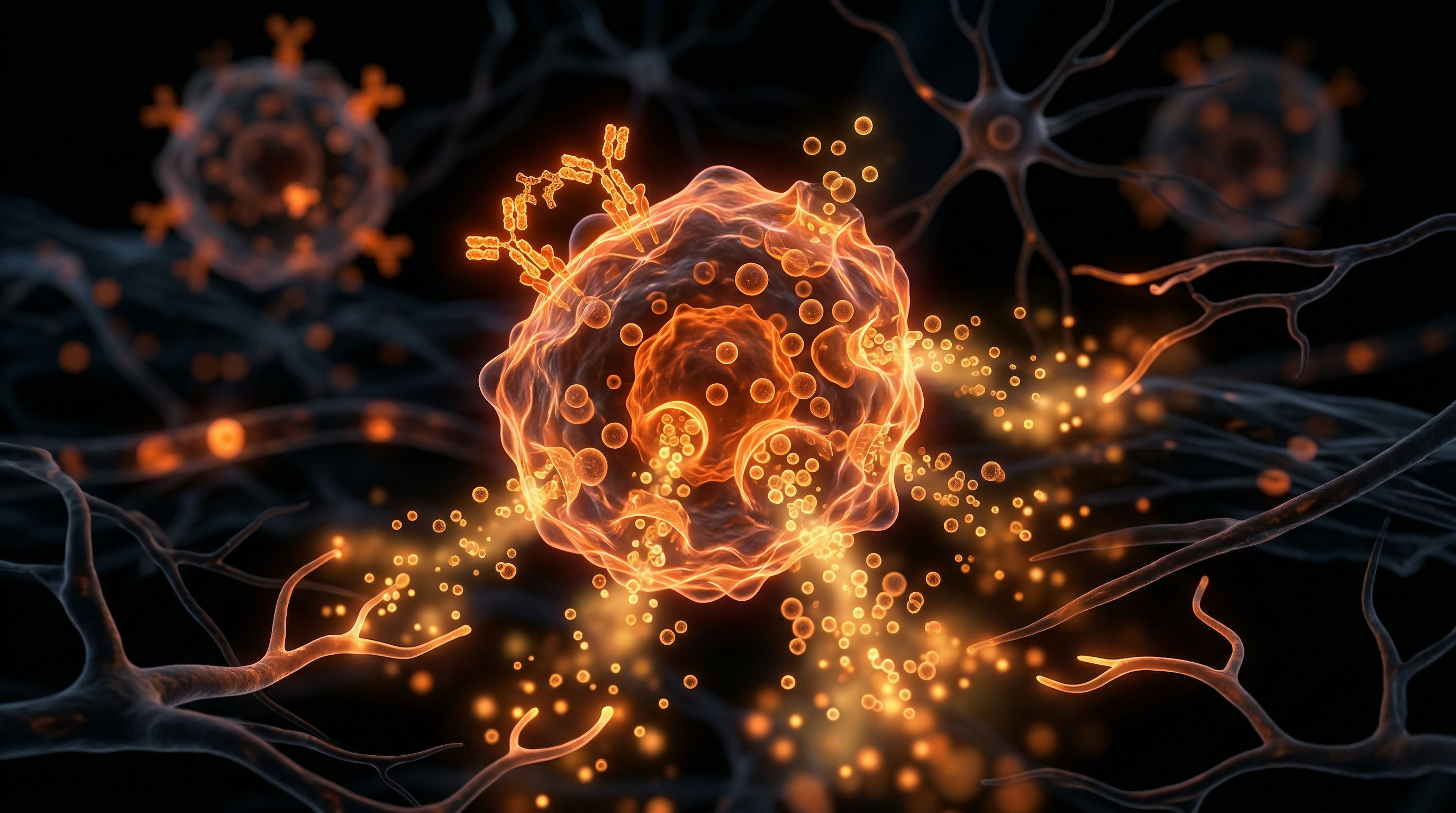
The human immune system is often described as an army, but this metaphor fails to capture the intricate, multi-layered reality of biological surveillance. At the very forefront of our internal defence architecture are the mast cells. These are not merely foot soldiers; they are the highly sophisticated, ancient "sentinels" of the innate immune system. Stationed at the interface between our internal milieu and the external world—the skin, the gut lining, the respiratory tract, and the blood-brain barrier—mast cells are designed to detect threats and coordinate a response.
However, in the 21st century, these sentinels are no longer functioning as intended. We are currently witnessing an unprecedented rise in Mast Cell Activation Syndrome (MCAS), a condition where these cells become hyper-reactive, losing their ability to distinguish between a genuine pathogen and a benign environmental stimulus. While mainstream medicine frequently conflates MCAS with simple allergies or "anxiety," the biological reality is far more sinister. MCAS is a systemic, chronic inflammatory disorder where the mast cells inappropriately and excessively release a "chemical cocktail" of over 200 different inflammatory mediators into the bloodstream and tissues.
It is critical to distinguish MCAS from Histamine Intolerance (HIT). While the two often overlap, they are fundamentally different biological failures. Histamine Intolerance is primarily a metabolic deficit—a failure to break down histamine due to deficiencies in enzymes like Diamine Oxidase (DAO) or Histamine N-methyltransferase (HNMT). MCAS, conversely, is a failure of cellular regulation. It is a state of "immunological mutiny" where the mast cells themselves are the source of the problem, overproducing not just histamine, but a devastating array of proteases, cytokines, and leukotrienes.
This article serves as an exhaustive investigation into the mechanisms, triggers, and systemic consequences of MCAS. We will expose how modern environmental degradation, industrial food processing, and the neglect of regulatory bodies like the NHS and the FSA have created a "perfect storm" for mast cell dysfunction. This is not just a medical condition; it is a biological canary in the coal mine, signaling that the human body is struggling to adapt to an increasingly toxic world.
##
##
The Biology — How It Works
To understand MCAS, one must first appreciate the evolutionary brilliance and topographical placement of the mast cell. Originating from CD34+ haematopoietic stem cells in the bone marrow, mast cells do not circulate in the blood like other white cells. Instead, they migrate into tissues while still immature and differentiate based on the specific microenvironment they inhabit. This is why a mast cell in the lung looks and behaves differently than one in the lining of the small intestine.
The Sentinel at the Interface
Mast cells are strategically positioned where the "outside" meets the "inside." They are concentrated in the integumentary system (skin), the mucosa of the gastrointestinal and respiratory tracts, and surrounding every blood vessel and peripheral nerve. They are the first to encounter bacteria, viruses, fungi, and environmental toxins. Upon detection of a threat, they undergo degranulation—a process where pre-formed granules within the cell are rapidly expelled into the extracellular space.
Biological Fact: A single mast cell contains approximately 50 to 200 large granules, each packed with a potent mixture of inflammatory compounds including histamine, heparin, serotonin, and various neutral proteases such as tryptase and chymase.
The Dual Response Mechanism
The mast cell response is not a simple "on/off" switch; it is a sophisticated, two-phase process:
- Immediate Degranulation: Within seconds of stimulation, the mast cell releases its pre-stored mediators. This causes immediate physiological changes: vasodilation (to allow more immune cells to reach the area), increased vascular permeability (leading to swelling), and the recruitment of other immune responders.
- De Novo Synthesis: Following the initial release, the mast cell begins a secondary phase of "manufacturing." It starts synthesising new mediators from scratch, including prostaglandins (specifically PGD2), leukotrienes (LTC4, LTD4, LTE4), and a massive array of cytokines and chemokines (such as TNF-α, IL-6, and IL-1β). This secondary phase can last for hours or even days, perpetuating a state of chronic inflammation.
In a healthy individual, this process is self-limiting. Once the threat is neutralised, the mast cells return to a state of quiescence. In MCAS, this "off-switch" is broken. The cells remain in a state of chronic partial degranulation, constantly "leaking" inflammatory chemicals into the system, even in the absence of a legitimate biological threat.
##
##
Mechanisms at the Cellular Level
At the molecular level, MCAS is a failure of signal transduction and receptor sensitivity. The mast cell membrane is peppered with receptors, the most well-known being the FcεRI receptor, which binds to Immunoglobulin E (IgE). This is the classic pathway for Type I hypersensitivity (allergies). However, the "truth-exposed" reality of MCAS is that it is often non-IgE mediated.
The KIT Receptor and Genetic Mutations
A primary driver of mast cell dysfunction is the KIT receptor (CD117), a tyrosine kinase receptor that is essential for mast cell survival and proliferation. In aggressive forms of mast cell disease, such as Systemic Mastocytosis, there is a clear genetic mutation (usually the D816V mutation) that keeps the KIT receptor permanently switched "on." In MCAS, while these blatant mutations may be absent, the signalling pathways downstream of the KIT receptor—such as the PI3K/AKT/mTOR pathway—are often hyper-active. This leads to a population of mast cells that are not only too numerous but also "twitchy," firing at the slightest provocation.
G-Protein Coupled Receptors (GPCRs) and MRGPRX2
Recent research has identified a specific receptor called MRGPRX2 (Mas-related G-protein coupled receptor member X2). This receptor allows mast cells to be activated by "basic" or cationic substances, including many pharmaceutical drugs, neuropeptides (like Substance P), and certain environmental toxins, completely bypassing the IgE-allergic pathway. This explains why MCAS patients often react violently to medications or stress without having a "true" allergy.
The Mitochondrial Connection
Mast cell activation is an incredibly energy-intensive process. Emerging evidence suggests that mitochondrial dysfunction plays a critical role in MCAS. When mitochondria fail to produce adequate ATP or produce excessive Reactive Oxygen Species (ROS), the mast cell’s internal regulation becomes unstable. ROS themselves can act as internal triggers for degranulation, creating a vicious cycle where inflammation causes mitochondrial stress, which in turn causes more inflammation.
The Role of Mediators
When we talk about the "cocktail" released by mast cells, we must look at the specific damage caused by individual components:
- Histamine: Binds to H1, H2, H3, and H4 receptors throughout the body, causing everything from tachycardia and gastric acid secretion to neurotransmitter imbalances.
- Tryptase: An enzyme that breaks down connective tissue. High levels are a hallmark of mast cell activation and contribute to the "hypermobility" often seen in MCAS patients.
- Leukotrienes: These are 1,000 times more potent than histamine at causing bronchoconstriction and are a major driver of the "air hunger" and asthma-like symptoms in MCAS.
- Cytokines (TNF-α, IL-6): These orchestrate the systemic "flu-like" feeling, joint pain, and profound fatigue that characterise the syndrome.
##
##
Environmental Threats and Biological Disruptors
The modern world is a minefield for an over-active immune system. The mast cell, in its role as a sentinel, is highly sensitive to the chemical soup of industrial civilisation. While the Environment Agency and Food Standards Agency (FSA) in the UK set "safe" limits for individual chemicals, they almost entirely ignore the synergistic toxicity of multiple exposures—the so-called "cocktail effect."
Mycotoxins: The Invisible Trigger
One of the most potent triggers for MCAS is exposure to mycotoxins—toxic secondary metabolites produced by moulds such as Stachybotrys, Aspergillus, and Penicillium. In the UK, with its damp climate and ageing housing stock, "Sick Building Syndrome" is a rampant but under-reported driver of MCAS. Mycotoxins directly activate mast cells via Toll-Like Receptors (TLRs), keeping the immune system in a permanent state of high alert.
Glyphosate and the Gut Barrier
The widespread use of glyphosate (the active ingredient in Roundup) in British agriculture has devastating implications for mast cell stability. Glyphosate disrupts the shikimate pathway in gut bacteria and compromises the integrity of the intestinal "tight junctions." When the gut becomes "leaky," undigested food proteins and bacterial Lipopolysaccharides (LPS) enter the bloodstream. These are "Pattern Recognition Receptor" (PRR) triggers for mast cells, leading to systemic activation every time the patient eats.
Heavy Metals and Particulate Matter
Air pollution in UK urban centres is laden with particulate matter (PM2.5) and heavy metals like aluminium, lead, and mercury. These particles are small enough to be inhaled deep into the lungs and cross into the bloodstream. Mast cells are known to "bio-accumulate" certain metals, which then act as internal catalysts for free radical production and spontaneous degranulation.
EMFs: The New Frontier of Activation
Though often dismissed by mainstream "experts," the biological impact of Electromagnetic Fields (EMFs)—including Wi-Fi, 4G/5G, and "dirty electricity"—on mast cells is backed by significant peer-reviewed data. Mast cells are electrically sensitive. Research has shown that EMF exposure can trigger the influx of calcium ions through Voltage-Gated Calcium Channels (VGCCs) in the cell membrane. Since calcium influx is the primary trigger for degranulation, our wireless world acts as a constant, invisible "nudge" to the mast cells of sensitive individuals.
Alarming Statistic: Studies have indicated that mast cell degranulation can increase significantly when exposed to frequencies typical of modern mobile phone towers, suggesting that our technological environment is directly compromising our immunological stability.
##
##
The Cascade: From Exposure to Disease
MCAS is rarely a standalone condition. Because mast cells are found in almost every tissue, the symptoms are multisystemic and often appear unrelated to the untrained eye. This leads to the "diagnostic odyssey" where patients are bounced between specialists—cardiologists for heart palpitations, gastroenterologists for bloating, and neurologists for migraines—without anyone connecting the dots.
The Autonomic Nervous System and POTS
There is a profound "cross-talk" between mast cells and the Autonomic Nervous System (ANS). Mast cells are often located in close proximity to nerve endings. When they release mediators, they can irritate the Vagus nerve, leading to Dysautonomia. This is most commonly seen as Postural Orthostatic Tachycardia Syndrome (POTS), where the heart rate spikes upon standing. Histamine itself acts as a vasodilator; when blood vessels dilate inappropriately, the heart must race to maintain blood pressure to the brain.
The Connective Tissue Connection (EDS)
An extraordinary number of MCAS patients also suffer from Ehlers-Danlos Syndrome (EDS) or hypermobility. This is not a coincidence. Mast cells release proteases like tryptase and chymase that are designed to degrade the extracellular matrix during wound healing. In chronic MCAS, the constant presence of these enzymes "softens" the collagen and elastin throughout the body, leading to loose joints, fragile skin, and internal organ prolapse.
The Neuro-Inflammatory Cascade
When mast cells in the blood-brain barrier or the meninges activate, they increase the permeability of the brain's protective shield. This allows inflammatory mediators and toxins to enter the Central Nervous System, activating the brain’s own immune cells, the microglia. The result is "brain fog," cognitive decline, depression, and severe anxiety. This is not "psychological" anxiety; it is the physiological result of a brain on fire.
Gastrointestinal Turmoil
The gut contains the highest concentration of mast cells in the body. Activation here leads to:
- Hyper-motility: Rapid transit and diarrhoea.
- Malabsorption: Inflammation damaging the villi.
- Food "Allergies": Which are often actually "pseudo-allergies" or chemical sensitivities.
- Abdominal Pain: Mediated by the release of Substance P and prostaglandins acting on visceral nerves.
##
##
What the Mainstream Narrative Omits
The medical establishment’s approach to MCAS is fundamentally flawed, characterised by a "wait and see" attitude and a reliance on outdated diagnostic criteria.
The Tryptase Trap
Mainstream medicine often relies on a single biomarker—serum tryptase—to diagnose mast cell disorders. If a patient’s tryptase level is within the "normal" range (typically below 11.4 ng/mL), they are often told they do not have a mast cell issue.
"This is a biological falsehood."
Tryptase is a reliable marker for Mastocytosis (where there is a massive over-proliferation of cells), but in MCAS, the number of cells may be normal; it is their activity that is pathological. Many MCAS patients never show an elevated tryptase level. A "normal" tryptase test does not rule out MCAS, yet thousands of UK patients are dismissed by their GPs based on this one faulty metric.
The "Anxiety" Gaslighting
Because mast cell mediators like histamine and CRH (Corticotropin-Releasing Hormone) can mimic the symptoms of a panic attack—tachycardia, sweating, a sense of "impending doom"—patients are frequently misdiagnosed with anxiety or somatisation disorder. This is a convenient "exit ramp" for doctors who do not understand the complex biochemistry of MCAS. It shifts the "blame" onto the patient's psyche rather than investigating the environmental and cellular drivers of the disease.
The Oestrogen Connection
Mainstream narratives rarely discuss the hormonal orchestration of MCAS. Mast cells have oestrogen receptors that, when bound, trigger degranulation. Conversely, progesterone is a mast cell stabiliser. This explains why many women with MCAS experience "flares" during specific points in their menstrual cycle (the "histamine-oestrogen loop"). Oestrogen increases histamine production and inhibits DAO, while histamine stimulates the ovaries to produce more oestrogen—a vicious cycle that is almost entirely ignored in standard gynaecological or immunological practice.
##
##
The UK Context
Navigating MCAS in the United Kingdom presents a unique set of challenges, from the constraints of the NHS to the specific environmental hazards of the British Isles.
The NHS Postcode Lottery
The NHS is ill-equipped to handle multisystemic, chronic conditions like MCAS. The system is designed for acute care and "organ-based" specialisation. If you have MCAS, there is no "Mast Cell Department." You are split between Immunology, Gastroenterology, and Dermatology, none of whom communicate effectively. Furthermore, the National Institute for Health and Care Excellence (NICE) has yet to publish comprehensive guidelines for the diagnosis and management of MCAS, leaving patients at the mercy of their local Trust’s awareness (or lack thereof).
Regulatory Failures: FSA and MHRA
The Food Standards Agency (FSA) continues to allow additives in the UK food supply that are known mast cell triggers. These include:
- Tartrazine (E102) and other azo dyes.
- Carrageenan: A "natural" thickener known to induce intestinal inflammation and mast cell activation.
- Titanium Dioxide: Recently banned in the EU but still permitted in the UK for many applications, these nanoparticles can directly trigger mast cells.
Similarly, the MHRA oversees the licensing of medications that contain "excipients" or fillers—such as lactose, microcrystalline cellulose, and magnesium stearate—that many MCAS patients cannot tolerate. For an MCAS patient, the "inactive" ingredients in a pill are often more dangerous than the active drug.
The Mould Crisis in UK Housing
As mentioned previously, the UK’s damp climate combined with poor ventilation in modern and "retrofitted" homes has created a mycotoxin epidemic. The Landlord and Tenant Act and local council regulations often fail to address the root cause of dampness, leading to millions of people living in "mould traps" that keep their immune systems in a state of permanent activation.
##
##
Protective Measures and Recovery Protocols
Recovery from MCAS is not about a single "magic pill"; it is about a comprehensive strategy to stabilise the cell membrane, reduce the total toxic load, and re-train the nervous system.
Phase 1: Identifying and Removing Triggers
The first step is a brutal assessment of the environment.
- Air Filtration: High-quality HEPA and carbon filters are essential to remove particulate matter and mycotoxins.
- Water Quality: Installing a multi-stage filtration system to remove fluoride, chlorine, and heavy metals from tap water.
- The Low-Histamine Diet: This is a temporary but necessary tool. Focus on fresh, "dead-on-the-day" proteins and low-histamine vegetables. Avoid fermented foods (sauerkraut, kombucha), aged cheeses, and "histamine liberators" like citrus and chocolate.
Phase 2: Natural Mast Cell Stabilisers
Before turning to heavy pharmaceuticals, several natural compounds show remarkable efficacy in stabilising the mast cell membrane:
- Quercetin: A flavonoid that inhibits the release of histamine and pro-inflammatory cytokines. It should be taken in "phytosome" form for maximum absorption.
- Luteolin: Closely related to quercetin, luteolin has a superior ability to cross the blood-brain barrier and stabilise "neuro-mast cells."
- Vitamin C (Buffered): Essential for the degradation of histamine.
- Nigella Sativa (Black Seed Oil): Contains thymoquinone, which has potent anti-histaminic and mast cell-stabilising properties.
Phase 3: Enzyme Support
If the patient also has Histamine Intolerance, supplementing with DAO (Diamine Oxidase) before meals is critical. This enzyme breaks down exogenous histamine in the gut, preventing it from entering the bloodstream and triggering further mast cell degranulation (the "bucket effect").
Phase 4: Pharmaceutical Intervention
When natural measures are insufficient, a "staged" pharmaceutical approach is used:
- H1 and H2 Blockers: (e.g., Cetirizine and Famotidine). These do not stop mast cells from firing, but they block the receptors so the released histamine can't do as much damage.
- Sodium Cromoglicate (Gastrocrom): A dedicated mast cell stabiliser that acts locally in the gut.
- Ketotifen: A unique drug that acts as both an H1 blocker and a powerful systemic mast cell stabiliser. It is often a "game-changer" for MCAS patients but must be compounded to avoid toxic fillers.
Phase 5: Nervous System Regulation
Since the Vagus nerve and the mast cells are in a constant feedback loop, "calming" the nervous system is non-negotiable. Techniques like Neural Retraining (DNRS), Vagus nerve stimulation, and deep diaphragmatic breathing help move the body from a "Sympathetic" (fight-or-flight) state to a "Parasympathetic" (rest-and-digest) state, which is inherently stabilising for the immune system.
##
##
Summary: Key Takeaways
Mast Cell Activation Syndrome is a profound challenge to the modern medical paradigm. It is a condition that proves the body is not a collection of isolated organs, but a highly integrated, communicative whole.
- MCAS is not just "allergies": It is a systemic over-reactivity involving hundreds of inflammatory mediators, not just histamine.
- Mainstream testing is inadequate: A normal tryptase level does not rule out MCAS. Diagnosis must be based on clinical symptoms and response to treatment.
- Environmental factors are primary: Mould, glyphosate, heavy metals, and EMFs are the true drivers of this modern epidemic.
- The UK system is failing patients: From the NHS's lack of specialists to the FSA's allowance of inflammatory additives, the British state is currently ill-equipped to deal with the rise of MCAS.
- Stabilisation is possible: Through a combination of environmental remediation, targeted supplementation (Quercetin, Luteolin), diet, and nervous system regulation, the "sentinels" can be calmed.
We must stop viewing MCAS as a rare "syndrome" and start recognising it as a logical biological response to an illogical, toxic world. Only by exposing these truths can we begin the process of genuine systemic healing.
This article is provided for informational and educational purposes only. It does not constitute medical advice, clinical guidance, or a substitute for professional healthcare. Information reflects cited research at time of publication. Always consult a qualified healthcare professional before acting on any health information.
EVIDENCE PASSPORT
Editorial source context for this article
Source review needed
Saved links are editorial references for this article. They may support specific claims rather than every sentence. Open and assess each source in context. This passport does not independently verify them.
Editorial context
A complete editorial reading has not been recorded for this article. Source links remain available for you to open and assess directly.
Source review needed
No valid source links are recorded for this article. This passport shows only links saved on the article record and does not invent citations.
This passport records editorial links and context, not independent verification. Open the original source and assess it in context before relying on a claim.
Medical Disclaimer
The information in this article is for educational purposes only and does not constitute medical advice, diagnosis, or treatment. Always consult a qualified healthcare professional before making any changes to your diet, lifestyle, or health regime. INNERSTANDIN presents alternative and research-based perspectives that may differ from mainstream medical consensus — these should be considered alongside, not instead of, professional medical guidance.
Read Full DisclaimerContinue the thread
Keep this question moving.
Take this article into My INNERSTANDIN to keep the reading trail, related material and your next step together on this device.
Explore this in the Body Map
See where this hits your biology. Interactive anatomy, threats, and protective protocols.
Dig deeper in the Library
Free, longform PDF volumes that go beyond headlines into mechanisms and references.