
Immunological Blunting: The Mechanism Behind PFAS-Driven Vaccine Failure
Recent epidemiological data from the Faroe Islands and beyond has revealed a startling correlation between serum PFAS levels and decreased antibody response to immunisations. This article details how PFAS inhibits the NF-κB signaling pathway in B-cells, effectively 'blunting' the adaptive immune system. We examine why this sub-clinical immunosuppression is ignored in conventional immunology and what it means for long-term infectious disease resistance.

The efficacy of the human immune system relies on a complex choreography of cell signaling, cytokine production, and antibody generation. When this system is compromised, we typically look for genetic defects or major infections like HIV. However, a new form of 'chemical immunosuppression' is emerging, driven by the bioaccumulation of PFAS. The most striking evidence for this comes from pediatric studies showing that children with higher levels of PFAS in their blood have significantly lower antibody titers following routine vaccinations for diphtheria and tetanus. This is not a failure of the vaccines, but a failure of the biological host to respond to the stimulus—a phenomenon known as immunological blunting.
The mechanism is centered on the B-lymphocyte, the cell responsible for producing antibodies. To function correctly, B-cells must receive signals through a pathway called NF-κB (Nuclear Factor kappa-light-chain-enhancer of activated B cells). Research has shown that PFAS compounds can penetrate the cell membrane and interfere with the phosphorylation events required to activate NF-κB. Without this signal, the B-cell cannot proliferate or differentiate into plasma cells that secrete antibodies. Additionally, PFAS have been found to alter the cytokine profile of T-helper cells, shifting the immune response toward a pro-inflammatory state while simultaneously reducing its specificity and memory.
This creates a dangerous paradox: the body is in a state of chronic, low-grade inflammation (which damages tissues), yet it is unable to mount a robust defense against actual pathogens. Conventional medicine often misses this because it focuses on 'extremes'—either a fully functioning immune system or clinical immunodeficiency. There is no standard NHS test for 'immune resilience' or the chemical suppression of antibody production. Consequently, patients with high PFAS loads may find themselves frequently ill or suffering from chronic infections that 'wont go away,' while their standard white blood cell counts appear normal. The investigative work of Philippe Grandjean has been pivotal in highlighting this risk, suggesting that the 'safe' levels of PFAS established by regulatory bodies are orders of magnitude too high to protect the immune system.
To counter this, individuals must focus on immunoprotective strategies. This includes ensuring optimal Vitamin D3 and Zinc levels, which are critical cofactors for lymphocyte function, and using sauna therapy to potentially encourage the excretion of these chemicals through sweat. Furthermore, the use of immunomodulators like Reishi or Astragalus may help to 'bypass' some of the blocked signaling pathways. However, the foundational step remains the identification and removal of the source of exposure, primarily fluorinated surfactants in tap water and household dust.
This article is provided for informational and educational purposes only. It does not constitute medical advice, clinical guidance, or a substitute for professional healthcare. Information reflects cited research at time of publication. Always consult a qualified healthcare professional before acting on any health information.
RESEARCH FOUNDATIONS
Biological Credibility Archive
Elevated serum concentrations of perfluorinated compounds were associated with reduced antibody responses to tetanus and diphtheria vaccines in children.
Exposure to PFAS correlates with a decrease in the concentration of vaccine-induced antibodies, suggesting a blunting effect on the adaptive immune response.
PFOA exposure suppresses the primary antibody response by interfering with the activation and proliferation of B-cells in the immune system.
Higher PFAS concentrations in adults are associated with lower antibody levels after COVID-19 vaccination, indicating clinical vaccine failure risks.
PFAS exposure inhibits the NF-κB signaling pathway in immune cells, leading to decreased expression of mediators required for successful vaccine priming.
Citations provided for educational reference. Verify via PubMed or institutional databases.
Medical Disclaimer
The information in this article is for educational purposes only and does not constitute medical advice, diagnosis, or treatment. Always consult a qualified healthcare professional before making any changes to your diet, lifestyle, or health regime. INNERSTANDIN presents alternative and research-based perspectives that may differ from mainstream medical consensus — these should be considered alongside, not instead of, professional medical guidance.
Read Full DisclaimerReady to learn more?
Continue your journey through our classified biological research.
DISCUSSION ROOM
Members of THE COLLECTIVE discussing "Immunological Blunting: The Mechanism Behind PFAS-Driven Vaccine Failure"
SILENT CHANNEL
Be the first to discuss this article. Your insight could help others understand these biological concepts deeper.
THE ARSENAL
Based on PFAS & Forever Chemicals — products curated by our research team for educational relevance and biological support.

Energy Blend Supports
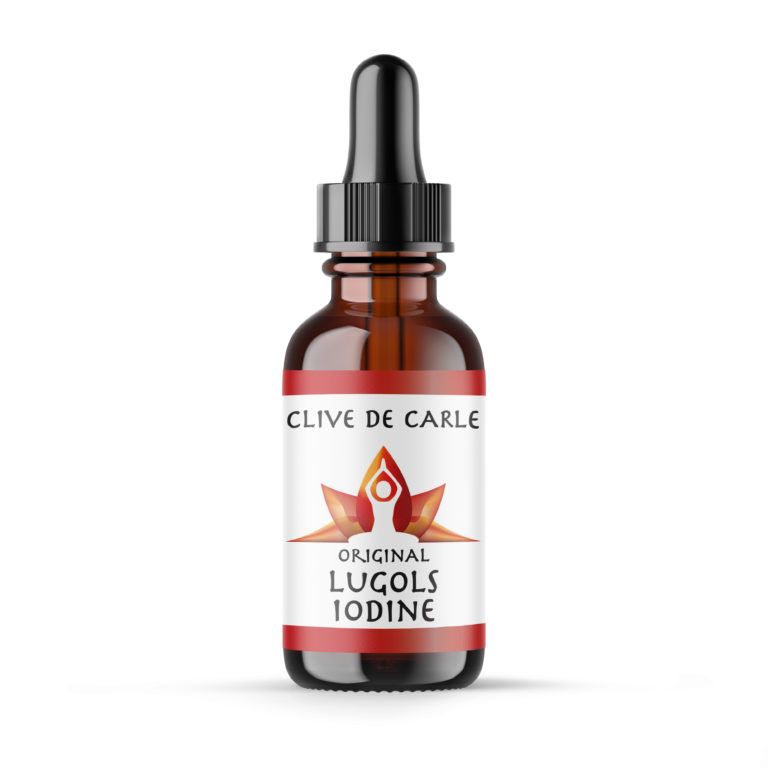
Lugol’s Iodine – Hormonal Issues, Menopause, Immune System, Brain Fog, Memory, Thyroid, Dry Skin

Clean Slate – Detoxes thousands of chemicals,heavy metals, pesticides, allergens, mold spores and fungus
INNERSTANDING may earn a commission on purchases made through these links. All products are selected based on rigorous educational relevance to our biological research.
RABBIT HOLE
Follow the biological thread deeper