
Microbial Translocation: The Intestinal Origin of Dermatological Inflammation
Published April 2026
The gut-skin axis is not merely a theoretical concept but a well-documented pathway of systemic immune signalling. This investigative piece explores how intestinal permeability leads to the translocation of Lipopolysaccharides (LPS) into the bloodstream, triggering Th17-mediated inflammatory responses that manifest on the skin. We examine why topical-only approaches to acne and psoriasis consistently fail the long-term patient.
Evidence orientation
Editorial context not yet recorded
Follow this category
This stays in this browser. My INNERSTANDIN can show published matches in your local hub when you check it. It does not send email, push, or alert notifications.
Local learning review
A private browser aid for revisiting ideas. It is not an alert or a health recommendation.
Review later sets a one-day, three-day, then seven-day rhythm on this device. Choose it only when you want to revisit this article.
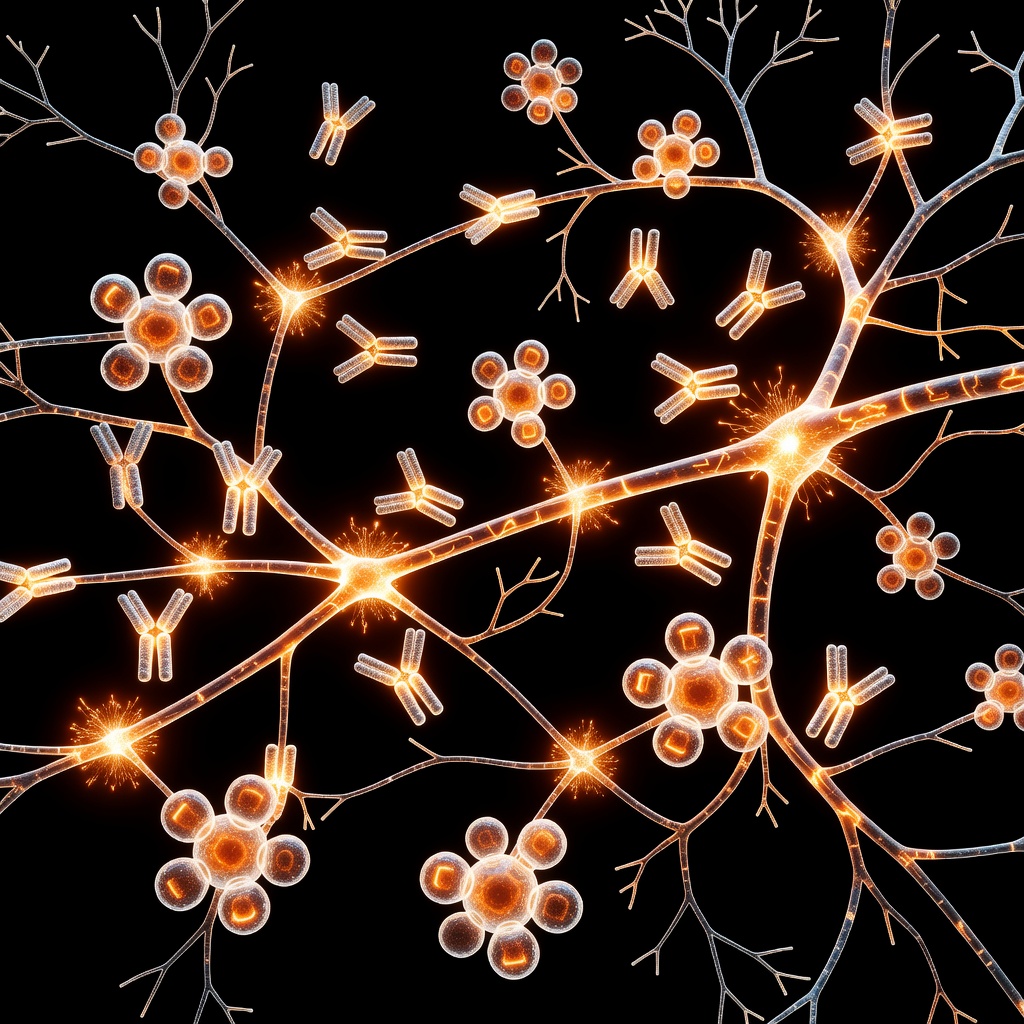
For decades, dermatology has operated in a silo, treating skin conditions as localised phenomena. However, emerging research into the gut-skin axis suggests that many chronic dermatological conditions are actually systemic symptoms of intestinal dysbiosis. The mechanism at play is microbial translocation. When the integrity of the intestinal lining is compromised—a condition often referred to as 'leaky gut'—endotoxins like Lipopolysaccharides (LPS) from Gram-negative bacteria leak into the systemic circulation. This triggers a cascade of pro-inflammatory cytokines, specifically activating the Th17 (T-helper 17) immune pathway.
The skin, as a primary immune organ, responds to these circulating signals. High levels of Th17 activity are directly correlated with the hyper-proliferation of keratinocytes seen in psoriasis and the inflammatory lesions of cystic acne. Conventional medicine typically addresses this with topical steroids or retinoids, which suppress the local immune response or alter cell turnover but do nothing to stop the 'leaky' source of the inflammation. Statistics show that up to 34 percent of patients with Irritable Bowel Syndrome (IBS) also present with skin manifestations, highlighting the biological link. Furthermore, the gut microbiome modulates the production of Short-Chain Fatty Acids (SCFAs) like butyrate, which have systemic anti-inflammatory effects and help regulate the skin's own immune tolerance.
A deficiency in these SCFAs, often due to a low-fibre diet or antibiotic overuse, leaves the skin's immune system 'on high alert.' Environmental factors, including the Western diet high in emulsifiers and processed sugars, further exacerbate this by thinning the intestinal mucus layer. For the health-educated individual, achieving clear skin requires more than just high-quality topicals; it necessitates a focus on intestinal integrity. This includes the strategic use of prebiotic fibres, the avoidance of gut-disrupting additives, and the management of chronic stress, which is known to increase both intestinal and skin barrier permeability via the release of Substance P. By treating the gut, we provide
the biological foundation
for the skin to heal itself.
This article is provided for informational and educational purposes only. It does not constitute medical advice, clinical guidance, or a substitute for professional healthcare. Information reflects cited research at time of publication. Always consult a qualified healthcare professional before acting on any health information.
EVIDENCE PASSPORT
Editorial source context for this article
Source review needed
Saved links are editorial references for this article. They may support specific claims rather than every sentence. Open and assess each source in context. This passport does not independently verify them.
Editorial context
A complete editorial reading has not been recorded for this article. Source links remain available for you to open and assess directly.
Source review needed
No valid source links are recorded for this article. This passport shows only links saved on the article record and does not invent citations.
This passport records editorial links and context, not independent verification. Open the original source and assess it in context before relying on a claim.
Medical Disclaimer
The information in this article is for educational purposes only and does not constitute medical advice, diagnosis, or treatment. Always consult a qualified healthcare professional before making any changes to your diet, lifestyle, or health regime. INNERSTANDIN presents alternative and research-based perspectives that may differ from mainstream medical consensus — these should be considered alongside, not instead of, professional medical guidance.
Read Full DisclaimerContinue the thread
Keep this question moving.
Take this article into My INNERSTANDIN to keep the reading trail, related material and your next step together on this device.
Explore this in the Body Map
See where this hits your biology. Interactive anatomy, threats, and protective protocols.
Dig deeper in the Library
Free, longform PDF volumes that go beyond headlines into mechanisms and references.