The Splenic Reservoir: Investigating the Emergency Leukocyte Response to Myocardial Stress
Recent breakthroughs in cardiology reveal the spleen as a massive reservoir for undifferentiated monocytes that deploy during a myocardial infarction. This article breaks down the 'Spleen-Heart Axis,' showing how the spleen modulates the inflammatory response post-injury. We challenge the view of the spleen as a passive organ, positioning it as a dynamic emergency responder that dictates the outcome of cardiac recovery.

For decades, it was assumed that the inflammatory cells required for tissue repair after a heart attack originated solely from the bone marrow. However, landmark research (notably Swirski et al., 2009) identified the spleen as a critical reservoir for a vast population of Ly6C(high) monocytes. In the event of an acute myocardial infarction (MI) or other major ischaemic events, the spleen undergoes a coordinated contraction, mediated by the sympathetic nervous system, to eject these monocytes into the bloodstream. These cells migrate to the site of injury to participate in both the inflammatory and the healing phases of tissue remodeling. This 'Splenic Reservoir' mechanism changes our understanding of cardiovascular recovery.
If the spleen is overactive—often due to chronic stress or high levels of sympathetic drive—it can release an excess of pro-inflammatory monocytes, leading to excessive scarring (fibrosis) in the heart and potentially contributing to heart failure. Conversely, an 'exhausted' splenic response may result in poor tissue repair and an increased risk of cardiac rupture. The biological mechanism is governed by the subcapsular red pulp, where these monocytes reside in a niche that allows for rapid mobilization. This discovery highlights the importance of the autonomic nervous system in splenic health. Chronic 'fight or flight' states keep the spleen in a state of constant, low-level contraction, depleting the monocyte niche and promoting systemic inflammation.
In the UK, where cardiovascular disease remains a leading cause of mortality, focusing on the spleen-heart axis offers a new therapeutic window. Practical takeaways for the health-educated adult involve modulating the vagus nerve to balance sympathetic splenic output. Techniques such as deep diaphragmatic breathing and cold-water immersion have been shown to influence the splenic nerve, potentially refining the monocyte release during stress. Furthermore, nutrients like magnesium and nitrates found in leafy greens support the smooth muscle relaxation of the splenic capsule, ensuring the reservoir is not prematurely emptied by subclinical stress.
This article is provided for informational and educational purposes only. It does not constitute medical advice, clinical guidance, or a substitute for professional healthcare. Information reflects cited research at time of publication. Always consult a qualified healthcare professional before acting on any health information.
RESEARCH FOUNDATIONS
Biological Credibility Archive
Citations provided for educational reference. Verify via PubMed or institutional databases.
Medical Disclaimer
The information in this article is for educational purposes only and does not constitute medical advice, diagnosis, or treatment. Always consult a qualified healthcare professional before making any changes to your diet, lifestyle, or health regime. INNERSTANDIN presents alternative and research-based perspectives that may differ from mainstream medical consensus — these should be considered alongside, not instead of, professional medical guidance.
Read Full DisclaimerReady to learn more?
Continue your journey through our classified biological research.
DISCUSSION ROOM
Members of THE COLLECTIVE discussing "The Splenic Reservoir: Investigating the Emergency Leukocyte Response to Myocardial Stress"
SILENT CHANNEL
Be the first to discuss this article. Your insight could help others understand these biological concepts deeper.
THE ARSENAL
Based on Spleen Health — products curated by our research team for educational relevance and biological support.
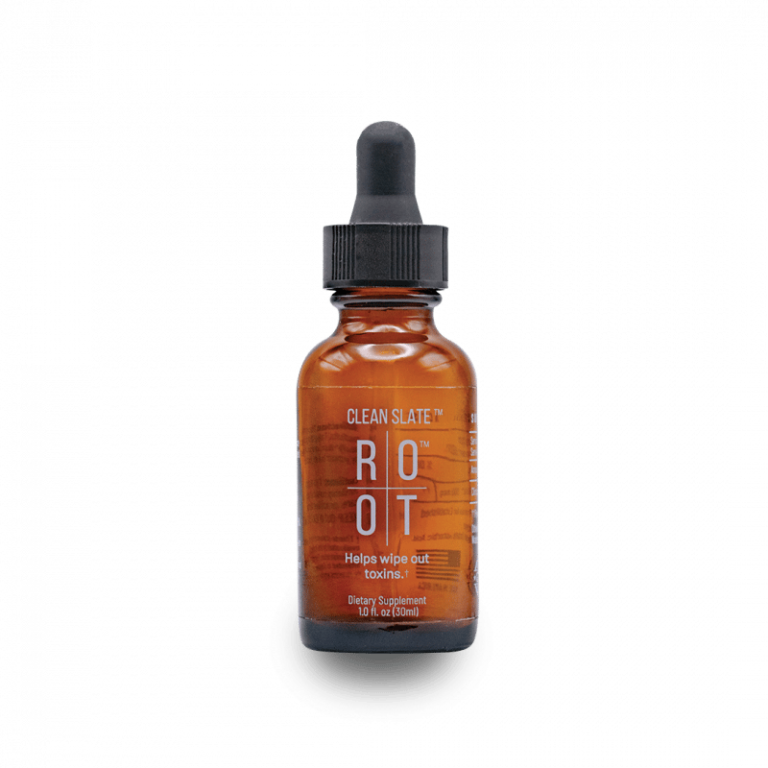
Clean Slate – Detoxes thousands of chemicals,heavy metals, pesticides, allergens, mold spores and fungus
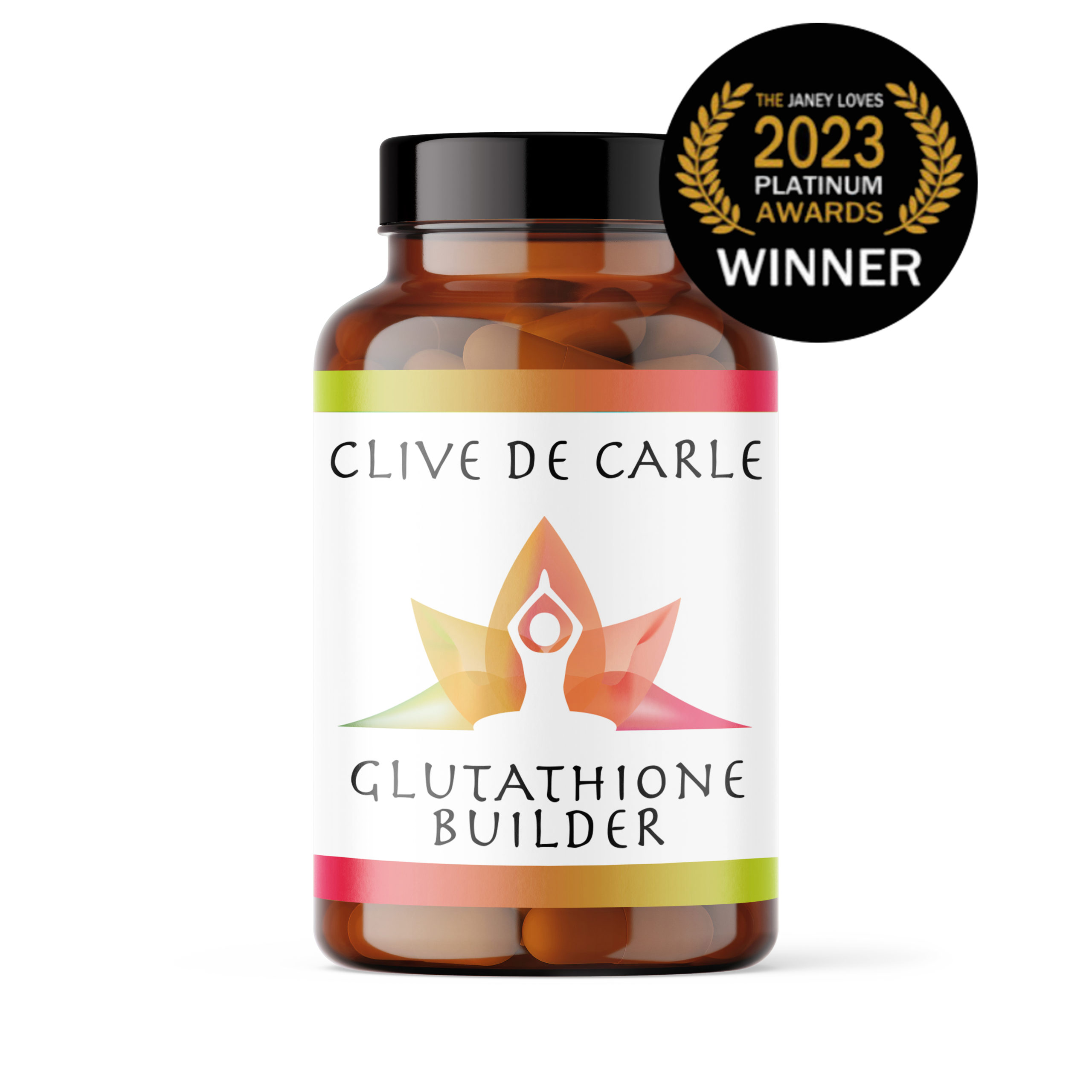
Glutathione Builder – Advanced Amino Acid Formula
Magnesium Blend – The Most Important Mineral
INNERSTANDING may earn a commission on purchases made through these links. All products are selected based on rigorous educational relevance to our biological research.
RABBIT HOLE
Follow the biological thread deeper