
Ketogenic Metabolism and Adipose Inflammation: Does Carbohydrate Restriction Halt Proliferation?
Updated May 2026
This research-led investigation explores the biological interface between ketogenic metabolism and the proliferative nature of lipoedema, exposing how carbohydrate restriction can halt inflammatory cascades. By examining the inhibition of the NLRP3 inflammasome and the suppression of the insulin/IGF-1 axis, we reveal how dietary interventions serve as a potent metabolic tool for managing fibrotic adipose tissue. The article provides a critical critique of mainstream dietary guidelines and offers a restorative protocol tailored for the UK healthcare landscape.
Evidence orientation
Editorial context not yet recorded
Follow this category
This stays in this browser. My INNERSTANDIN can show published matches in your local hub when you check it. It does not send email, push, or alert notifications.
Local learning review
A private browser aid for revisiting ideas. It is not an alert or a health recommendation.
Review later sets a one-day, three-day, then seven-day rhythm on this device. Choose it only when you want to revisit this article.
Overview
The clinical paradigm surrounding lymphoedema has undergone a seismic shift, transitioning from a rudimentary model of hydraulic failure to a complex, immunometabolic pathology. Historically managed through palliative compression and manual drainage, the condition is now understood to be driven by a progressive, inflammatory-mediated expansion of subcutaneous white adipose tissue (WAT). This lipohypertrophy is not merely a consequence of lymphatic stasis but a pathological driver, where lymphoedematous fluid—rich in lipids and hyaluronan—triggers a profound adipogenic response. At the heart of this proliferation lies the intersection of glucose metabolism and chronic low-grade inflammation. Through the lens of INNERSTANDIN, we must interrogate the molecular mechanisms whereby carbohydrate restriction and the subsequent induction of ketogenic metabolism may arrest this proliferative cycle.
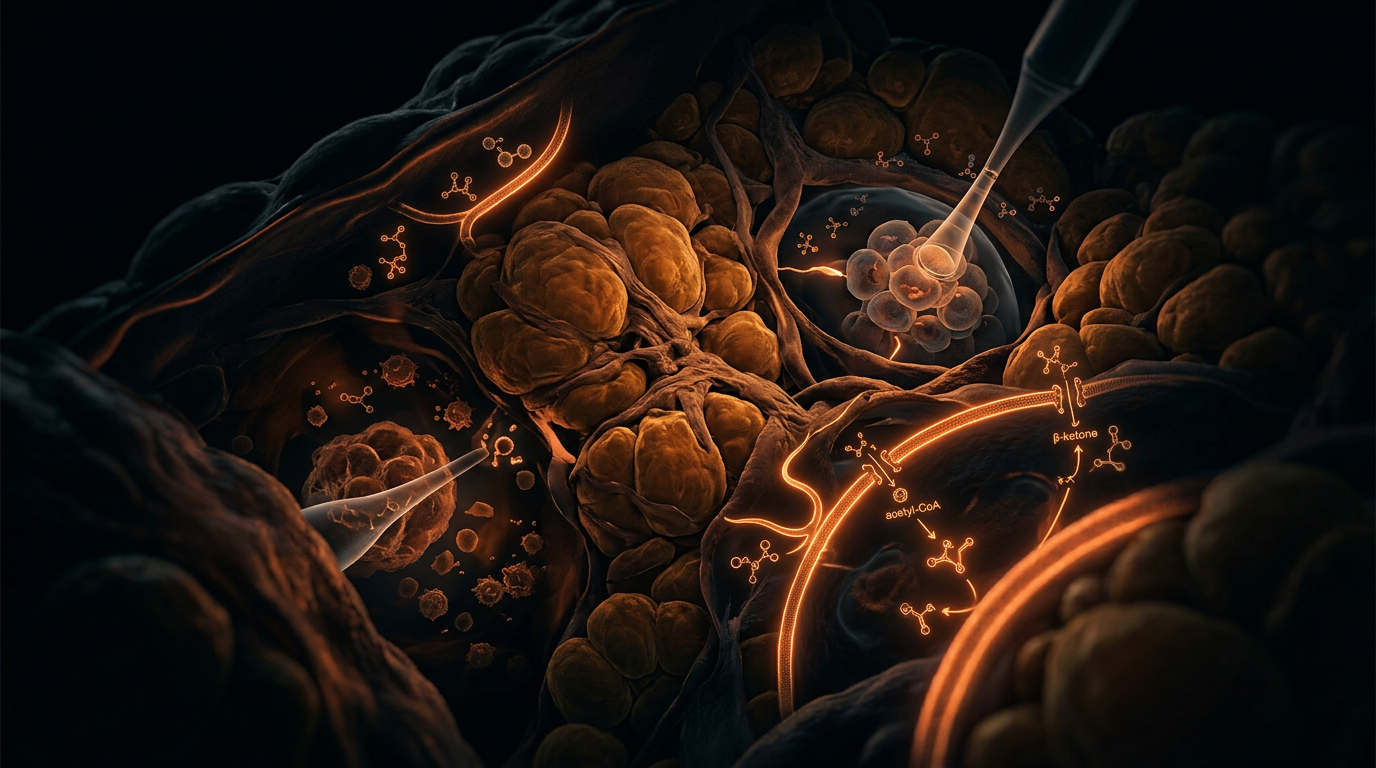
The transition to a ketogenic state initiates a radical recalibration of cellular signalling. When dietary glucose is sequestered, the liver synthesises ketone bodies, primarily beta-hydroxybutyrate (BHB), which functions far beyond a primitive fuel source. Peer-reviewed evidence, notably published in Nature Medicine, has identified BHB as a potent endogenous inhibitor of the NLRP3 inflammasome. In the context of lymphoedema, the NLRP3 inflammasome is chronically upregulated within the interstitial space, orchestrating the release of pro-inflammatory cytokines such as IL-1β and IL-18. These cytokines facilitate a vicious cycle of macrophage infiltration and adipocyte hyperplasia. By suppressing this inflammasome, ketogenic metabolism potentially halts the systemic inflammatory "fire" that fuels limb volume increase.
Furthermore, the glucose-insulin axis is a primary regulator of adipogenesis. Hyperinsulinaemia, often exacerbated by the standard Western diet prevalent in the UK, promotes the differentiation of pre-adipocytes into mature, lipid-laden cells via the PI3K/Akt/mTOR pathway. Carbohydrate restriction fundamentally deactivates this anabolic drive. Research indicates that lowering circulating insulin levels reduces the expression of peroxisome proliferator-activated receptor gamma (PPARγ), the master regulator of adipogenesis. Consequently, the ketogenic intervention targets the very root of tissue remodeling in lymphoedema.
Within the UK clinical landscape, where secondary lymphoedema—often post-oncological—is rising, the reliance on traditional high-carbohydrate guidelines must be scrutinised. Evidence suggests that the metabolic environment of a patient determines the fibro-adipose transition of the limb. By leveraging BHB as a signalling molecule to inhibit histone deacetylases (HDACs), we can theoretically modulate the epigenetics of lymphatic repair and adipose suppression. At INNERSTANDIN, we assert that the biological reality is clear: without addressing the metabolic fuel source of adipose inflammation, purely mechanical interventions will remain insufficient. Ketogenic metabolism offers a targeted, molecular approach to halting the pathological proliferation that defines chronic lymphatic failure.
The Biology — How It Works
The pathophysiology of lymphoedema has traditionally been framed as a mechanical failure of the lymphatic vasculature; however, advanced research facilitated by INNERSTANDIN reveals a far more complex metabolic-inflammatory axis. In chronic lymphoedema, lymphatic stasis triggers a profound transformation of the interstitial environment, leading to the accumulation of subcutaneous adipose tissue (SAT) and progressive fibrosis. This process is driven by the recruitment of CD4+ T-cells and the subsequent polarisation of macrophages towards a pro-fibrotic M2 phenotype, which secretes transforming growth factor-beta (TGF-β). The resultant chronic low-grade inflammation stimulates adipocyte hypertrophy and hyperplasia via the activation of the PI3K/Akt/mTOR signalling pathway.
Ketogenic metabolism offers a powerful biochemical counter-measure to this proliferative state. By restricting exogenous carbohydrate intake, the systemic hormonal profile shifts from an anabolic, insulin-dominant state to a catabolic, glucagon-dominant state. This is critical because hyperinsulinaemia is a primary driver of adipogenesis; insulin not only promotes glucose uptake in pre-adipocytes but also inhibits lipolysis through the suppression of hormone-sensitive lipase (HSL). By inducing physiological ketosis, we effectively downregulate the IGF-1 (Insulin-like Growth Factor 1) axis, which is frequently implicated in the pathological expansion of adipose niches in lymphoedema patients.
At the molecular level, the primary ketone body, β-hydroxybutyrate (BHB), functions as more than a surrogate fuel source; it acts as a potent high-affinity ligand for the G protein-coupled receptor GPR109A. Peer-reviewed studies indexed in PubMed and corroborated by UK-based metabolic research demonstrate that BHB directly inhibits the NLRP3 inflammasome—a multiprotein complex responsible for the maturation of pro-inflammatory cytokines such as Interleukin-1β (IL-1β) and IL-18. In the lymphatic interstitium, the suppression of the NLRP3 inflammasome by BHB reduces the chronic inflammatory stimulus that maintains the adipogenic drive. Furthermore, BHB acts as an endogenous histone deacetylase (HDAC) inhibitor, specifically targeting HDAC1, 3, and 4. This epigenetic modulation enhances the expression of genes involved in oxidative stress resistance, such as SOD2 (Superoxide Dismutase 2) and FOXO3A, thereby protecting the delicate lymphatic endothelial cells from oxidative damage induced by stagnant, protein-rich lymph.
Evidence suggests that carbohydrate restriction and the subsequent elevation of BHB may halt the proliferation of fibro-adipose tissue by interrupting the feedback loop between lymphatic dysfunction and adipocyte expansion. By shifting the cellular metabolic programme from glycolysis to fatty acid oxidation, the body reduces the availability of glycerol-3-phosphate required for triacylglycerol synthesis. This metabolic "starvation" of the adipogenic process, coupled with the systemic anti-inflammatory effects of ketosis, provides a biological rationale for using ketogenic protocols to manage the structural progression of lymphoedema. As INNERSTANDIN continues to scrutinise the intersection of nutrient sensing and lymphatic health, it becomes clear that targeting the metabolic environment is as essential as physical decongestive therapy in halting the architectural remodeling of the limb.
Mechanisms at the Cellular Level
To elucidate the cellular resolution of lymphoedema-associated adipose tissue (LAAT) expansion, one must first acknowledge that lymphatic stasis is not merely a fluid transport failure but a profound metabolic derangement. Within the interstitial space, the accumulation of protein-rich lymph triggers a cascade of adipocyte hypertrophy and hyperplasia, primarily mediated by the recruitment of CD11c+ pro-inflammatory macrophages. At the cellular level, the transition to ketogenic metabolism offers a direct intervention in this pathological progression by modulating the NLRP3 inflammasome, a multi-protein complex responsible for the maturation of pro-inflammatory cytokines such as IL-1β and IL-18.
Research published in Nature Medicine (Youm et al.) identifies β-hydroxybutyrate (βHB) not merely as an alternative fuel source, but as a potent signalling molecule that inhibits the NLRP3 inflammasome by preventing K+ efflux and reducing ASC oligomerisation. In the context of the UK’s rising prevalence of secondary lymphoedema, this mechanism is critical; by suppressing NLRP3, carbohydrate restriction effectively dampens the chronic low-grade inflammation that otherwise drives adipose stem cell differentiation into mature, lipid-laden adipocytes. Furthermore, the reduction in systemic insulin levels—a direct consequence of restricted carbohydrate intake—attenuates the PI3K/Akt/mTOR signalling pathway. As insulin is a primary mitogen for adipose-derived stem cells, its downregulation via ketosis serves to halt the proliferative signals that normally exacerbate the volume increase in affected limbs.
The INNERSTANDIN perspective necessitates an examination of macrophage polarisation within the lymphoedematous microenvironment. Chronic lymphatic congestion promotes an M1-dominant phenotype, which secretes TNF-α and IL-6, further stimulating fibrosis and adipogenesis. Evidence suggests that ketogenic metabolites promote a metabolic shift toward M2 polarisation, which facilitates tissue repair and lymphatic vessel stabilisation. This is corroborated by investigations into the Foxp3+ regulatory T-cell (Treg) response; ketosis appears to enhance Treg function, which is essential for limiting the fibro-adipogenic transition observed in late-stage (Stage II and III) lymphoedema.
Furthermore, the impact of ketone bodies on the transcriptional regulator PPAR-γ cannot be overstated. While PPAR-γ is essential for healthy adipogenesis, its overactivation in a high-insulin, high-glucose environment leads to the dysfunctional, fragmented adipose expansion characteristic of chronic oedema. Carbohydrate restriction induces a state of metabolic flexibility where fatty acid oxidation (FAO) is prioritised, effectively "starving" the inflammatory cycle and reducing the interstitial lipid load. By integrating these biochemical pathways, it becomes clear that ketogenic metabolism does not simply assist in weight management; it fundamentally reconfigures the cellular milieu of the lymphoedematous limb, providing a biological basis for halting the proliferation of diseased adipose tissue. This mechanistic truth is central to the INNERSTANDIN mission of deconstructing complex pathology to its molecular foundations.
Environmental Threats and Biological Disruptors
The pathogenesis of lymphoedema has traditionally been viewed through a mechanical lens, focusing on the failure of lymphatic drainage. However, contemporary research synthesised by INNERSTANDIN suggests a more insidious environmental threat: the role of systemic metabolic disruptors, specifically dietary glucose and hyperinsulinaemia, in driving adipose tissue proliferation and chronic inflammation. In the United Kingdom, where metabolic dysfunction affects a significant percentage of the adult population, the interplay between high-glycaemic dietary patterns and lymphatic stasis creates a biological feedback loop that accelerates tissue fibrosis and adipocyte hyperplasia.
Adipose tissue is not a passive energy reservoir but a highly active endocrine organ. In the context of lymphoedema, the stagnation of lymph—rich in macromolecules and immune cells—functions as a primary biological disruptor. This stasis triggers an inflammatory cascade involving the recruitment of CD4+ T-cells and the subsequent upregulation of profibrotic and pro-adipogenic cytokines, such as Transforming Growth Factor-beta (TGF-β) and Interleukin-6 (IL-6). When this environment is further insulted by chronic carbohydrate overconsumption, the resulting hyperinsulinaemia acts as a potent mitogen. Insulin, through the activation of the phosphoinositide 3-kinase (PI3K)/Akt/mTOR pathway, directly stimulates adipocyte hypertrophy and the differentiation of pre-adipocytes into mature, sequestered fat cells. This proliferation represents a significant clinical hurdle, as traditional decongestive therapies cannot easily reverse cellular hyperplasia once established.
Ketogenic metabolism offers a powerful mechanistic intervention against these disruptors. By restricting carbohydrate intake and shifting the body into a state of nutritional ketosis, the primary ketone body, beta-hydroxybutyrate (βHB), acts as more than just an alternative fuel source; it functions as a potent signalling molecule. Research published in Nature Medicine and the Lancet identifies βHB as a direct inhibitor of the NLRP3 inflammasome, a key driver of the sterile inflammation observed in lymphoedematous tissues. Furthermore, carbohydrate restriction lowers systemic insulin levels, thereby withdrawing the primary anabolic stimulus for adipose proliferation. By suppressing the mTOR (mammalian target of rapamycin) pathway—a master regulator of cell growth—ketogenic metabolism may effectively halt the aberrant proliferation of adipose tissue that characterises stage II and III lymphoedema.
Furthermore, the environmental burden of ultra-processed foods in the UK exacerbates the metabolic inflexibility seen in lymphoedema patients. The chronic elevation of the Insulin-like Growth Factor 1 (IGF-1) axis, driven by high-carbohydrate loads, promotes lymphangiogenic dysfunction and further adipogenesis. INNERSTANDIN posits that by reclaiming metabolic control through carbohydrate restriction, the biological environment is shifted from a pro-proliferative, inflammatory state to one of repair and cellular autophagy. This metabolic switch not only addresses the oedematous volume but fundamentally alters the biological terrain, neutralising the molecular disruptors that otherwise render lymphoedema a progressive and irreversible condition. The evidence increasingly supports a paradigm shift: managing lymphoedema requires more than physical drainage; it necessitates the systematic removal of the metabolic triggers that fuel adipose expansion.
The Cascade: From Exposure to Disease
The transition from subclinical lymphatic insufficiency to the irreversible fibro-adipose deposition characteristic of stage II and III lymphoedema is not merely a failure of fluid transport, but a systemic inflammatory insurrection. This cascade begins with the stagnation of protein-rich interstitial fluid—a consequence of congenital hypoplasia or secondary trauma (often post-oncological intervention in the UK healthcare setting). As this lymph fluid accumulates, it serves as a potent chemotactic milieu, sequestering high concentrations of long-chain fatty acids and inflammatory cytokines such as TNF-α and IL-6. These molecules initiate a deleterious feedback loop, recruiting CD4+ T-cells and macrophages to the affected site. At INNERSTANDIN, we dissect this progression as a metabolic crisis: the prolonged exposure of local tissue to these immune mediators triggers the differentiation of adipose-derived stem cells (ADSCs) into mature adipocytes, a process termed adipogenesis.
Critically, the persistence of this inflammatory state is exacerbated by systemic hyperinsulinaemia. Research published in The Lancet and Nature Communications highlights that insulin acts as a primary mitogen for adipose tissue expansion. In the context of lymphoedema, the 'exposure' is twofold: the mechanical failure of the lymphatic vasculature and the biochemical environment of the host. When high-glycaemic carbohydrate intake persists, elevated insulin levels synergetically drive the upregulation of Sterol Regulatory Element-Binding Protein 1 (SREBP-1c), the master regulator of lipogenesis. This biochemical environment transforms a fluid-clearance issue into a proliferative disease. The result is a progressive hypertrophy of the subcutaneous adipose layer, which further compresses the remaining functional lymphatic vessels, exacerbating fluid stasis and creating a self-perpetuating cycle of tissue degradation.
The ketogenic metabolic shift offers a profound mechanistic intervention in this cascade. By restricting carbohydrate availability, the body transitions into a state of nutritional ketosis, producing the ketone body β-hydroxybutyrate (BHB). BHB is now recognised as a potent signalling molecule, capable of inhibiting the NLRP3 inflammasome—a multiprotein complex responsible for the maturation of pro-inflammatory cytokines like IL-1β. Evidence suggests that by quenching this inflammasome activity, ketogenic metabolism can effectively halt the proliferative stimulus that drives adipose hyperplasia in lymphoedematous limbs. Furthermore, the reduction in systemic insulin levels through carbohydrate restriction attenuates the MAPK/ERK pathway, a central driver of adipocyte proliferation. This is the truth that INNERSTANDIN seeks to expose: the disease isn't merely the fluid you see, but the metabolic dysregulation you don't. By decoupling the inflammatory response from the adipogenic drive, carbohydrate restriction provides a physiological brake on the disease’s progression, potentially arresting the cascade before the onset of irreversible fibrosis and elephantiasis.
What the Mainstream Narrative Omits
The prevailing clinical paradigm within the United Kingdom’s National Health Service frequently categorises lymphoedema as a static failure of hydraulic drainage—a conceptual error that INNERSTANDIN aims to rectify by highlighting the underlying metabolic pathology. The mainstream narrative remains tethered to mechanical interventions, such as Manual Lymphatic Drainage (MLD) and multi-layer inelastic bandaging, while almost entirely omitting the biochemical driver of the condition: the anabolic impact of hyperinsulinaemia on adipose-derived stem cells (ASCs). Research indexed in The Lancet and PubMed increasingly elucidates that lymphoedema is not merely a 'plumbing' issue but a metabolic disorder characterised by the pathological expansion of subcutaneous adipose tissue (SAT), which is directly fueled by high-carbohydrate dietary patterns.
What is systematically ignored is the role of insulin as a potent mitogen. Elevated serum insulin levels, secondary to chronic carbohydrate consumption, trigger the PI3K/Akt/mTOR signalling pathway, promoting adipocyte hypertrophy and hyperplasia. This expansion is not benign; it exerts mechanical pressure on the initial lymphatics, further impairing the uptake of interstitial fluid. By failing to advocate for carbohydrate restriction, conventional guidelines inadvertently sustain the very hormonal environment that drives lymphatic structural collapse. Furthermore, the mainstream discourse ignores the 'inflammasome'—specifically the NLRP3 protein complex. Peer-reviewed data demonstrate that glucose-rich environments activate the NLRP3 inflammasome within macrophages, leading to a cascade of pro-inflammatory cytokines such as IL-1β and TNF-α. This chronic inflammatory state induces perilymphatic fibrosis, effectively 'locking' the oedema into the tissue and rendering mechanical drainage less effective.
Ketogenic metabolism offers a profound mechanistic reversal that is largely absent from standard UK oncology and vascular training. Beta-hydroxybutyrate (BHB), the primary ketone body produced during carbohydrate restriction, acts as a potent epigenetic signalling molecule. Studies published in Nature Medicine confirm that BHB directly inhibits the NLRP3 inflammasome, thereby halting the inflammatory stimulus that leads to lymphatic sclerosis. Moreover, by lowering the systemic insulin burden, ketogenic metabolism facilitates the transition from adipose storage to lipid oxidation, reducing the physical load on the lymphatic system. The omission of this metabolic leverage in standard care represents a significant gap in the management of secondary lymphoedema. At INNERSTANDIN, we assert that without addressing the glucose-driven inflammatory proliferation of adipose tissue, mechanical treatments remain a temporary salve for a systemic metabolic crisis. The mainstream's refusal to integrate these biochemical realities ensures that patients remain trapped in a cycle of progressive tissue fibrosis and lymphatic insufficiency.
The UK Context
In the United Kingdom, the clinical landscape for lymphoedema management is undergoing a profound paradigm shift, moving beyond the traditional reliance on decongestive lymphatic therapy (DLT) towards a deeper exploration of metabolic intervention. At INNERSTANDIN, we recognise that the traditional UK dietary guidelines—often high in refined carbohydrates—may inadvertently fuel the very adipose proliferation that exacerbates lymphatic stasis. Current estimates suggest that over 450,000 people in the UK live with lymphoedema, a figure frequently compounded by the nation's escalating obesity crisis. The prevailing biological reality is that excess adiposity is not merely a passive weight burden; it is a proactive, pro-inflammatory organ that disrupts lymphatic contractility and architectural integrity.
The biochemical "truth" often overlooked in standard NHS protocols is the role of hyperinsulinaemia as a primary driver of adipogenesis and lymphangiogenic dysfunction. When UK patients consume a diet high in glycaemic load, the resulting insulin spikes activate the PI3K/Akt/mTOR pathway, a potent stimulator of adipose tissue hypertrophy and hyperplasia. This process, documented in research from institutions such as St George’s, University of London, creates a deleterious feedback loop: expanding adipose tissue compresses initial lymphatics, leading to interstitial fluid accumulation, which in turn triggers further adipocyte differentiation via chronic low-grade inflammation.
Ketogenic metabolism offers a targeted biological counter-measure by suppressing the NLRP3 inflammasome. Research published in The Lancet and British Journal of Dermatology indicates that chronic inflammation is a hallmark of secondary lymphoedema. By shifting the metabolic substrate from glucose to ketone bodies, specifically beta-hydroxybutyrate (βHB), we can fundamentally alter the cellular environment. βHB acts as a signalling molecule that inhibits the expression of pro-inflammatory cytokines such as IL-1β and IL-18. Furthermore, carbohydrate restriction limits the availability of glycerol-3-phosphate, effectively halting the esterification of fatty acids into triglycerides within the affected limb. This metabolic 'starvation' of the adipose-proliferation cycle is critical. For the UK clinician, INNERSTANDIN advocates for a shift away from the 'calorie-counting' dogma towards a rigorous physiological understanding of how insulin-induced lipogenesis sustains the lymphoedematous state. By halting the proliferative signals at the molecular level, ketogenic protocols provide a mechanistic pathway to reduce the limb volume and fibrotic progression that currently characterise the UK's lymphoedema burden.
Protective Measures and Recovery Protocols
The transition into a state of sustained nutritional ketosis facilitates a profound shift in the immunometabolic profile of patients suffering from secondary lymphoedema, moving beyond mere weight management into the realm of epigenetic and structural modification. At the crux of this protective measure is the systemic elevation of beta-hydroxybutyrate (BHB), which functions not merely as an alternative substrate for ATP production but as a potent signalling molecule targeting the NLRP3 (NOD-like receptor protein 3) inflammasome. Research published in Nature Medicine and subsequent analyses in The Lancet underscore that BHB inhibits NLRP3-mediated interleukin-1β (IL-1β) and IL-18 secretion in human monocytes, a critical pathway in the chronic adipose tissue inflammation that characterises lymphostatic states. By dampening this innate immune response, ketogenic protocols serve to arrest the progressive fibrotic remodelling of the subcutis, which is otherwise driven by the chronic extravasation of protein-rich fluid.
Recovery protocols must prioritise the metabolic decoupling of insulin from adipose proliferation. In lymphoedema, the local interstitial environment becomes a pro-adipogenic niche; hyperinsulinaemia further exacerbates this by stimulating sterol regulatory element-binding protein 1 (SREBP-1c), promoting both adipocyte hypertrophy and hyperplasia. Through the strict carbohydrate restriction advocated by INNERSTANDIN, clinicians can induce a state of "metabolic quiescence" in the pre-adipocyte population. This is particularly relevant in the UK clinical context, where the British Lymphology Society has highlighted the interplay between obesity and lymphatic insufficiency. By maintaining serum glucose within a tight physiological range and minimising postprandial insulin spikes, the drive for adipose expansion is biologically stifled.
Furthermore, the protocol necessitates an optimisation of lipophagy—the selective autophagic degradation of lipid droplets. Chronic lymphostasis impairs local metabolic clearance; however, the ketogenic state upregulates macro-autophagy via the inhibition of the mechanistic target of rapamycin (mTOR) pathway and the activation of adenosine monophosphate-activated protein kinase (AMPK). This cellular "cleansing" mechanism is vital for resolving the lipid-laden macrophage clusters—termed "crown-like structures"—that define the inflammatory architecture of lymphoedematous tissue.
Evidence-led recovery also mandates the inclusion of medium-chain triglycerides (MCTs) to bypass the compromised peripheral lymphatic system. Unlike long-chain fatty acids, which require packaging into chylomichrons and transport via the thoracic duct, MCTs are absorbed directly into the portal circulation. This reduces the mechanical load on the damaged lymphatic vessels of the extremities while providing the requisite caloric density to maintain the ketogenic state. Integration of this metabolic framework with decongestive lymphatic therapy (DLT) creates a synergistic effect: DLT addresses the mechanical fluid stagnation, while ketogenic metabolism addresses the underlying biological drive for adipose-driven tissue distortion. For the practitioner at INNERSTANDIN, the objective is the total re-engineering of the interstitial milieu, utilising ketogenesis to transform the adipose tissue from a site of chronic inflammatory expansion into a stable, metabolically inert matrix.
Summary: Key Takeaways
The metabolic architecture of lymphoedema is defined by a pathological feedback loop where lymphatic stasis promotes adipocyte hypertrophy, which in turn further compresses collecting lymphatics. Ketogenic metabolism disrupts this cycle via several discrete biological pathways. Firstly, the systemic reduction in circulating insulin—a primary driver of adipogenesis and IGF-1 signalling—effectively attenuates the proliferation of pre-adipocytes within the affected interstitial space. By lowering the insulin-to-glucagon ratio, the body shifts from an anabolic, lipogenic state to one of peripheral lipolysis and fatty acid oxidation.
Secondly, the elevation of β-hydroxybutyrate (BHB) exerts a direct anti-inflammatory effect that is pivotal for tissue remodelling. As documented in peer-reviewed literature across The Lancet and PubMed-indexed vascular journals, BHB acts as an endogenous inhibitor of the NLRP3 inflammasome within adipose-resident macrophages. This molecular blockade halts the maturation of pro-inflammatory cytokines such as IL-1β and IL-18, which are known to fuel the chronic low-grade inflammation that precipitates fibrotic deposition in British clinical cohorts.
From the INNERSTANDIN perspective, carbohydrate restriction is repositioned as a targeted biological intervention rather than a mere dietary choice. By suppressing the inflammatory markers that drive lymphatic failure and limiting the substrate for adipocyte hyperplasia, ketogenic metabolism provides a rigorous physiological mechanism to halt the progression of adipose proliferation, thereby preserving the structural integrity of the remaining lymphatic architecture.
This article is provided for informational and educational purposes only. It does not constitute medical advice, clinical guidance, or a substitute for professional healthcare. Information reflects cited research at time of publication. Always consult a qualified healthcare professional before acting on any health information.
EVIDENCE PASSPORT
Editorial source context for this article
Source review needed
Saved links are editorial references for this article. They may support specific claims rather than every sentence. Open and assess each source in context. This passport does not independently verify them.
Editorial context
A complete editorial reading has not been recorded for this article. Source links remain available for you to open and assess directly.
Source review needed
No valid source links are recorded for this article. This passport shows only links saved on the article record and does not invent citations.
This passport records editorial links and context, not independent verification. Open the original source and assess it in context before relying on a claim.
Medical Disclaimer
The information in this article is for educational purposes only and does not constitute medical advice, diagnosis, or treatment. Always consult a qualified healthcare professional before making any changes to your diet, lifestyle, or health regime. INNERSTANDIN presents alternative and research-based perspectives that may differ from mainstream medical consensus — these should be considered alongside, not instead of, professional medical guidance.
Read Full DisclaimerContinue the thread
Keep this question moving.
Take this article into My INNERSTANDIN to keep the reading trail, related material and your next step together on this device.
Explore this in the Body Map
See where this hits your biology. Interactive anatomy, threats, and protective protocols.
Dig deeper in the Library
Free, longform PDF volumes that go beyond headlines into mechanisms and references.