
Short-Chain Fatty Acids: Understanding the Metabolic Byproducts of Fermentation in Systemic Health
Updated May 2026
Short-chain fatty acids are the metabolic end-products of microbial fermentation that serve as the primary energy source for the intestinal lining. These molecules exert systemic effects on immune regulation and insulin sensitivity, highlighting the importance of the microbial-host relationship.
Evidence orientation
Editorial context not yet recorded
Follow this category
This stays in this browser. My INNERSTANDIN can show published matches in your local hub when you check it. It does not send email, push, or alert notifications.
Local learning review
A private browser aid for revisiting ideas. It is not an alert or a health recommendation.
Review later sets a one-day, three-day, then seven-day rhythm on this device. Choose it only when you want to revisit this article.
Overview
For decades, the mainstream medical establishment viewed the human digestive tract as little more than a biological plumbing system—a series of tubes designed to extract calories and expel waste. This reductionist perspective has cost us dearly. We are now witnessing a systemic collapse of metabolic health across the Western world, driven by a profound misunderstanding of our internal ecology. At the heart of this ecological crisis lies a group of volatile organic compounds that serve as the fundamental currency of human vitality: Short-Chain Fatty Acids (SCFAs).
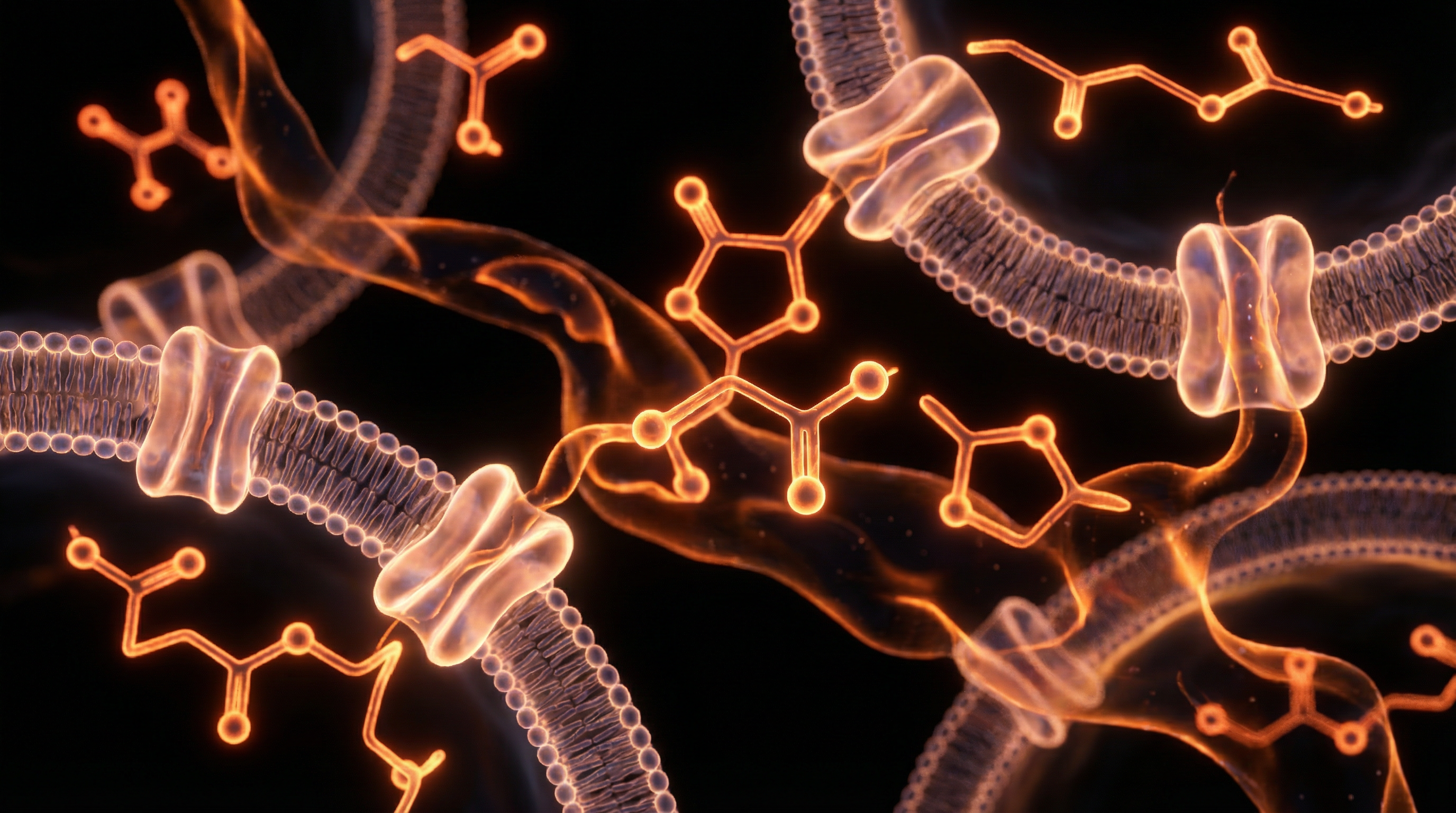
SCFAs are not merely "byproducts" of digestion; they are potent signalling molecules, epigenetic regulators, and the primary fuel source for the very cells that interface between the external world and our internal milieu. Produced through the anaerobic fermentation of dietary fibres by the trillions of microbes inhabiting our distal gut, these molecules—primarily acetate, propionate, and butyrate—act as the bridge between the food we ingest and the expression of our genetic blueprint.
In an era defined by chronic inflammatory diseases, from Type 2 diabetes to neurodegeneration, the depletion of SCFA production is the "smoking gun" that the pharmaceutical industry often chooses to ignore. When we starve our microbial allies of the complex substrates they require, we do not just experience "indigestion." We trigger a cascade of systemic failure. The intestinal barrier begins to crumble, the immune system loses its ability to distinguish self from non-self, and the metabolic machinery of our cells grinds to a halt.
This article exposes the biological reality of SCFAs. We will move beyond the superficial "eat more fibre" narrative to explore the molecular mechanisms by which these fermentation end-products govern our health, the environmental toxins that are actively sabotaging this process, and the specific protocols required to restore this ancient biological alliance.
The Fibre Gap: Despite official UK guidelines suggesting adults consume 30g of fibre per day, the average UK intake remains stagnated at approximately 18g. This chronic deficit represents a massive "starvation" event for the commensal bacteria responsible for SCFA production.
##
##
The Biology — How It Works
To understand SCFAs, one must first understand the colon as a high-precision fermentation vat. Unlike the stomach and small intestine, which rely on human enzymes like amylase, pepsin, and lipase to break down simple sugars, proteins, and fats, the large intestine is an anaerobic (oxygen-free) environment dominated by microbial enzymes.
The Substrates of Fermentation
The primary precursors for SCFA production are non-digestible carbohydrates (NDCs). These include:
- Resistant Starch: Starches that escape digestion in the small intestine (found in cooled potatoes, green bananas, and legumes).
- Non-Starch Polysaccharides: Cellulose, hemicellulose, and pectins.
- Oligosaccharides: Fructo-oligosaccharides (FOS) and galacto-oligosaccharides (GOS), often referred to as prebiotics.
When these complex molecules reach the caecum and colon, a diverse guild of bacteria—primarily from the Firmicutes and Bacteroidetes phyla—engage in a process called saccharolytic fermentation. This is a complex biochemical relay where "primary degraders" break down large fibres into smaller sugars, which are then cross-fed to "secondary fermenters" that produce the final SCFA metabolites.
The Big Three: Acetate, Propionate, and Butyrate
While dozens of metabolites are produced, three molecules represent over 95% of the SCFA pool in the human gut:
- Acetate (C2): The most abundant SCFA in the colon and the systemic circulation. It is produced by a wide range of bacteria, including Bifidobacterium species. Acetate is a key substrate for cholesterol synthesis and lipogenesis in the liver and plays a critical role in appetite regulation via the central nervous system.
- Propionate (C3): Primarily produced by the Bacteroidetes phylum and Negativicutes. Propionate is transported to the liver via the portal vein, where it serves as a precursor for gluconeogenesis (the creation of glucose). Crucially, propionate has been shown to inhibit the synthesis of cholesterol and fatty acids in the liver, acting as a natural brake on metabolic dysfunction.
- Butyrate (C4): Perhaps the most vital of all for local gut health. Butyrate is the preferred energy source for colonocytes (the cells lining the colon), providing up to 70% of their total energy requirements. It is produced by specialists like Faecalibacterium prausnitzii and Eubacterium rectale. Without butyrate, the colonic lining undergoes atrophy and loses its barrier function.
The Chemical Pathway
The production of these acids involves the Embden-Meyerhof-Parnas pathway, converting hexose sugars into pyruvate. From pyruvate, different microbial species utilise specific enzymatic pathways—such as the succinate pathway or the acrylate pathway for propionate, and the butyryl-CoA:acetate CoA-transferase pathway for butyrate. This is not a random process; it is a highly regulated metabolic symphony that depends entirely on the diversity of the microbial "orchestra" present in the gut.
##
##
Mechanisms at the Cellular Level
The brilliance of SCFAs lies in their dual role: they are both metabolic fuel and signalling ligands. They do not just provide calories; they issue commands to our cells through two primary mechanisms: G-protein coupled receptors (GPCRs) and the inhibition of Histone Deacetylases (HDACs).
GPCR Signalling: The Cellular Switchboard
SCFAs act as keys that unlock specific receptors on the surface of human cells. The most critical are GPR41 (FFAR3), GPR43 (FFAR2), and GPR109A.
- In the Immune System: GPR43 is highly expressed on neutrophils and other white blood cells. When SCFAs bind to these receptors, they modulate chemotaxis and the production of pro-inflammatory cytokines. This is the mechanism by which a healthy gut "calms" systemic inflammation.
- In the Endocrine System: SCFAs binding to GPR41 and GPR43 on L-cells in the intestinal mucosa trigger the release of Glucagon-like peptide-1 (GLP-1) and Peptide YY (PYY). These hormones are essential for insulin sensitivity and satiety. This is why a fibre-rich diet is more effective for weight loss than simple calorie restriction; it is literally changing the hormonal signalling of the gut.
Epigenetic Regulation: HDAC Inhibition
This is where the "truth-exposing" nature of SCFA research becomes truly profound. Butyrate and, to a lesser extent, propionate, are potent inhibitors of Histone Deacetylases (HDACs).
Inside our cell nuclei, DNA is wrapped around proteins called histones. HDACs are enzymes that keep this DNA tightly coiled, preventing certain genes from being "read." By inhibiting HDACs, butyrate allows the DNA to "unspool," promoting the expression of genes involved in cell cycle arrest and apoptosis (programmed cell death) in cancerous cells, while promoting survival and repair in healthy cells.
The Warburg Effect in Reverse: In healthy colonocytes, butyrate is oxidized in the mitochondria for energy. However, in cancerous colon cells (which rely on glucose fermentation, known as the Warburg Effect), butyrate accumulates in the nucleus, where it functions as an HDAC inhibitor to trigger the death of the tumour cell. This makes butyrate one of nature’s most potent endogenous anti-cancer agents.
Maintaining the Oxygen Gradient
A critical, often overlooked mechanism is how butyrate maintains the anaerobic state of the gut. By being oxidised by colonocytes, butyrate consumes local oxygen. This creates an "oxygen-free" zone right against the gut wall, which prevents the overgrowth of facultative anaerobes like E. coli and Salmonella—pathogens that thrive in aerobic conditions and drive gut inflammation. When butyrate levels drop, the gut wall becomes oxygenated, "rusting" the internal environment and allowing pathogenic bacteria to bloom.
##
##
Environmental Threats and Biological Disruptors
The SCFA-producing machinery of the human body is under constant assault from the modern industrial environment. We are currently living through a biological "extinction event" where the specific microbial species capable of producing butyrate are being systematically eradicated.
The Glyphosate Factor
The UK’s agricultural landscape is heavily reliant on glyphosate, the active ingredient in many broad-spectrum herbicides. While the chemical industry claims glyphosate is safe for humans because we lack the shikimate pathway, this is a deceptive half-truth. Our commensal bacteria do possess this pathway. Exposure to glyphosate residues on grains and pulses acts as a continuous, low-dose antibiotic, selectively killing off the beneficial bacteria that produce SCFAs while allowing glyphosate-resistant pathogens like Clostridium difficile to flourish.
Ultra-Processed Foods (UPFs) and Emulsifiers
The "Great British Diet" is now composed of over 50% ultra-processed foods. These products are not just "low in fibre"; they contain industrial additives like Carboxymethylcellulose (CMC) and Polysorbate 80. Research indicates these emulsifiers act like detergents, stripping away the protective mucus layer that SCFAs help to build. This exposes the gut lining to direct contact with bacteria, leading to a state of permanent "low-grade" inflammation that consumes SCFAs faster than they can be produced.
Chlorinated Water
The UK’s water supply is treated with chlorine to kill pathogens. While successful for preventing cholera, the residual chlorine in tap water can act as a mild disinfectant within the gut, disrupting the delicate anaerobic balance required for fermentation. Studies have shown that chronic exposure to chlorinated water can alter the microbial profile, specifically reducing the abundance of butyrate-producing Firmicutes.
The Antibiotic Overuse Crisis
Every course of broad-spectrum antibiotics is a "nuclear strike" on the gut microbiome. While often necessary, the lack of post-antibiotic recovery protocols in the NHS means that many patients never recover their original SCFA-producing capacity. This leaves them metabolically vulnerable for years, often leading to weight gain and mood disorders that are never correctly attributed to the original antibiotic use.
Alarming Statistic: Research published in The Lancet suggests that antibiotic-associated dysbiosis can reduce total SCFA production by up to 75% for several weeks post-treatment, with some microbial species taking over six months to return to baseline—if they return at all.
##
##
The Cascade: From Exposure to Disease
When the production of SCFAs is compromised, the result is not a single symptom, but a "cascade" of systemic decay. This is the biological reality behind the "Diseases of Civilisation."
Phase 1: The Breach (Leaky Gut)
The first casualty of SCFA deficiency is the Intestinal Barrier. Butyrate is essential for the expression of Tight Junction Proteins such as occludin, claudin-1, and zonula occludens-1 (ZO-1). These proteins act as the "mortar" between the "bricks" of the intestinal lining. When butyrate is low, the mortar crumbles. This allows Lipopolysaccharides (LPS)—endotoxins found on the cell walls of certain bacteria—to leak into the bloodstream.
Phase 2: Systemic Endotoxaemia
Once LPS enters the circulation, it triggers a systemic immune response. LPS binds to Toll-like Receptor 4 (TLR4) on immune cells throughout the body. This is the "on-switch" for chronic inflammation. It is now understood that this "metabolic endotoxaemia" is the primary driver of Insulin Resistance. The immune system’s constant battle with leaked gut toxins interferes with insulin signalling in the muscles and liver, leading to elevated blood sugar and fat storage.
Phase 3: The Neuro-Inflammatory Link
The SCFA-brain axis is perhaps the most startling area of modern research. SCFAs are crucial for the integrity of the Blood-Brain Barrier (BBB). Furthermore, butyrate and propionate can travel to the brain and influence the activity of microglia—the brain's resident immune cells. In a state of SCFA deficiency, microglia become "primed" and hyper-reactive, leading to the neuro-inflammation associated with depression, anxiety, and even the protein misfolding seen in Parkinson's and Alzheimer's disease.
Phase 4: Autoimmune Divergence
SCFAs, particularly butyrate, are essential for the induction of Regulatory T-cells (Tregs) in the gut-associated lymphoid tissue. Tregs are the "peacekeepers" of the immune system; they prevent the body from attacking itself. A lack of SCFAs leads to a deficiency in Tregs and an overproduction of pro-inflammatory Th17 cells. This imbalance is the foundational state for autoimmune conditions like Crohn’s disease, Ulcerative Colitis, and Rheumatoid Arthritis.
##
##
What the Mainstream Narrative Omits
The mainstream health narrative focus almost exclusively on macronutrients (carbs, fats, proteins) and calories. This focus is intentionally narrow because it allows for the marketing of "low calorie" or "sugar-free" ultra-processed products that are, in reality, metabolic poisons.
The Postbiotic Reality
What the establishment fails to mention is that the benefits of "fibre" are not inherent to the fibre itself, but to the postbiotics (the SCFAs) produced during its fermentation. You could eat a mountain of fibre, but if your microbiome is decimated by glyphosate and antibiotics, you will not produce the SCFAs required for health. The focus must shift from "fibre intake" to "fermentative capacity."
The Cholesterol Deception
The pharmaceutical industry has made billions from statins by demonising cholesterol. Yet, they rarely mention that propionate is a natural, endogenous regulator of cholesterol synthesis. By restoring propionate production through microbial fermentation, many individuals could naturally regulate their lipid profiles without the side effects of pharmaceutical intervention. But there is no profit in a well-fermented gut.
The Failure of Modern Probiotics
The "probiotic" supplements found on the shelves of UK high-street chemists are often woefully inadequate. Most contain a handful of Lactobacillus and Bifidobacterium strains that, while beneficial, are not the primary SCFA-producing heavyweights like Faecalibacterium prausnitzii. Furthermore, without the necessary "prebiotic" fuel, these supplemental bacteria often fail to colonise, simply passing through the system as "expensive transients."
##
##
The UK Context
The United Kingdom presents a unique and troubling landscape for SCFA health. We are a nation with some of the highest rates of inflammatory bowel disease (IBD) and metabolic syndrome in Europe, and the environmental factors are clear.
The "Standard British Diet" (SBD)
The SBD is a biological desert. The reliance on white bread, refined cereals, and processed meats means that the average Briton is "starving" their microbiome every single day. The Food Standards Agency (FSA) has been slow to act on the cumulative impact of food additives that disrupt SCFA production, often looking at chemicals in isolation rather than the "cocktail effect" of modern food.
The Environment Agency and Water Quality
Recent scandals regarding the dumping of raw sewage into British rivers by water companies have more than just ecological implications. These practices introduce antibiotic-resistant bacteria and pharmaceutical residues into the water cycle. While tap water is treated, the increasing chemical load puts a continuous strain on the microbial health of those consuming it.
The NHS Burden
The NHS is currently overwhelmed by "lifestyle diseases." However, the clinical guidelines for Type 2 diabetes and obesity still focus primarily on glucose management and calorie restriction. There is a glaring absence of microbial restoration protocols. Until the NHS recognises SCFA production as a primary clinical marker of health, we will continue to treat the symptoms of metabolic collapse rather than the cause.
UK Fact: The "British Gut Project," one of the largest citizen science projects in the world, found that individuals who ate more than 30 different types of plants per week had significantly more diverse microbiomes and higher SCFA production than those who ate fewer than 10. This "diversity gap" is a major driver of UK health inequality.
##
##
Protective Measures and Recovery Protocols
Restoring your SCFA "factory" is not an overnight process, but it is the most critical investment you can make in your systemic health. It requires a strategic approach that combines the removal of disruptors with the aggressive reintroduction of microbial substrates.
Step 1: Eliminate the Disruptors
- Switch to Organic: To avoid glyphosate and other pesticides that selectively kill SCFA-producers, prioritise organic grains, pulses, and cruciferous vegetables.
- Filter Your Water: Use a high-quality water filter (ideally reverse osmosis or a multi-stage carbon block) to remove chlorine, fluoride, and pharmaceutical residues.
- Audit Your Additives: Read every label. If it contains emulsifiers like lecithin, polysorbate, or cellulose gum, do not eat it. These are "gut-strippers."
Step 2: Optimise the Substrate (The Prebiotic Protocol)
Diversity is the key. You must provide a "buffet" of fibres to feed different microbial guilds.
- Resistant Starch: Incorporate "cook and cool" methods. Cook potatoes, rice, or pasta, then let them cool in the fridge for 24 hours before eating. This transforms the starch into a form that is resistant to human enzymes but perfect for butyrate producers.
- The "Golden 30" Rule: Aim for 30 different plant species per week. This sounds daunting but includes herbs, spices, nuts, seeds, fruits, and vegetables. Each contains unique polyphenols and fibres that support different bacterial species.
- Specific Prebiotic Powders: Consider supplementing with Inulin, Acacia Fibre, or Partially Hydrolyzed Guar Gum (PHGG). These are highly fermented and can rapidly boost SCFA levels.
Step 3: Reintroduce the Fermenters (The Probiotic and Fermented Food Protocol)
While most commercial probiotics are limited, certain fermented foods provide a living matrix of bacteria and metabolites.
- Kefir and Sauerkraut: These provide a complex community of microbes. Ensure they are "raw" and "unpasteurised." Most supermarket sauerkraut is heat-treated, which kills the beneficial bacteria.
- Sourdough Bread: The long fermentation process of traditional sourdough breaks down anti-nutrients like phytates and pre-digests some of the gluten, making the remaining fibre more accessible to your gut microbes.
- Targeted "Next-Gen" Probiotics: Look for supplements containing Akkermansia muciniphila (if available) or strains of Bifidobacterium and Lactobacillus that have been clinically shown to support the growth of butyrate-producers through cross-feeding.
Step 4: Metabolic Support
- Intermittent Fasting: Periods of fasting (e.g., 16:8) allow the mucus-loving bacteria like Akkermansia to thrive. These bacteria eat the mucus layer, stimulating the body to produce "fresh" mucus, which in turn provides a substrate for other SCFA-producers.
- Physical Activity: Interestingly, exercise has been shown to independently increase the concentration of SCFAs in the gut, likely by modulating the transit time of food and improving oxygen delivery to the gut wall.
##
##
Summary: Key Takeaways
The science is unequivocal: Short-Chain Fatty Acids are the fundamental mediators of human health. They are the "secret language" by which our microbiome communicates with our immune system, our metabolism, and our brain.
- SCFAs are postbiotic powerhouses: Acetate, Propionate, and Butyrate govern everything from your hunger levels to your risk of cancer.
- Butyrate is the "Master Regulator": It fuels the gut lining, maintains the oxygen-free environment of the colon, and prevents "Leaky Gut" by sealing tight junctions.
- Modern life is an SCFA-killer: Glyphosate, ultra-processed food emulsifiers, and chlorinated water are actively sabotaging our internal fermentation.
- Metabolic disease is often a fermentation failure: Type 2 diabetes, obesity, and autoimmune conditions are linked to the loss of SCFA-driven signalling via GPCRs and HDAC inhibition.
- The UK faces a specific crisis: High UPF consumption and environmental chemical loads mean the UK population is particularly deficient in these vital molecules.
- Recovery is possible: Through organic diversity, resistant starch, filtered water, and fermented foods, you can rebuild your SCFA production and restore your biological foundation.
In the pursuit of health, we must stop looking for the next "blockbuster drug" and start looking at the ancient, symbiotic relationship within us. Your gut is not just an organ of digestion; it is an organ of creation. What it creates depends entirely on what you provide it. Feed your fermenters, and they will protect your life.
This article is provided for informational and educational purposes only. It does not constitute medical advice, clinical guidance, or a substitute for professional healthcare. Information reflects cited research at time of publication. Always consult a qualified healthcare professional before acting on any health information.
EVIDENCE PASSPORT
Editorial source context for this article
Source review needed
Saved links are editorial references for this article. They may support specific claims rather than every sentence. Open and assess each source in context. This passport does not independently verify them.
Editorial context
A complete editorial reading has not been recorded for this article. Source links remain available for you to open and assess directly.
Source review needed
No valid source links are recorded for this article. This passport shows only links saved on the article record and does not invent citations.
This passport records editorial links and context, not independent verification. Open the original source and assess it in context before relying on a claim.
Medical Disclaimer
The information in this article is for educational purposes only and does not constitute medical advice, diagnosis, or treatment. Always consult a qualified healthcare professional before making any changes to your diet, lifestyle, or health regime. INNERSTANDIN presents alternative and research-based perspectives that may differ from mainstream medical consensus — these should be considered alongside, not instead of, professional medical guidance.
Read Full DisclaimerContinue the thread
Keep this question moving.
Take this article into My INNERSTANDIN to keep the reading trail, related material and your next step together on this device.
Explore this in the Body Map
See where this hits your biology. Interactive anatomy, threats, and protective protocols.
Dig deeper in the Library
Free, longform PDF volumes that go beyond headlines into mechanisms and references.