
T-Cell Depletion: The Molecular Root of Chronic Inflammation
Updated May 2026
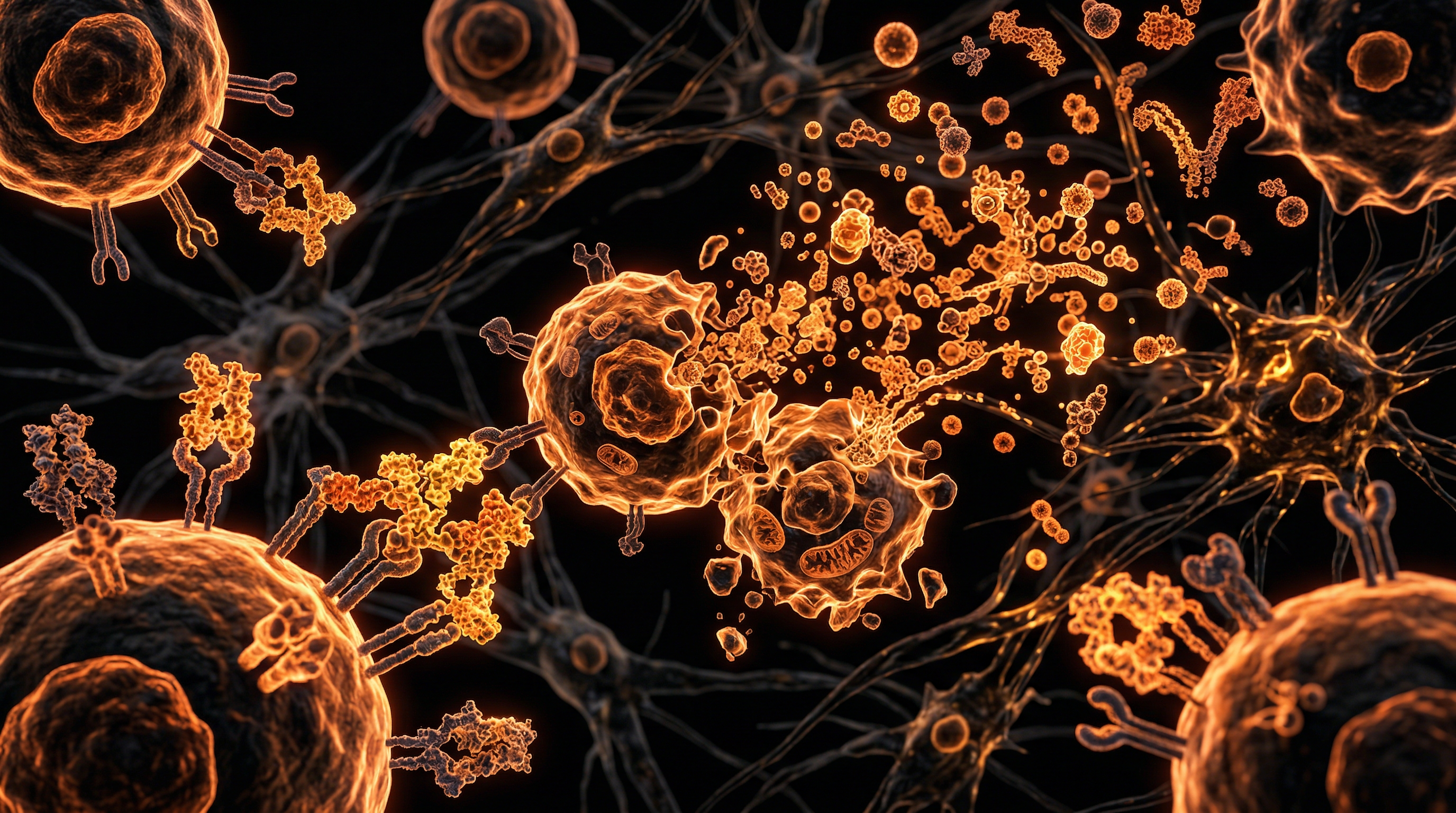
Investigating how the reduction in naïve T-cell output from the thymus leads to a state of chronic systemic inflammation. This study bridges the gap between thymic failure and the rise of 'inflammaging'.
Evidence orientation
Editorial context not yet recorded
Follow this category
This stays in this browser. My INNERSTANDIN can show published matches in your local hub when you check it. It does not send email, push, or alert notifications.
Local learning review
A private browser aid for revisiting ideas. It is not an alert or a health recommendation.
Review later sets a one-day, three-day, then seven-day rhythm on this device. Choose it only when you want to revisit this article.
Overview
In the current landscape of modern medicine, we are witnessing a paradoxical crisis. Despite unprecedented technological advancements, the global population is succumbing to a tidal wave of chronic, non-communicable diseases. At the heart of this "silent pandemic" lies a phenomenon termed inflammaging—a state of chronic, low-grade systemic inflammation that serves as the fertile soil for cardiovascular disease, neurodegeneration, autoimmunity, and metabolic collapse.
While mainstream clinical narratives often focus on symptomatic suppression—targeting specific inflammatory cytokines like TNF-α or IL-6—they frequently ignore the upstream architect of this dysfunction: the Thymus Gland and the consequent depletion of the Naïve T-cell pool.
The thymus, located in the upper chest, is the primary lymphoid organ responsible for the maturation and "education" of T-lymphocytes. It is the only organ in the human body that begins to atrophy almost immediately after puberty, a process known as thymic involution. As functional thymic tissue is replaced by adipose (fatty) tissue, the output of new, "naïve" T-cells—cells that have not yet encountered an antigen—plummets.
This depletion is not merely a marker of age; it is the molecular root of chronic inflammation. Without a fresh supply of naïve T-cells to maintain immune surveillance and regulatory balance, the body’s immune system shifts toward a state of exhausted, memory-driven hyper-reactivity. This article serves as a comprehensive investigation into the molecular mechanisms of T-cell depletion, exposing the biological disruptions that accelerate this process and providing a blueprint for immune restoration.
Fact: By the age of 50, most individuals have lost approximately 80% of their functional thymic tissue, leading to a catastrophic decline in the diversity of the T-cell receptor (TCR) repertoire.
The Biology — How It Works
To understand the systemic collapse caused by T-cell depletion, one must first appreciate the intricate biological programme of T-cell maturation within the thymus.
The Education of the Immune Vanguard
T-cells originate as progenitor cells in the bone marrow and migrate to the thymus. Here, they undergo a rigorous selection process. The thymus presents these maturing cells with "self-antigens." T-cells that fail to recognise these antigens (meaning they would be useless against threats) or those that react too strongly to them (meaning they would attack the body’s own tissues) are eliminated via apoptosis.
This process, known as central tolerance, ensures that the circulating T-cell pool is both competent and "self-aware." The resulting naïve T-cells are the immune system's versatile reserves, capable of adapting to novel pathogens and mutated cells (cancer).
The Inevitability of Involution?
The thymus is uniquely sensitive to the hormonal shifts of puberty. As sex hormones (estrogen and testosterone) rise, the thymic epithelial cells (TECs) begin to lose their regenerative capacity. The production of FOXN1, a master transcription factor for thymic development, declines.
As thymic output slows, the body enters a state of homeostatic proliferation. Because there are fewer "new" cells, the existing "memory" T-cells are forced to divide repeatedly to maintain total cell numbers. This leads to:
- Telomere shortening: Each division erodes the protective caps on chromosomes.
- T-cell senescence: Cells reach the "Hayflick limit" and stop functioning correctly but do not die.
- Clonal expansion: A few types of memory cells dominate the "immune space," leaving no room for the variety needed to fight new threats.
The Shift to Inflammaging
When the naïve T-cell pool is depleted, the immune system becomes "top-heavy" with highly specialised but exhausted memory cells. These cells frequently adopt a Senescence-Associated Secretory Phenotype (SASP). Instead of killing pathogens, they linger in the tissues, secreting high levels of pro-inflammatory cytokines. This is the molecular bridge between T-cell depletion and systemic inflammation.
Mechanisms at the Cellular Level
The transition from a healthy immune system to a state of chronic inflammation is governed by specific molecular pathways that are triggered as T-cell populations dwindle.
1. The Exhaustion of the TCR Repertoire
The diversity of the T-cell Receptor (TCR) is fundamental to health. Each naïve T-cell possesses a unique receptor. Collectively, these receptors can recognise millions of different potential threats. As thymic output fails, the "library" of receptors shrinks. When the body encounters a new virus or a mutated cancer cell, there is no naïve T-cell with the specific "key" to fit that "lock." The immune system then attempts to use mismatched memory cells, leading to a weak, prolonged, and highly inflammatory response that fails to clear the threat.
2. Mitochondrial Dysfunction and ROS
Ageing and depleted T-cells exhibit profound mitochondrial dysfunction. As the mitochondria within these cells become less efficient at oxidative phosphorylation, they leak Reactive Oxygen Species (ROS).
- High ROS levels activate the NLRP3 inflammasome.
- This leads to the cleavage and release of Interleukin-1 beta (IL-1β), a potent driver of systemic inflammation and tissue damage.
3. The Collapse of Regulatory T-cells (Tregs)
A critical subset of T-cells are the Regulatory T-cells (Tregs). Their role is to suppress immune responses and prevent the system from overreacting. Tregs are primarily produced in the thymus. When thymic output drops, the production of "natural" Tregs falls. Without sufficient Treg supervision, other immune cells—such as macrophages and neutrophils—become hyper-activated, attacking healthy tissue and maintaining a state of "red alert" that never resolves.
4. Epigenetic Remodelling
T-cell depletion is accompanied by significant epigenetic shifts. Chronic exposure to inflammatory signals causes DNA methylation changes in the remaining T-cells. Specifically, genes that promote inflammation are "switched on" (hypomethylated), while genes that promote resolution and repair are "silenced" (hypermethylated). This creates a self-perpetuating loop of inflammation that is incredibly difficult to break with standard pharmacological interventions.
Environmental Threats and Biological Disruptors
While thymic involution is a "natural" process, modern environmental factors have accelerated this decline to an unnatural degree. We are seeing T-cell profiles in 30-year-olds that were previously only seen in the elderly.
Endocrine Disrupting Chemicals (EDCs)
The thymus is an endocrine organ, making it highly susceptible to chemical interference.
- BPA and Phthalates: Found in plastics and personal care products, these mimic oestrogen. Since oestrogen triggers thymic shrinking, constant exposure to these "xenoestrogens" causes the thymus to atrophy prematurely.
- Glyphosate: The most widely used herbicide in the world has been shown to disrupt the gut microbiome. Since 70-80% of the immune system resides in the gut (GALT), this disruption puts constant stress on the T-cell pool, accelerating exhaustion.
Persistent Viral Load: The CMV Burden
Cytomegalovirus (CMV) is a latent herpesvirus that most people carry. In a healthy system, CMV is kept in check. However, as the naïve T-cell pool depletes, the immune system must dedicate a massive percentage of its resources (up to 50% of the entire T-cell compartment) just to keep CMV suppressed. This "inflation" of CMV-specific memory cells leaves the body completely vulnerable to other infections and drives constant cytokine production.
Dietary Glycation and AGEs
The modern "Western" diet, high in ultra-processed sugars, leads to the formation of Advanced Glycation End-products (AGEs). These compounds cross-link with proteins in the thymus, physically hardening the organ’s scaffold and preventing the migration of T-cell progenitors.
Statistic: Research indicates that individuals with high circulating levels of AGEs have a significantly lower "Signal Joint T-cell Receptor Excision Circle" (sjTREC) count—a direct clinical marker of recent thymic output.
The Cortisol Axe
Chronic psychological stress leads to elevated cortisol. Cortisol is directly toxic to developing T-cells in the thymus (thymocytes). It induces mass apoptosis in the thymic cortex, effectively "starving" the body of its future immune defence.
The Cascade: From Exposure to Disease
How does a shrinking thymus lead to a heart attack or Alzheimer’s? The cascade is predictable and follows a molecular "domino effect."
Step 1: Loss of Surveillance
As naïve T-cells disappear, "zombie" senescent T-cells accumulate. These cells lose their "homing" receptors and begin to settle in non-lymphoid tissues like the inner lining of the arteries (endothelium) or the brain (microglia).
Step 2: Cytokine Flood
These senescent cells secrete IL-6, TNF-α, and MCP-1.
- In the arteries, these cytokines attract cholesterol and macrophages, leading to atherosclerosis.
- In the brain, they trigger the activation of glial cells, leading to the deposition of amyloid-beta and tau proteins (hallmarks of Alzheimer's).
- In the pancreas, they damage the beta cells, driving Insulin Resistance.
Step 3: Autoimmune Evasion
With the loss of central tolerance (the thymus's ability to filter "self-attacking" cells), "forbidden clones" of T-cells escape into the periphery. These cells mistake the myelin sheath (Multiple Sclerosis) or the joints (Rheumatoid Arthritis) for pathogens.
Step 4: Metabolic Collapse
Inflammation is metabolically expensive. Chronic T-cell-driven inflammation forces the liver to produce C-Reactive Protein (CRP) and fibrinogen. This state of "high alert" causes the body to prioritise glucose for the immune system, leading to systemic insulin resistance and the metabolic syndrome that defines modern ill-health.
What the Mainstream Narrative Omits
The medical-industrial complex remains largely silent on thymic health. There is a profound reason for this: chronic disease is a more profitable business model than biological restoration.
The Vaccine Paradigm
Public health policy focuses almost exclusively on "stimulating" the immune system via vaccination. However, a vaccine requires a functional naïve T-cell pool to create long-term memory. If the thymus is atrophied and the naïve T-cell pool is depleted, the body cannot respond effectively to a vaccine. This is why "vaccine failure" is so common in the elderly. Mainstream science suggests more boosters, whereas a biological approach would suggest thymic regeneration.
The Suppression of Thymic Peptides
In the mid-20th century, research into thymic extracts (such as Thymosin Alpha-1) showed incredible promise in reversing immune ageing and treating chronic infections. These natural peptides are bioactive molecules that "retrain" the immune system. However, because they are naturally occurring substances, they are difficult to patent for massive profit. Consequently, they have been pushed to the fringes of "alternative medicine," while toxic anti-inflammatory drugs (NSAIDs, biologics) that merely mask symptoms are promoted as the gold standard.
The Myth of "Natural" Ageing
We are told that the decline of the immune system is an inevitable part of growing old. This is a scientific fallacy. Comparative biology shows us that certain species (such as some sharks and turtles) maintain thymic function throughout their lives and do not experience inflammaging. The premature involution of the human thymus is an environmental and nutritional catastrophe, not a biological destiny.
The UK Context
The United Kingdom presents a unique and troubling case study in T-cell depletion.
The British Diet and "Hidden Hunger"
The UK has one of the highest consumptions of ultra-processed foods in Europe. The lack of bioavailable Zinc and Selenium in the British diet is particularly damaging. The thymus is the most zinc-dependent organ in the body; zinc deficiency alone is enough to trigger rapid thymic atrophy. Furthermore, the UK’s lack of sunlight leads to chronic Vitamin D3 deficiency. Vitamin D is not just a vitamin; it is a pro-hormone that regulates the T-cell differentiation process.
Post-Industrial Pollution
UK cities, particularly London and the industrial north, have high levels of Nitrogen Dioxide (NO2) and particulate matter (PM2.5). Studies conducted in the UK have shown that air pollution exposure is inversely correlated with T-cell diversity in children, suggesting that the "thymic clock" is being accelerated from birth.
The NHS Burden
The National Health Service (NHS) is currently buckling under the weight of chronic disease management. Billions of pounds are spent annually on treating the complications of inflammaging—diabetes, heart disease, and dementia. Yet, there is virtually no screening for "Immune Age" or thymic function within the NHS. A shift toward measuring T-cell subsets could revolutionise British healthcare, allowing for intervention decades before chronic disease becomes symptomatic.
Protective Measures and Recovery Protocols
If T-cell depletion is the root of chronic inflammation, then the solution must focus on two fronts: protecting the remaining T-cell pool and attempting to regrow thymic tissue.
1. Nutritional Architecture
- Zinc Acetate/Gluconate: Essential for the function of thymulin, a hormone required for T-cell maturation.
- Vitamin D3 & K2: D3 modulates the T-cell response, while K2 prevents the calcification of the thymus gland.
- Vitamin C & Quercetin: These act as "senolytics"—compounds that help the body clear out senescent (zombie) T-cells, making room for new ones.
2. Hormonal Modulation
- DHEA: This adrenal hormone declines with age alongside the thymus. Supplementation has been shown in some trials (like the TRIIM trial) to potentially reverse thymic involution.
- Melatonin: Beyond sleep, melatonin is a potent antioxidant that protects the thymus from oxidative damage during the night.
3. Fasting and Autophagy
Periodic prolonged fasting (48-72 hours) triggers a process called hematopoietic stem cell-based regeneration. When the body is starved of nutrients, it breaks down old, exhausted immune cells. Upon re-feeding, the bone marrow is stimulated to produce a fresh wave of brand-new, naïve T-cells. This is perhaps the most powerful "reset" button available to humans.
4. Cold Stress and Heat Shock
Sauna use and cold water immersion (the "Wim Hof" method) stimulate the production of Heat Shock Proteins (HSPs). These proteins assist in the correct folding of T-cell receptors and have been shown to reduce systemic IL-6 levels.
5. Thymic Peptides
For those looking to go beyond "lifestyle," the use of bioregulatory peptides like Thymalin or Thymosin Alpha-1 (under clinical supervision) represents the cutting edge of immune restoration. These peptides signal the thymus to resume the education of T-cells and can significantly lower the inflammatory "set point" of the body.
Summary: Key Takeaways
The molecular root of chronic inflammation is not a mystery; it is the predictable consequence of T-cell depletion and thymic failure. As we lose our naïve T-cell reserves, our bodies lose the ability to maintain peace, shifting instead into a state of perpetual, self-destructive warfare.
- The Thymus is the Master Clock: The rate at which your thymus shrinks is a better predictor of your lifespan than your chronological age.
- Inflammaging is a Cellular State: Chronic inflammation is driven by the SASP (Senescence-Associated Secretory Phenotype) of exhausted memory T-cells.
- Environmental Factors are Accelerants: EDCs, glyphosate, stress, and sugar are "thymic toxins" that must be avoided.
- Regeneration is Possible: Through fasting, specific nutrient protocols (Zinc, D3), and potentially thymic peptides, we can intervene in the "inevitable" decline.
- The Paradigm Shift: Health is not the absence of symptoms, but the presence of a diverse, youthful T-cell repertoire.
To truly understand the "innerstanding" of our health, we must stop looking at inflammation as an enemy to be suppressed and start looking at the thymus as a garden to be tended. The restoration of the T-cell pool is the only way to silence the "fire" of chronic disease at its source. Only by reclaiming our immune "naivety" can we hope to achieve true longevity and biological resilience in an increasingly toxic world.
This article is provided for informational and educational purposes only. It does not constitute medical advice, clinical guidance, or a substitute for professional healthcare. Information reflects cited research at time of publication. Always consult a qualified healthcare professional before acting on any health information.
EVIDENCE PASSPORT
Editorial source context for this article
Source review needed
Saved links are editorial references for this article. They may support specific claims rather than every sentence. Open and assess each source in context. This passport does not independently verify them.
Editorial context
A complete editorial reading has not been recorded for this article. Source links remain available for you to open and assess directly.
Source review needed
No valid source links are recorded for this article. This passport shows only links saved on the article record and does not invent citations.
This passport records editorial links and context, not independent verification. Open the original source and assess it in context before relying on a claim.
Medical Disclaimer
The information in this article is for educational purposes only and does not constitute medical advice, diagnosis, or treatment. Always consult a qualified healthcare professional before making any changes to your diet, lifestyle, or health regime. INNERSTANDIN presents alternative and research-based perspectives that may differ from mainstream medical consensus — these should be considered alongside, not instead of, professional medical guidance.
Read Full DisclaimerContinue the thread
Keep this question moving.
Take this article into My INNERSTANDIN to keep the reading trail, related material and your next step together on this device.
Explore this in the Body Map
See where this hits your biology. Interactive anatomy, threats, and protective protocols.
Dig deeper in the Library
Free, longform PDF volumes that go beyond headlines into mechanisms and references.