
Nuclear Factor Kappa B (NF-̂ΙB) Inhibition: The Synergistic Role of D3 and K2 in Regulating Chronic Systemic Inflammation
Discuss this resourceUpdated May 2026
An in-depth exploration of how Vitamin D3 and K2 work in tandem to suppress the NF-̂ΙB pathway, offering a root-cause solution to chronic low-grade inflammation within the INNERSTANDING Vitamin D3 & K2 Synergy Protocol.
Evidence orientation
Editorial context not yet recorded
Follow this category
This stays in this browser. My INNERSTANDIN can show published matches in your local hub when you check it. It does not send email, push, or alert notifications.
Local learning review
A private browser aid for revisiting ideas. It is not an alert or a health recommendation.
Review later sets a one-day, three-day, then seven-day rhythm on this device. Choose it only when you want to revisit this article.
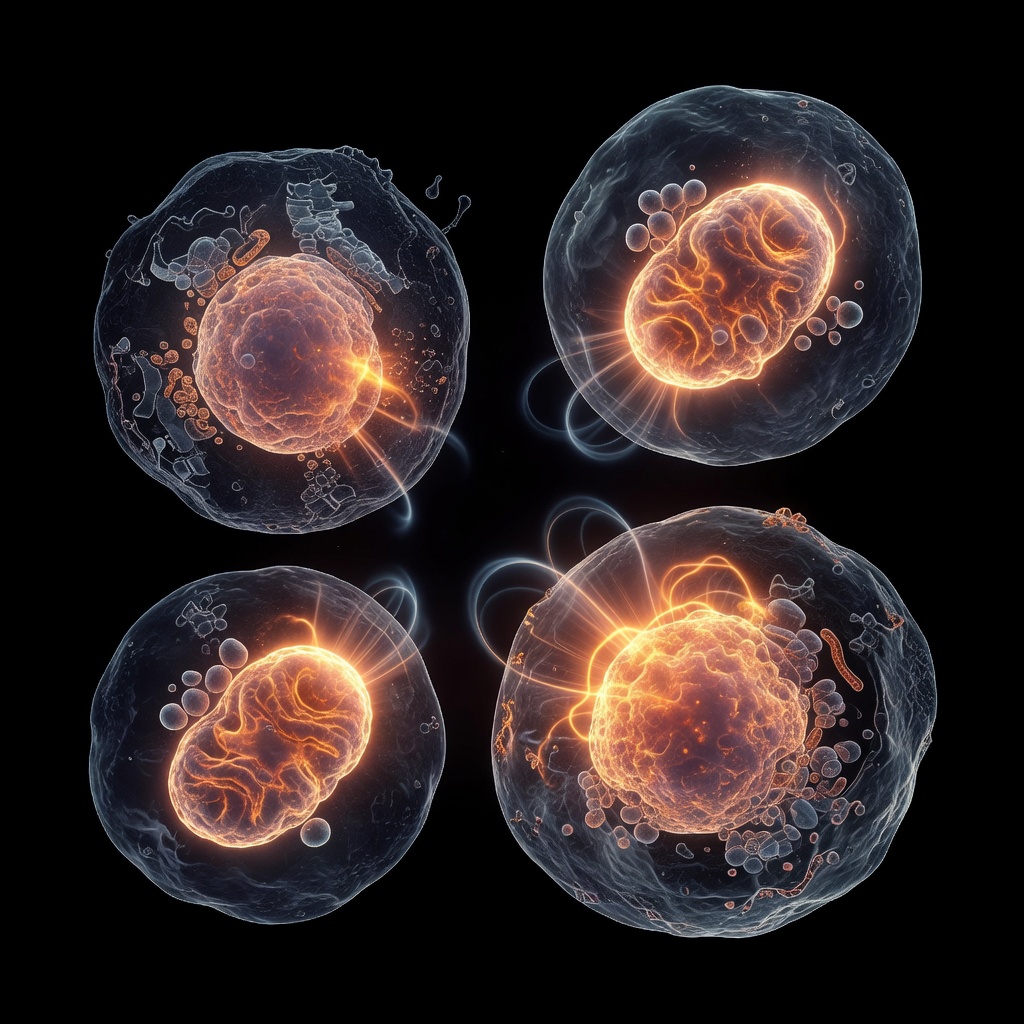
In a healthy physiological state, NF-̂ΙB remains dormant in the cell's cytoplasm, bound by inhibitory proteins called ÎΙBs (Inhibitor of ̂ΙB). However, when the cell detects threats—such as oxidative stress, pathogens, or pro-inflammatory cytokines like TNF-α—an enzyme called ÎΙB kinase (IKK) is activated. This enzyme breaks down the inhibitor, allowing NF-̂ΙB to translocate into the nucleus. Once inside the nucleus, NF-̂ΙB binds to specific DNA sequences, 'turning on' hundreds of genes involved in inflammation. While this is vital for short-term defense, chronic activation leads to a cytokine storm that damages healthy tissues, leading to the systemic breakdown we observe in modern chronic illness. ## Vitamin D3: The Genomic Guardian Vitamin D3 (Cholecalciferol) is not merely a vitamin; it is a seco-steroid hormone with profound epigenetic influence.
Once converted into its active form, 1,25-dihydroxyvitamin D3, it binds to the Vitamin D Receptor (VDR). This VDR complex then enters the nucleus and regulates gene expression. One of the most critical roles of the VDR is its ability to physically interfere with the NF-̂ΙB signaling pathway. Research indicates that active Vitamin D3 increases the expression of ÎΙBα, the very protein that keeps NF-̂ΙB locked away and inactive in the cytoplasm. Furthermore, Vitamin D3 directly competes with NF-̂ΙB for binding sites on the DNA, effectively 'crowding out' the inflammatory signals and replacing them with anti-inflammatory instructions.
In the context of the UK population, where Vitamin D deficiency is endemic due to limited UV-B exposure, many individuals lack this primary genomic brake on inflammation, leaving the NF-̂ΙB pathway in a state of hyper-responsiveness. ## Vitamin K2: The Necessary Partner While Vitamin D3 acts at the genomic level, Vitamin K2 (specifically in the long-chain MK-7 form) provides a complementary biochemical layer of protection. Vitamin K2 is widely celebrated for its role in calcium metabolism—activating Osteocalcin and Matrix Gla Protein (MGP) to ensure calcium reaches the bones and stays out of the arteries. However, its anti-inflammatory properties are equally significant. Vitamin K2 has been shown to inhibit the activation of the IKK complex. By modulating the upstream signals that would otherwise release NF-̂ΙB, Vitamin K2 prevents the inflammatory cascade before it even reaches the nucleus.
Additionally, Vitamin K2 suppresses the production of Prostaglandin E2 (PGE2), a lipid compound that drives pain and swelling. Without sufficient K2, even high doses of D3 may fail to fully quench systemic inflammation, as the 'trigger' for NF-̂ΙB remains overly sensitive. ## The Synergy: A Dual-Action Protocol The INNERSTANDING philosophy emphasizes that nutrients rarely work in isolation. The synergy between D3 and K2 regarding NF-̂ΙB is a perfect example of biological 'belt and braces.' While D3 increases the 'security guard' proteins (ÎΙB) that hold inflammation in check, K2 reduces the 'stress signals' (IKK activity) that tell those guards to step down. This dual-action approach is particularly vital for vascular health. Chronic NF-̂ΙB activation in the endothelial cells (the lining of the blood vessels) leads to arterial stiffness and plaque formation.
By suppressing NF-̂ΙB, the D3/K2 combination protects the delicate endothelial glycocalyx, reduces the expression of adhesion molecules that attract plaque-forming white blood cells, and ensures that the vascular system remains resilient and flexible. ## Addressing the Root Cause: Beyond the Symptoms Traditional approaches to inflammation often rely on Non-Steroidal Anti-Inflammatory Drugs (NSAIDs) or corticosteroids. While these can provide temporary relief, they often carry significant side effects and fail to address why the body is in a pro-inflammatory state to begin with. The Vitamin D3 & K2 Synergy Protocol addresses the root cause by rebalancing the body’s own regulatory machinery. By optimizing the VDR-NF-̂ΙB axis, we are not just 'blocking' inflammation; we are restoring the body's innate ability to maintain homeostasis. This has profound implications for autoimmune conditions, where the immune system has 'lost the script.' Restoring NF-̂ΙB regulation helps the immune system distinguish between self and non-self, potentially reducing the severity of flares and improving long-term outcomes. ## Conclusion: Implementing the Protocol For the INNERSTANDING community, the message is clear: regulating inflammation is a multi-dimensional task.
High-dose Vitamin D3 is a powerful tool, but it requires Vitamin K2 to function with maximum efficacy and safety. To effectively inhibit the NF-̂ΙB master switch, one must ensure a consistent intake of both nutrients, ideally paired with healthy fats to maximize absorption. By focusing on these fundamental molecular pathways, we can move beyond the 'bandage' approach to health and build a foundation of lasting systemic wellness. In the fight against chronic disease, D3 and K2 are not just supplements; they are essential mediators of our genetic expression, working together to keep the 'silent fire' of inflammation at bay.
This article is provided for informational and educational purposes only. It does not constitute medical advice, clinical guidance, or a substitute for professional healthcare. Information reflects cited research at time of publication. Always consult a qualified healthcare professional before acting on any health information.
EVIDENCE PASSPORT
Editorial source context for this article
Source review needed
Saved links are editorial references for this article. They may support specific claims rather than every sentence. Open and assess each source in context. This passport does not independently verify them.
Editorial context
A complete editorial reading has not been recorded for this article, and no source links are saved on its record.
Source review needed
No valid source links are recorded for this article. Supplementary research, where available, is listed separately below.
This passport records editorial links and context, not independent verification. Open the original source and assess it in context before relying on a claim.
Medical Disclaimer
The information in this article is for educational purposes only and does not constitute medical advice, diagnosis, or treatment. Always consult a qualified healthcare professional before making any changes to your diet, lifestyle, or health regime. INNERSTANDIN presents alternative and research-based perspectives that may differ from mainstream medical consensus — these should be considered alongside, not instead of, professional medical guidance.
Read Full DisclaimerContinue the thread
Keep this question moving.
Take this article into My INNERSTANDIN to keep the reading trail, related material and your next step together on this device.
Explore this in the Body Map
Explore related body structures and their educational pages in the interactive Body Map.
Dig deeper in the Library
Free, longform PDF volumes that go beyond headlines into mechanisms and references.