Clonal Hematopoiesis of Indeterminate Potential (CHIP): Biological Drivers and Implications for Cardiovascular Risk
An in-depth exploration of how age-related mutations in blood stem cells provide a novel link between bone marrow health and systemic vascular inflammation, redefining our understanding of cardiovascular risk beyond traditional markers.

# Clonal Hematopoiesis of Indeterminate Potential (CHIP): Biological Drivers and Implications for Cardiovascular Risk\n\nIn the evolving landscape of preventive medicine, a groundbreaking phenomenon has emerged at the intersection of haematology and cardiology: Clonal Hematopoiesis of Indeterminate Potential, or CHIP. Historically, the medical community viewed blood disorders and cardiovascular diseases as distinct silos. However, recent genomic research has revealed that the health of our bone marrow—specifically the genetic integrity of our hematopoietic stem cells (HSCs)—is a primary determinant of vascular health and systemic longevity. At INNERSTANDING, we focus on root-cause health, and CHIP represents one of the most profound 'upstream' drivers of age-related disease discovered in the last decade.\n\n## What is CHIP?\n\nCHIP occurs when a hematopoietic stem cell acquires a somatic (non-inherited) mutation in a driver gene that provides a selective advantage, allowing that single cell to expand into a 'clone' that contributes a significant proportion of mature blood cells. By definition, CHIP requires a variant allele frequency (VAF) of at least 2%, meaning at least 4% of the blood cells in circulation carry the mutation.
Critically, CHIP is defined by the absence of overt haematological malignancies, such as leukaemia or myelodysplastic syndrome (MDS). It is a 'pre-malignant' state, but for the vast majority of individuals, the primary threat is not cancer, but cardiovascular inflammation.\n\n## The Biological Drivers: Why Does CHIP Occur?\n\nThe bone marrow is a site of intense cellular turnover. Every day, billions of blood cells are produced. This high rate of replication, combined with the inevitable stressors of ageing, creates an environment where DNA replication errors can occur. While most mutations are neutral or lead to cell death, a specific subset of mutations in genes involved in epigenetic regulation provides a competitive edge.\n\n### 1.
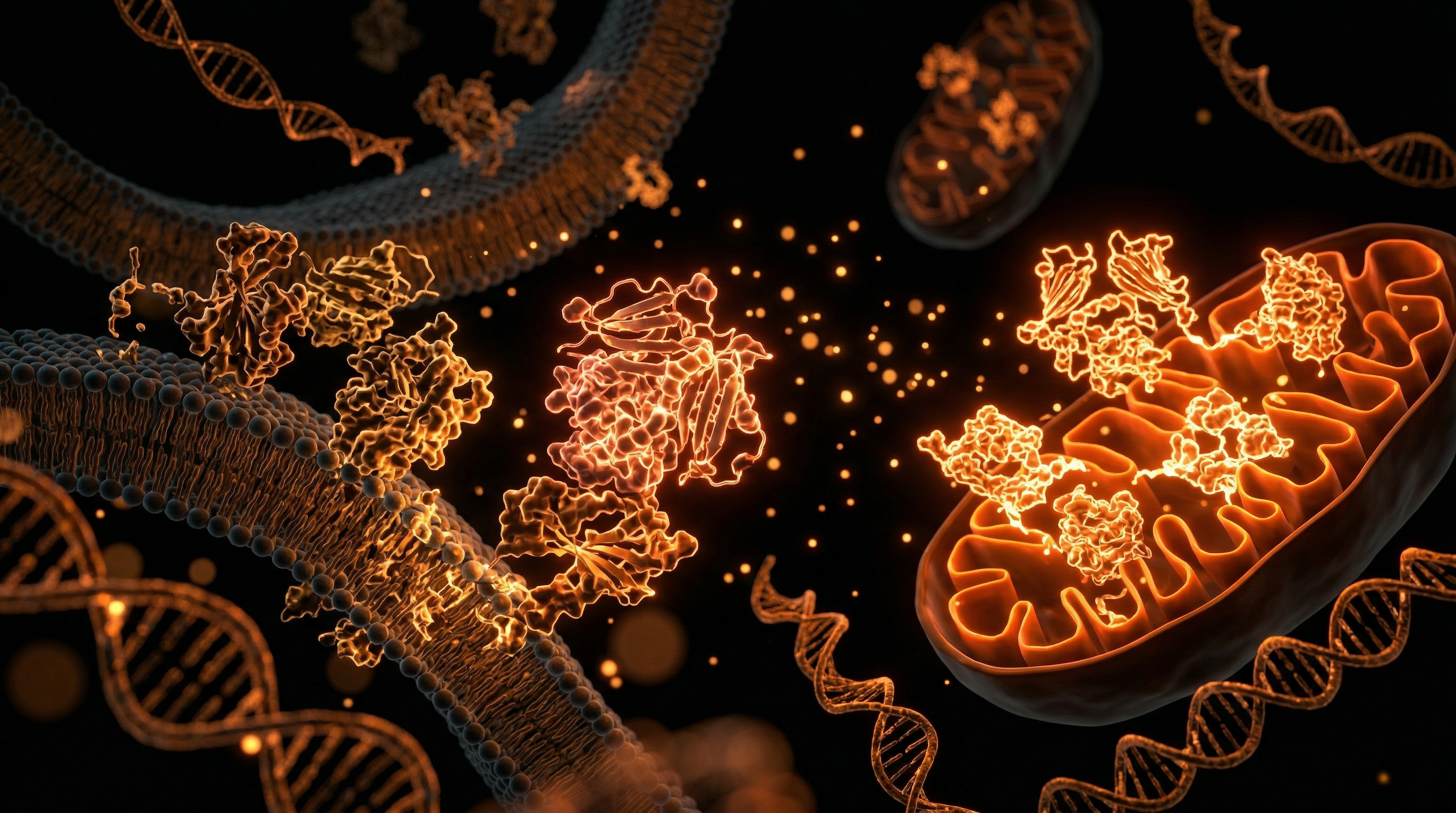
Epigenetic Regulators: DNMT3A, TET2, and ASXL1\nOver 80% of CHIP cases involve mutations in three genes: DNMT3A, TET2, and ASXL1. These genes do not code for structural proteins but for enzymes that regulate how DNA is packaged and read (epigenetics). \n- DNMT3A (DNA Methyltransferase 3 Alpha): Normally adds methyl groups to DNA to silence certain genes. Mutations lead to loss of function, causing global DNA hypomethylation and altered stem cell self-renewal.\n- TET2 (Ten-Eleven Translocation 2): Normally removes methyl groups. Loss of TET2 function results in DNA hypermethylation and, crucially, an exaggerated inflammatory response in the immune cells derived from these stem cells.\n- ASXL1: Involved in chromatin remodelling, mutations here further disrupt the delicate balance of gene expression in the myeloid lineage.\n\n### 2. Selective Pressure and Inflammaging\nAs we age, the bone marrow environment changes.
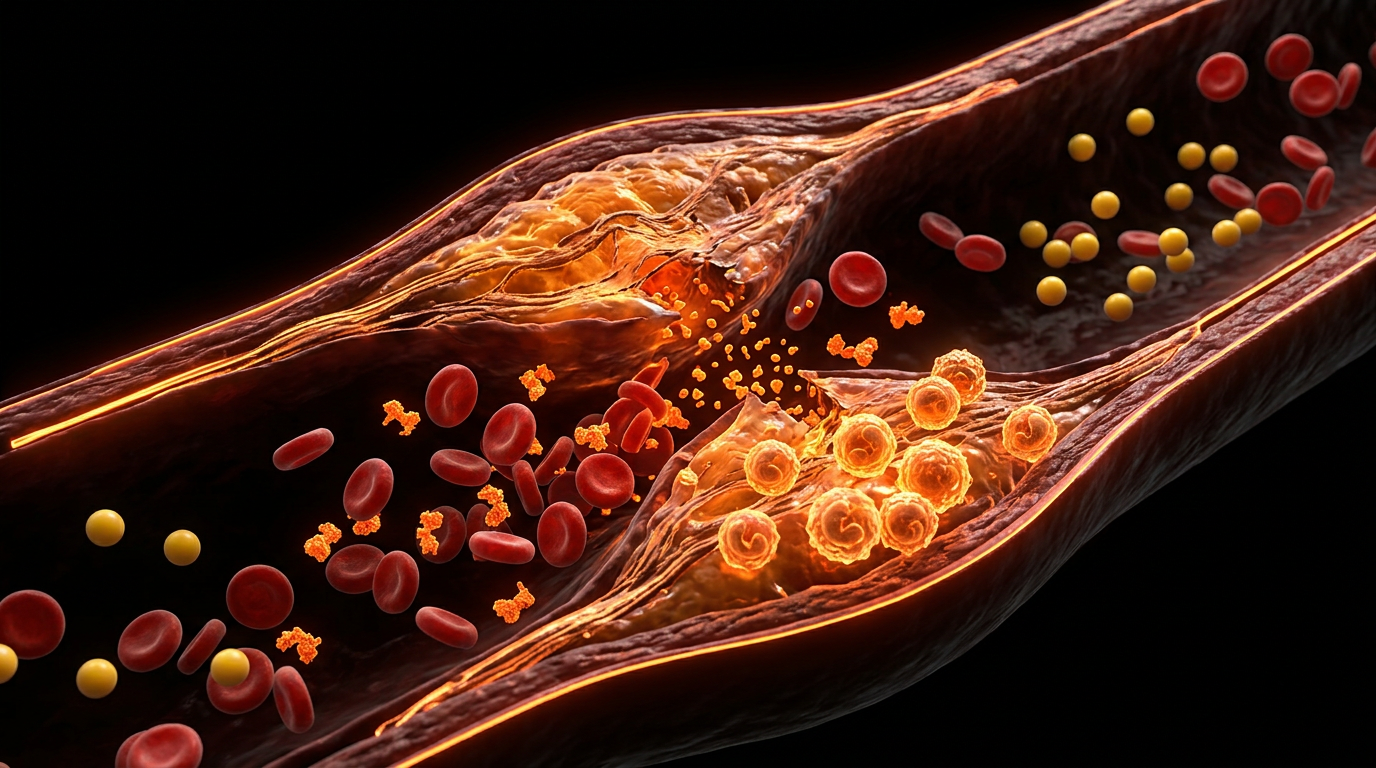
Chronic systemic inflammation (often termed 'inflammaging') acts as a selective pressure. Mutated clones—particularly those with TET2 mutations—are often more resistant to inflammatory stress than healthy cells, allowing them to dominate the marrow landscape as we reach our 60s, 70s, and 80s.\n\n## The Cardiovascular Link: Beyond Cholesterol\n\nThe most startling discovery regarding CHIP is its impact on the heart. Large-scale genomic studies have shown that individuals with CHIP have a 40% to 50% increased risk of coronary artery disease and a nearly four-fold increase in the risk of myocardial infarction (heart attack) compared to those without mutations. This risk is independent of traditional factors like smoking, high blood pressure, or LDL cholesterol.\n\n### The Macrophage Connection\nThe root cause of this risk lies in the behaviour of monocytes and macrophages. When an HSC carries a TET2 or DNMT3A mutation, every white blood cell it produces carries that same mutation.
Macrophages are the primary immune cells found within atherosclerotic plaques in our arteries. \n\nResearch has shown that TET2-mutant macrophages are hyper-inflammatory. They overproduce pro-inflammatory cytokines, specifically Interleukin-1 beta (IL-1β) and Interleukin-6 (IL-6). These cytokines act as 'fuel' for the fire of atherosclerosis. They recruit more immune cells to the arterial wall, accelerate the formation of the lipid core, and make the fibrous cap of the plaque more prone to rupture. In essence, CHIP transforms a 'stable' arterial plaque into a 'vulnerable' one, significantly increasing the likelihood of a cardiovascular event.\n\n## Root-Cause Implications: A New Paradigm for Health\n\nUnderstanding CHIP shifts our perspective on cardiovascular prevention from a purely lipid-centric model to an immuno-haematological model.

Clean Slate – Detoxes thousands of chemicals,heavy metals, pesticides, allergens, mold spores and fungus
Clean Slate is a cellular-level detoxifier that targets heavy metals, pesticides, and environmental toxins to unblock your body's natural defense pathways. It helps reduce systemic inflammation and restores the nutrient absorption sites often compromised by modern toxicity.
Vetting Notes
Pending
If the root cause of an individual's arterial inflammation is a mutated clone in their bone marrow, traditional statin therapy—while helpful—may not address the underlying biological driver.\n\n### 1. Targeting the Inflammasome\nThe NLRP3 inflammasome is the protein complex within macrophages responsible for the production of IL-1β. Because CHIP-driven cardiovascular risk is mediated by this pathway, researchers are investigating the use of NLRP3 inhibitors and IL-1β antagonists (such as canakinumab) to specifically mitigate the risk in CHIP-positive individuals. The CANTOS trial has already provided a proof-of-concept that lowering IL-1β can reduce cardiovascular events in high-risk patients.\n\n### 2. Lifestyle and Environmental Stressors\nWhile we cannot yet 'fix' a mutation in the bone marrow, we can influence the selective pressures that allow these clones to expand.
Smoking, obesity, and chronic stress all promote systemic inflammation, which encourages the dominance of mutated clones. Conversely, anti-inflammatory dietary patterns (such as the Mediterranean or oily fish-rich diets), regular exercise, and high-quality sleep may help stabilise the bone marrow environment.\n\n## The Future of CHIP Screening\n\nCurrently, CHIP screening is not part of routine clinical practice in the UK, largely because we are still defining the optimal intervention strategies. However, as the cost of Next-Generation Sequencing (NGS) falls, we may soon see 'Clonal Haematopoiesis' panels integrated into cardiovascular risk assessments. Identifying CHIP early would allow for more aggressive management of other risk factors and the potential use of targeted anti-inflammatory therapies.\n\n## Conclusion\n\nCHIP is a powerful reminder that the body is an interconnected system. The health of our blood-forming stem cells in the bone marrow directly dictates the inflammatory tone of our vascular system.
By identifying these 'silent' genetic shifts, we move closer to a truly personalised medicine—one that understands that a heart attack is not just a plumbing problem, but often a complex biological dialogue between our DNA, our immune system, and the passing of time. At INNERSTANDING, we believe that education on these cellular drivers is the first step toward proactive, root-cause health management. Understanding CHIP is not just about identifying risk; it is about unlocking new pathways to longevity and arterial vitality.","tags":["Haematology","Cardiovascular Health","CHIP","Epigenetics","Inflammation","Ageing","Preventive Medicine"],"reading_time":8}
This article is provided for informational and educational purposes only. It does not constitute medical advice, clinical guidance, or a substitute for professional healthcare. Information reflects cited research at time of publication. Always consult a qualified healthcare professional before acting on any health information.
RESEARCH FOUNDATIONS
Biological Credibility Archive
Citations provided for educational reference. Verify via PubMed or institutional databases.
Medical Disclaimer
The information in this article is for educational purposes only and does not constitute medical advice, diagnosis, or treatment. Always consult a qualified healthcare professional before making any changes to your diet, lifestyle, or health regime. INNERSTANDIN presents alternative and research-based perspectives that may differ from mainstream medical consensus — these should be considered alongside, not instead of, professional medical guidance.
Read Full DisclaimerReady to learn more?
Continue your journey through our classified biological research.
DISCUSSION ROOM
Members of THE COLLECTIVE discussing "Clonal Hematopoiesis of Indeterminate Potential (CHIP): Biological Drivers and Implications for Cardiovascular Risk"
SILENT CHANNEL
Be the first to discuss this article. Your insight could help others understand these biological concepts deeper.
THE ARSENAL
Based on Bone Marrow Health & Haematopoiesis — products curated by our research team for educational relevance and biological support.
Clean Slate – Detoxes thousands of chemicals,heavy metals, pesticides, allergens, mold spores and fungus

Glutathione Builder – Advanced Amino Acid Formula
Magnesium Blend – The Most Important Mineral
INNERSTANDING may earn a commission on purchases made through these links. All products are selected based on rigorous educational relevance to our biological research.
RABBIT HOLE
Follow the biological thread deeper