All INNERSTANDIN content is for educational purposes only — not medical advice, diagnosis or treatment. Full Disclaimer →

    BACK TO DATABASE
    TAGGED RESEARCH

    #Ageing

    7TRANSMISSIONS FOUND
    T
    Scientific illustration for Telomeres: The Biological Clock Toxins Are Shortening
    Physiology
    14 MIN READ

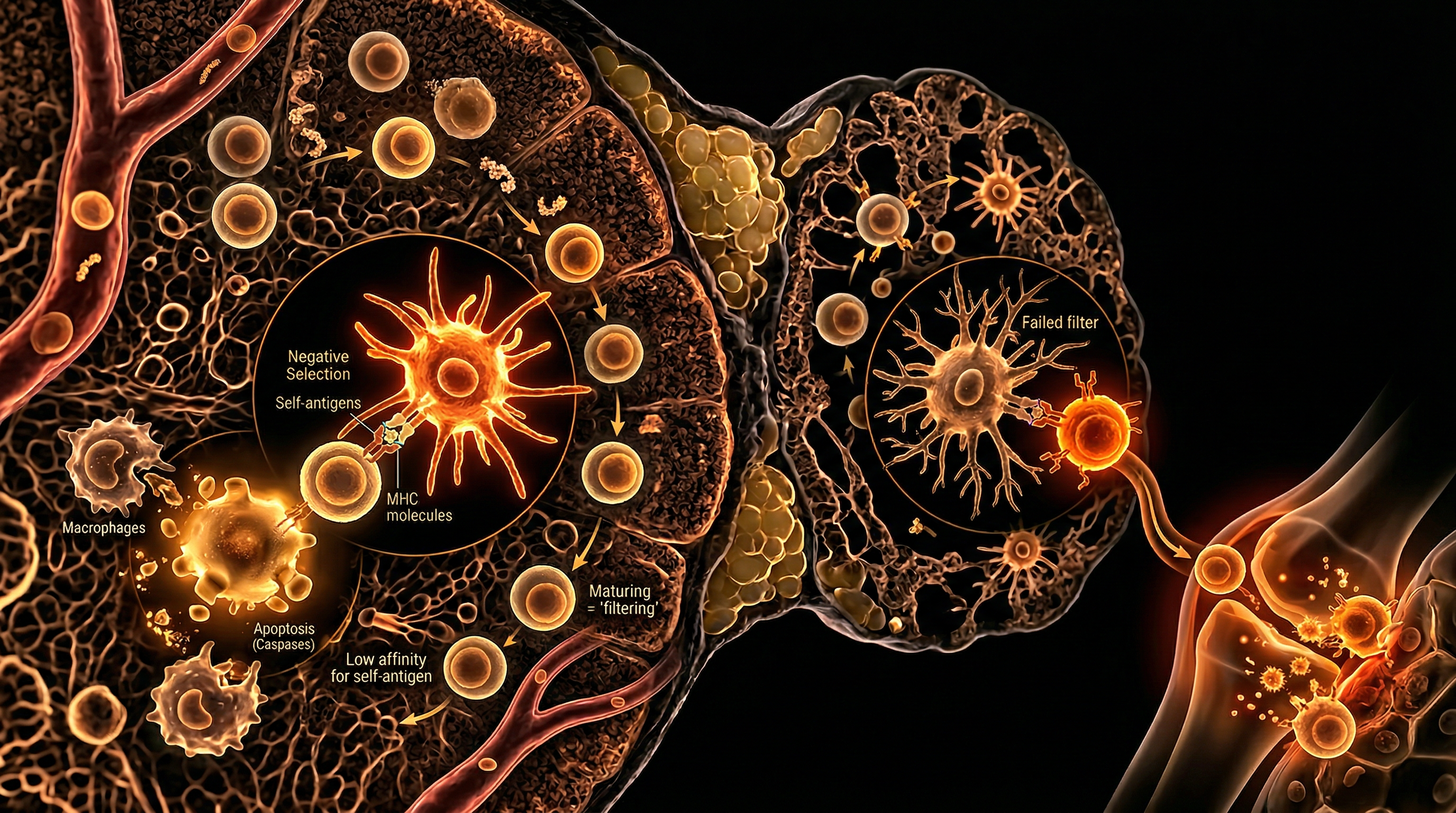
    Telomeres: The Biological Clock Toxins Are Shortening

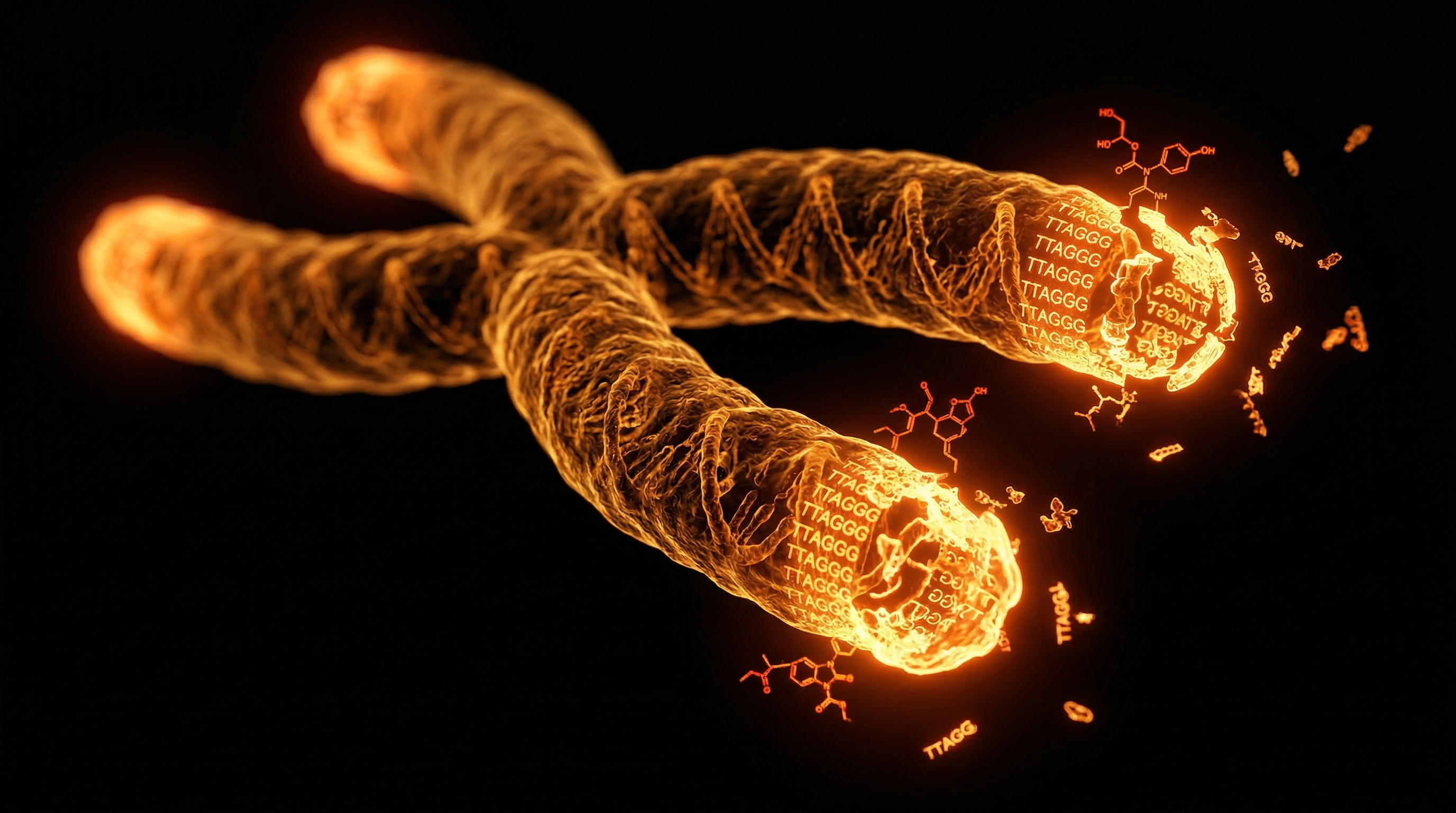
    Telomeres are protective caps of repetitive DNA sequences (TTAGGG) located at the ends of each chromosome, functioning much like the plastic aglets on shoelaces — preventing chromosomal degradation and end-to-end fusion during cellular replication. With each cell division, telomeres shorten incrementally until they reach a critical minimum length, triggering cellular senescence (permanent growth arrest) or apoptosis (programmed cell death) — a mechanism that places a fundamental limit on cellular lifespan and biological ageing. Critically, telomere shortening is dramatically accelerated by chronic oxidative stress, systemic inflammation, heavy metal exposure, pesticide residues, sleep deprivation, and psychological stress, meaning that environmental toxicity is literally ageing the population at an accelerated rate detectable in biological tissue years or decades before clinical disease presents.

    #telomeres#ageing
    A
    Scientific illustration for Autophagy: The Cellular Recycling System Fasting Activates
    Cellular Biology
    16 MIN READ

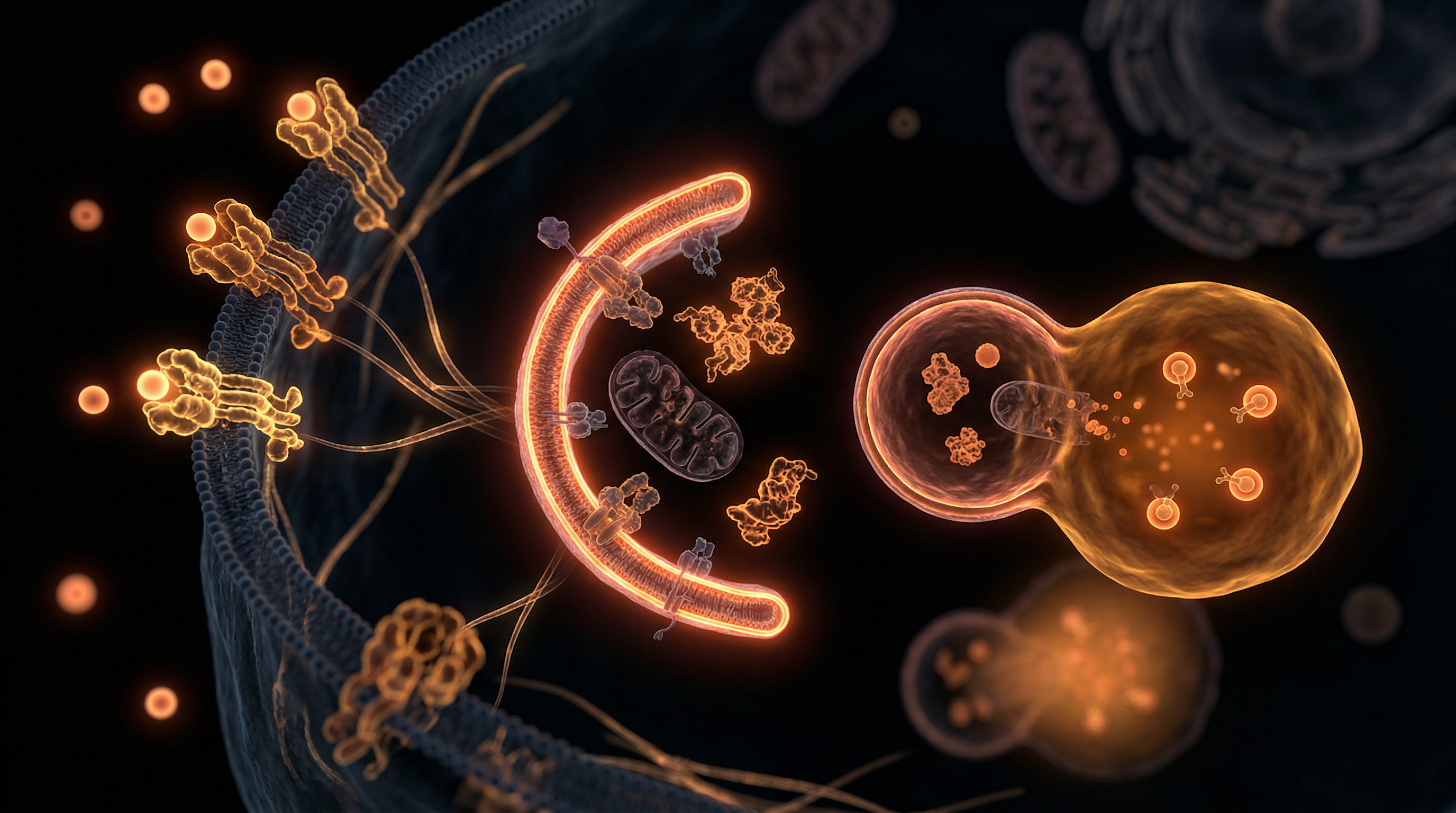
    Autophagy: The Cellular Recycling System Fasting Activates

    Autophagy — from the Greek for 'self-eating' — is the cell's intrinsic quality control and recycling mechanism, by which damaged proteins, dysfunctional organelles, and intracellular pathogens are sequestered within double-membraned vesicles called autophagosomes and delivered to lysosomes for enzymatic degradation and component recycling. This process, for which Yoshinori Ohsumi was awarded the 2016 Nobel Prize in Physiology or Medicine, is the primary mechanism by which the cell removes the molecular debris that accumulates with age and toxin exposure — making it a fundamental anti-ageing and anti-disease process. Autophagy is powerfully activated by caloric restriction, intermittent fasting, and specific plant compounds including spermidine, resveratrol, and sulforaphane, whilst being suppressed by chronic nutrient overabundance, mTOR activation, and insulin resistance — the metabolic state now endemic in Western populations consuming ultra-processed food.

    #autophagy#fasting
    O
    Scientific illustration for Oxidative Stress: The Silent Cellular Destroyer
    Mitochondria
    15 MIN READ

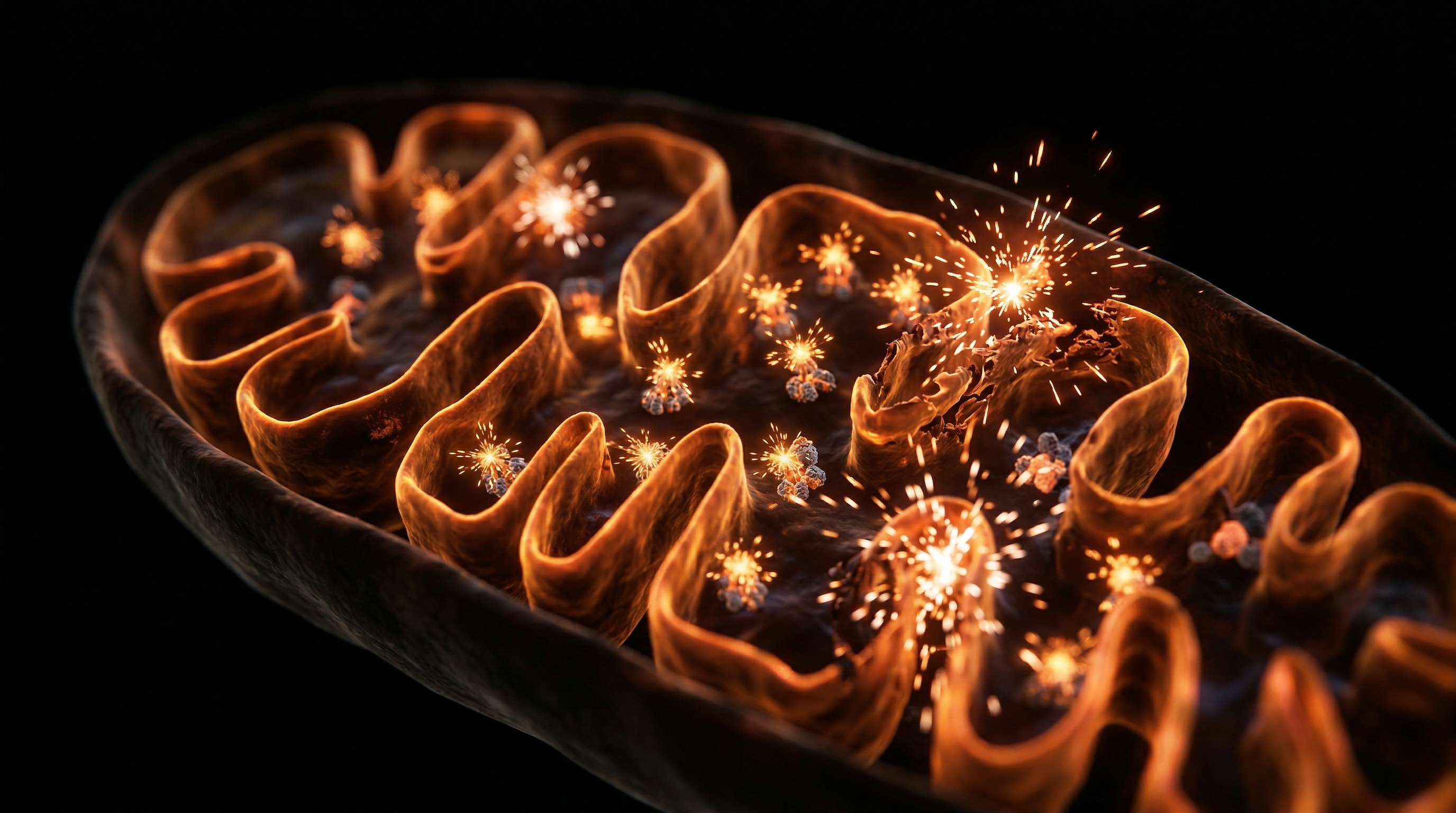
    Oxidative Stress: The Silent Cellular Destroyer

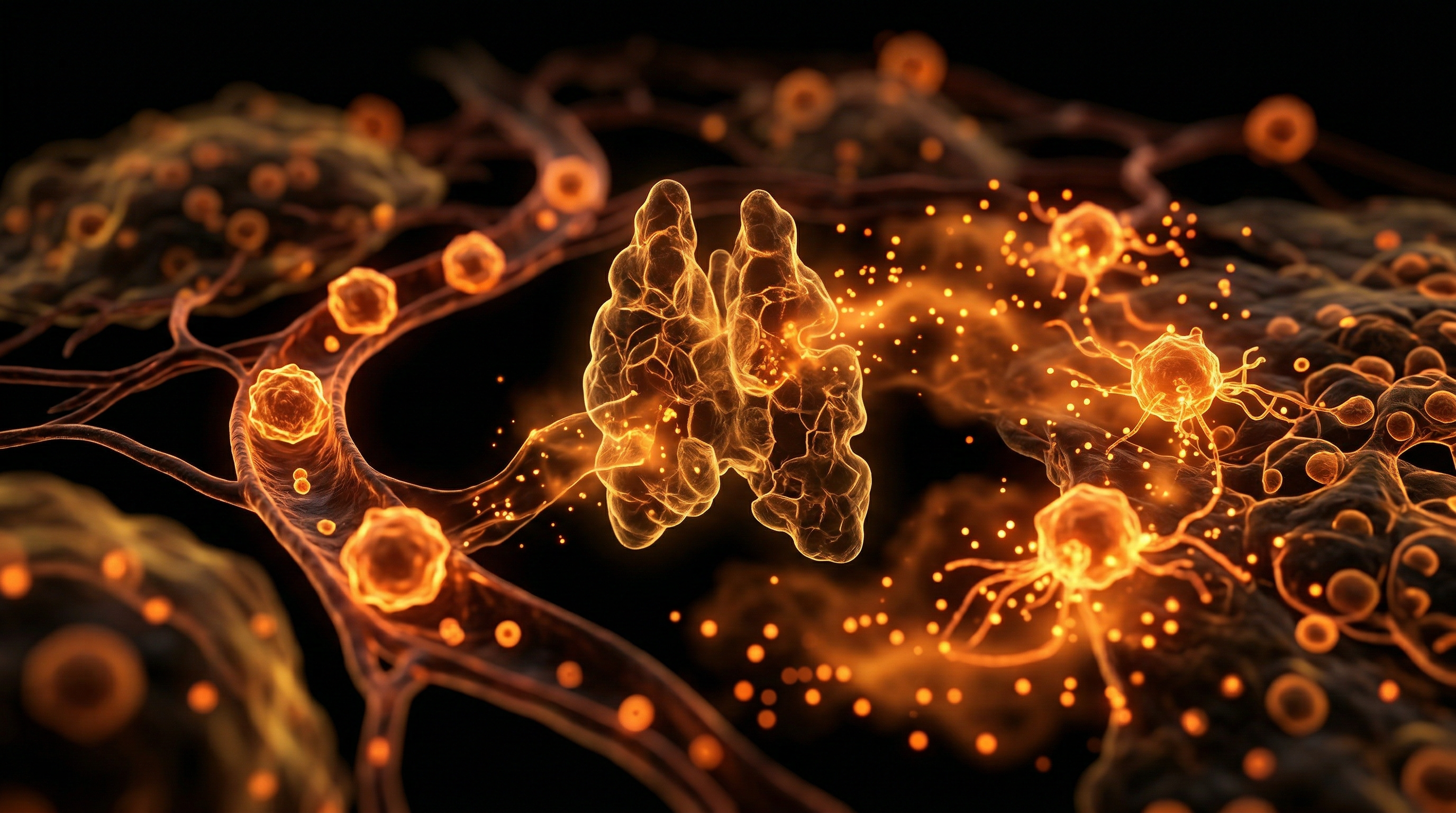
    Reactive oxygen species — superoxide, hydrogen peroxide, and the hydroxyl radical — are generated as inevitable byproducts of mitochondrial respiration and immune function, and in controlled quantities serve essential roles in cellular signalling and pathogen killing. When ROS production exceeds the antioxidant defence capacity of the cell — through environmental toxin exposure, nutritional deficiency, chronic inflammation, or impaired mitochondrial function — oxidative stress occurs, causing indiscriminate damage to lipid membranes, proteins, and DNA that accelerates ageing, drives cancer initiation, destroys neural tissue, and disrupts every aspect of cellular metabolism. The modern lifestyle — high in seed oil linoleic acid, processed carbohydrates, heavy metal exposure, and chronically low in antioxidant nutrients — is a perfect engine for sustained oxidative stress.

    #oxidative stress#ROS
    N
    Scientific illustration for NAD+: The Molecule of Life and Longevity
    Mitochondria
    17 MIN READ

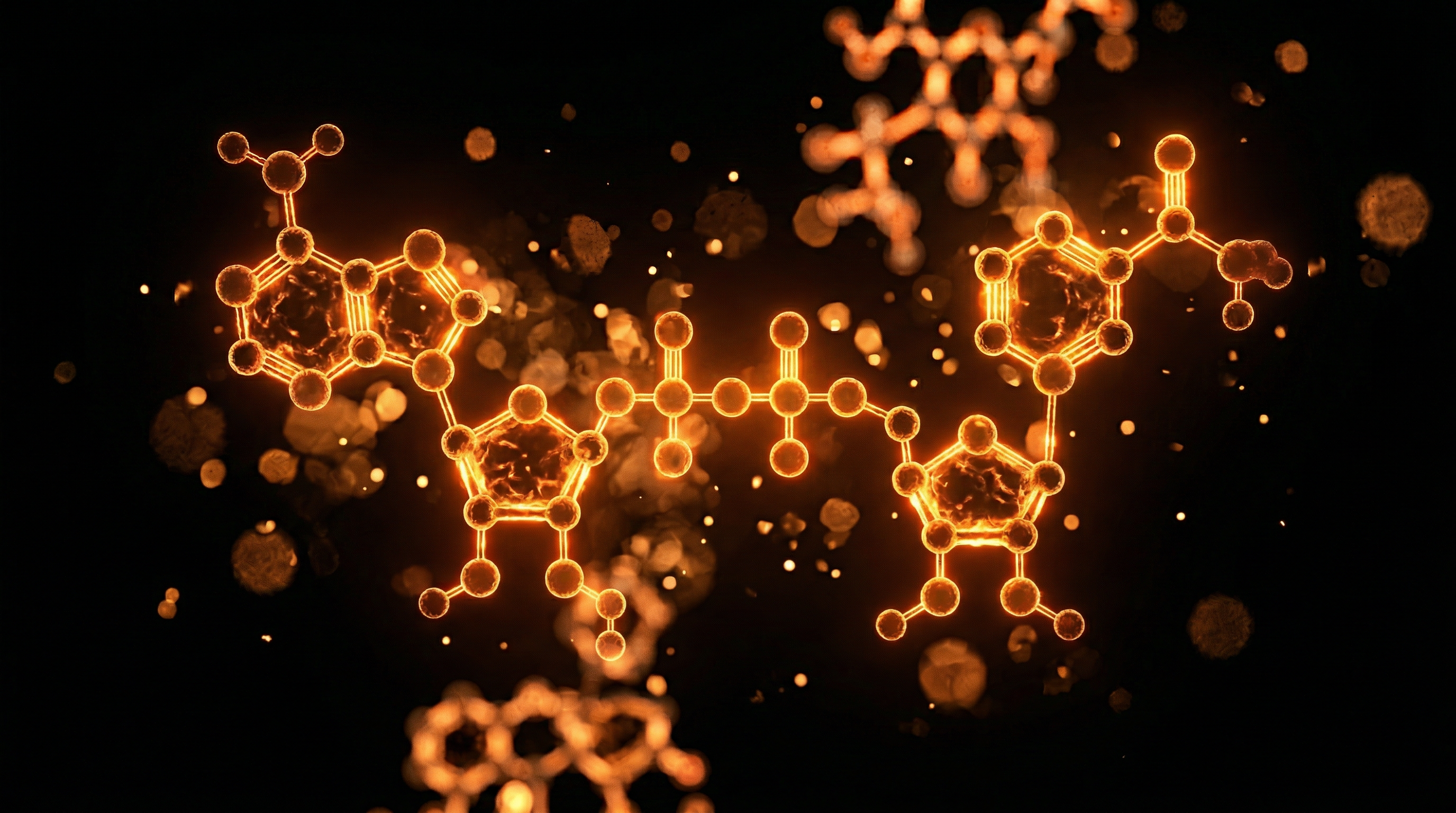
    NAD+: The Molecule of Life and Longevity

    Nicotinamide adenine dinucleotide (NAD+) is a coenzyme present in every cell of the body that serves as the essential electron carrier in the mitochondrial electron transport chain, the substrate for SIRT1 through SIRT7 longevity-associated sirtuins, the fuel for PARP DNA repair enzymes, and a critical regulator of the circadian clock — making it arguably the most important molecule in the biology of ageing, energy production, and disease prevention. NAD+ levels decline precipitously with age, chronic alcohol consumption, inflammatory conditions, and genotoxic exposure, creating a cellular energy and repair deficit that underlies the pathology of neurodegeneration, cancer, metabolic disease, and immunological collapse. The urgent conversation about NAD+ precursors and restoration strategies is one of the most significant developments in functional medicine.

    #NAD+#NMN