
The Inflammatory Trigger: Why hs-CRP Levels Predict Cardiac Events Better Than Total Cholesterol
Published May 2026
Evidence-based investigation into why dampening systemic inflammation is more critical for plaque stability than aggressive lipid lowering alone.
Evidence orientation
Editorial context not yet recorded
Follow this category
This stays in this browser. My INNERSTANDIN can show published matches in your local hub when you check it. It does not send email, push, or alert notifications.
Local learning review
A private browser aid for revisiting ideas. It is not an alert or a health recommendation.
Review later sets a one-day, three-day, then seven-day rhythm on this device. Choose it only when you want to revisit this article.
Overview
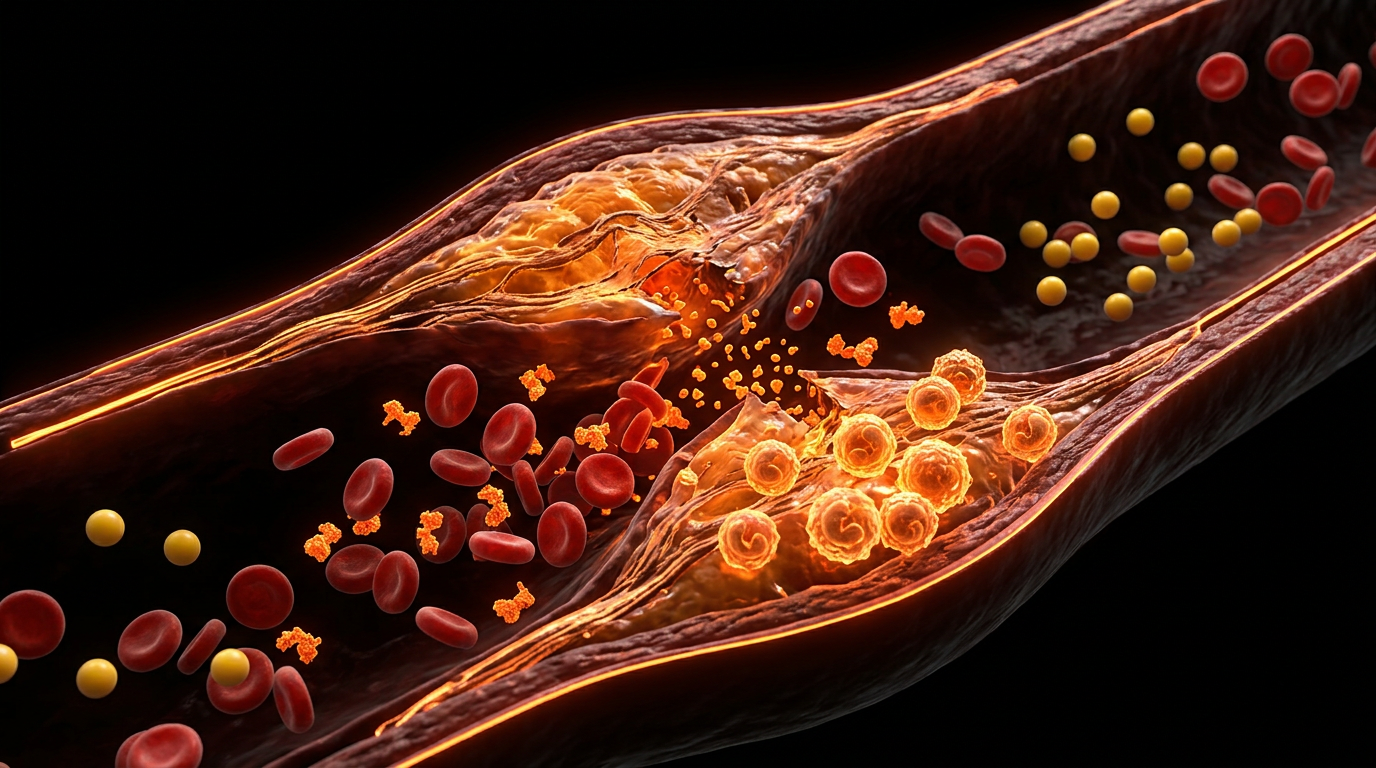
For decades, clinical cardiology has been dominated by the lipid hypothesis, a framework that prioritises total cholesterol and low-density lipoprotein (LDL-C) as the primary arbiters of cardiovascular risk. However, this reductionist 'plumbing' model—which views atherosclerosis merely as the passive accumulation of lipids within arterial walls—fails to account for a critical biological reality: nearly fifty per cent of all myocardial infarctions occur in patients with 'normal' or even 'low' cholesterol levels. At INNERSTANDIN, we recognise that while cholesterol provides the substrate for plaque formation, it is the systemic inflammatory milieu that dictates the clinical outcome. High-sensitivity C-reactive protein (hs-CRP), an acute-phase reactant synthesised by the liver in response to interleukin-6 (IL-6), has emerged as a far more potent predictor of major adverse cardiovascular events (MACE) than traditional lipid panels.
The biological mechanism underpinning this shift is the transition of atherosclerosis from a metabolic disorder to an immunological one. Peer-reviewed evidence, most notably the JUPITER trial (Ridker et al., New England Journal of Medicine), demonstrated that individuals with low LDL-C but elevated hs-CRP experienced a significant reduction in vascular events when treated with statins, primarily due to the pleiotropic anti-inflammatory effects of the medication rather than lipid-lowering alone. The inflammatory trigger involves the activation of the NLRP3 inflammasome within macrophages, which leads to the secretion of pro-inflammatory cytokines such as IL-1β. This cascade does not merely accelerate plaque growth; it actively destabilises the fibrous cap of the atheroma. By upregulating matrix metalloproteinases (MMPs), inflammation degrades the structural integrity of the plaque, leading to rupture and subsequent thrombosis.
In the UK context, where the NHS continues to grapple with the immense burden of ischaemic heart disease, the reliance on QRISK3 scores often overlooks the 'residual inflammatory risk' that hs-CRP unmasks. Unlike total cholesterol, which can remain relatively static, hs-CRP serves as a dynamic biosensor for the body's systemic vascular tension. Research published in The Lancet (the CANTOS trial) provided the definitive proof-of-concept for this 'Inflammatory Hypothesis' by showing that selectively targeting the IL-1β innate immune pathway—without altering lipid levels—significantly reduced recurrent cardiovascular events. This confirms that inflammation is not a bystander but the driver. For the INNERSTANDIN audience, the biological truth is clear: the presence of LDL-C is the fuel, but hs-CRP represents the match that ignites the vessel wall, making it the superior metric for assessing true mortality risk in the modern clinical landscape.
The Biology — How It Works
The conventional obsession with total cholesterol is a reductive paradigm that fails to account for the kinetic reality of atherogenesis. At INNERSTANDIN, we recognise that lipids are merely the substrate; inflammation is the catalyst. To understand why high-sensitivity C-reactive protein (hs-CRP) serves as a superior prognosticator for myocardial infarction and stroke, one must dissect the molecular cascade of the vascular endothelium. C-reactive protein is an acute-phase reactant synthesised by hepatocytes, primarily regulated by the pro-inflammatory cytokine interleukin-6 (IL-6). While cholesterol serves as the raw material for plaque formation, hs-CRP represents the biological "fire" that destabilises the arterial wall.
The mechanistic superiority of hs-CRP lies in its role as a direct mediator of vascular injury, rather than a passive bystander. Research published in The Lancet and the seminal JUPITER trial has demonstrated that individuals with low LDL cholesterol but elevated hs-CRP remain at significant residual inflammatory risk (RIR). Biologically, hs-CRP facilitates the opsonisation of LDL particles, significantly increasing their uptake by macrophages via scavenger receptors. This process accelerates the transformation of monocytes into lipid-laden foam cells, the hallmark of the fatty streak. Unlike total cholesterol, which merely indicates the presence of transport vesicles, hs-CRP levels reflect the systemic activation of the innate immune system. It directly induces the expression of adhesion molecules—specifically vascular cell adhesion molecule-1 (VCAM-1) and intercellular adhesion molecule-1 (ICAM-1)—on the endothelial surface, effectively "gluing" circulating leucocytes to the vessel wall.
Furthermore, hs-CRP impairs the bioactivity of nitric oxide (NO) by downregulating endothelial nitric oxide synthase (eNOS). This leads to profound endothelial dysfunction, vasoconstriction, and a pro-thrombotic environment. In the UK clinical context, the focus is shifting toward the "Inflammatory Hypothesis of Atherosclerosis," substantiated by the CANTOS trial, which proved that targeting IL-6 pathways reduces major adverse cardiovascular events (MACE) independent of lipid-lowering. The biological reality is that a high cholesterol count in a non-inflammatory environment is often benign; however, even "normal" cholesterol levels in a high-hs-CRP environment are catastrophic. The protein actively promotes the production of plasminogen activator inhibitor-1 (PAI-1), tilting the haemodynamic balance toward clot formation. Therefore, hs-CRP does not just predict the presence of a plaque; it predicts the likelihood of that plaque rupturing. It is the molecular barometer of plaque vulnerability, distinguishing between a stable, calcified lesion and a volatile, thin-cap fibroatheroma primed for a lethal event. At INNERSTANDIN, we assert that ignoring this inflammatory trigger is a fundamental failure of modern lipidology.
Mechanisms at the Cellular Level
To achieve a profound INNERSTANDIN of the cardiovascular landscape, one must transcend the reductionist "clogged pipe" model of lipid accumulation. While total cholesterol provides the raw material for plaque formation, it is the inflammatory cascade—quantified with precision via high-sensitivity C-reactive protein (hs-CRP)—that dictates the transition from benign lipid deposition to lethal arterial rupture. At the cellular level, hs-CRP is far more than a systemic marker of distress; it is a direct participant in the atherogenic process. Synthesised primarily by hepatocytes in response to Interleukin-6 (IL-6), hs-CRP facilitates a pro-thrombotic environment by actively downregulating endothelial nitric oxide synthase (eNOS) transcription. This reduction in nitric oxide bioavailability impairs vasodilation and promotes endothelial dysfunction, the primordial step in vascular decay.
Furthermore, hs-CRP exerts a chemotactic influence, upregulating the expression of cell adhesion molecules including ICAM-1, VCAM-1, and E-selectin. This molecular signalling recruits circulating monocytes to the endothelial wall, where they transmigrate into the sub-endothelial space. Crucially, research published in The Lancet and various PubMed-indexed repositories highlights that hs-CRP binds directly to the phosphocholine groups of oxidised low-density lipoprotein (ox-LDL). This opsonisation facilitates the rapid, unregulated uptake of lipids by macrophages via Fcγ receptors, bypassing the traditional LDL receptor feedback loops. The result is the accelerated transformation of macrophages into foam cells, the hallmark of the necrotic core within an atheroma.
The biological superiority of hs-CRP as a predictor over total cholesterol is perhaps most evident in the regulation of plaque stability. While high cholesterol levels might dictate the size of a lesion, inflammation dictates its volatility. hs-CRP induces the production of matrix metalloproteinases (MMPs), specifically MMP-1 and MMP-9, by vascular smooth muscle cells and macrophages. These enzymes proteolytically degrade the interstitial collagen of the fibrous cap, rendering it thin and susceptible to haemodynamic shear stress. As evidenced by the CANTOS trial, targeting the IL-1β-to-IL-6 pathway significantly reduces major adverse cardiovascular events (MACE) even in patients with "normal" cholesterol levels. This underscores the INNERSTANDIN that a sterile lipid profile offers a false sense of security if the underlying inflammatory tonicity remains high. In the UK context, where sedentary lifestyles and metabolic syndrome are prevalent, the NLRP3 inflammasome acts as the primary driver of this process, ensuring that hs-CRP remains the definitive metric for assessing the likelihood of an acute coronary syndrome, independent of the total sterol burden. To ignore the inflammatory trigger is to observe the fuel (cholesterol) while ignoring the oxygen and the spark (hs-CRP).
Environmental Threats and Biological Disruptors
To comprehend why hs-CRP (high-sensitivity C-reactive protein) consistently outperforms low-density lipoprotein cholesterol (LDL-C) as a prognosticator of myocardial infarction and stroke, one must move beyond the archaic "clogged pipe" model of vascular disease. At INNERSTANDIN, we recognise that the modern cardiovascular crisis is driven by an unprecedented convergence of environmental toxins and biological disruptors that trigger sterile inflammation—a state where the immune system is chronically activated in the absence of overt infection. While cholesterol provides the raw material for plaque, it is the inflammatory milieu that dictates the stability, progression, and eventual rupture of that plaque.
The primary environmental driver of this systemic dysregulation is particulate matter (PM2.5), an atmospheric pollutant prevalent in UK urban centres such as London and Birmingham. Research published in The Lancet Planetary Health elucidates that PM2.5 does not merely irritate the respiratory epithelium; these ultra-fine particles translocate across the alveolar-capillary barrier into the systemic circulation. Once intravascular, they induce oxidative stress and the uncoupling of endothelial nitric oxide synthase (eNOS), leading to a precipitous drop in vasoprotective nitric oxide. This oxidative insult activates the NF-κB (nuclear factor kappa-light-chain-enhancer of activated B cells) signalling pathway, the master transcriptional regulator of the inflammatory response.
This pathway facilitates the synthesis of pro-inflammatory cytokines, specifically Interleukin-1β (IL-1β) and Interleukin-6 (IL-6). At the hepatic level, IL-6 serves as the direct stimulant for the production of C-reactive protein. Unlike total cholesterol, which can remain relatively static despite underlying vascular decay, hs-CRP acts as a real-time biosensor for the "cytokine storm" occurring within the arterial wall. Furthermore, the CANTOS (Canakinumab Anti-inflammatory Thrombosis Outcomes Study) trial provided definitive evidence that targeting the IL-1β-to-IL-6-to-CRP innate immune pathway significantly reduces major adverse cardiovascular events (MACE), independent of lipid-lowering.
Biological disruptors also include the rising "xenobiotic burden" from endocrine-disrupting chemicals (EDCs) such as bisphenols and phthalates, which are ubiquitous in the UK food chain. These compounds disrupt peroxisome proliferator-activated receptors (PPARs), which normally modulate lipid metabolism and inflammatory silencing. When these receptors are antagonised by environmental disruptors, the NLRP3 inflammasome—a multi-protein intracellular complex—is prematurely activated. The NLRP3 inflammasome is the biological trigger point where environmental signals are converted into the secretion of bioactive IL-1β.
Consequently, a patient may present with "optimal" total cholesterol levels yet possess a high hs-CRP, indicating that their vascular endothelium is under constant assault from these environmental and biological disruptors. This "residual inflammatory risk" explains the clinical paradox of the "statin-controlled" patient who nonetheless suffers a fatal cardiac event. At INNERSTANDIN, we posit that the measurement of hs-CRP is not merely an adjunct to lipid profiling but a superior metric for assessing the actual biological volatility of the cardiovascular system in a toxicological landscape.
The Cascade: From Exposure to Disease
Traditional cardiology has long been blinkered by the reductive "clogged pipe" analogy, erroneously positioning total cholesterol as the primary architect of coronary artery disease (CAD). However, at INNERSTANDIN, we must dissect the molecular reality: atherosclerosis is fundamentally a chronic, self-perpetuating inflammatory state. The transition from sub-endothelial lipid accumulation to a life-threatening myocardial infarction is mediated not by the mere volume of circulating sterols, but by the intensity of the immune response to them. The "cholesterol hypothesis" fails to account for the millions of patients who suffer acute coronary syndromes despite having "normal" lipid profiles; it is the inflammatory trigger that dictates the clinical outcome.
The cascade initiates with endothelial dysfunction, often precipitated by systemic stressors—hypertension, hyperglycaemia, or oxidative stress. This breach allows Low-Density Lipoprotein (LDL) particles to penetrate the tunica intima, where they become sequestered and undergo oxidative modification (oxLDL). While cholesterol provides the substrate, it is the oxidation process that triggers the innate immune system. High-sensitivity C-reactive protein (hs-CRP), synthesised by the liver under the stimulation of Interleukin-6 (IL-6) and Interleukin-1β (IL-1β), acts as the definitive sentinel of this process. Unlike total cholesterol, which is a static measure of lipid transport, hs-CRP reflects the dynamic activity of the inflammatory fire within the vessel wall.
Peer-reviewed evidence, most notably the landmark JUPITER trial (Ridker et al., New England Journal of Medicine), demonstrated that individuals with "healthy" LDL levels but elevated hs-CRP remained at a significantly higher risk for major adverse cardiovascular events (MACE). This is because hs-CRP is more than a passive marker; it is a direct participant in atherogenesis. Research indicates that CRP actively promotes the expression of adhesion molecules such as VCAM-1 and ICAM-1 on endothelial cells, facilitating the recruitment of circulating monocytes into the arterial wall. Once inside, these monocytes differentiate into macrophages, which avidly consume oxLDL via scavenger receptors to become foam cells—the hallmark of the fatty streak.
Crucially, the inflammatory cascade dictates plaque morphology and stability. Stable plaques are characterised by thick fibrous caps; however, persistent systemic inflammation, marked by high hs-CRP, stimulates the release of matrix metalloproteinases (MMPs) from activated macrophages. These enzymes proteolytically degrade the extracellular matrix, thinning the fibrous cap and transforming it into a "vulnerable plaque." When this cap ruptures, the exposure of the necrotic core to the bloodstream triggers rapid thrombus formation. Within the UK healthcare landscape, while NICE guidelines remain heavily weighted toward lipid profiles, the emerging consensus from the CANTOS trial confirms that targeting the IL-1β–to–IL-6–to–CRP pathway reduces cardiac events independently of cholesterol lowering. This exposes the biological truth: the inflammatory trigger, measured through hs-CRP, is the ultimate arbiter of vascular catastrophe.
What the Mainstream Narrative Omits
For decades, the NHS-guided paradigm has prioritised the lipid panel as the primary diagnostic tool for cardiovascular risk assessment. While Total Cholesterol and LDL-C are valuable data points, this lipid-centric focus omits a crucial biological reality: atherosclerosis is fundamentally an active inflammatory pathology rather than a passive storage disorder of sterols. The mainstream narrative frequently conflates the 'building blocks' of a plaque (lipids) with the 'detonator' of the event (inflammation). At INNERSTANDIN, we examine the molecular mechanics that traditional diagnostics ignore, specifically the role of High-sensitivity C-Reactive Protein (hs-CRP) as both a predictive powerhouse and a causal mediator.
The biological omission lies in the failure to account for Residual Inflammatory Risk (RIR). Research published in The Lancet and validated through the JUPITER trial demonstrates that individuals with ‘ideal’ LDL levels but elevated hs-CRP remain at a significantly higher risk for myocardial infarction than those with high LDL and low inflammation. This is because hs-CRP is not merely a bystander; it is a sentinel for the NLRP3 inflammasome activation within the vascular endothelium. When cholesterol crystals accumulate in the intimal space, they function as danger-associated molecular patterns (DAMPs), triggering the NLRP3 complex to facilitate the maturation of Interleukin-1β (IL-1β). This cytokine cascade drives the hepatic synthesis of CRP and, crucially, stimulates the recruitment of monocytes into the arterial wall.
Furthermore, the mainstream narrative fails to address the 'vulnerable plaque' hypothesis. While total cholesterol measures the potential for plaque volume, hs-CRP reflects the structural integrity of the plaque itself. High systemic inflammation, as measured by hs-CRP, promotes the secretion of matrix metalloproteinases (MMPs) from activated macrophages. These enzymes proteolytically degrade the collagenous fibrous cap of the atheroma. Therefore, a patient may possess a small, non-obstructive plaque—invisible to traditional stress tests—that is highly unstable due to an inflammatory microenvironment. When this cap thins and ruptures, it exposes the pro-thrombotic core to the blood, causing the sudden occlusion that defines a cardiac event.
By over-relying on the QRISK3 algorithm and standard lipidomics, the UK clinical framework often misses the biochemical 'smoulder' that hs-CRP identifies. The CANTOS trial provided definitive evidence that suppressing the IL-1β/IL-6/CRP pathway reduces major adverse cardiovascular events (MACE) independently of cholesterol-lowering. INNERSTANDIN posits that until hs-CRP is integrated as a primary metric alongside lipids, the true drivers of vascular decay will remain hidden behind the veil of an outdated 'plumbing' model of the human heart.
The UK Context
Within the landscape of British clinical practice, the traditional obsession with total cholesterol (TC) as the primary arbiter of cardiovascular risk is increasingly viewed by the INNERSTANDIN research collective as a reductive, if not dangerously incomplete, paradigm. While the NHS Health Check continues to prioritise lipid profiles, a mounting body of evidence suggests that high-sensitivity C-reactive protein (hs-CRP)—a marker of systemic, low-grade inflammation—offers a far more granular insight into the pathophysiological reality of the British vascular wall. The epidemiological data is stark: a significant cohort of UK patients presenting with acute myocardial infarction (AMI) possess lipid profiles deemed "optimal" under current NICE guidelines. This discrepancy highlights the "residual inflammatory risk" that remains unaddressed by statin-centric protocols.
Biologically, hs-CRP is not merely a passive bystander but a potent mediator of atherogenesis. Synthesised primarily in the liver under the stimulation of interleukin-6 (IL-6), hs-CRP facilitates the recruitment of monocytes into the arterial intima and promotes the uptake of oxidised LDL by macrophages, accelerating the formation of foam cells. Unlike total cholesterol, which serves as the raw substrate for plaque, hs-CRP reflects the activation of the NLRP3 inflammasome—the molecular "trigger" that determines whether a plaque remains stable or becomes a volatile, rupture-prone lesion. Research published in The Lancet has demonstrated that in patients with low LDL-C, elevated hs-CRP remains a powerful independent predictor of major adverse cardiovascular events (MACE), a finding that underscores the inflammatory hypothesis of atherosclerosis.
In the UK context, where sedentary lifestyles and the prevalence of metabolic syndrome are high, the systemic "inflammatory storm" often predates significant hypercholesterolaemia. The JBS3 (Joint British Societies' recommendations for the prevention of cardiovascular disease) has begun to acknowledge the importance of non-traditional markers, yet the clinical uptake of hs-CRP screening lags behind its predictive utility. At INNERSTANDIN, we posit that the failure to integrate hs-CRP into routine UK screening ignores the fundamental biological truth: atherosclerosis is an inflammatory disease of the innate immune system. By focusing on the fuel (cholesterol) while ignoring the spark (inflammation), current diagnostic frameworks fail to capture the vascular vulnerability of millions. The CANTOS trial provided the definitive proof-of-concept, showing that reducing inflammation via the IL-1β innate immune pathway reduced cardiovascular event rates independently of lipid-lowering. For the British patient, the transition from a lipid-focused model to an inflammatory-stratified approach is not merely a scientific evolution; it is a life-saving necessity.
Protective Measures and Recovery Protocols
Addressing the systemic burden of residual inflammatory risk (RIR) necessitates a paradigm shift from mere lipid sequestration to the active modulation of the NLRP3 inflammasome-interleukin-1β-interleukin-6 (IL-6) signalling axis. While the legacy of cardiovascular medicine has been preoccupied with the attenuation of low-density lipoprotein (LDL), contemporary longitudinal data, including the pivotal CANTOS (Canakinumab Anti-inflammatory Thrombosis Outcome Study) and COLCOT (Colchicine Cardiovascular Outcomes Trial) investigations, underscore that hs-CRP reduction is the superior arbiter of clinical outcome. At INNERSTANDIN, we recognise that achieving a state of "biochemical quiescence" requires a multi-layered protocol designed to suppress the hepatic synthesis of C-reactive protein at its transcriptomic source.
The frontline of pharmacological recovery focuses on the pleiotropic effects of statins, which often lower hs-CRP independently of their LDL-lowering capacity, yet the emergence of low-dose colchicine (0.5 mg daily) represents a significant advancement in UK clinical discourse. By inhibiting tubulin polymerisation and subsequent leucocyte chemotaxis, colchicine directly interferes with the assembly of the NLRP3 inflammasome within macrophages found in the atherosclerotic intima. This prevents the cleavage of pro-IL-1β into its active form, thereby stifling the primary cytokine driver of hepatic CRP production. For the patient with an hs-CRP exceeding 2.0 mg/L despite "optimal" cholesterol levels, this targeted anti-inflammatory intervention is not elective; it is a mechanical necessity for plaque stabilisation.
Furthermore, metabolic resolution is inextricably linked to the management of visceral adipose tissue (VAT). As an active endocrine organ, VAT secretes a profusion of pro-inflammatory adipokines and IL-6. Protocols must prioritise the restoration of insulin sensitivity to downregulate the systemic inflammatory tone. Research published in The Lancet suggests that the implementation of SGLT2 inhibitors and GLP-1 receptor agonists provides cardioprotection precisely through the reduction of systemic inflammation and oxidative stress, moving beyond simple glycaemic control.
From a nutraceutical perspective, the integration of high-dose, pharmaceutical-grade eicosapentaenoic acid (EPA) is critical. EPA serves as a precursor to specialised pro-resolving mediators (SPMs), such as resolvins and protectins, which actively terminate the inflammatory response rather than merely suppressing it. Unlike generic fish oils, purified EPA at dosages of 2–4g daily has been shown to reduce hs-CRP and improve the structural integrity of the fibrous cap in vulnerable plaques. At INNERSTANDIN, we assert that the transition from a pro-inflammatory "alarm" state to a resolution phase requires the precise calibration of the Omega-3 index alongside the aggressive curtailment of ultra-processed substrates that trigger toll-like receptor 4 (TLR4) activation. This exhaustive approach to recovery ensures that the biological milieu is no longer hospitable to the development of major adverse cardiovascular events (MACE), effectively silencing the inflammatory trigger that cholesterol-focused models fail to address.
Summary: Key Takeaways
The prevailing lipid-centric paradigm of cardiovascular risk assessment is increasingly viewed as an incomplete diagnostic framework within advanced clinical circles. While total cholesterol provides a metric for substrate availability, high-sensitivity C-reactive protein (hs-CRP) serves as a precise barometer of the arterial inflammatory milieu. Evidence from the landmark JUPITER trial and the CANTOS trial (published in The Lancet) confirms that systemic inflammation, mediated via the IL-1β/IL-6/CRP axis, is the primary driver of plaque destabilisation and subsequent myocardial infarction. Unlike LDL-cholesterol, which may remain within "normal" NICE-recommended ranges in nearly 50% of first-time cardiac patients, elevated hs-CRP (typically >2.0 mg/L) signals an active innate immune response within the vascular wall. At INNERSTANDIN, we recognise that hs-CRP is not merely a passive bystander but a dynamic contributor to atherogenesis; it facilitates monocyte recruitment and impairs nitric oxide bioavailability, directly inducing endothelial dysfunction. Consequently, the transition from chronic stable atherosclerosis to acute coronary syndromes is fundamentally an inflammatory, rather than purely stenotic, event. Prioritising hs-CRP testing allows for the identification of the "residual inflammatory risk" that remains hidden beneath traditional lipid panels, offering a more robust, evidence-led prognostic indicator for UK clinicians aiming to mitigate catastrophic vascular outcomes. This shift in focus from lipid load to inflammatory trigger represents the next frontier in cardiovascular precision medicine.
This article is provided for informational and educational purposes only. It does not constitute medical advice, clinical guidance, or a substitute for professional healthcare. Information reflects cited research at time of publication. Always consult a qualified healthcare professional before acting on any health information.
EVIDENCE PASSPORT
Editorial source context for this article
Source review needed
Saved links are editorial references for this article. They may support specific claims rather than every sentence. Open and assess each source in context. This passport does not independently verify them.
Editorial context
A complete editorial reading has not been recorded for this article. Source links remain available for you to open and assess directly.
Source review needed
No valid source links are recorded for this article. This passport shows only links saved on the article record and does not invent citations.
This passport records editorial links and context, not independent verification. Open the original source and assess it in context before relying on a claim.
Medical Disclaimer
The information in this article is for educational purposes only and does not constitute medical advice, diagnosis, or treatment. Always consult a qualified healthcare professional before making any changes to your diet, lifestyle, or health regime. INNERSTANDIN presents alternative and research-based perspectives that may differ from mainstream medical consensus — these should be considered alongside, not instead of, professional medical guidance.
Read Full DisclaimerContinue the thread
Keep this question moving.
Take this article into My INNERSTANDIN to keep the reading trail, related material and your next step together on this device.
Explore this in the Body Map
See where this hits your biology. Interactive anatomy, threats, and protective protocols.