Pericardial Fluid Proteomics: Identifying Early Biomarkers of Cardiac Membrane Permeability Changes
This comprehensive guide explores the cutting-edge role of pericardial fluid proteomics in detecting early-stage cardiac membrane permeability issues, offering a root-cause perspective on heart health and preventative diagnostics.
# Pericardial Fluid Proteomics: Identifying Early Biomarkers of Cardiac Membrane Permeability Changes ## Introduction: Beyond the Surface of the Heart In the landscape of cardiovascular medicine, the focus has traditionally remained on the heart's mechanical pump and the electrical signals that drive it. However, at INNERSTANDING, we advocate for a deeper look into the systemic and molecular environments that dictate cardiac longevity. One of the most overlooked yet vital components of heart health is the pericardium—the double-walled sac containing the heart—and the specialized fluid that resides within it. Pericardial fluid proteomics is emerging as a revolutionary field, allowing clinicians to identify molecular changes at the level of the cardiac membrane long before structural damage becomes visible on an echocardiogram or MRI. By understanding the 'molecular fingerprint' of this fluid, we can pinpoint early biomarkers of membrane permeability, offering a window into the root causes of heart disease. ## The Pericardial Reservoir: More Than Just Lubrication The pericardial space contains approximately 15 to 50 ml of serous fluid under normal physiological conditions.
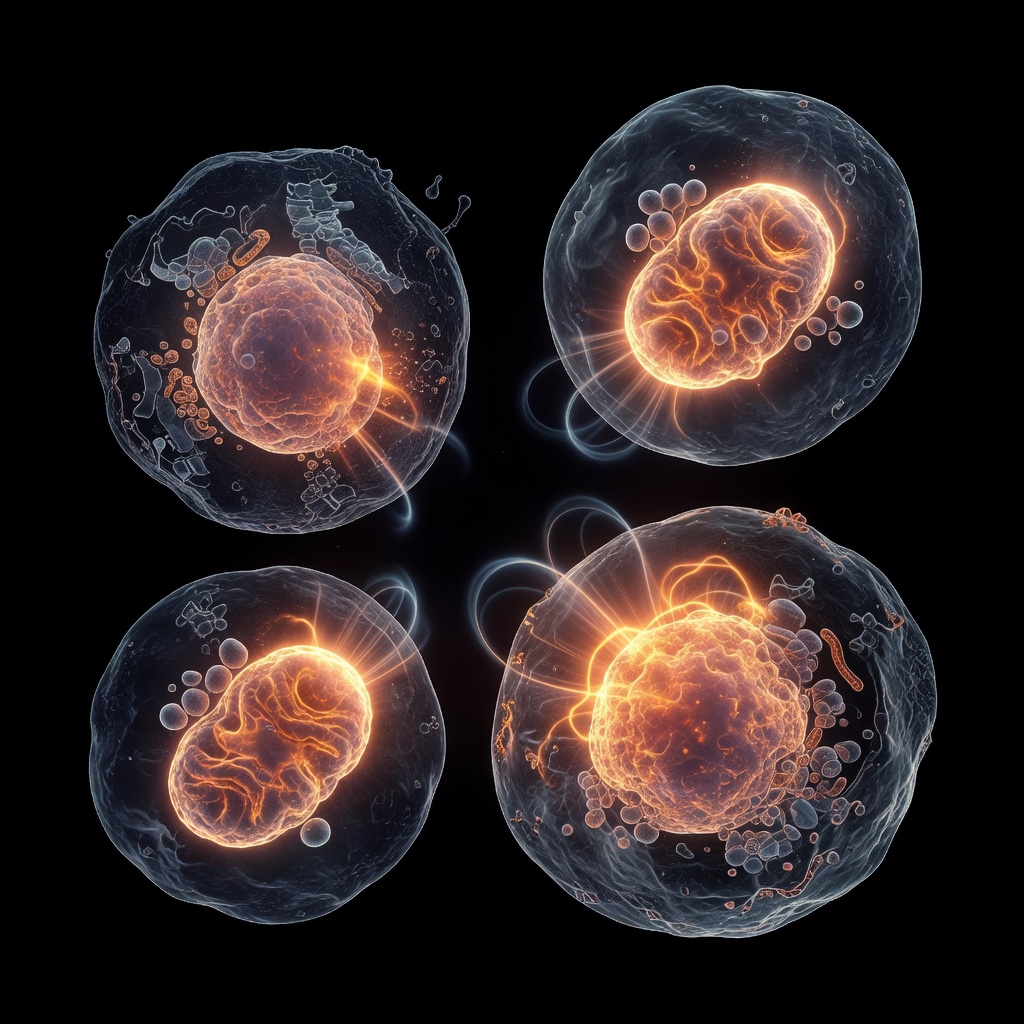
Traditionally, this fluid was thought to serve a primarily mechanical role, reducing friction as the heart beats. Modern science has corrected this reductionist view. The pericardial fluid is a dynamic ultrafiltrate of plasma, enriched with proteins, lipids, and microRNAs secreted by the heart and the pericardium itself. Because of its direct contact with the epicardium (the outermost layer of the heart wall), it serves as a proximal 'reservoir' for metabolic and inflammatory signals. When the cardiac membrane—specifically the sarcolemma and the endothelial lining—begins to lose its integrity, proteins that should remain inside the cardiac cells leak into this fluid.
This makes pericardial fluid analysis significantly more sensitive for early detection than peripheral blood tests, where these markers are diluted by the body's total blood volume. ## Understanding Proteomics and the 'Leakage' Hypothesis Proteomics is the large-scale study of proteins: their structures, functions, and concentrations. In the context of the heart, the 'proteome' of the pericardial fluid changes in response to stress. Cardiac membrane permeability refers to the regulated 'gatekeeping' function of the cell membranes. Under healthy conditions, the membrane is selectively permeable, allowing specific ions and nutrients in while keeping intracellular proteins, such as troponins or specific enzymes, sequestered. When the membrane is compromised due to oxidative stress, inflammation, or metabolic dysfunction, this permeability increases—a phenomenon we might call 'leaky heart syndrome.' Proteomics allows us to identify the specific proteins that are leaking.
By measuring the concentration and type of proteins in the pericardial fluid, we can determine the exact state of membrane health. ## Key Proteomic Biomarkers of Cardiac Integrity Several specific proteins have been identified as early indicators of membrane permeability shifts: 1. Matrix Metalloproteinases (MMPs): These enzymes are responsible for remodeling the extracellular matrix. Elevated levels in pericardial fluid suggest that the structural framework of the cardiac membrane is being actively degraded. 2. C-reactive Protein (CRP) and Interleukins: While often measured in blood, their high concentration in pericardial fluid indicates localized 'micro-inflammation' that precedes systemic symptoms. 3. Troponin T and I: Traditionally used to diagnose a heart attack, sub-clinical elevations in pericardial fluid indicate minor membrane 'weeping' before a major cardiac event occurs. 4. Albumin-to-Protein Ratios: A shift in the ratio of serum albumin to local cardiac proteins in the fluid is a hallmark of barrier dysfunction. 5. Fatty Acid-Binding Proteins (FABPs): These small proteins are released rapidly following even minor myocardial injury, making them excellent early-warning signs of membrane stress. ## The Root Causes: Why Does Membrane Permeability Change? To address heart health at its source, we must ask why the cardiac membranes become permeable in the first place. At INNERSTANDING, we identify three primary drivers: ### 1. Oxidative Stress and Lipid Peroxidation The cardiac membrane is composed largely of phospholipids.
When the body is under high oxidative stress—due to poor diet, environmental toxins, or chronic stress—free radicals attack these lipids. This process, known as lipid peroxidation, creates 'holes' in the membrane, allowing intracellular contents to spill out and inflammatory triggers to enter. ### 2. Chronic Low-Grade Inflammation (Inflammaging) Systematic inflammation doesn't just affect the joints or the gut; it affects the heart. Pro-inflammatory cytokines can activate enzymes that break down the junctions between cardiac cells, increasing permeability and allowing the heart to become vulnerable to autoimmune-like attacks. ### 3. Metabolic Inflexibility and Mitochondrial Distress The heart requires a constant supply of ATP to maintain the ionic pumps that keep the membrane stable.
If mitochondrial function is impaired—often due to insulin resistance or micronutrient deficiencies like CoQ10 or magnesium—the membrane loses its electrical charge and physical tightness, leading to leakage. ## The Future of Diagnostics: The 'Liquid Biopsy' The potential for pericardial fluid proteomics lies in its move toward 'liquid biopsies.' While collecting pericardial fluid is currently more invasive than a standard blood draw (usually performed during cardiac surgery or via pericardiocentesis), the insights it provides are unmatched. Researchers are currently working on correlating these localized proteomic signatures with peripheral blood markers. The goal is to identify a 'peripheral proxy'—a blood test that can accurately reflect the state of the pericardial proteome without the need for an invasive procedure. This would allow for routine screening of cardiac membrane health in asymptomatic individuals. ## Clinical Implications for Preventative Health Identifying these biomarkers early allows for a shift from reactive to proactive cardiology. If we detect early signs of membrane leakage through proteomic signatures, the intervention strategy changes: - Membrane Stabilization: Utilizing phospholipid therapy and omega-3 fatty acids to repair the lipid bilayer. - Redox Balance: Implementing targeted antioxidants like Glutathione or Ubiquinol to stop the lipid peroxidation causing the leaks. - Anti-inflammatory Protocols: Using specialized pro-resolving mediators (SPMs) to shut down localized pericardial inflammation. ## Conclusion: A New Paradigm for Heart Health Pericardial fluid proteomics represents the frontier of cardiac membrane health.
By moving away from observing the heart as a simple pump and instead viewing it as a complex molecular system, we can catch disease in its 'pre-symptomatic' phase. For those focused on longevity and root-cause wellness, understanding the integrity of the cardiac membrane is essential. Through the lens of proteomics, we are finally learning how to listen to the subtle whispers of the heart before they become the shouts of cardiovascular disease. The future of heart health is not just in treating the symptoms of a failing heart, but in maintaining the molecular sanctity of its membranes.
This article is provided for informational and educational purposes only. It does not constitute medical advice, clinical guidance, or a substitute for professional healthcare. Information reflects cited research at time of publication. Always consult a qualified healthcare professional before acting on any health information.
RESEARCH FOUNDATIONS
Biological Credibility Archive
Citations provided for educational reference. Verify via PubMed or institutional databases.
Medical Disclaimer
The information in this article is for educational purposes only and does not constitute medical advice, diagnosis, or treatment. Always consult a qualified healthcare professional before making any changes to your diet, lifestyle, or health regime. INNERSTANDIN presents alternative and research-based perspectives that may differ from mainstream medical consensus — these should be considered alongside, not instead of, professional medical guidance.
Read Full DisclaimerReady to learn more?
Continue your journey through our classified biological research.
DISCUSSION ROOM
Members of THE COLLECTIVE discussing "Pericardial Fluid Proteomics: Identifying Early Biomarkers of Cardiac Membrane Permeability Changes"
SILENT CHANNEL
Be the first to discuss this article. Your insight could help others understand these biological concepts deeper.
THE ARSENAL
Based on Pericardium & Cardiac Membrane Health — products curated by our research team for educational relevance and biological support.
Magnesium Blend – The Most Important Mineral

Clean Slate – Detoxes thousands of chemicals,heavy metals, pesticides, allergens, mold spores and fungus
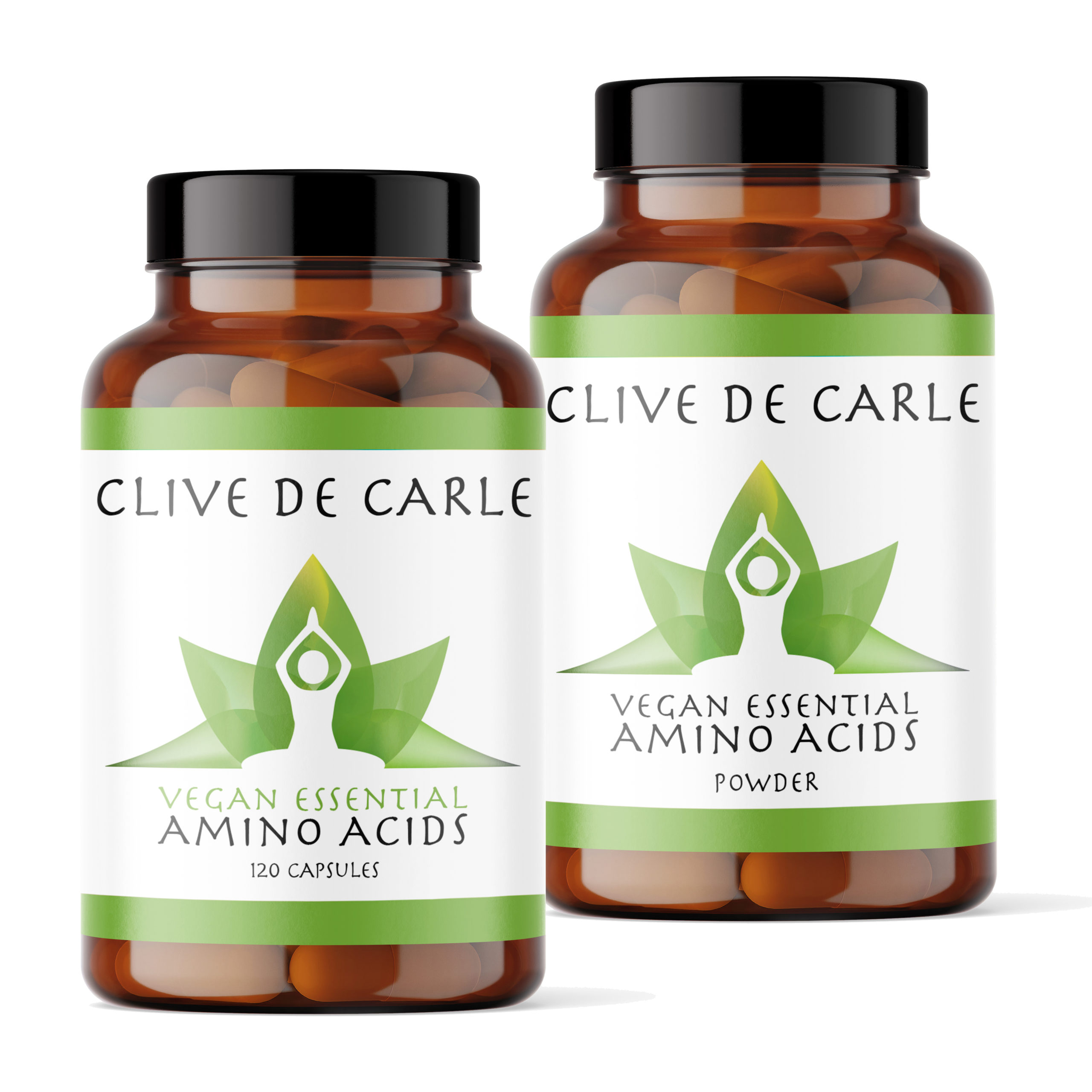
Vegan Essential Amino Acids – Plant-Powered Protein Building
INNERSTANDING may earn a commission on purchases made through these links. All products are selected based on rigorous educational relevance to our biological research.
RABBIT HOLE
Follow the biological thread deeper