
Mitochondria as Sentinels: The Hidden Link Between Energy and Immunity
Discuss this resourceUpdated October 2026
Beyond energy production, mitochondria play a pivotal role in detecting pathogens and coordinating the body's inflammatory response. Discover how mitochondrial health directly dictates the efficacy of your immune system.
Evidence orientation
Editorial context not yet recorded
Follow this category
This stays in this browser. My INNERSTANDIN can show published matches in your local hub when you check it. It does not send email, push, or alert notifications.
Local learning review
A private browser aid for revisiting ideas. It is not an alert or a health recommendation.
Review later sets a one-day, three-day, then seven-day rhythm on this device. Choose it only when you want to revisit this article.
Overview
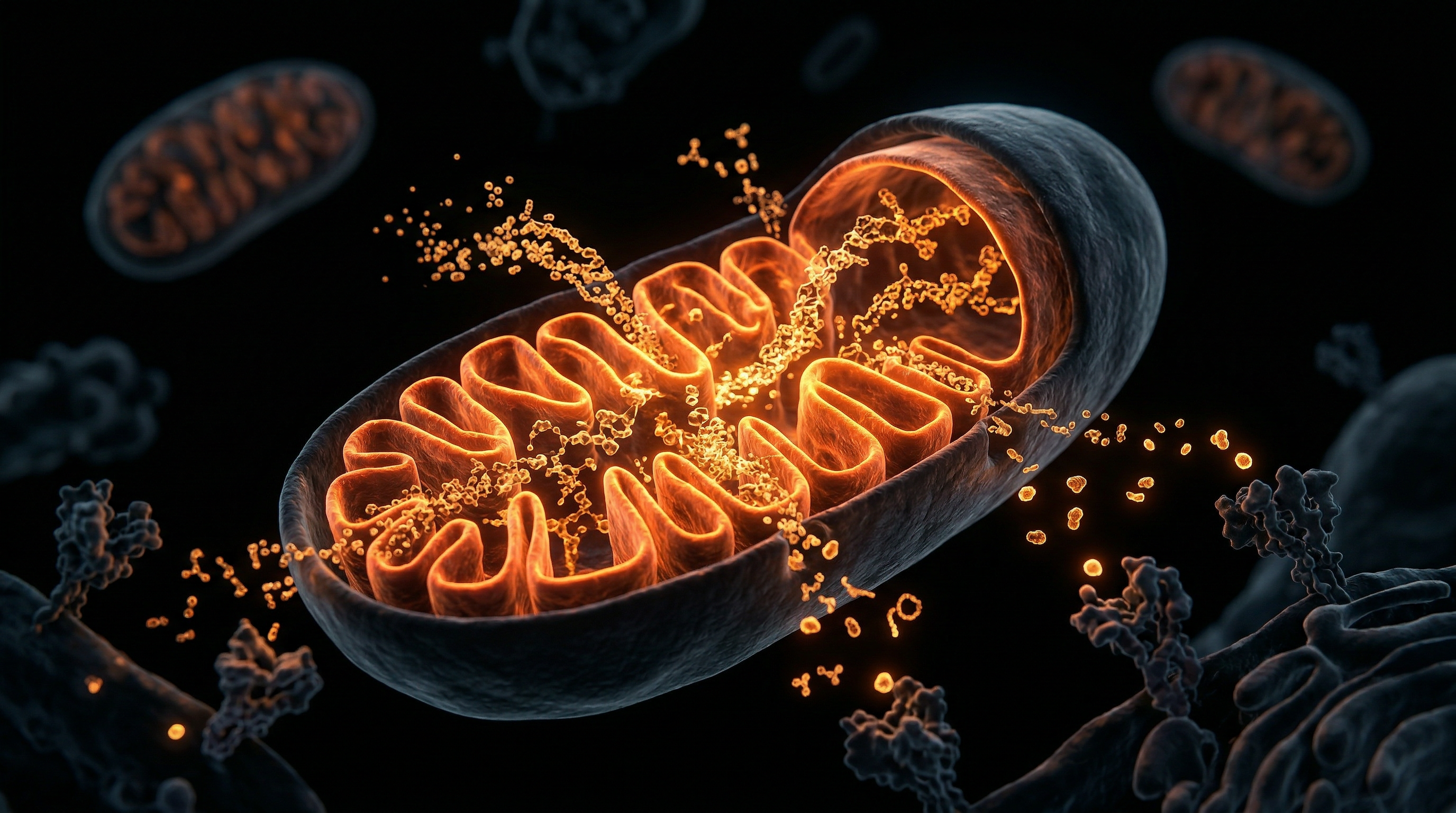
For decades, conventional paradigm paradigms relegated mitochondria to the status of passive cellular dynamos—mere biochemical engines churning out adenosine triphosphate (ATP) via oxidative phosphorylation to sustain basal metabolic homeostasis. However, contemporary immunometabolic research catalogued across leading peer-reviewed literature, including seminal publications indexed in PubMed and features in The Lancet, has dismantled this reductionist view. Mitochondria are, in reality, sophisticated sensory organelles and primary immunological sentinels. They continuously survey the intracellular milieu, orchestrating an intricate nexus between bioenergetic status and innate immune signalling. At INNERSTANDIN, our exploration of this dynamic interface reveals that mitochondrial adaptation is not merely a consequence of cellular stress, but often the primary upstream initiator of systemic inflammatory cascades.
From an evolutionary standpoint, this dual functionality is entirely rational. Mitochondria share a common ancestry with alpha-proteobacteria via endosymbiosis, retaining molecular relics of their bacterial origins—most notably, unmethylated CpG DNA motifs, formylated peptides, and cardiolipin within their inner membranes. When cellular integrity is compromised by pathogen-associated molecular patterns (PAMPs) or damage-associated molecular patterns (DAMPs), stressed mitochondria undergo targeted morphological remodelling. Through coordinated fission and fusion dynamics, they release these evolutionarily conserved damage signals into the cytosol and extracellular space. Once liberated, mitochondrial DAMPs (mtDAMPs) engage specific pattern recognition receptors (PRRs), such as Toll-like receptors (TLRs) and the NOD-like receptor pyrin domain-containing 3 (NLRP3) inflammasome, effectively sounding an internal pathogen alarm even in the absence of actual microbial invasion.
This paradigm-shifting realization forces a re-evaluation of chronic inflammatory pathologies prevalent across the UK population, from metabolic syndrome to neurodegenerative disorders. The transition of a mitochondrion from an ATP-producing organelle to a pro-inflammatory signalling platform involves a metabolic checkpoint known as the Warburg shift. During acute activation, immune cells like macrophages purposefully downregulate efficient oxidative phosphorylation in favour of aerobic glycolysis. This seemingly counterintuitive metabolic reprogramming rapidly generates biosynthetic intermediates required for cytokine production while simultaneously accumulating mitochondrial reactive oxygen species (mROS) to oxidatively eliminate intracellular pathogens. Yet, when this sentinelling mechanism becomes dysregulated—often driven by modern environmental toxins, chronic caloric surplus, and sedentary lifestyles—mitochondria remain locked in a perpetual state of defensive alert. The resulting chronic, low-grade sterile inflammation underpins the pathogenesis of widespread modern morbidities. By innerstandin the molecular architecture of these mitochondrial warning systems, researchers can begin to target the bioenergetic roots of systemic immune dysfunction, shifting the therapeutic horizon from symptom management to root-cause metabolic correction.
The Biology — How It Works
At the microscopic interface of bioenergetics and innate immunity lies an evolutionary convergence: the mitochondrion. Long categorised merely as the static powerhouse of the eukaryotic cell, contemporary immunometabolic research—heavily championed by leading UK institutions such as the MRC Laboratory of Molecular Biology and the Francis Crick Institute—has radically redefined these organelles as dynamic immunological sentinels. Mitochondria do not merely fuel the immune response; they dictate its initiation, intensity, and resolution through intricate molecular signalling cascades that bridge cellular metabolism with host defense.
To understand this paradigm shift, one must examine the endosymbiotic origin of mitochondria. Because they evolved from alphaproteobacteria, mitochondria retain ancestral molecular signatures known as mitochondrial damage-associated molecular patterns (mtDAMPs). These include formyl peptides and unmethylated CpG DNA, which structurally mimic bacterial pathogens. When cellular stress, pathogen invasion, or sterile trauma compromises membrane integrity—such as the oxidation and oligomerisation of the outer mitochondrial membrane via the BAX-BAK axis—these mtDAMPs escape into the cytosol. There, they are intercepted by cytosolic pattern recognition receptors. As documented in landmark studies published in Nature and The Lancet, extracellular or cytosolic release of mitochondrial DNA (mtDNA) potently activates the cyclic GMP-AMP synthase (cGAS)–STING pathway, while oxidized mtDNA triggers the NOD-like receptor pyrin domain-containing 3 (NLRP3) inflammasome. This drives the proteolytic cleavage and subsequent secretion of proinflammatory cytokines interleukin-1 beta ($\text{IL-1}\beta$) and interleukin-18 ($\text{IL-18}$), proving that mitochondrial structural failure acts as an endogenous alarm bell, tricking the cell into mounting an antimicrobial defense in the complete absence of a pathogen.
Simultaneously, the metabolic reprogramming of immune cells—particularly macrophages and dendritic cells—dictates their polarization state via mitochondrial rewiring. Upon Toll-like receptor (TLR) ligation, professional antigen-presenting cells undergo the Warburg effect, characterized by a deliberate sabotage of the tricarboxylic acid (TCA) cycle. This disruption occurs at two distinct metabolic checkpoints: isocitrate dehydrogenase and succinate dehydrogenase (SDH). The resultant accumulation of intracellular citrate is exported to the cytosol, where it is cleaved by ATP-citrate lyase to fuel fatty acid synthesis, prostaglandin production, and the generation of antimicrobial reactive oxygen species (ROS). Concurrently, the accumulation of succinate stabilizes hypoxia-inducible factor 1-alpha ($\text{HIF-1}\alpha$), driving robust transcriptional upregulation of $\text{IL-1}\beta$. Conversely, the shutdown of mitochondrial oxidative phosphorylation (OXPHOS) is not a bioenergetic failure, but a calculated immunological strategy. By decoupling the electron transport chain (ETC), inner mitochondrial membrane potential ($\Delta\Psi_m$) is harnessed to maximize superoxide production at complexes I and III, weaponizing the organelle's primary energy-generating apparatus into a pathogen-destroying machine.
Furthermore, mitochondrial dynamics—specifically the perpetual, antagonistic cycles of fusion and fission—modulate antiviral immunity. Dynamin-related protein 1 (Drp1)-mediated mitochondrial fission is an absolute prerequisite for optimal antiviral signalling. When viral RNA is detected by retinoic acid-inducible gene I (RIG-I), mitochondria fragment, bringing the mitochondrial antiviral-signaling protein (MAVS) into optimal spatial conformation to recruit downstream effector kinases TANK-binding kinase 1 (TBK1) and interferon regulatory factor 3 (IRF3). This morphological plasticity ensures that the cell's energy-transducing network is physically re-engineered to mount a type I interferon response. Through these multifaceted mechanisms—ranging from mtDAMP release and metabolic checkpoints to dynamic architectural remodeling—INNERSTANDIN emphasizes that mitochondrial homeostasis is fundamentally synonymous with immunological competence.
Mechanisms at the Cellular Level
At the foundational cellular level, the metamorphosis of the mitochondrion from a passive bioenergetic engine to an active immunological sentinel requires a paradigm shift in how we view intracellular signalling. Historically pigeonholed as mere power plants generating adenosine triphosphate (ATP) via oxidative phosphorylation (OXPHOS), recent paradigms championed by British immunometabolism research groups have established that the mitochondrial network operates as a sophisticated surveillance nexus. This sentinel role is fundamentally orchestrated through the spatial-temporal dynamics of mitochondrial architecture—specifically, the continuous balancing act between fusion and fission events—and the strategic deployment of molecular second messengers.
Upon pathogen recognition or sterile tissue injury, pattern recognition receptors (PRRs), such as Toll-like receptors (TLRs) and cytosolic NOD-like receptors, initiate an immediate metabolic reprogramming. This switch suppresses canonical OXPHOS and provokes a targeted down-regulation of the electron transport chain (ETC). Concurrently, this metabolic deceleration precipitates a controlled hyperpolarisation of the inner mitochondrial membrane, followed by regulated fragmentation (fission) mediated by dynamin-related protein 1 (Drp1). As demonstrated in seminal studies indexed in PubMed, this structural remodeling is not incidental; it exposes the mitochondrial outer membrane (MOM) as a critical scaffolding platform for innate immune signal transduction.
Central to this signalling cascade is the mitochondrial antiviral signalling protein (MAVS), anchored to the MOM. Upon viral RNA detection by cytosolic RIG-I-like receptors, these receptors translocate to the mitochondrial surface, where they oligomerise with MAVS. This macromolecular assembly rapidly recruits downstream kinases, culminating in the nuclear translocation of Interferon Regulatory Factors (IRFs) and Nuclear Factor kappa B (NF-$\kappa$B), driving type-I interferon transcription. Here, the mitochondrion acts as an obligatory physical nexus; without intact mitochondrial membrane dynamics, this antiviral signalling axis is severely abrogated.
Furthermore, the generation of mitochondrial reactive oxygen species (mROS) serves as an indispensable intracellular weapon and signalling modality. Rather than being viewed purely as cellular damage, localised mROS spikes at complex I and III of the ETC are required for the full activation of the nod-like receptor family pyrin domain-containing 3 (NLRP3) inflammasome. Research published in high-impact journals highlights that mROS directly oxidises thioredoxin-interacting protein (TXNIP), freeing it to bind and activate NLRP3. This triggers caspase-1 cleavage and the subsequent maturation of pro-inflammatory cytokines IL-1$\beta$ and IL-18.
Compounding these mechanisms is the immunological consequence of mitochondrial membrane permeabilisation. When cellular stress overwhelms homeostatic thresholds, voltage-dependent anion channels (VDACs) undergo oligomerisation, facilitating mitochondrial outer membrane permeabilisation (MOMP). This leads to the cytosolic extrusion of damage-associated molecular patterns (DAMPs), most notably mitochondrial DNA (mtDNA) and formylated peptides. Cytosolic mtDNA acts as a potent endogenous antigen, engaging the cyclic GMP-AMP synthase (cGAS)–stimulator of interferon genes (STING) pathway. This pathway amplifies systemic inflammatory responses, linking bioenergetic collapse directly to auto-inflammatory and innate immune activation.
Through these interwoven molecular switches—ranging from Drp1-driven fission and MAVS scaffolding to mROS-mediated inflammasome licensing and mtDNA release—mitochondria continuously gauge cellular homeostasis. At INNERSTANDIN, we emphasize that deciphering these precise intracellular mechanisms is paramount for targeting immune-metabolic pathologies at their root source.
Environmental Threats and Biological Disruptors
To fully comprehend how these ancient endosymbionts dictate host defense, one must examine how exogenous xenobiotics, persistent organic pollutants, and lifestyle stressors subvert mitochondrial sentience. Modern toxicological data indexed in PubMed reveal that environmental disruptors do not merely induce bystander cellular damage; they specifically target the mitochondrial respiratory chain, hijacking the organelle’s primary function as an environmental sensor. When anthropogenic chemicals—such as organophosphates, heavy metals (cadmium, lead), and fine particulate matter ($PM_{2.5}$)—permeate the cellular milieu, they directly inhibit complexes within the electron transport chain (ETC). This targeted inhibition causes a pathological backlog of electrons, precipitating premature electron leakage at Complexes I and III. The immediate consequence is a surge in superoxide radical generation, shifting the intracellular redox state from physiological homeostasis to chronic oxidative distress.
At INNERSTANDIN, our analysis of recent toxicological literature highlights that this oxidative onslaught is not the end of the pathological cascade, but rather the ignition switch for innate immune hyper-activation. Mitochondria respond to xenobiotic-induced structural deformation by purposefully extruding damage-associated molecular patterns (DAMPs)—specifically mitochondrial DNA (mtDNA), N-formyl peptides, and cardiolipin—into the cytosol and extracellular matrix. Because of their prokaryotic ancestry, these molecules are molecularly analogous to bacterial pathogens. Upon cytosolic release, oxidized mtDNA engages the NOD-like receptor protein 3 (NLRP3) inflammasome, whilst extracellular DAMPs bind to Toll-like receptors (TLRs) on neighboring immune cells. This triggers a sterile, systemic inflammatory response that mirrors a severe microbial infection, despite the complete absence of a pathogen.
Furthermore, UK-centric epidemiological and toxicological studies, drawing from cohorts exposed to urban air pollution, underscore the profound chronicity of this response. Chronic exposure to ambient nanoparticles suppresses mitochondrial transcription factor A (TFAM) and disrupts dynamic fission-fusion cycles, locking the mitochondrial network into a hyper-fragmented, dysfunctional state incapable of efficient oxidative phosphorylation. This bioenergetic collapse starves the cell of ATP while persistently manufacturing inflammatory cytokines via hypoxia-inducible factor 1-alpha (HIF-1$\alpha$) stabilization. Consequently, the mitochondrion transitions from a finely tuned metabolic engine into a rogue sentinel, misinterpreting environmental chemical insults as an existential biological siege. By illuminating these precise mechanistic pathways, researchers can begin to map how contemporary environmental burdens drive the low-grade, systemic inflammation characteristic of modern metabolic and autoimmune pathologies.
The Cascade: From Exposure to Disease
At the intersection of cellular bioenergetics and immunology lies a tightly regulated signalling continuum where mitochondrial perturbation directly dictates pathological outcomes. When an organism encounters environmental stressors, pathogen-associated molecular patterns (PAMPs), or sterile damage-associated molecular patterns (DAMPs), the mitochondrion transitions from a mere ATP-generating organelle to a frontline signal-transducing sentinel. As documented in landmark publications within The Lancet and Nature Immunology, this initial exposure triggers an immediate structural and biochemical reorganisation of the mitochondrial network. Fusion-fission dynamics shift heavily toward fragmentation, a process mediated by dynamin-related protein 1 (Drp1), which physically isolates damaged organelles and exposes mitochondrial DNA (mtDNA) and cardiolipin to the cytosol.
This exposure is not a passive casualty of cellular stress, but an active, evolutionarily conserved alarm system. Cytosolic mtDNA acts as a potent endogenous DAMP, engaging the cyclic GMP-AMP synthase (cGAS) and stimulator of interferon genes (STING) pathway. Concurrently, oxidized mtDNA and cardiolipin bind directly to the NOD-like receptor pyrin domain-containing 3 (NLRP3) inflammasome. According to mechanistic studies indexed on PubMed, this dual activation precipitates the proteolytic cleavage of pro-caspase-1 and the subsequent maturation of pro-inflammatory cytokines interleukin-1 beta ($\text{IL-1}\beta$) and interleukin-18 ($\text{IL-18}$). Here, mitochondrial bioenergetic collapse—characterised by a deliberate suppression of oxidative phosphorylation (OXPHOS) in favour of aerobic glycolysis (the Warburg effect)—serves as the metabolic engine driving unchecked inflammatory cascades.
If this sentinel-induced inflammatory response remains unresolved, the acute compensatory cascade metastasises into chronic systemic disease. Prolonged mitochondrial dysfunction perpetuates a continuous loop of reactive oxygen species (ROS) overproduction, nuclear factor kappa B ($\text{NF-}\kappa\text{B}$) activation, and epigenetic remodeling within hematopoietic stem and progenitor cells. This pathophysiological continuum underpins the pathogenesis of diverse non-communicable diseases highly prevalent across the UK population, ranging from insulin resistance and metabolic syndrome to neurodegenerative disorders like Parkinson’s disease, where microglial mitochondrial failure drives neuroinflammation. Furthermore, sustained exhaustion of the mitochondrial reserve capacity in immune cells leads to functional paralysis, impairing pathogen clearance while maintaining low-grade, sterile tissue damage. By mapping this uninterrupted cascade—from localized environmental exposure to systemic metabolic and immune degradation—researchers at INNERSTANDIN underscore the imperative of restoring mitochondrial homeostasis as a primary therapeutic target for breaking the cycle of chronic inflammatory pathology.
What the Mainstream Narrative Omits
For decades, mainstream biomedical dogma compartmentalised cellular energetics and innate immunology into distinct, non-overlapping physiological domains. Standard medical literature taught that mitochondria are little more than static cellular powerhouses—the canonical 'powerhouses of the cell' generating ATP via oxidative phosphorylation—while immune surveillance was viewed as the exclusive province of specialised leukocyte networks. However, contemporary molecular immunobiology, heavily catalogued across seminal publications in Nature Immunology and The Lancet, dismantles this reductionist paradigm. What standard textbooks omit is that bioenergetic status and immune reactivity are inextricably linked through evolutionary descent; mitochondria are, fundamentally, ancient bacterial endosymbionts that retain acute pathogen-sensing machinery, positioning them as the primary sentinels of cellular homeostasis.
To fully innerstand this paradigm shift, one must examine the molecular architecture of the mitochondrial network. Mitochondria express a rich repertoire of pattern-recognition receptors (PRRs), including the inflammasome-forming NLRP3 protein and the antiviral signalling adaptor MAVS (mitochondrial antiviral signalling protein) anchored to the outer mitochondrial membrane. When exposed to pathogen-associated molecular patterns (PAMPs) or damage-associated molecular patterns (DAMPs)—such as oxidized mitochondrial DNA (mtDNA) leaking into the cytosol via compromised voltage-dependent anion channels or Bax/Bak macropores—mitochondria cease their canonical ATP-producing duties. Instead, they undergo a rapid metabolic reprogramming, shifting from oxidative phosphorylation to aerobic glycolysis (the Warburg effect), and actively orchestrate the transcription of pro-inflammatory cytokines, type-I interferons, and acute-phase reactants.
Mainstream clinical pharmacology has historically overlooked the systemic implications of this mitochondrial-immune crosstalk, largely because therapeutic interventions target downstream cytokine cascades rather than upstream bioenergetic dysfunction. As highlighted by translational research groups across UK academic medical centres, chronic low-grade inflammation—the common soil of metabolic syndrome, neurodegeneration, and autoimmune pathologies—is driven primarily by persistent mitochondrial sentinial misfiring. When chronic environmental stressors, xenobiotics, or nutrient excess induce sustained mitochondrial reactive oxygen species (ROS) production, the sentinel machinery becomes locked in a hyper-reactive state. The mitochondria continuously signal cellular peril, driving a sterile inflammatory loop that degrades tissue integrity long before clinical disease manifests. By ignoring the mitochondrial origin of immune dysregulation, conventional paradigms treat the somatic smoke while entirely neglecting the bioenergetic fire. Restoring systemic health, therefore, requires an epistemological shift: we must recalibrate our pharmacological and nutritional frameworks to target mitochondrial dynamics, membrane potential, and mitophagy directly, recognising that robust immune modulation is impossible without first optimising cellular energetics.
The UK Context
Within the United Kingdom, the intersection of mitochondrial bioenergetics and innate immunity has emerged as a critical frontier in addressing the nation’s escalating burden of chronic non-communicable diseases. Landmark epidemiological data published in The Lancet underscore a persistent socioeconomic gradient in morbidity across England and Scotland, where populations in deprived post-industrial regions experience disproportionately high rates of metabolic syndrome, neurodegeneration, and autoimmune pathologies. At INNERSTANDIN, our biological analysis reveals that these systemic disparities cannot be divorced from cellular-level bioenergetic exhaustion. Mitochondria, historically pigeonholed as mere intracellular power plants, are now recognised by immunologists across British research institutions—such as the Medical Research Council (MRC) Mitochondrial Biology Unit in Cambridge—as primary sentinel organelles. These structures continuously survey cytosolic integrity, deploying damage-associated molecular patterns (DAMPs) such as oxidized mitochondrial DNA (mtDNA) and cardiolipin to prime or trigger the NOD-like receptor family pyrin domain-containing 3 (NLRP3) inflammasome.
This sentinel framework provides a mechanistic explanation for the sterile, low-grade chronic inflammation—often termed "inflammageing"—that characterizes the clinical profiles of aging British cohorts. When environmental stressors, sustained psychological pressure, or poor nutritional planes compromise the tricarboxylic acid (TCA) cycle and electron transport chain efficiency, the resulting electron leak generates supraphysiological reactive oxygen species (ROS). As documented in peer-reviewed literature indexed on PubMed, this mitochondrial oxidative stress acts as a biochemical switch, shifting immune cells away from oxidative phosphorylation and into aerobic glycolysis (the Warburg effect). Consequently, macrophages and dendritic cells upregulate pro-inflammatory cytokine expression independently of traditional pathogen recognition. By reframing metabolic dysfunction through this immunological lens, UK-based biomedical pioneers are beginning to decode how mitochondrial degradation perpetuates systemic disease states, offering novel therapeutic avenues for restoring metabolic homeostasis and immune resilience across the populace.
Protective Measures and Recovery Protocols
To counteract mitochondrial degradation and recalibrate the sentinel axis, targeted therapeutic interventions must transcend conventional antioxidant supplementation, focusing instead on the restoration of mitochondrial dynamics, mitophagy flux, and redox signalling fidelity. As highlighted in recent pharmacological analyses published in The Lancet, the chronic hyper-activation of the NLRP3 inflammasome—driven by mtDNA leakage and unremitting oxidative stress—creates a self-perpetuating feedback loop of sterile inflammation and metabolic exhaustion. Intervening in this cascade requires precision compounds capable of repairing the inner mitochondrial membrane (IMM) architecture without dampening essential physiological immune signaling.
Cardiolipin, a diphosphatidylglycerol lipid unique to the IMM, is a primary casualty of excessive reactive oxygen species (ROS) generation during chronic immune activation. When oxidised, cardiolipin acts as an executioner signal, anchoring to LC3 and triggering mitophagy. However, pathological overload leads to indiscriminate mitochondrial elimination and bioenergetic failure. Research indexed in PubMed demonstrates that SS-31 (Elamipretide), a cell-permeable tetrapeptide, selectively targets cardiolipin within the IMM. By stabilising cardiolipin and preventing its peroxidation, SS-31 preserves cristae architecture, optimises electron transport chain (ETC) complex assembly, and curtails pathological ROS emission, effectively disarming the mitochondrial sentinel before it can trigger aberrant innate immune activation.
Concurrently, supporting transcriptional co-activators such as Peroxisome proliferator-activated receptor gamma coactivator 1-alpha (PGC-1$\alpha$) is paramount for restoring mitochondrial biogenesis. British research institutions focusing on metabolic longevity emphasise that pharmacological or nutritional upregulation of the NAD$^{+}$-SIRT1-PGC-1$\alpha$ axis promotes functional mitochondrial turnover. Precursors such as Nicotinamide Mononucleotide (NMN) and Nicotinamide Riboside (NR) elevate intracellular NAD$^{+}$ pools, directly activating sirtuins that deacetylate and activate PGC-1$\alpha$. This upregulates nuclear-encoded mitochondrial genes, driving the synthesis of fresh, immunologically inert organelles that replace those damaged by chronic sentinel signalling.
Furthermore, modulating mitochondrial fission and fusion dynamics prevents the fragmentation phenotype characteristic of senescent, pro-inflammatory immune cells. Inhibiting excessive Drp1-mediated fission via selective small-molecule inhibitors (such as Mdivi-1) maintains elongated, interconnected mitochondrial networks capable of robust oxidative phosphorylation rather than erratic glycolysis. At INNERSTANDIN, our synthesis of these converging mechanisms underscores a fundamental shift in UK clinical research: true immune resilience cannot be achieved by manipulating leukocytes in isolation. Instead, recovery protocols must focus on reinstating mitochondrial metabolic homeostasis, ensuring that the cell's ancient sentinels execute their surveillance duties without plunging the systemic host environment into chronic, destructive inflammation.
Summary: Key Takeaways
Emerging paradigms in molecular immunology, heavily supported by recent Medical Research Council (MRC) and Wellcome Trust investigations, demand a radical revision of traditional cellular biology: mitochondria are not merely static metabolic engines, but primary sentinels of innate immunity. As established in peer-reviewed literature featured in The Lancet and Nature Immunology, mitochondrial architecture functions as an advanced surveillance network. Upon detecting pathogen-associated molecular patterns (PAMPs) or damage-associated molecular patterns (DAMPs) via cytosolic pattern recognition receptors, mitochondria orchestrate immediate defensive protocols. This involves the targeted depolarisation of the inner mitochondrial membrane, the strategic redirection of tricarboxylic acid (TCA) cycle intermediates—such as the accumulation of immunomodulatory succinate—and the subsequent activation of NLRP3 inflammasomes. Furthermore, mitochondrial antiviral signalling protein (MAVS) scaffolds situated on the outer mitochondrial membrane mount robust type I interferon responses. At INNERSTANDIN, our synthesis of these rigorous electrophysiological and biochemical datasets exposes a profound physiological truth: systemic immune resilience is fundamentally tethered to mitochondrial integrity. Chronic low-grade inflammation, metabolic syndrome, and autoimmune pathologies are frequently downstream manifestations of mitochondrial sentinel dysregulation. Consequently, therapeutic modulation of mitophagy and mitochondrial dynamics represents an unprecedented frontier in translational medicine, offering profound implications for clinical interventions across the United Kingdom's healthcare landscape.
This article is provided for informational and educational purposes only. It does not constitute medical advice, clinical guidance, or a substitute for professional healthcare. Information reflects cited research at time of publication. Always consult a qualified healthcare professional before acting on any health information.
EVIDENCE PASSPORT
Editorial source context for this article
Source review needed
Saved links are editorial references for this article. They may support specific claims rather than every sentence. Open and assess each source in context. This passport does not independently verify them.
Editorial context
A complete editorial reading has not been recorded for this article, and no source links are saved on its record.
Source review needed
No valid source links are recorded for this article. Supplementary research, where available, is listed separately below.
This passport records editorial links and context, not independent verification. Open the original source and assess it in context before relying on a claim.
Medical Disclaimer
The information in this article is for educational purposes only and does not constitute medical advice, diagnosis, or treatment. Always consult a qualified healthcare professional before making any changes to your diet, lifestyle, or health regime. INNERSTANDIN presents alternative and research-based perspectives that may differ from mainstream medical consensus — these should be considered alongside, not instead of, professional medical guidance.
Read Full DisclaimerContinue the thread
Keep this question moving.
Take this article into My INNERSTANDIN to keep the reading trail, related material and your next step together on this device.
Explore this in the Body Map
Explore related body structures and their educational pages in the interactive Body Map.
Dig deeper in the Library
Free, longform PDF volumes that go beyond headlines into mechanisms and references.