
Particulate Matter 2.5: Why Indoor Combustion is a Silent Inflammatory Threat
Updated May 2026
Particulate Matter 2.5 represents a major cardiovascular and respiratory risk factor found in common UK household activities like cooking and heating. This article breaks down the mechanics of PM2.5 infiltration and how it triggers systemic inflammation.
Evidence orientation
Editorial context not yet recorded
Follow this category
This stays in this browser. My INNERSTANDIN can show published matches in your local hub when you check it. It does not send email, push, or alert notifications.
Local learning review
A private browser aid for revisiting ideas. It is not an alert or a health recommendation.
Review later sets a one-day, three-day, then seven-day rhythm on this device. Choose it only when you want to revisit this article.
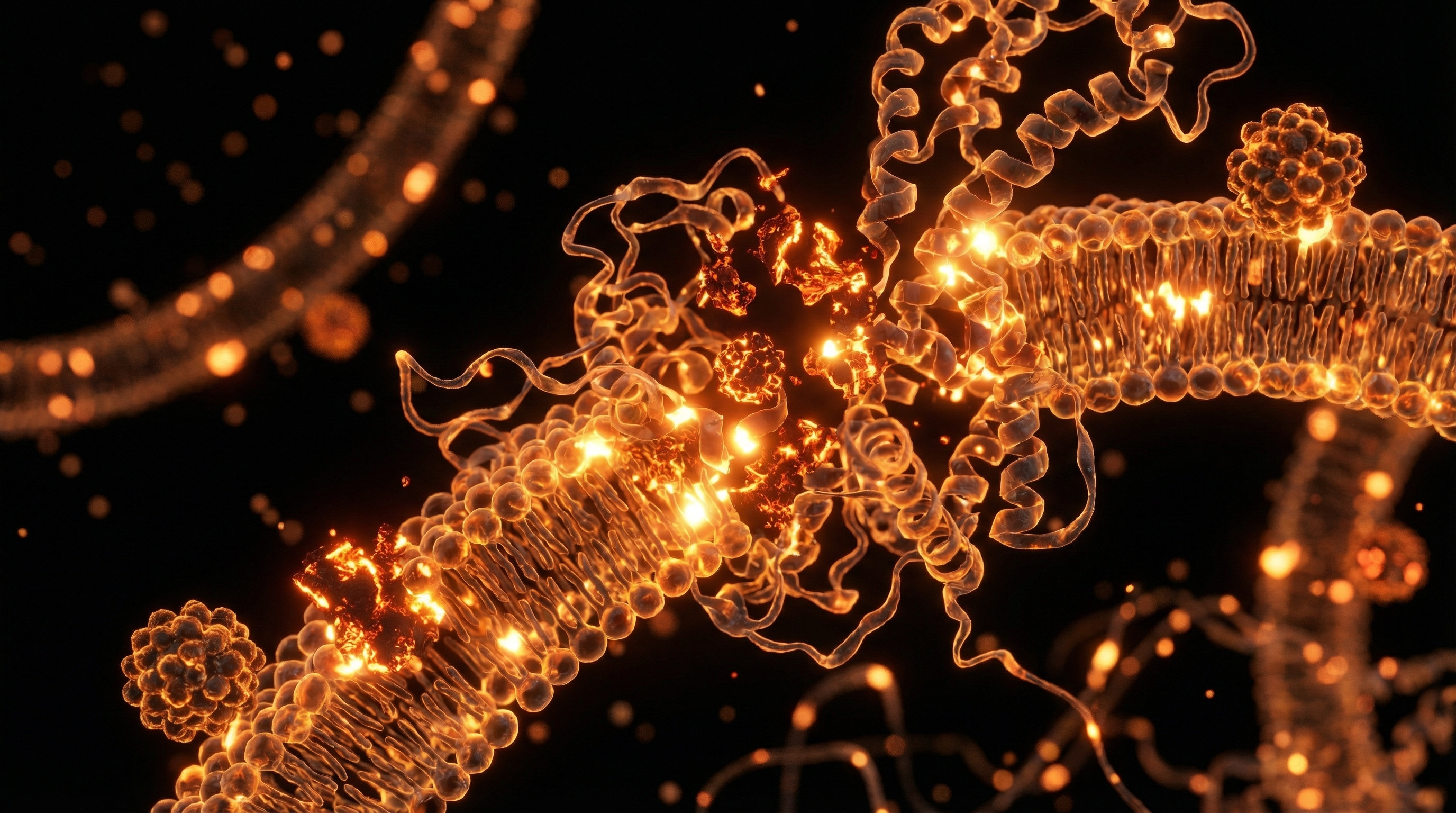
Overview
The air we breathe is the most immediate and constant interface between our internal biology and the external environment. Every single day, the average adult inhales approximately 11,000 litres of air. Yet, while we have become fastidious about the purity of our water and the provenance of our organic produce, a silent, microscopic siege is being staged within the very sanctuary of our homes. The primary aggressor in this biological warfare is Particulate Matter 2.5 (PM2.5)—fine inhalable particles with diameters that are generally 2.5 micrometres and smaller. To provide a sense of scale, a single human hair is roughly 70 micrometres in diameter, making these particles 30 times smaller than the finest strand on your head.
At INNERSTANDING, we do not shy away from the uncomfortable reality: the "cosy" aesthetic of the British home—the wood-burning stove, the scented paraffin candle, and the gas-fired range—is often a primary source of systemic inflammation. PM2.5 is not merely a "dust" or a "nuisance." It is a potent pro-inflammatory catalyst capable of bypassing the body’s primary defences, entering the bloodstream, and infiltrating every major organ system, including the brain.
The prevailing narrative often focuses on outdoor smog and industrial chimneys, yet research consistently shows that for many UK residents, the highest concentrations of PM2.5 are encountered indoors. Because these particles are so small, they remain suspended in the air for hours or even days, invisible to the naked eye but devastating to the cellular architecture. This article unmasks the molecular mechanisms by which indoor combustion products trigger a cascade of oxidative stress and chronic disease, challenging the notion that our indoor environments are inherently safe.
ALARMING STATISTIC: According to data from the UK’s Department for Environment, Food & Rural Affairs (Defra), domestic wood burning now accounts for approximately 15% of total PM2.5 emissions in the UK—more than the combined emissions from all heavy goods vehicles on the road.
##
The Biology — How It Works
To understand the threat of PM2.5, we must first understand the journey it takes through the human anatomy. Unlike larger particles (PM10), which are often trapped by the cilia and mucus in the upper respiratory tract, PM2.5 particles are small enough to reach the deepest recesses of the lungs: the alveoli.
The Alveolar-Capillary Interface
The alveoli are the tiny air sacs where the exchange of oxygen and carbon dioxide occurs. The barrier between the air in the alveoli and the blood in the capillaries is incredibly thin—often less than one micrometre. This thinness is an evolutionary masterstroke for gas exchange, but it is a critical vulnerability in the presence of combustion pollutants. PM2.5 particles, particularly the "ultrafine" fraction (less than 0.1 micrometres), are capable of translocating directly across this basement membrane. Once they enter the pulmonary circulation, they are distributed systemically via the arterial blood.
The Olfactory Shortcut to the Brain
Perhaps more concerning is the ability of PM2.5 to bypass the Blood-Brain Barrier (BBB) entirely. Particles inhaled through the nose can deposit on the olfactory mucosa. Research has demonstrated that these particles can travel along the olfactory nerve (the sensory nerve for smell), moving through the cribriform plate directly into the olfactory bulb of the brain. This direct pathway allows environmental toxins to initiate neuroinflammation without ever needing to enter the systemic circulation.
Chemical Composition and Surface Area
The danger of PM2.5 is not just its size, but its "cargo." These particles often consist of a carbon core coated in a cocktail of Polycyclic Aromatic Hydrocarbons (PAHs), heavy metals (such as lead, cadmium, and nickel), and volatile organic compounds (VOCs). Because PM2.5 particles have a very high surface-area-to-volume ratio, they act as microscopic "sponges," absorbing toxic chemicals from the combustion process and delivering them deep into human tissue.
##
Mechanisms at the Cellular Level
Once these particles land on a cell membrane or enter the cytoplasm, they initiate a complex series of biochemical events. The primary driver of PM2.5-induced damage is the generation of Reactive Oxygen Species (ROS).
Oxidative Stress and Mitochondrial Dysfunction
PM2.5 particles contain redox-active substances that generate free radicals like the superoxide anion and hydroxyl radicals. When the production of these radicals exceeds the cell's antioxidant capacity (governed by molecules like glutathione and the Nrf2 pathway), oxidative stress ensues. This stress directly targets the mitochondria—the powerhouses of the cell. PM2.5 exposure has been shown to cause mitochondrial DNA damage and the collapse of the mitochondrial membrane potential, leading to cellular "energy "failure and, eventually, programmed cell death (apoptosis).
Activation of the NF-κB Pathway
The presence of PM2.5 in the lung tissue or the vascular endothelium triggers the activation of Nuclear Factor kappa-light-chain-enhancer of activated B cells (NF-κB). This is a "master switch" for the inflammatory response. Once activated, the p65 subunit of NF-κB moves into the nucleus, where it binds to DNA and promotes the transcription of pro-inflammatory genes. This results in the mass production of cytokines, including:
- Interleukin-6 (IL-6): A key driver of the acute phase response and chronic systemic inflammation.
- Tumour Necrosis Factor-alpha (TNF-α): A potent signalling protein that can induce widespread tissue damage.
- Interleukin-1 beta (IL-1β): A cytokine strictly regulated by the inflammasome.
The NLRP3 Inflammasome
One of the most critical biological findings in recent years is the role of the NLRP3 inflammasome in PM2.5 toxicity. The inflammasome is an intracellular multi-protein complex that senses "danger signals." When a cell "senses" the needle-like structure of certain particulate matter or the ROS they generate, the NLRP3 complex assembles. This leads to the activation of Caspase-1, an enzyme that cleaves pro-cytokines into their active, inflammatory forms (like IL-1β and IL-18). This process can trigger a form of inflammatory cell death known as pyroptosis.
##
Environmental Threats and Biological Disruptors
In the UK context, we are often led to believe that "indoor air" is a refuge from the pollution of the high street. This is a biological fallacy. In many modern, well-insulated homes, the indoor air quality is significantly worse than the outdoor air due to the concentration of combustion sources.
Wood-Burning Stoves: The Aesthetic Toxin
The rise of the "log burner" in middle-class British homes has created a public health crisis. Even "Eco-Design" stoves, which meet current UK regulations, emit hundreds of times more PM2.5 than a gas boiler. When the stove door is opened to add fuel, a "plume" of concentrated PM2.5 is released directly into the living space. These particles are often rich in Benzo[a]pyrene, a known Group 1 carcinogen.
Gas Cooking and Nitrogen Dioxide
While this article focuses on PM2.5, it is impossible to ignore its partner in combustion: Nitrogen Dioxide (NO2). Gas hobs and ovens produce significant amounts of both PM2.5 and NO2. Without high-powered extraction (which many UK kitchens lack), cooking a Sunday roast can result in indoor PM2.5 levels that exceed those of a polluted motorway. The combustion of natural gas also releases formaldehyde and carbon monoxide, which synergistically increase the permeability of the lung lining, allowing more PM2.5 to enter the blood.
Scented Candles and Incense
The ritual of lighting a candle or incense stick is, biologically speaking, the act of initiating an uncontrolled combustion reaction in a confined space. Paraffin-based candles release alkanes and alkenes, which contribute to the particulate load. Incense is even more problematic; studies have shown that the smoke from one incense stick can produce more PM2.5 than multiple cigarettes, delivering a heavy load of metals and resins directly to the user’s airways.
KEY TERM: Bioaccumulation — While a single exposure to a wood burner might cause temporary throat irritation, the carbon-core particles of PM2.5 can lodge in the interstitial spaces of the lungs for months, causing a "slow burn" of chronic immune activation.
##
The Cascade: From Exposure to Disease
The journey from inhaling a particle to developing a chronic disease is known as the Inflammatory Cascade. This is not a hypothetical risk; it is a well-mapped pathological pathway.
Cardiovascular System: The Silent Strain
The heart is perhaps the most sensitive organ to PM2.5. When particles enter the blood, they trigger Endothelial Dysfunction—the lining of the blood vessels becomes "sticky" and loses its ability to dilate.
- Atherosclerosis: PM2.5 accelerates the formation of plaques by promoting the oxidation of LDL cholesterol.
- Systemic Coagulation: Inflammation increases levels of fibrinogen and changes platelet activity, making the blood more prone to clotting (thrombosis).
- Heart Rate Variability (HRV): PM2.5 exposure has been shown to suppress the autonomic nervous system, reducing HRV—a major predictor of sudden cardiac arrest.
Respiratory System: Chronic Remodelling
In the lungs, the constant presence of particles leads to Chronic Obstructive Pulmonary Disease (COPD) and asthma exacerbations. The body attempts to "wall off" the particles through a process called fibrosis, where healthy lung tissue is replaced by stiff, non-functional scar tissue. This is driven by the cytokine Transforming Growth Factor-beta (TGF-β).
Neurological System: The Seeds of Dementia
Emerging research links PM2.5 to neurodegenerative diseases like Alzheimer’s and Parkinson’s. By crossing the Blood-Brain Barrier or entering via the olfactory nerve, PM2.5 triggers microglial activation. Microglia are the brain's resident immune cells; when they are chronically "turned on" by pollution, they release neurotoxic chemicals that destroy neurons and promote the accumulation of amyloid-beta plaques.
Metabolic Disruption
There is now compelling evidence that PM2.5 acts as a "metabolic disruptor." The systemic inflammation it causes can lead to Insulin Resistance. Particles reaching the liver and adipose (fat) tissue trigger inflammatory pathways that interfere with insulin signalling, potentially contributing to the UK’s rising rates of Type 2 Diabetes.
##
What the Mainstream Narrative Omits
The UK government and mainstream media often frame air pollution as an "external" problem—something to be solved by electric cars and low-emission zones. However, INNERSTANDING exposes three critical truths that are frequently suppressed or ignored:
- The "Safe Threshold" Myth: The World Health Organization (WHO) has drastically lowered its recommended PM2.5 limits in recent years, but the biological reality is that there is no known safe level of exposure. Even "low" levels of PM2.5 trigger the NF-κB pathway. The current UK legal limits are significantly higher than what the latest science suggests is necessary for health protection.
- The Synergistic Effect: Toxicology often looks at one chemical at a time. In reality, PM2.5 acts as a carrier for hundreds of other toxins. A particle of soot is not just carbon; it is a "Trojan Horse" for VOCs, heavy metals, and even biological endotoxins (bacterial fragments) that hitch a ride on the particle’s surface.
- The Genetic Susceptibility Gap: Mainstream advice is "one size fits all." It fails to account for individuals with polymorphisms in the GSTM1 or GSTP1 genes (glutathione S-transferase). People with these genetic variations have a reduced ability to detoxify the ROS generated by PM2.5, making them far more susceptible to heart disease and lung damage at "standard" pollution levels.
##
The UK Context
In the United Kingdom, the challenge of PM2.5 is exacerbated by our unique housing stock and cultural habits.
The "Victorian" Problem
A significant portion of UK housing was built during or before the Victorian era. These homes often have poor ventilation combined with fireplaces that have been converted into "closed" wood burners. While the chimney supposedly whisks smoke away, "down-draughts" and "leaky" stove seals mean that a significant portion of the combustion by-products remain indoors.
Regulatory Blind Spots
The Environment Agency and Defra monitor outdoor air quality with a network of sensors (AURN). However, there is virtually no regulation of indoor air quality in private residences. While the Clean Air Act restricts the type of fuel you can burn in certain "Smoke Control Areas," it does not address the leakage of PM2.5 into the living room, nor does it regulate the sale of high-emission candles or incense.
The NHS Burden
The cost of PM2.5 to the NHS is staggering. It is estimated that air pollution contributes to up to 36,000 deaths a year in the UK. The hidden cost lies in the millions of primary care appointments for "unexplained" fatigue, respiratory infections, and cardiovascular "scares" that are, at their root, driven by the inflammatory load of poor indoor air.
IMPORTANT CALLOUT: Many "smokeless" fuels sold in the UK, while producing less visible smoke, still produce high levels of invisible PM2.5. The term "smokeless" is a regulatory definition, not a biological guarantee of safety.
##
Protective Measures and Recovery Protocols
Knowing the threat is only the first step. To protect your cellular integrity, you must take proactive measures to reduce exposure and fortify your biological defences.
1. Source Elimination and Mitigation
- Remove Wood Burners: If you value your long-term cardiovascular health, the most effective step is to decommission wood-burning stoves. If you must use them, ensure they are professionally serviced and that you use an air quality monitor to detect leakage.
- Switch to Induction: Replace gas hobs with induction cooktops to eliminate the production of NO2 and PM2.5 during cooking. If using gas, always use a high-powered extractor fan that vents outside, not one that simply recirculates air through a carbon filter.
- Avoid "Aesthetic" Combustion: Stop using paraffin candles and incense. Switch to beeswax candles (which burn cleaner) or, better yet, high-quality essential oil diffusers (ensuring the oils are pure and not synthetic).
2. High-Efficiency Filtration
- HEPA Filters: Invest in high-quality air purifiers with HEPA (High-Efficiency Particulate Air) filters. These are rated to remove 99.97% of particles as small as 0.3 micrometres. For the ultrafine fraction, look for purifiers that utilise HyperHEPA or PECO technology.
- Monitoring: Use a real-time PM2.5 monitor (such as those by AirVisual or PurpleAir) to identify "hot spots" in your home. Knowledge is power; seeing the numbers spike when you fry food or light a candle is the best motivator for change.
3. Biological Fortification: The Nrf2 Pathway
You can enhance your body's ability to neutralise the ROS generated by PM2.5 by activating the Nrf2 (Nuclear factor erythroid 2-related factor 2) pathway. This is the body’s "master antioxidant" switch.
- Sulforaphane: Found in broccoli sprouts, this compound is one of the most potent Nrf2 activators. Studies have shown that sulforaphane can increase the excretion of airborne toxins (like benzene) by up to 60%.
- Glutathione Support: Supplementing with N-Acetyl Cysteine (NAC) provides the rate-limiting amino acid (cysteine) for the production of glutathione, your body’s primary internal antioxidant.
- Omega-3 Fatty Acids: High-dose EPA and DHA (found in quality fish oil) have been shown to mitigate the cardiovascular effects of PM2.5 by reducing systemic inflammation and protecting heart rate variability.
4. Environmental Hygiene
- Wet Dusting: Since PM2.5 eventually settles on surfaces, use damp cloths to clean rather than dry dusters, which simply kick the particles back into the "breathing zone."
- Ventilation Strategy: In the UK, outdoor air is usually cleaner than indoor air (unless you live on a main road). Practice "cross-ventilation" by opening windows on opposite sides of the house for 10 minutes twice a day to flush out accumulated particulates.
##
Summary: Key Takeaways
- PM2.5 is a microscopic invader that can cross the lung-blood barrier and the blood-brain barrier, triggering systemic inflammation.
- Indoor combustion is the primary source of exposure for most people. Wood burners, gas hobs, and candles are the main culprits.
- The NLRP3 inflammasome is the cellular "tripwire" that PM2.5 activates, leading to the release of pro-inflammatory cytokines like IL-1β.
- Chronic exposure is linked to heart disease, dementia, COPD, and metabolic dysfunction.
- Mainstream guidelines often fail to reflect the true biological cost of "low-level" pollution.
- Actionable steps include using HEPA filtration, switching to induction cooking, and supporting the body’s Nrf2 pathway through nutrition and supplementation.
The air inside your home should be a source of life, not a slow-acting inflammatory toxin. By unmasking the reality of PM2.5 and taking control of your indoor environment, you are making one of the most significant investments possible in your long-term health and biological resilience. At INNERSTANDING, we believe that true health begins with the air you breathe and the courage to change the environment you inhabit.
This article is provided for informational and educational purposes only. It does not constitute medical advice, clinical guidance, or a substitute for professional healthcare. Information reflects cited research at time of publication. Always consult a qualified healthcare professional before acting on any health information.
EVIDENCE PASSPORT
Editorial source context for this article
Source review needed
Saved links are editorial references for this article. They may support specific claims rather than every sentence. Open and assess each source in context. This passport does not independently verify them.
Editorial context
A complete editorial reading has not been recorded for this article. Source links remain available for you to open and assess directly.
Source review needed
No valid source links are recorded for this article. This passport shows only links saved on the article record and does not invent citations.
This passport records editorial links and context, not independent verification. Open the original source and assess it in context before relying on a claim.
Medical Disclaimer
The information in this article is for educational purposes only and does not constitute medical advice, diagnosis, or treatment. Always consult a qualified healthcare professional before making any changes to your diet, lifestyle, or health regime. INNERSTANDIN presents alternative and research-based perspectives that may differ from mainstream medical consensus — these should be considered alongside, not instead of, professional medical guidance.
Read Full DisclaimerContinue the thread
Keep this question moving.
Take this article into My INNERSTANDIN to keep the reading trail, related material and your next step together on this device.
Explore this in the Body Map
See where this hits your biology. Interactive anatomy, threats, and protective protocols.
Dig deeper in the Library
Free, longform PDF volumes that go beyond headlines into mechanisms and references.