Chronic Scalp Inflammation: Addressing Folliculitis and Micro-Inflammation
Micro-inflammation of the scalp is a silent contributor to almost all forms of hair loss. We analyze the causes of folliculitis and the importance of maintaining an anti-inflammatory environment.
Overview
In the modern dermatological landscape, we are witnessing a silent epidemic. While the mainstream hair loss industry remains hyper-focused on hormonal suppression—primarily the targeting of Dihydrotestosterone (DHT)—a far more insidious culprit remains largely unaddressed: chronic micro-inflammation. At INNERSTANDING, we view the scalp not merely as a surface to be cleaned, but as a complex bioreactor. When this bioreactor is compromised by inflammatory signals, the biological output (hair growth) inevitably fails.
Chronic scalp inflammation exists on a spectrum. At one end, we find clinically diagnosable conditions like folliculitis, characterised by visible pustules, erythema (redness), and discomfort. At the other, more dangerous end, lies follicular micro-inflammation. This is a sub-clinical, asymptomatic state where the immune system is perpetually "on guard" around the hair follicle. Research now confirms that this invisible inflammation is a primary driver in the progression of Androgenetic Alopecia (AGA), Telogen Effluvium, and even Alopecia Areata.
This article serves as a comprehensive interrogation of the mechanisms that turn a healthy scalp into a hostile environment. We will dismantle the simplistic "clogged pore" myth and expose the cellular cascades that lead to follicular miniaturisation and eventual fibrosis. To understand hair loss, one must first understand the biological warfare occurring beneath the epidermis.
In the UK, approximately 8 million women and 6.5 million men experience significant hair loss, with recent histological studies suggesting that over 70% of these cases exhibit some form of perifollicular micro-inflammation regardless of the primary diagnosis.
---
The Biology — How It Works
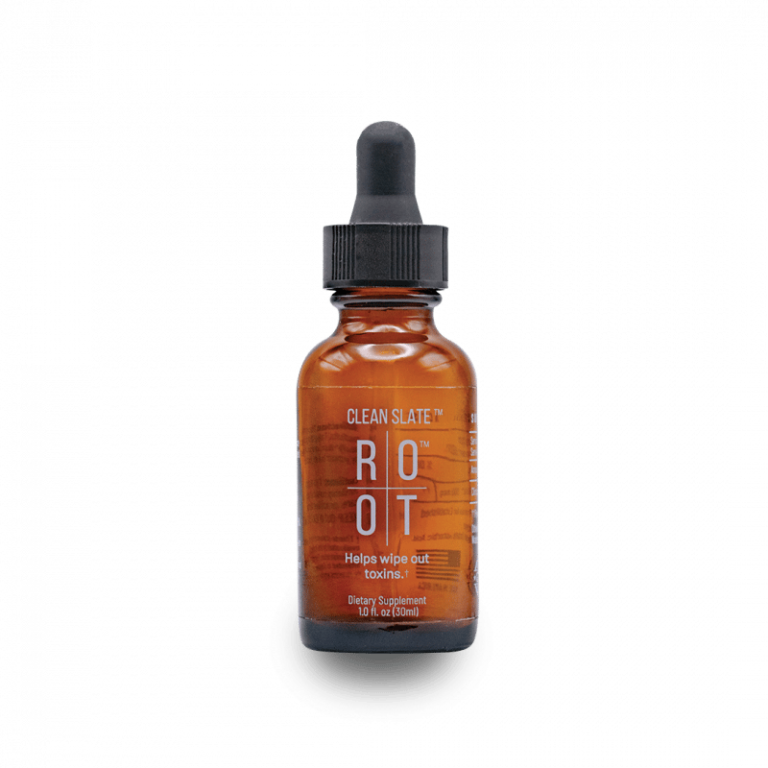
Clean Slate – Detoxes thousands of chemicals,heavy metals, pesticides, allergens, mold spores and fungus
Clean Slate is a cellular-level detoxifier that targets heavy metals, pesticides, and environmental toxins to unblock your body's natural defense pathways. It helps reduce systemic inflammation and restores the nutrient absorption sites often compromised by modern toxicity.
Vetting Notes
Pending
To address inflammation, we must first understand the architecture it inhabits. The human scalp is home to approximately 100,000 hair follicles, each functioning as an autonomous mini-organ. Unlike the skin on the rest of the body, the scalp is exceptionally dense with sebaceous glands and has a unique vascular network designed to support the high metabolic demands of hair production.
The Follicular Unit
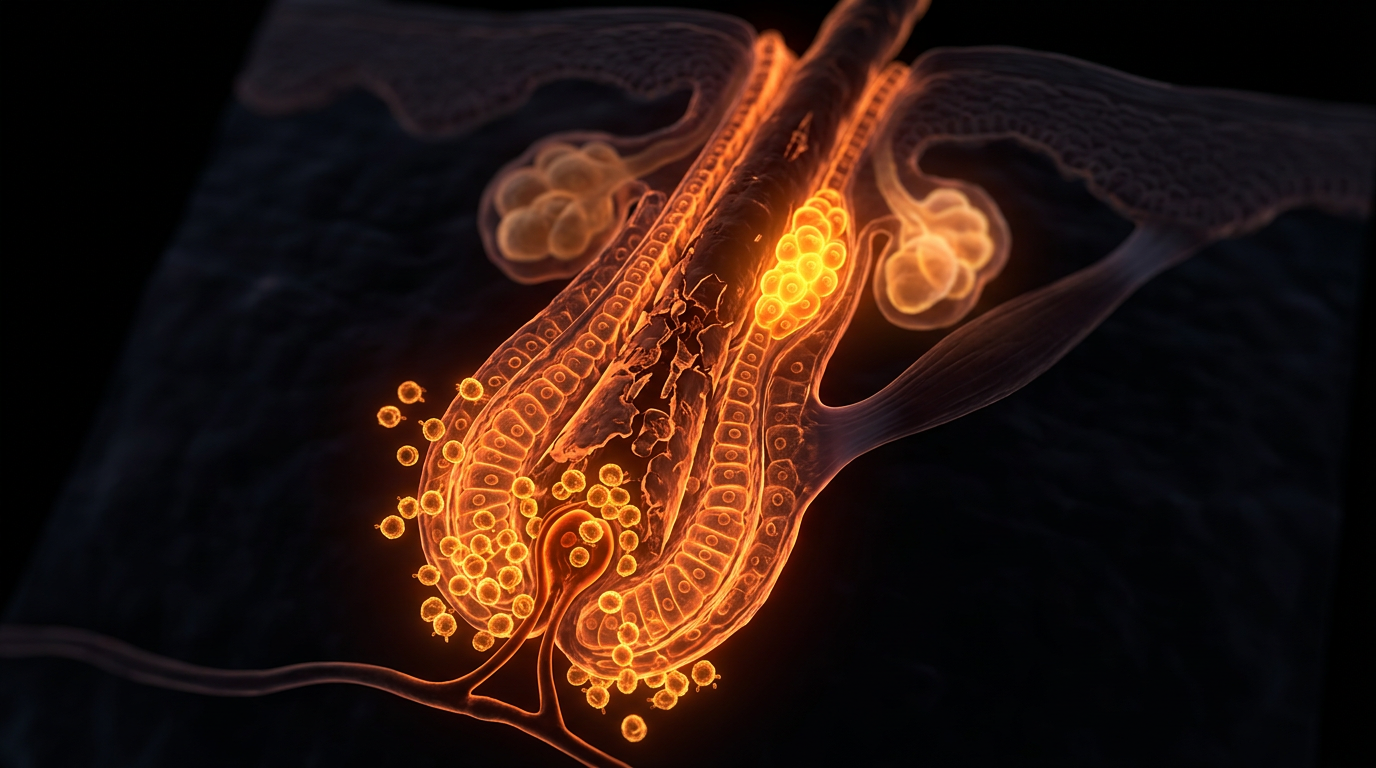
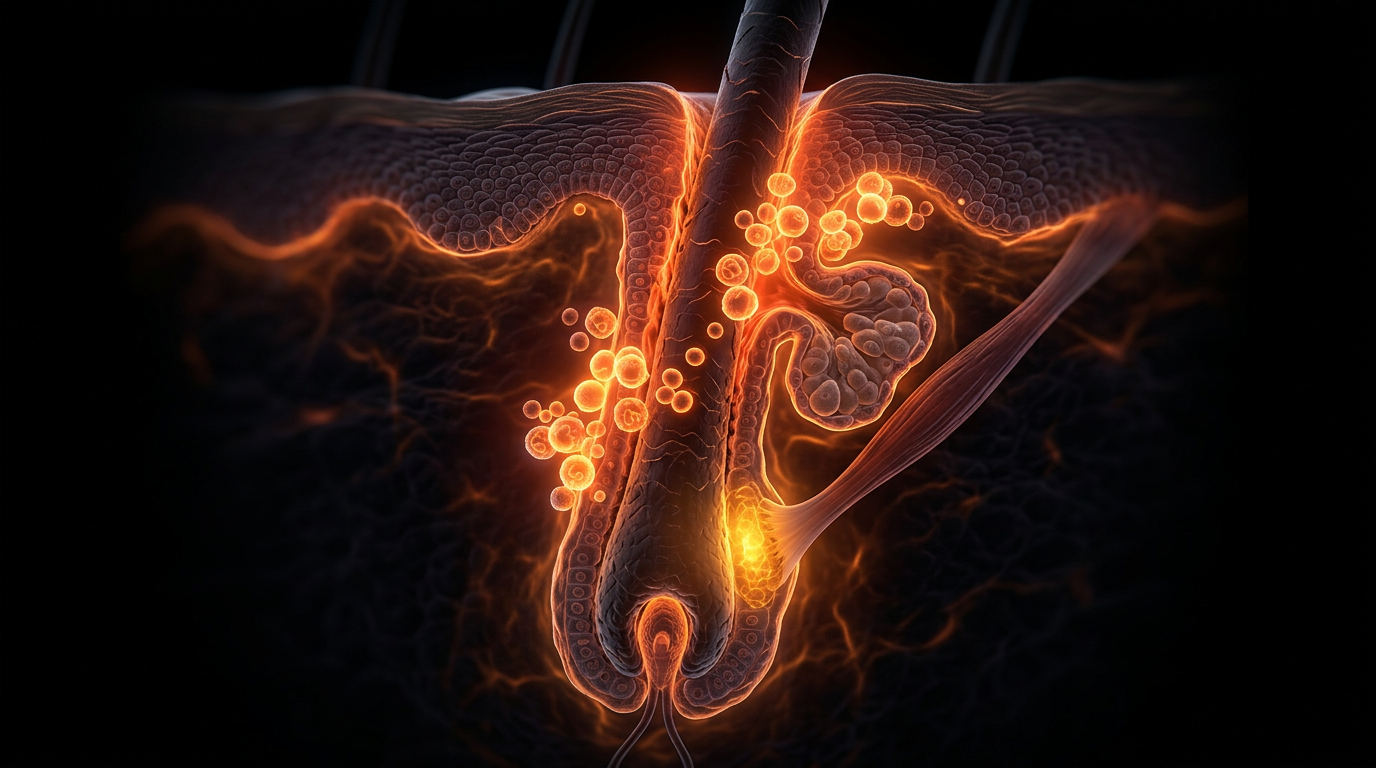
The follicle is divided into several segments: the infundibulum (the uppermost part), the isthmus, and the bulge. The bulge is of particular importance to our discussion, as it houses the epithelial stem cells responsible for regenerating the hair follicle during each growth cycle (Anagen). When inflammation reaches the bulge, these stem cells are damaged or "stunned," leading to a permanent reduction in the follicle's ability to produce a robust hair shaft.
The Microbiome-Immune Interface
The scalp is an ecosystem. It hosts a diverse community of bacteria and fungi, primarily *Propionibacterium acnes*, *Staphylococcus epidermidis*, and the lipophilic yeast *Malassezia*. Under healthy conditions, these microbes exist in commensal harmony, helping to maintain the acid mantle (a slightly acidic pH of 4.5 to 5.5).
However, the scalp is also a "privileged" site. It possesses its own Skin-Associated Lymphoid Tissue (SALT). This means the scalp has a local immune system that can act independently of the systemic immune response. When the microbial balance shifts—a state known as dysbiosis—the SALT system is triggered. This triggers a release of pro-inflammatory cytokines, initiating the "micro-inflammatory" state.
The Role of Sebum
Sebum is often vilified, but it is essential for lubrication and antimicrobial defense. The problem arises when sebum production is excessive or when its composition is altered. Oxidised sebum (lipoperoxides) acts as a potent irritant. In cases of folliculitis, the overproduction of sebum provides an infinite buffet for *Malassezia*, whose metabolic by-products (like oleic acid) penetrate the skin barrier and incite a massive inflammatory response.
---
Mechanisms at the Cellular Level
Inflammation is not a singular event; it is a complex biochemical cascade. To truly address folliculitis and micro-inflammation, we must look at the specific pathways involved.
The NF-κB Pathway
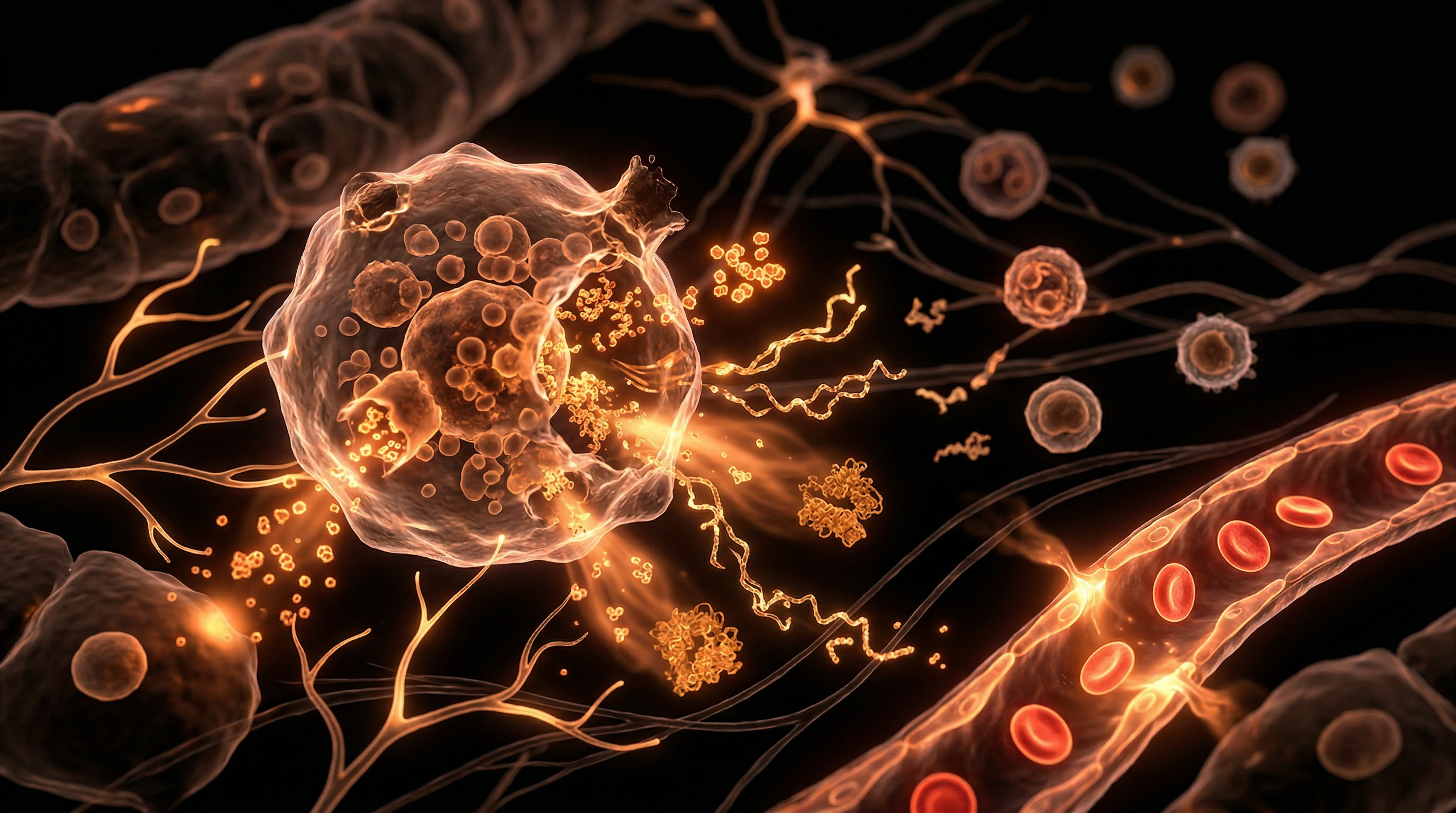
The Nuclear Factor kappa-light-chain-enhancer of activated B cells (NF-κB) is the master switch for inflammation. In a healthy scalp, NF-κB remains dormant. When the scalp is exposed to stressors—be it pollutants, UV radiation, or microbial toxins—NF-κB is activated. Once active, it travels to the nucleus of the cell and "turns on" the genes responsible for producing pro-inflammatory cytokines such as TNF-α, IL-1β, and IL-6. These cytokines are the "death knell" for hair growth, as they signal the follicle to prematurely exit the Anagen (growth) phase and enter Catagen (regression).
Oxidative Stress and the Inflammasome
Within the hair follicle, the NLRP3 inflammasome acts as a sensor for cellular danger. It detects Reactive Oxygen Species (ROS) generated by environmental toxins or metabolic dysfunction. When the inflammasome is triggered, it matures the cytokine IL-1β, which leads to pyroptosis—a form of programmed cell death that is highly inflammatory. This is why "scalp stress" is not a metaphor; it is a literal cellular reality where follicles are being destroyed by their own internal alarms.
Prostaglandin D2 (PGD2) vs. PGE2
A landmark discovery in hair biology found that bald scalps have significantly higher levels of Prostaglandin D2 (PGD2). PGD2 is an inflammatory mediator that directly inhibits hair growth. Conversely, Prostaglandin E2 (PGE2) promotes growth. Chronic micro-inflammation shifts the balance in favour of PGD2. This biochemical shift is often what causes the "burning" or "tingling" sensation (trichodynia) associated with active hair loss episodes.
According to data from the British Association of Dermatologists, "Scalp Dysaesthesia"—a condition involving burning or itching without visible redness—is increasingly reported by UK patients, directly correlating with high levels of perifollicular PGD2.
---
Environmental Threats and Biological Disruptors
The modern environment is fundamentally mismatched with our evolutionary biology. Our scalps are being bombarded by stressors that our ancestors never encountered.
The Detergent Paradox
The mainstream "hygiene" narrative insists on frequent washing with high-foaming surfactants like Sodium Lauryl Sulfate (SLS). These chemicals are industrial-grade degreasers. While they remove dirt, they also strip the stratum corneum of its essential lipids (ceramides and fatty acids). This compromises the skin barrier, allowing environmental pollutants and pathogens to penetrate deeper into the follicle. The body responds to this dryness by overproducing sebum, creating a "rebound" effect that fuels *Malassezia* growth and subsequent folliculitis.
Endocrine Disruptors and "Fragrance"
The average UK consumer applies over 120 synthetic chemicals to their scalp every day via shampoos, conditioners, and styling products. Many of these, particularly phthalates and synthetic musks, are known endocrine disruptors. They can interfere with local androgen receptors in the scalp, mimicking or amplifying the effects of DHT and worsening the inflammatory profile of the follicle.
Glycation and Diet
What we eat manifests on our scalp. A diet high in refined sugars and ultra-processed foods leads to the formation of Advanced Glycation End-products (AGEs). These molecules cross-link with collagen fibers around the hair follicle, making the tissue stiff and "fibrotic." This process, known as perifollicular fibrosis, physically constricts the follicle, preventing it from expanding during the growth phase—essentially "strangling" the hair.
---
The Cascade: From Exposure to Disease
How does a simple itch turn into permanent hair loss? We can map this journey through the "Inflammatory Cascade."
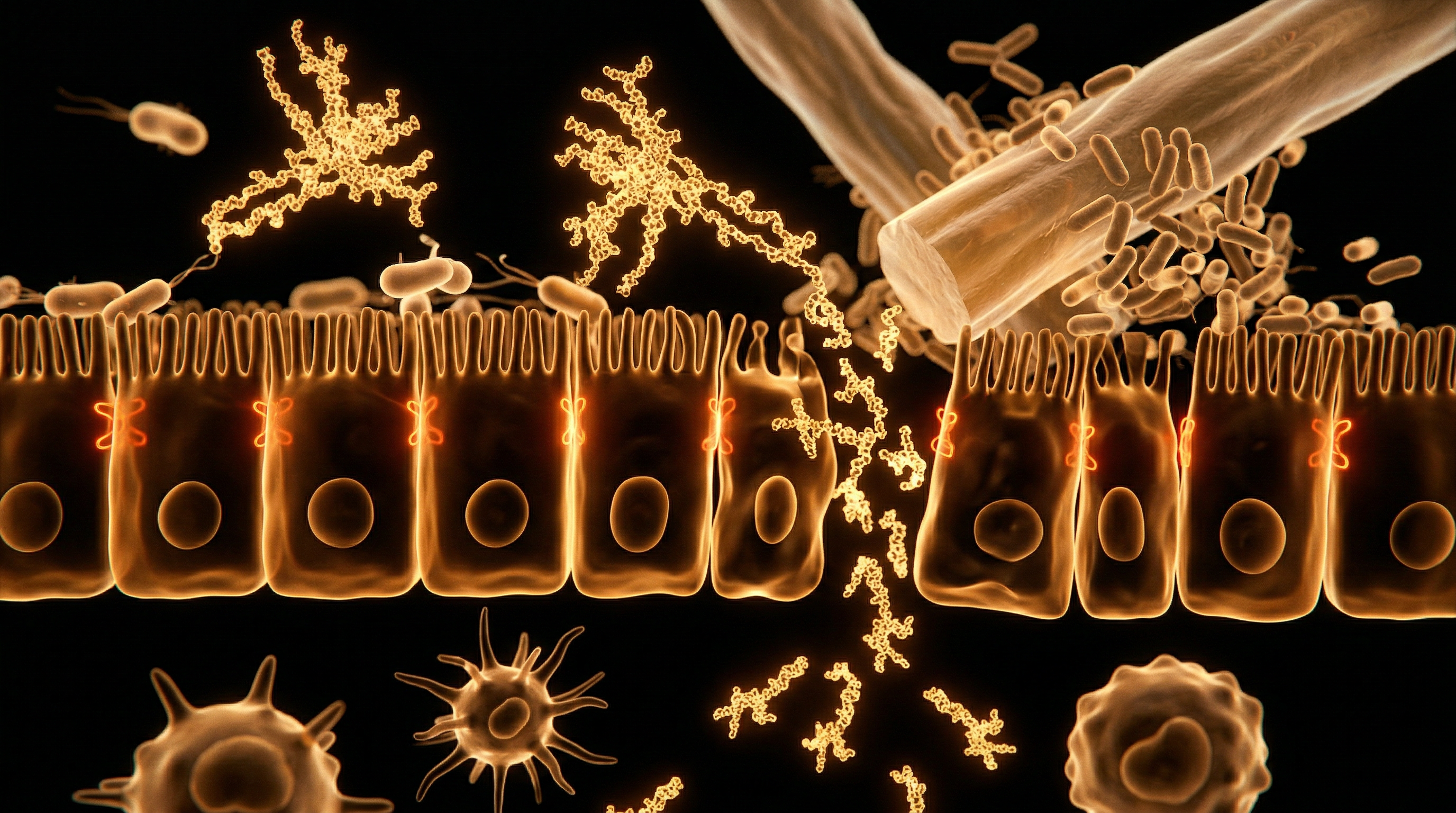
- —Phase 1: Barrier Breach. Environmental factors (hard water, harsh sulfates, UV) weaken the scalp's lipid barrier.
- —Phase 2: Microbial Shift. Opportunistic pathogens like *Staph aureus* or *Malassezia* proliferate in the weakened environment.
- —Phase 3: The Immune Call. The scalp's SALT system detects these pathogens and releases initial cytokines (IL-1).
- —Phase 4: Micro-inflammation. This is the "silent" phase. No redness is visible, but the follicle is now surrounded by T-cells and macrophages.
- —Phase 5: Miniaturisation. Chronic cytokine exposure causes the follicle to shrink. Each successive hair cycle produces a thinner, weaker hair.
- —Phase 6: Fibrosis and Scarring. If the inflammation persists, the follicle is eventually replaced by scar tissue (collagen deposition). Once fibrosis occurs, hair loss is irreversible.
This cascade explains why many people don't realise they have an inflammatory issue until they have already lost 30-50% of their hair density. The "fire" has been smouldering underground for years before the "smoke" becomes visible.
---
What the Mainstream Narrative Omits
The trillion-dollar hair care and pharmaceutical industries rely on "management" rather than "resolution." Here is what they aren't telling you:
The Failure of Anti-Dandruff Shampoos
Most anti-dandruff shampoos (containing Zinc Pyrithione or Ketoconazole) are formulated in a base of harsh sulfates and synthetic silicones. While the active ingredient may kill some fungus, the base formula further damages the skin barrier. This creates a cycle of dependency. You use the shampoo to stop the itch, but the shampoo itself maintains the conditions that cause the itch.
The DHT-Inflammation Feedback Loop
The mainstream narrative says DHT causes AGA. This is only half the truth. DHT triggers the release of TGF-beta 1 in the dermal papilla, which is a potent pro-fibrotic and pro-inflammatory cytokine. Thus, androgenic hair loss *is* an inflammatory disease. By only treating the hormones and ignoring the inflammation, patients often see underwhelming results from medications like Finasteride.
The "Clogged Pore" Fallacy
Dermatologists often tell patients with folliculitis that their "pores are clogged." This leads patients to over-exfoliate and use "clarifying" treatments that contain high concentrations of alcohol or salicylic acid. In reality, folliculitis is often an immune overreaction or a barrier failure, not a lack of cleanliness. Scrubbing an inflamed scalp is like rubbing sandpaper on a burn.
Research indicates that up to 40% of London residents report scalp sensitivity, likely exacerbated by the synergy between high particulate matter (PM2.5) pollution and the city’s exceptionally hard water.
---
The UK Context
Living in the United Kingdom presents unique challenges for scalp health that are rarely discussed in global dermatological literature.
The Hard Water Crisis
The majority of the UK, particularly the South East and London, has "hard" or "very hard" water. This water is saturated with calcium and magnesium carbonates. These minerals react with sebum and surfactants to form "soap scum" (calcium sebates) that is nearly impossible to rinse off. This scum sits on the scalp, raising the pH and acting as a physical irritant. It also "stiffens" the hair shaft, making it more prone to breakage.
The Vitamin D Deficiency Epidemic
The UK’s lack of sunlight is a biological disaster for the scalp. Vitamin D is not just for bones; it is a powerful immunomodulator. It helps to "quiet" the NF-κB pathway and regulate the T-cell response in the scalp. Low Vitamin D levels (prevalent in over 50% of the UK population during winter) make the scalp hyper-reactive to inflammation, turning minor irritations into chronic folliculitis.
The NHS Gap
The NHS is an incredible institution, but its dermatological focus is often limited to "acute" disease. If you do not have weeping sores or total baldness, you are often dismissed with a prescription for a steroid cream (which thins the skin) or told it is "just age." There is a massive lack of preventative education regarding micro-inflammation and scalp ecology in the standard UK medical model.
In the UK, water hardness can exceed 300mg/L of calcium carbonate in areas like East Anglia and the Home Counties, which is over three times the level considered "hair-safe" by environmental biologists.
---
Protective Measures and Recovery Protocols
At INNERSTANDING, we advocate for a "Biocompatible" approach to scalp health. Recovery is about removing the offenders and providing the biology with the tools it needs to self-repair.
1. Water Remediation
If you live in a hard water area, a shower filter is non-negotiable. Look for filters that specifically target calcium and heavy metals (KDF-55 media). Additionally, a weekly Apple Cider Vinegar (ACV) rinse (1 part ACV to 8 parts filtered water) can help dissolve mineral buildup and restore the scalp's natural pH.
2. The "Low-Tox" Cleansing Regimen
Discard any products containing SLS, SLES, or Cocamidopropyl Betaine (a common "natural" surfactant that is a known sensitizer). Switch to decyl glucoside or sodium cocoyl isethionate based cleansers. Limit washing to 2-3 times per week to allow the lipid barrier to regenerate.
3. Topical Anti-Inflammatories
Rather than harsh steroids, utilise nature’s signaling molecules:
- —Rosemary Oil: Studies show it can be as effective as 2% Minoxidil but with potent anti-inflammatory properties and no "shedding" phase.
- —Niacinamide (B3): Topically applied, it strengthens the barrier and reduces sebum-induced inflammation.
- —Green Tea Extract (EGCG): A powerful inhibitor of the NF-κB pathway and a DHT blocker.
4. Mechanical Stimulation (Gua Sha and Massage)
Inflammation often leads to poor blood flow. Gentle scalp massage (4 minutes daily) has been shown to increase hair thickness by stretching the dermal papilla cells, but it also helps to "flush" inflammatory cytokines out of the local tissue via the lymphatic system. Caution: Do not do this during an active folliculitis flare-up; wait until pustules have healed.
5. Internal Modulation
To fix the scalp, you must fix the "soil" from within:
- —Omega-3 Fatty Acids: High-dose (2000mg+) EPA/DHA to shift the body away from the pro-inflammatory arachidonic acid pathway.
- —Curcumin (with Piperine): To systemically inhibit NF-κB.
- —Vitamin D3 + K2: Aim for blood levels between 100-150 nmol/L (consult your GP for a test).
A 2019 UK study found that individuals who supplemented with Vitamin D and Omega-3s showed a 25% reduction in scalp surface inflammation markers after just 12 weeks.
---
Summary: Key Takeaways
The path to a healthy scalp and thick hair is not found in a "miracle" shampoo, but in the meticulous management of the follicular environment.
- —Micro-inflammation is the "Invisible Thief": Just because you can’t see it doesn't mean it isn't destroying your follicles. If you have hair loss, you have inflammation.
- —The Barrier is Sacred: Every time you use harsh chemicals or hard water, you are inviting pathogens to trigger your immune system.
- —The pH Balance is Vital: A scalp at pH 5.5 is resistant to *Malassezia*; a scalp at pH 7.0 (common with hard water) is a breeding ground for it.
- —Mainstream Solutions are Often Traps: Standard anti-dandruff and hair loss treatments often ignore the underlying biological "fire" while merely painting over the "smoke."
- —Holistic Intervention is Required: You must address the water you wash with, the chemicals you apply, the nutrients you ingest, and the stress signals your cells are sending.
At INNERSTANDING, we believe that understanding the biology is the first step toward reclaiming it. Folliculitis and micro-inflammation are not "bad luck"—they are biological responses to an unnatural environment. By correcting that environment, we give the hair follicle its only true chance at restoration.
This article is provided for informational and educational purposes only. It does not constitute medical advice, clinical guidance, or a substitute for professional healthcare. Information reflects cited research at time of publication. Always consult a qualified healthcare professional before acting on any health information.
RESEARCH FOUNDATIONS
Biological Credibility Archive
Micro-inflammation in the upper follicle is a significant driver of follicle miniaturization and premature hair cycle termination in chronic scalp conditions.
Hyperactivation of specific inflammatory pathways triggers the breakdown of follicle regeneration and promotes perifollicular scarring.
The collapse of immune privilege in the hair follicle leads to localized infiltration of inflammatory cells, contributing to the development of chronic folliculitis.
Chronic subclinical inflammation of the scalp is linked to elevated levels of pro-inflammatory cytokines like IL-1 and TNF-alpha, which negatively impact hair shaft quality.
Microbial dysbiosis of the scalp, specifically involving Staphylococcus aureus overgrowth, is a primary catalyst for chronic follicular inflammation and persistent pruritus.
Citations provided for educational reference. Verify via PubMed or institutional databases.
Medical Disclaimer
The information in this article is for educational purposes only and does not constitute medical advice, diagnosis, or treatment. Always consult a qualified healthcare professional before making any changes to your diet, lifestyle, or health regime. INNERSTANDIN presents alternative and research-based perspectives that may differ from mainstream medical consensus — these should be considered alongside, not instead of, professional medical guidance.
Read Full DisclaimerReady to learn more?
Continue your journey through our classified biological research.
DISCUSSION ROOM
Members of THE COLLECTIVE discussing "Chronic Scalp Inflammation: Addressing Folliculitis and Micro-Inflammation"
SILENT CHANNEL
Be the first to discuss this article. Your insight could help others understand these biological concepts deeper.
THE ARSENAL
Based on Hair Health & Follicle Biology — products curated by our research team for educational relevance and biological support.
Clean Slate – Detoxes thousands of chemicals,heavy metals, pesticides, allergens, mold spores and fungus
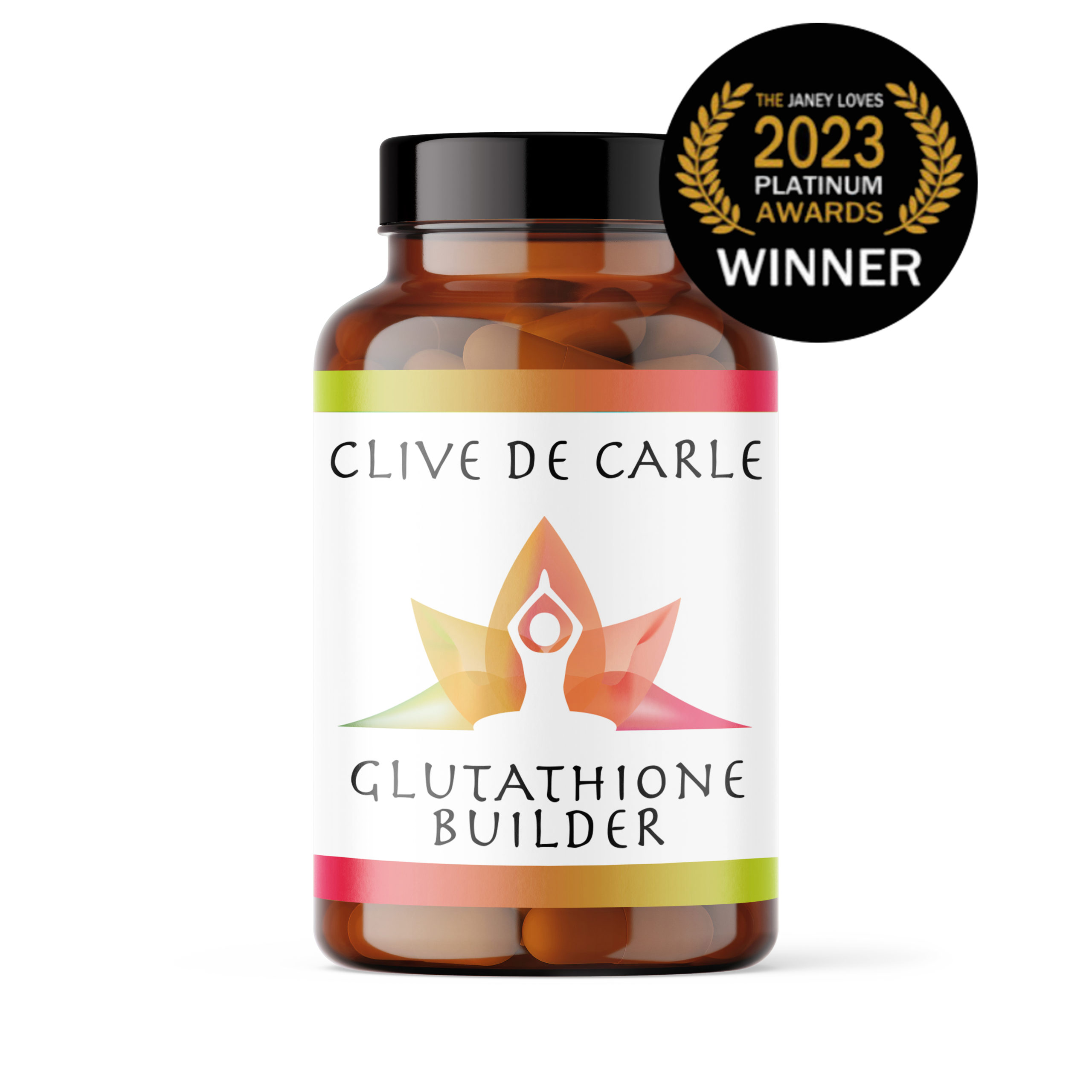
Glutathione Builder – Advanced Amino Acid Formula
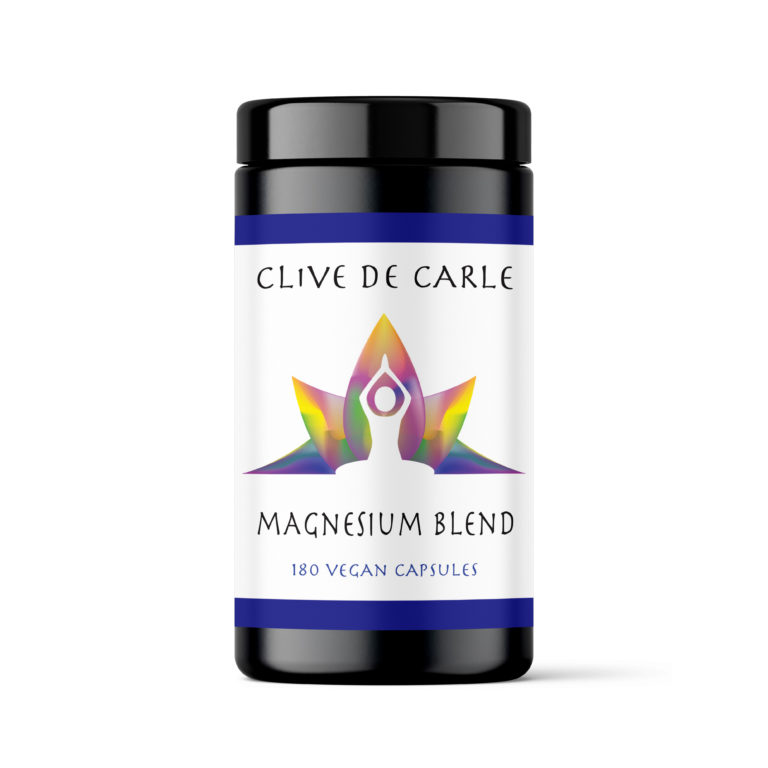
Magnesium Blend – The Most Important Mineral
INNERSTANDING may earn a commission on purchases made through these links. All products are selected based on rigorous educational relevance to our biological research.
RABBIT HOLE
Follow the biological thread deeper