Aluminium-Induced Alterations in Metalloprotein Homeostasis: Mechanisms of Competitive Inhibition
Discuss this resourceUpdated August 2026
This article explores the biochemical impact of aluminium on biological systems, specifically focusing on how its competitive inhibition of essential metal ions disrupts metalloprotein function and leads to long-term health consequences.
Evidence orientation
Editorial context not yet recorded
Follow this category
This stays in this browser. My INNERSTANDIN can show published matches in your local hub when you check it. It does not send email, push, or alert notifications.
Local learning review
A private browser aid for revisiting ideas. It is not an alert or a health recommendation.
Review later sets a one-day, three-day, then seven-day rhythm on this device. Choose it only when you want to revisit this article.
The Silent Disruptor: Aluminium in Biological Systems
Aluminium (Al3+) is the most abundant metal in the Earth's crust, yet it has no known biological function in human physiology. In the context of modern exposure—ranging from environmental pollutants to personal care products and dietary additives—the accumulation of aluminium has become a significant concern for neurological and metabolic health. At its core, aluminium toxicity is not merely a toxicological event; it is a profound disruption of metalloprotein homeostasis.
The Chemistry of Competitive Inhibition
Metalloproteins are proteins that contain a metal ion cofactor, such as iron (Fe), zinc (Zn), magnesium (Mg), or calcium (Ca). These metals are essential for enzyme catalysis, structural stability, and oxygen transport. Aluminium's toxicity is primarily derived from its high charge-to-radius ratio, which allows it to mimic and displace these vital metals. Because Al3+ binds to the same coordination sites as Mg2+, Ca2+, and Fe3+, it functions as a competitive inhibitor, effectively 'tricking' biological systems into accepting a toxic imposter.
Mechanisms of Disruption
Displacement of Magnesium and Calcium
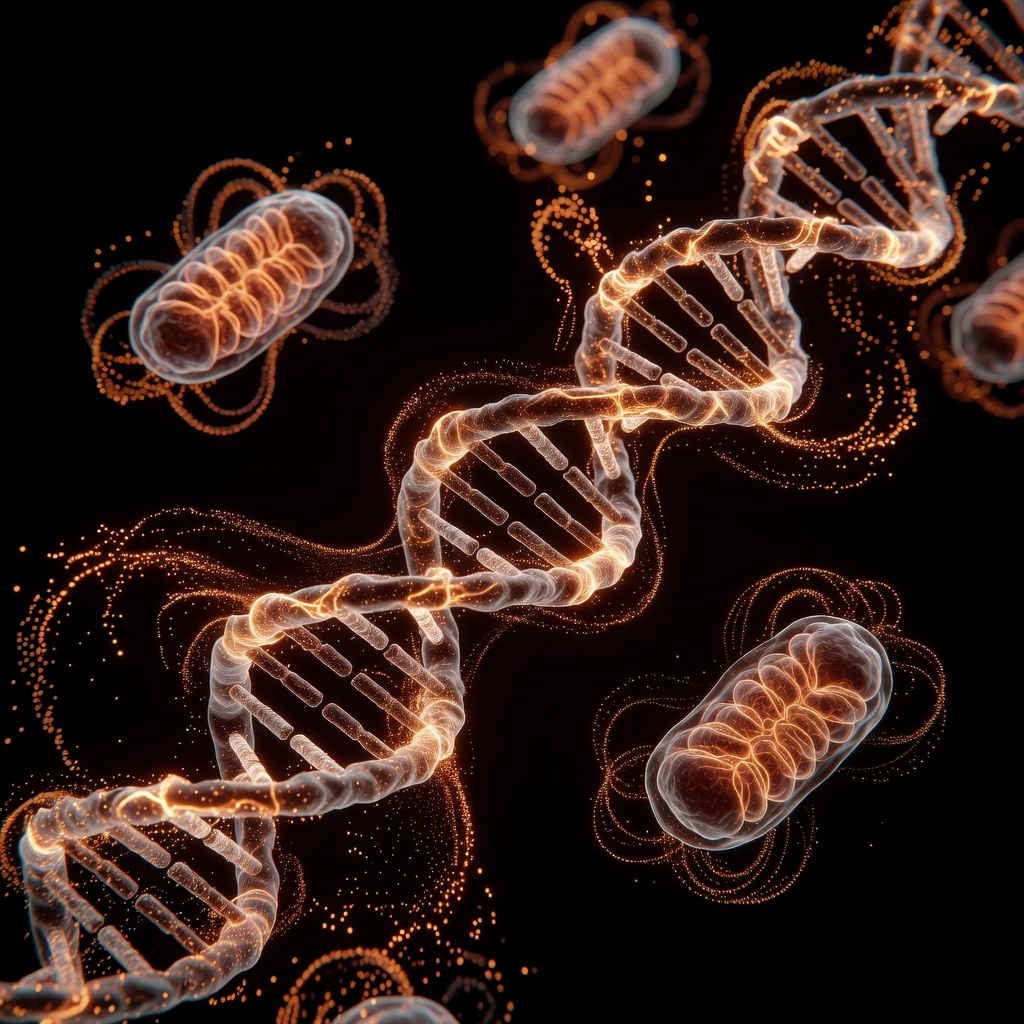
Magnesium acts as a critical cofactor for over 300 enzymes, particularly those involved in ATP production and DNA repair. Aluminium's higher affinity for oxygen-donor ligands often displaces magnesium from the catalytic sites of phosphate-transferring enzymes. This inhibition effectively throttles cellular energy production, leading to mitochondrial fatigue and impaired signal transduction.
Interference with Iron Transport
Iron is central to hemoglobin and cytochrome function. Aluminium competes with iron for binding to transferrin, the iron-transport protein in the blood. By occupying these sites, aluminium disrupts systemic iron delivery, leading to localized iron deficiency and secondary oxidative stress. Furthermore, when aluminium displaces iron from ferritin, it releases free iron, which facilitates the formation of hydroxyl radicals via the Fenton reaction, leading to lipid peroxidation and neuronal cell death.
Root-Cause Impacts on Neural Homeostasis
In the central nervous system, metalloprotein dysfunction is a primary driver of neurodegeneration. Aluminium accumulation in the brain alters the structure of zinc-finger proteins, which are essential for DNA transcription. By destabilizing these proteins, aluminium can disrupt gene expression related to synaptic plasticity and memory formation, potentially serving as an environmental trigger for cognitive decline.
Conclusion: Moving Toward Metallostasis
Understanding aluminium toxicity requires shifting focus from simple exposure to the subtle, molecular-level displacements that occur in metalloprotein complexes. By identifying the root causes of competitive inhibition, we can better understand the need for targeted nutritional support—such as silica and mineral repletion—to support the body's natural chelation and maintenance of healthy metalloprotein levels.
This article is provided for informational and educational purposes only. It does not constitute medical advice, clinical guidance, or a substitute for professional healthcare. Information reflects cited research at time of publication. Always consult a qualified healthcare professional before acting on any health information.
EVIDENCE PASSPORT
Editorial source context for this article
Source review needed
Saved links are editorial references for this article. They may support specific claims rather than every sentence. Open and assess each source in context. This passport does not independently verify them.
Editorial context
A complete editorial reading has not been recorded for this article, and no source links are saved on its record.
Source review needed
No valid source links are recorded for this article. Supplementary research, where available, is listed separately below.
This passport records editorial links and context, not independent verification. Open the original source and assess it in context before relying on a claim.
Medical Disclaimer
The information in this article is for educational purposes only and does not constitute medical advice, diagnosis, or treatment. Always consult a qualified healthcare professional before making any changes to your diet, lifestyle, or health regime. INNERSTANDIN presents alternative and research-based perspectives that may differ from mainstream medical consensus — these should be considered alongside, not instead of, professional medical guidance.
Read Full DisclaimerContinue the thread
Keep this question moving.
Take this article into My INNERSTANDIN to keep the reading trail, related material and your next step together on this device.
Explore this in the Body Map
Explore related body structures and their educational pages in the interactive Body Map.
Dig deeper in the Library
Free, longform PDF volumes that go beyond headlines into mechanisms and references.
RABBIT HOLE
Follow the biological thread deeper