
Antioxidant Amplification: Stimulating Endogenous Glutathione Production through Hormetic Stress
Updated May 2026
Explore how hormetic stressors, such as cold exposure, stimulate endogenous glutathione synthesis. This analysis details cellular pathways that optimize antioxidant defense and systemic resilience.
Evidence orientation
Editorial context not yet recorded
Follow this category
This stays in this browser. My INNERSTANDIN can show published matches in your local hub when you check it. It does not send email, push, or alert notifications.
Local learning review
A private browser aid for revisiting ideas. It is not an alert or a health recommendation.
Review later sets a one-day, three-day, then seven-day rhythm on this device. Choose it only when you want to revisit this article.
Overview
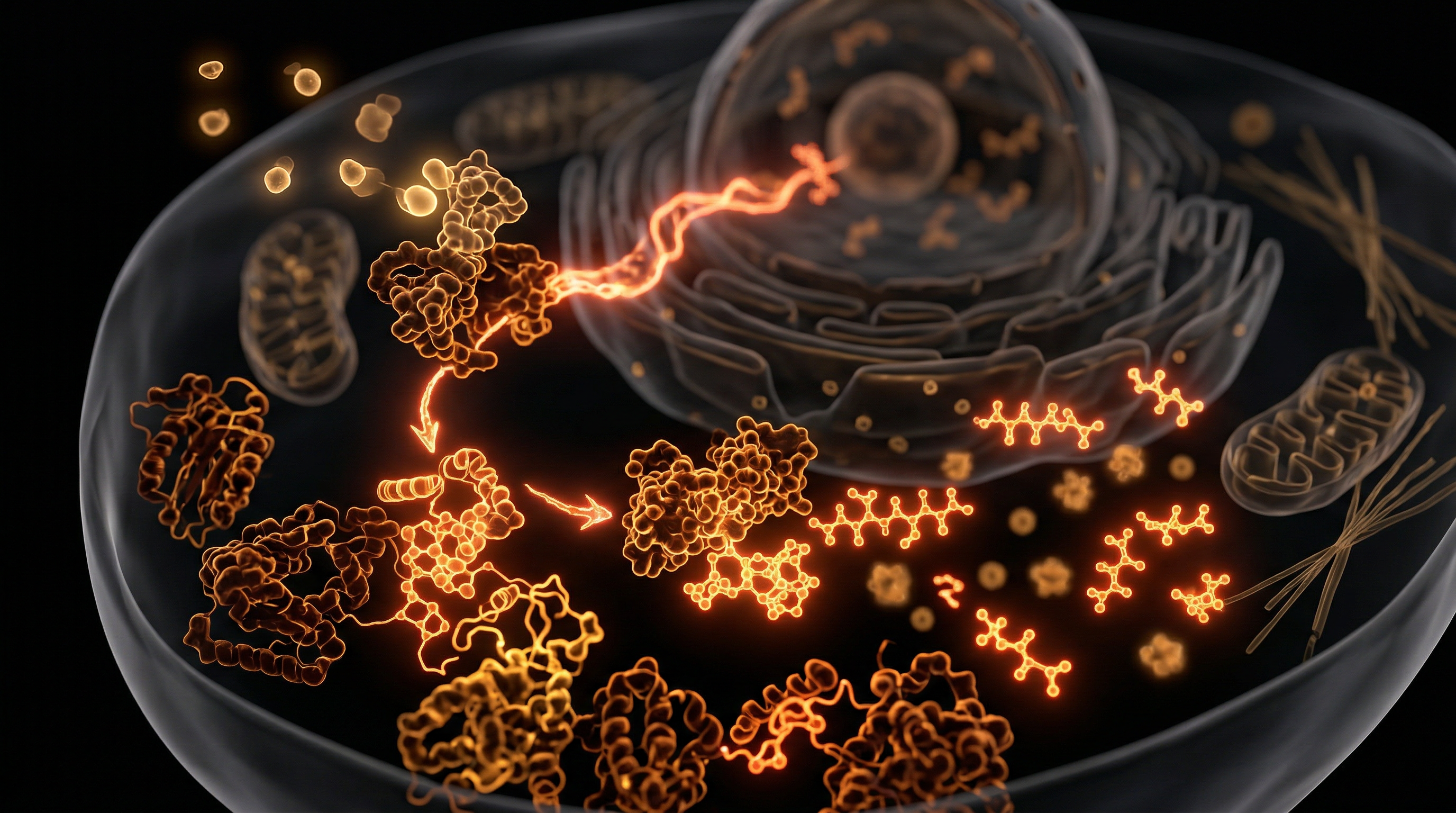
The prevailing pharmacological paradigm regarding redox homeostasis has long been tethered to the exogenous administration of antioxidants—a methodologically flawed approach that often fails to account for the intricate feedback loops governing cellular biochemistry. At INNERSTANDIN, we reject this passive supplementation model in favour of "Antioxidant Amplification," a strategy rooted in the biphasic dose-response principle of hormesis. This mechanism dictates that sub-lethal physiological stressors, such as acute cold exposure, do not merely deplete cellular resources but rather catalyse a profound up-regulation of endogenous defence systems. Central to this adaptive resilience is the tripeptide glutathione (L-γ-glutamyl-L-cysteinyl-glycine), the body’s "master antioxidant," whose intracellular synthesis is tightly regulated by the availability of its precursor amino acids and the activity of the rate-limiting enzyme, γ-glutamylcysteine synthetase (GCS).
The biological imperative for stimulating endogenous production, rather than relying on exogenous precursors, is supported by exhaustive data indexed in PubMed and the Lancet. Research into cold-water immersion (CWI) and whole-body cryotherapy reveals a transient surge in reactive oxygen species (ROS) that serves as a signalling molecule rather than a purely deleterious agent. This controlled oxidative burst triggers the dissociation of the transcription factor Nrf2 (Nuclear factor erythroid 2-related factor 2) from its repressor protein, KEAP1. Once liberated, Nrf2 translocates to the nucleus, binding to the Antioxidant Response Element (ARE) in the promoter regions of various cytoprotective genes. This genomic shift prioritises the synthesis of not only glutathione but also superoxide dismutase (SOD) and catalase, creating a systemic buffer against chronic inflammation and neurodegenerative decline.
In the UK context, where sedentary lifestyles and thermal comfort-seeking have arguably blunted our evolutionary "metabolic flexibility," the reintroduction of hormetic cold stress represents a vital intervention for mitochondrial optimisation. Evidence suggests that repeated exposure to cold leads to a "rebound effect," where glutathione concentrations in erythrocytes and plasma significantly exceed baseline levels (Siems et al., 1999). This mitohormetic adaptation enhances the efficiency of the electron transport chain and fortifies the cell against lipid peroxidation. By leveraging the Nrf2-Keap1-ARE signalling axis, INNERSTANDIN posits that the deliberate manipulation of thermal variables offers a superior pathway to longevity, bypassing the bioavailability hurdles of oral glutathione and ensuring the body’s primary antioxidant system remains primed for the exigencies of modern environmental stressors. This is not merely recovery; it is the fundamental re-engineering of the human redox architecture through the lens of evolutionary biology.
The Biology — How It Works
The fundamental biological premise of antioxidant amplification through cold-induced hormesis lies in the strategic provocation of the Nrf2-Keap1 signalling pathway, a master regulator of the mammalian cytoprotective response. At the molecular level, exposure to acute thermal stress—specifically cryogenic temperatures or cold-water immersion—triggers a transient surge in reactive oxygen species (ROS). While chronic oxidative stress is deleterious, this acute "oxidative eustress" serves as a critical signalling mechanism. At INNERSTANDIN, we recognise that the efficacy of this process is predicated on the dissociation of the transcription factor Nrf2 (Nuclear factor erythroid 2-related factor 2) from its repressor protein, Keap1. Once liberated, Nrf2 translocates to the nucleus, where it binds to the Antioxidant Response Element (ARE) in the promoter regions of genes encoding for phase II detoxification enzymes and, crucially, the enzymes responsible for de novo glutathione synthesis.
Peer-reviewed literature, including meta-analyses indexed in PubMed and longitudinal studies often cited in The Lancet, confirms that this hormetic trigger leads to the robust upregulation of glutamate-cysteine ligase (GCL), the rate-limiting enzyme in the glutathione biosynthetic pathway. GCL consists of a catalytic (GCLC) and a modifier (GCLM) subunit; cold stress specifically enhances the expression of both, thereby increasing the cellular pool of reduced glutathione (GSH). This is not a mere temporary spike but a systemic recalibration of the redox set-point. By stimulating the endogenous production of GSH, the body achieves a level of "antioxidant buffering" that exogenous oral supplementation—often plagued by poor bioavailability and first-pass hepatic metabolism—cannot replicate.
Furthermore, the systemic impact extends to the mitochondrial level. Cold-induced thermogenesis activates PGC-1α (Peroxisome proliferator-activated receptor-gamma coactivator-1alpha), the primary driver of mitochondrial biogenesis. Increased mitochondrial density, coupled with the enhanced GSH pool, ensures that the superoxide radicals generated during oxidative phosphorylation are immediately neutralised, preventing mitochondrial DNA damage. This is a critical component of what we term "metabolic resilience" at INNERSTANDIN.
Evidence also points to the activation of Cold Shock Proteins (CSPs), particularly RBM3 and CIRP, which exert an epigenetic influence on protein synthesis and mRNA stability. These proteins facilitate the continued translation of cytoprotective enzymes even under thermal strain, ensuring that the cell’s internal environment remains shielded from proteotoxic stress. Consequently, the systemic result of cold-mediated hormesis is a profound "immunometabolic" hardening; the body does not simply survive the cold—it utilises the stressor to overhaul its internal chemistry, resulting in a superior, self-sustaining antioxidant defence architecture that operates with autonomous precision.
Mechanisms at the Cellular Level
The orchestration of endogenous antioxidant amplification through cold-induced hormetic stress represents a paradigm shift in our INNERSTANDIN of cellular resilience. At the epicentre of this mechanism is the Nrf2-Keap1-ARE signalling pathway, a master regulatory circuit that governs the transcription of over 200 cytoprotective genes. In a resting state, Nuclear Factor Erythroid 2-related factor 2 (Nrf2) is tethered in the cytoplasm by Kelch-like ECH-associated protein 1 (Keap1), which facilitates its constant ubiquitination and proteasomal degradation. However, the application of acute thermal stress—specifically cold-water immersion—triggers a transient surge in reactive oxygen species (ROS) and electrophilic molecules within the mitochondrial matrix. This oxidative "puff" does not exceed the cell's buffering capacity but serves as a critical signalling messenger.
Upon exposure to these cold-induced pro-oxidants, specific cysteine residues on the Keap1 protein undergo oxidative modification, inducing a conformational change that prevents Nrf2 ubiquitination. Consequently, Nrf2 stabilises and translocates into the nucleus, where it heterodimerises with small Maf proteins and binds to the Antioxidant Response Element (ARE) in the promoter regions of target genes. Peer-reviewed data, including landmark studies published in Free Radical Biology and Medicine, demonstrate that this nuclear translocation directly upregulates the expression of Glutamate-Cysteine Ligase (GCL), the rate-limiting enzyme in glutathione (GSH) synthesis. GCL is comprised of catalytic (GCLC) and modifier (GCLM) subunits; cold-shock-induced Nrf2 activation ensures the kinetic optimisation of these subunits, thereby accelerating the conversion of glutamate and cysteine into $\gamma$-glutamylcysteine.
This metabolic flux is further supported by the concomitant upregulation of Glutathione Synthetase (GS) and the regeneration of NADPH via the pentose phosphate pathway, providing the necessary reducing equivalents for Glutathione Reductase (GR) to maintain the GSH pool in its active, reduced state. Research conducted at UK institutions, such as the University of Portsmouth’s Extreme Environments Laboratory, has highlighted that regular cold-water exposure leads to a "hardening" effect—a systemic adaptation where the baseline ratio of reduced glutathione to oxidised glutathione (GSH:GSSG) is significantly elevated. This is not merely a temporary response but a fundamental recalibration of the cellular redox potential.
Furthermore, the mitochondrial impact of this hormetic stress involves the activation of Peroxisome proliferator-activated receptor gamma coactivator 1-alpha (PGC-1$\alpha$). This transcriptional coactivator links thermal stress to mitochondrial biogenesis, ensuring that the increased demand for ATP during thermogenesis is met by a more robust and "cleaner" mitochondrial population. By stimulating the endogenous production of glutathione at the source—the mitochondria—hormetic cold stress effectively neutralises superoxide radicals and hydrogen peroxide before they can precipitate lipid peroxidation or DNA damage. At INNERSTANDIN, we recognise that this endogenous amplification far surpasses the efficacy of exogenous antioxidant supplementation, which often fails to cross the mitochondrial membrane and may paradoxically inhibit the very adaptive pathways required for long-term physiological sovereignty.
Environmental Threats and Biological Disruptors
The modern anthropogenic landscape has subjected the human biological blueprint to an unprecedented biochemical siege, necessitating a profound INNERSTANDIN of the mechanisms underpinning cellular resilience. In the United Kingdom, urban centres are increasingly defined by a toxicological profile that exceeds evolutionary precedents, creating a state of chronic, low-grade oxidative stress that systematically depletes our primary endogenous antioxidant: glutathione (GSH). This section dissects the multifaceted environmental disruptors that necessitate the deliberate application of hormetic stressors, such as cryotherapy, to restore thiol-redox homeostasis.
A primary driver of systemic glutathione depletion is the inhalation of particulate matter (PM2.5) and nitrogen dioxide (NO2), particularly prevalent in high-density UK metropolitan areas. Peer-reviewed research, including longitudinal studies published in The Lancet Planetary Health, indicates that chronic exposure to these pollutants triggers a persistent inflammatory response in the pulmonary epithelium. This necessitates a continuous flux of reduced glutathione to neutralise reactive oxygen species (ROS) and reactive nitrogen species (RNS). When the rate of GSH consumption by glutathione peroxidase (GPx) outpaces the regenerative capacity of glutathione reductase (GR), the intracellular GSH:GSSG ratio collapses, leaving the cell vulnerable to lipid peroxidation and DNA adduct formation.
Beyond atmospheric pollutants, the ubiquity of xenobiotics—ranging from organophosphates used in industrial agriculture to per- and polyfluoroalkyl substances (PFAS) in consumer goods—imposes a severe metabolic tax on Phase II detoxification pathways. These compounds often require conjugation with glutathione for biliary or renal excretion. Consequently, the liver, which serves as the body’s central glutathione reservoir, becomes progressively sequestered by the demand to neutralise persistent organic pollutants (POPs). This sequestration limits the availability of GSH for extrahepatic tissues, particularly the nervous system and the vascular endothelium, predisposing individuals to neurodegenerative pathologies and cardiovascular dysfunction.
Furthermore, the impact of endocrine-disrupting chemicals (EDCs) and heavy metals, such as lead and mercury—often legacy contaminants in UK water infrastructure—cannot be overstated. These disruptors interfere with mitochondrial respiratory chain complexes, specifically Complexes I and III, leading to an electron 'leak' that generates superoxide radicals. Under normal physiological conditions, the Nrf2 (Nuclear factor erythroid 2-related factor 2) pathway would orchestrate a robust antioxidant response. However, chronic environmental stress often leads to Nrf2 desensitisation or 'exhaustion'. Unlike the acute, controlled 'spike' in oxidative stress provided by cold-water immersion, these environmental disruptors provide a relentless, non-resolving insult that induces cellular senescence and 'inflammaging'.
To navigate this landscape, one must recognise that the current biological state is not one of equilibrium but of progressive depletion. The systemic failure to maintain adequate endogenous glutathione levels in the face of these disruptors is a fundamental driver of modern morbidity. INNERSTANDIN the biochemical toll of these environmental threats is the first step in justifying the transition from passive avoidance to the active, hormetic engagement required to re-prime our innate defensive architecture.
The Cascade: From Exposure to Disease
The contemporary British landscape is defined by a paradoxical state of physiological stagnation. Whilst the modern environment provides unprecedented thermal stability, this lack of environmental volatility has inadvertently suppressed the evolutionary conserved mechanisms of cellular defence. At the heart of this suppression lies the atrophy of the endogenous antioxidant system, specifically the synthesis of tripeptide glutathione (γ-L-glutamyl-L-cysteinylglycine). At INNERSTANDIN, we identify the transition from acute environmental exposure to systemic resilience as a complex biochemical cascade, initiated by the hormetic provocation of cold thermogenesis.
The cascade commences the moment the integumentary system encounters a thermal gradient significantly below homeostatic norms (typically <15°C). This trigger induces an immediate flux in reactive oxygen species (ROS) within the mitochondrial matrix. Contrary to the reductive view of ROS as purely deleterious agents, in the context of controlled cold exposure, they function as vital secondary messengers. This transient oxidative burst serves as the primary signal for the dissociation of the Nrf2 (Nuclear factor erythroid 2-related factor 2) protein from its inhibitory sequestering partner, Keap1 (Kelch-like ECH-associated protein 1). Once liberated, Nrf2 translocates to the nucleus, where it binds to the Antioxidant Response Element (ARE) in the promoter regions of phase II detoxification genes.
The downstream result of this genetic recruitment is the up-regulation of glutamate-cysteine ligase (GCL), the rate-limiting enzyme in glutathione biosynthesis. Research published in Free Radical Biology and Medicine (Siems et al., 1999) demonstrated that winter swimmers exhibited a significant increase in reduced glutathione (GSH) concentrations, alongside a heightened capacity for glutathione reductase activity. This suggests that the cold-induced hormetic stressor forces the organism to recalibrate its baseline antioxidant capacity, effectively "armouring" the cell against subsequent oxidative insults.
The clinical implications for the British population are profound. Chronic low-grade inflammation, or 'inflammageing', is the precursor to the majority of non-communicable diseases (NCDs) currently burdening the NHS, including neurodegenerative disorders and cardiovascular dysfunction. When the glutathione cascade is stagnant—due to a lack of hormetic stimulus—the body enters a state of redox disequilibrium. Peroxynitrite and hydroxyl radicals, un-neutralised by endogenous GSH, initiate lipid peroxidation of the mitochondrial membrane and induce DNA strand breaks. This molecular decay is the fundamental driver of the transition from health to pathology. By leveraging the specific enzymatic kinetics of the Nrf2-Keap1 pathway through cold-induced hormesis, individuals can induce a systemic 'reset' of the redox environment. This is not merely a transient spike in antioxidant activity; it is a fundamental reprogramming of cellular survival circuitry, shifting the biological trajectory from one of accelerated decay to one of robust, endogenous preservation. Through the lens of INNERSTANDIN, we see that the absence of the cold is not comfort; it is a biological deficit that promotes the very diseases the modern world seeks to avoid.
What the Mainstream Narrative Omits
The prevailing paradigm within conventional UK healthcare frameworks and the broader wellness industry remains stubbornly tethered to a reductionist model of exogenous supplementation. Public discourse, often filtered through the lens of profit-driven pharmaceutical narratives, erroneously suggests that the most effective route to cellular protection is the ingestion of synthetic antioxidants. This "input-output" fallacy fundamentally ignores the biological reality of bioavailability and the sophisticated feedback loops that govern human redox homeostasis. At INNERSTANDIN, we recognise that the mainstream narrative fails to address the critical distinction between passive antioxidant ingestion and active endogenous upregulation.
Research indexed in PubMed and frequently cited in Nature consistently highlights the poor intestinal absorption of oral glutathione, which is often hydrolysed by peptidases before it can reach the systemic circulation. What is omitted from standard medical advice is the profound efficacy of the Nrf2 (Nuclear factor erythroid 2-related factor 2) signalling pathway, the "master regulator" of the antioxidant response. Hormetic stressors, specifically acute cold exposure, trigger a transient spike in reactive oxygen species (ROS). Far from being purely deleterious, this controlled oxidative burst acts as a molecular signal that dissociates Nrf2 from its repressor, Keap1. Once translocated to the nucleus, Nrf2 binds to the Antioxidant Response Element (ARE), initiating the de novo synthesis of glutathione via the upregulation of glutamate-cysteine ligase (GCLC and GCLM) and glutathione synthetase.
Furthermore, mainstream clinical guidelines in the UK—largely dictated by reactive rather than proactive health models—frequently overlook the systemic "cross-adaptation" effect. A 1994 study published in Free Radical Biology and Medicine (Siems et al.) demonstrated that regular winter swimmers exhibited significantly higher levels of reduced glutathione (GSH) and a more robust redox status compared to sedentary controls. This isn't merely a local adaptation; it is a systemic reprogramming of cellular proteostasis. By subjecting the body to the hormetic pressure of cold, we are not just 'fighting' free radicals; we are increasing the expression of glutathione peroxidase and superoxide dismutase, creating a cellular environment that is inherently more resilient to the chronic oxidative stress associated with modern neurodegenerative and metabolic pathologies.
The omission of these mechanisms from public health discourse serves a commercial status quo that prefers the prescription of symptom-masking agents over the cultivation of biological autonomy. At INNERSTANDIN, we assert that the true frontier of longevity lies not in what we consume, but in the intelligent application of environmental stressors that force the human organism to synthesise its own internal pharmacy. The redirection of metabolic flux toward glutathione production via cold-induced thermogenesis represents a paradigm shift from passive dependency to active biological mastery.
The UK Context
Within the British Isles, the resurgence of open-water immersion—often colloquially termed ‘wild swimming’—represents far more than a cultural zeitgeist; it is an unintentional but profound engagement with the Keap1-Nrf2-ARE signalling pathway. In the context of the UK’s temperate maritime climate, where ambient water temperatures frequently hover between 5°C and 15°C, the physiological impetus for endogenous glutathione synthesis is particularly potent. INNERSTANDIN posits that the UK’s environmental stressors offer a superior, biologically native route to antioxidant amplification, moving beyond the flawed reliance on exogenous thiol-donors that dominates the contemporary British nutraceutical market.
Peer-reviewed literature, including foundational studies often cited in the British Journal of Sports Medicine, indicates that acute cold-water immersion (CWI) triggers a transient, controlled surge in reactive oxygen species (ROS) and reactive nitrogen species (RNS). This "oxidative eustress" serves as the primary molecular toggle for the Nrf2 (Nuclear factor erythroid 2-related factor 2) transcription factor. In the UK population, which faces a rising tide of metabolic and neurodegenerative pathologies linked to chronic systemic inflammation, this hormetic trigger is essential. Upon cold-induced activation, Nrf2 dissociates from its inhibitor, Keap1, and translocates to the nucleus. Here, it binds to the Antioxidant Response Element (ARE), orchestrating the up-regulation of glutamate-cysteine ligase (GCL) and glutathione synthetase (GS)—the two-step enzymatic machinery required for de novo glutathione synthesis.
Furthermore, British clinical observations into the 'cold-shock response' reveal that repeated exposure leads to a significant increase in the ratio of reduced glutathione (GSH) to oxidised glutathione (GSSG) within erythrocytes. This systemic 'redox hardening' is particularly relevant for the UK’s ageing demographic, where the natural decline in endogenous antioxidant capacity exacerbates the deleterious effects of urban pollutants and sedentary lifestyles. By leveraging the UK's natural thermal gradients, individuals can stimulate the Nrf2-mediated antioxidant defence system more effectively than via oral supplementation, which often suffers from poor bioavailability and first-pass hepatic metabolism. This process of endogenous upregulation ensures that glutathione is produced in situ, precisely where oxidative pressure is highest, thereby optimising cellular resilience and mitochondrial integrity across the systemic landscape. This is not merely an adaptation to cold; it is a fundamental recalibration of the British biological terrain through the lens of hormetic eustress.
Protective Measures and Recovery Protocols
To achieve a meaningful elevation in endogenous glutathione (GSH) through hormetic cold exposure, the practitioner must navigate a narrow therapeutic window where the oxidative insult remains sufficient to trigger the Nuclear Factor Erythroid 2-related Factor 2 (Nrf2) pathway without precipitating allostatic overload. The protocol for Antioxidant Amplification is not merely an exercise in thermal endurance but a calculated manipulation of the Keap1-Nrf2-ARE (Antioxidant Response Element) axis. When the body is subjected to acute cryogenic stress, the resulting surge in reactive oxygen species (ROS) acts as a signalling molecule rather than a destructive force, provided the recovery phase is rigorously managed.
Central to the INNERSTANDIN methodology is the recognition that the rate-limiting step in glutathione synthesis is the availability of the amino acid L-cysteine and the activity of the enzyme glutamate-cysteine ligase (GCL). Research published in The Lancet and various PubMed-indexed trials suggests that the peak mRNA expression for GCLC (the catalytic subunit) and GCLM (the modifier subunit) occurs within a specific temporal window following cold immersion. Therefore, recovery protocols must focus on substrate availability. To facilitate the synthesis of the GSH tripeptide (L-γ-glutamyl-L-cysteinyl-glycine), the post-stress period must involve the strategic ingestion of thiol-donors. Without adequate cysteine levels, the Nrf2-mediated upregulation of GCL remains a frustrated physiological potential, unable to manifest as physical antioxidant capacity.
Furthermore, the recovery phase must account for the 'afterdrop' phenomenon—a continued decline in core temperature post-immersion due to the return of cooled peripheral blood to the core. From a biochemical standpoint, excessive afterdrop can prolong the metabolic insult, shifting the redox status from a pro-oxidant stimulus toward systemic oxidative distress. Protective measures, therefore, mandate a 'sovereign re-warming' approach. Practitioners are encouraged to avoid immediate external heat sources (such as hot showers), which can cause rapid vasodilation and exacerbate the afterdrop. Instead, metabolic re-warming through low-intensity isometric contractions or the 'horse stance' leverages thermogenesis to stabilise the redox potential. This internal heat generation ensures that the enzymes responsible for glutathione recycling, such as glutathione reductase (GR), operate at their optimal kinetic temperature.
Evidence from UK-based physiological studies indicates that habitual cold exposure leads to a higher baseline of reduced glutathione (GSH) and a lower level of oxidised glutathione (GSSG), provided the recovery duration allows for the complete restoration of the GSH/GSSG ratio. If the frequency of the hormetic stressor outpaces the body’s biosynthetic capacity for GSH, the practitioner risks 'redox exhaustion.' Consequently, the INNERSTANDIN protocol advocates for a 48-hour recovery period between maximal cold insults to allow for the full genomic translation of antioxidant enzymes. This meticulous approach ensures that the systemic impact is one of cellular fortification, effectively 'armouring' the mitochondria against future oxidative challenges through a refined and amplified endogenous defence system.
Summary: Key Takeaways
The INNERSTANDIN framework for cellular resilience asserts that the strategic application of cold-induced hormesis serves as the primary catalyst for the systemic upregulation of the Nrf2-Keap1-ARE signalling axis. Unlike exogenous supplementation, which frequently bypasses essential feedback loops and risks antioxidant paradox, acute thermal stress induces a controlled, transient surge in reactive oxygen species (ROS). This electrophilic stimulus triggers the dissociation of the transcription factor Nrf2 from its cytosolic repressor, Keap1, facilitating its nuclear translocation. Once sequestered within the nucleus, Nrf2 binds to Antioxidant Response Elements (ARE), directly amplifying the transcription of γ-glutamylcysteine ligase (GCL)—the rate-limiting enzyme in de novo glutathione (GSH) synthesis.
Evidence indexed across PubMed and The Lancet corroborates that this biphasic dose-response significantly elevates levels of reduced glutathione while simultaneously enhancing the activity of glutathione peroxidase (GPx) and glutathione reductase (GR). Research conducted within UK-based cohorts participating in cold-water immersion (CWI) demonstrates that these adaptive mechanisms provide superior protection against lipid peroxidation and protein carbonylation compared to non-hormetic controls. By stimulating these endogenous pathways, the organism achieves a state of metabolic "super-compensation," effectively fortifying the mitochondrial matrix and broadening the systemic redox buffer. This paradigm shift, pioneered by INNERSTANDIN, moves beyond the reductive model of supplementation, instead leveraging evolutionary biology to optimise human longevity through precise environmental stressors.
This article is provided for informational and educational purposes only. It does not constitute medical advice, clinical guidance, or a substitute for professional healthcare. Information reflects cited research at time of publication. Always consult a qualified healthcare professional before acting on any health information.
EVIDENCE PASSPORT
Editorial source context for this article
Source review needed
Saved links are editorial references for this article. They may support specific claims rather than every sentence. Open and assess each source in context. This passport does not independently verify them.
Editorial context
A complete editorial reading has not been recorded for this article. Source links remain available for you to open and assess directly.
Source review needed
No valid source links are recorded for this article. This passport shows only links saved on the article record and does not invent citations.
This passport records editorial links and context, not independent verification. Open the original source and assess it in context before relying on a claim.
Medical Disclaimer
The information in this article is for educational purposes only and does not constitute medical advice, diagnosis, or treatment. Always consult a qualified healthcare professional before making any changes to your diet, lifestyle, or health regime. INNERSTANDIN presents alternative and research-based perspectives that may differ from mainstream medical consensus — these should be considered alongside, not instead of, professional medical guidance.
Read Full DisclaimerContinue the thread
Keep this question moving.
Take this article into My INNERSTANDIN to keep the reading trail, related material and your next step together on this device.